

What is a Backsplash? Tile Benefits, Features, and Applications
Dec 19, 2025
Small in size but mighty in impact, bathroom or kitchen backsplash designs prove you don’t need a sledgehammer through the wall to give your space a revamp. Bring wall tile into the mix, and the backsplash quickly becomes a “stop and stare” moment that redefines the room’s personality. Whether preventing splashes or updating aesthetics, it all begins with understanding “what is a backsplash”?
Key Takeaways
- A tiled backsplash protects walls from splashes, splatters, stains, heat, and everyday wear.
- Tile is a sought-after backsplash finish, thanks to its ease of maintenance and ability to keep kitchens and bathrooms looking fresh.
- Various materials, such as polished natural stone, patterned glass mosaics, and glazed ceramic tile, offer unique styles and price points.
- The room’s aesthetic, maintenance needs, and budget are a few factors to consider when selecting the right backsplash tile.
- Proper installation and regular upkeep are key to a beautiful, long-lasting backsplash design.
Definition
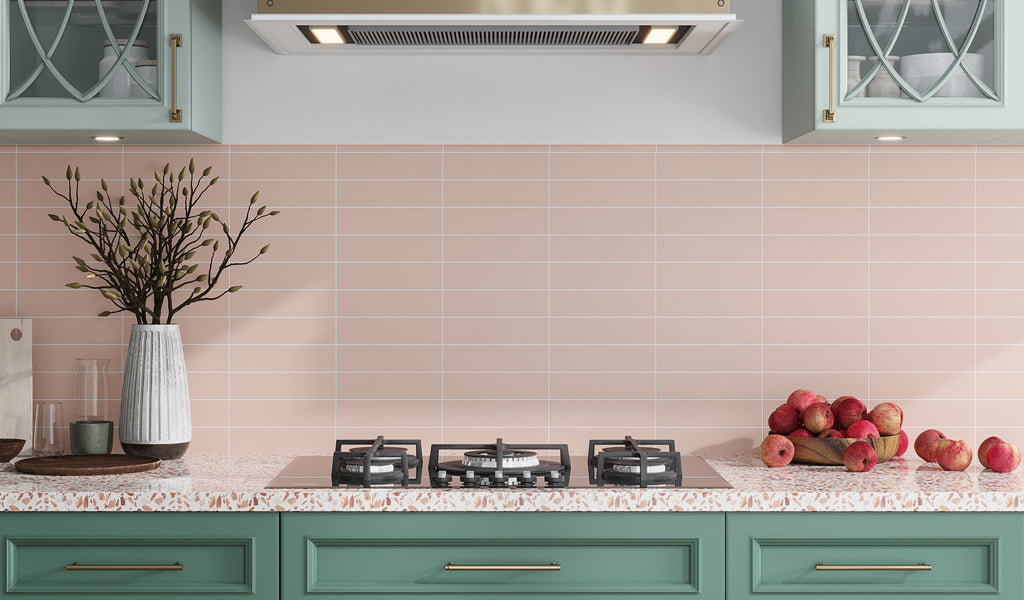
A backsplash is a vertical tiled surface commonly installed behind the sink or stove, between upper and lower cabinets, or above prep areas. Its purpose is both functional and aesthetic. Most utilitarian rooms, be it the powder room, kitchen, wet bar, or laundry room, have a tile backsplash working overtime in the background to defend walls from everyday messes. But with an incredible array of materials, textures, and sizes, it can just as well take center stage and become the room’s focal point. Learn about the types of backsplash, why it's a valuable design element, and how to choose the right kitchen or bathroom wall tile to achieve a fresh finish effortlessly.
The Purpose and Benefits of Backsplash Tile
Backsplashes have been the center of top tile trends recently, and for good reason. As mentioned earlier, they are a highly functional element with infinite options when it comes to design. This makes tile a ubiquitous feature in today’s private residences.
1. Protects Walls Against Wear
Daily messes and routine cleaning can expose bare walls to moisture, splatters, soaps, heat, and more. Using any of the types of backsplash tile is an expert-approved way to protect walls against stains and damage.
2. Makes Cleaning Effortless
With all the steam and grime a bathroom or kitchen inevitably creates, having a surface to easily wipe down is never a bad thing. Backsplash materials, be it a vintage, modern, or rustic tile in ceramic, porcelain, or marble, are stain-resistant and non-porous (or sealed, if needed). These properties make it possible to keep your space immaculate at all times.
3. Enhances Style and Design
Tile is perhaps one of the most versatile backsplash materials that brings contrast and interest to the room. It can be simple or standout, add movement and rich texture, and fit seamlessly with diverse décor themes, from traditional to industrial and everything in between.
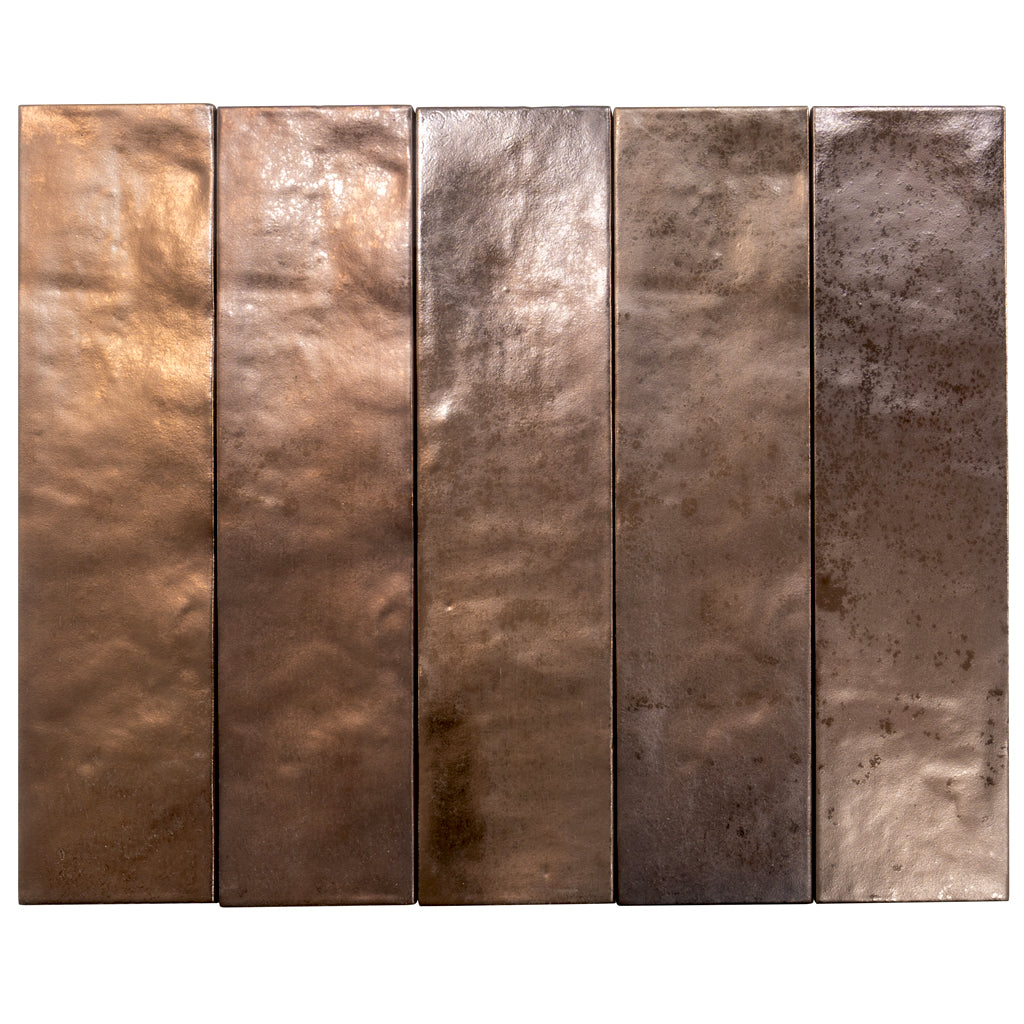
When it comes to elevating your interior’s style ante, you’re only limited by your imagination! For instance, our Bronze 2.5x10 Matte Ceramic Subway Tile introduces coveted beauty and drama. For something more transitional, White 12x12 Honed Field Bianco Carrara Marble Tile layers in plenty of elegance.
4. Can Up Resale Value
When planning home renovations, the kitchen and bathroom are prime areas for investment. A well-designed and well-loved space is a desirable quality that stands out in the marketplace. And while the backsplash may seem a small detail, it delivers a high-impact upgrade. It not only enhances the room’s aesthetic appeal but also conveys a sense of quality and attention to detail, which potential buyers appreciate.
Types of Backsplash Tile Materials and Their Costs
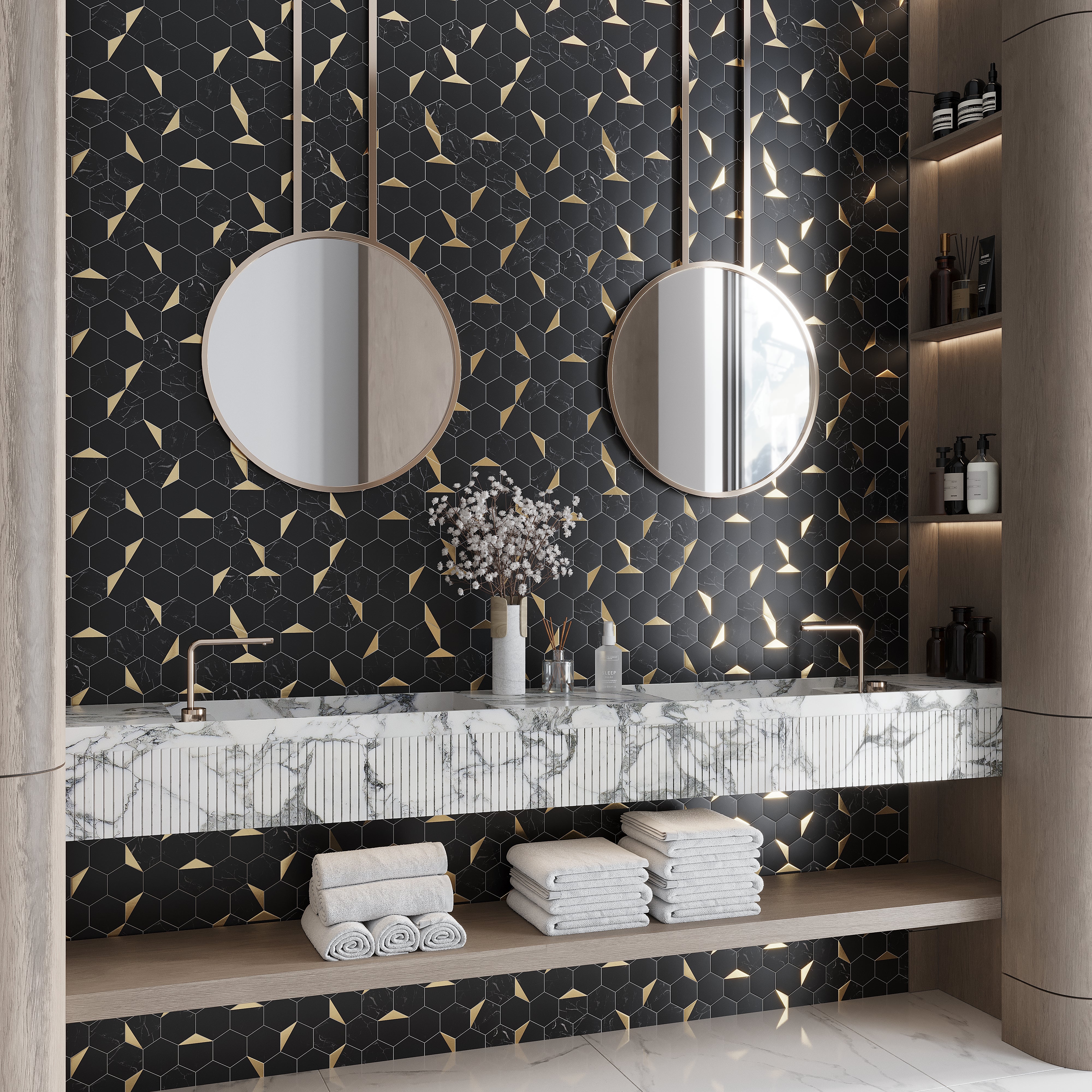
If you're keeping up with “what is backsplash tile”, then it’s also essential to know the different forms of materials making rounds in design-led spaces. The world of tile is vast and varied, with each type offering unique features, benefits, and price points.
For instance, ceramic and porcelain tiles are revered for their resilience and ease of care, making them an obvious pick for a busy kitchen. Glass backsplash tiles, on the other hand, reflect light and make bathrooms and powder rooms appear brighter and spacious. Natural stone tiles, such as travertine or marble, impart opulence to both classic and modern interiors.
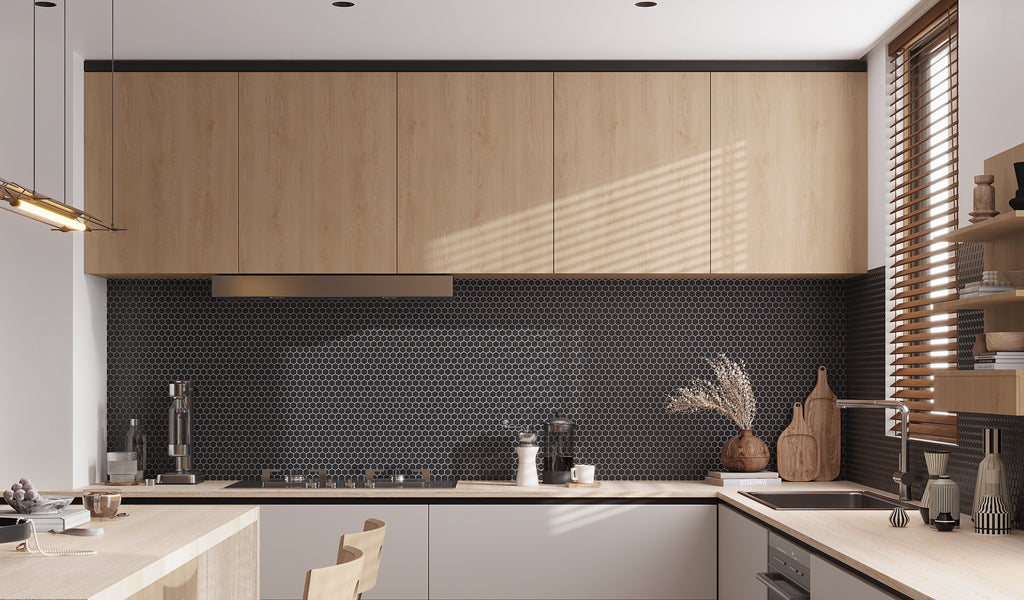
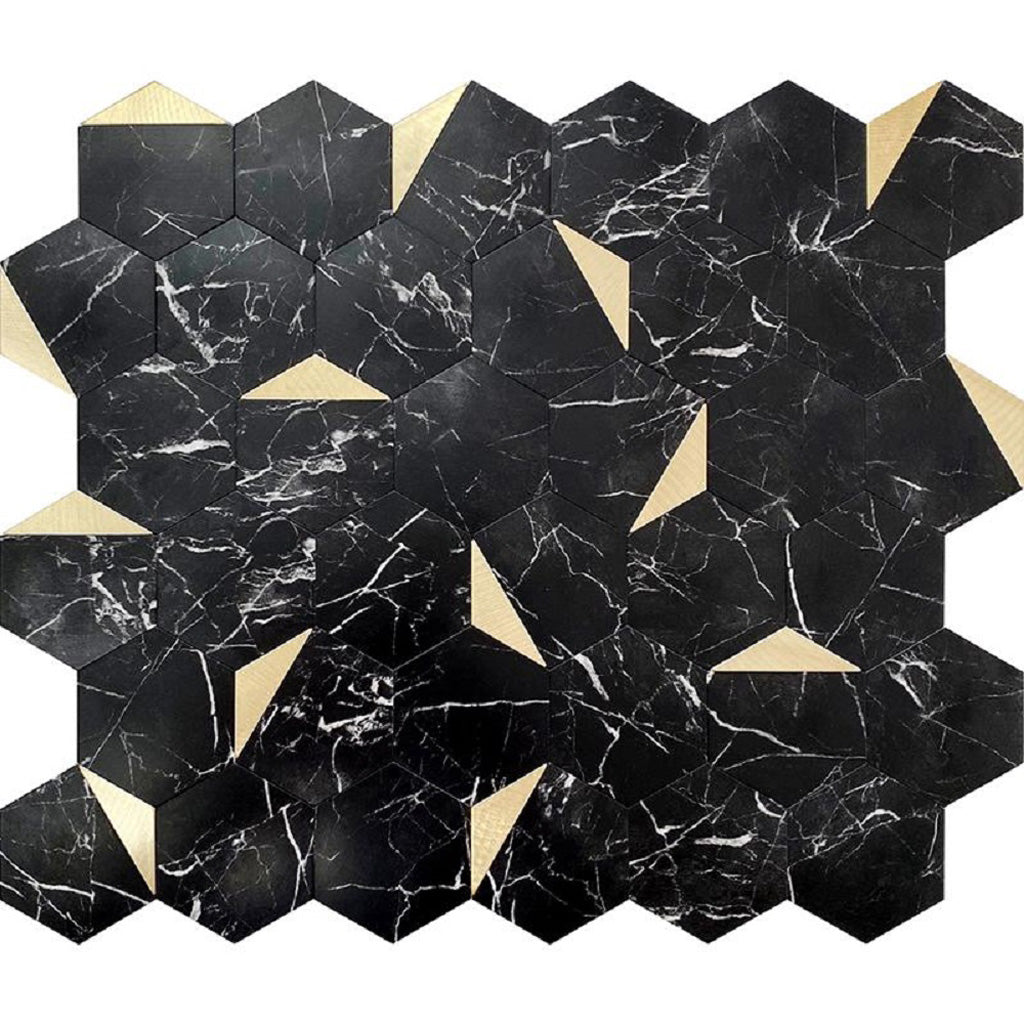
For a quick and easy upgrade, peel and stick mosaics, such as our Black Gold 12x12 Honed Hexagon PVC Peel & Stick Tile, offer the beauty of traditional tile without the mess or labor of a full installation. Perfect for renters, DIY beginners, or homeowners craving an instant refresh without the commitment.
| Material | Features | Avg. Cost / Sq Ft |
|---|---|---|
| Ceramic Tile | Durable, easy to install, wide array of styles | $2-$10 |
| Porcelain Tile | Denser with a very low water absorption rate | $4-$15 |
| Glass Tile | Reflective, bright with a contemporary appeal | $7-$30 |
| Marble Tile | Natural variation, luxurious flair, must be sealed | $8-$50 |
| Metal Tile | Industrial look, heat-resistant, easy to wipe down | $10-$35 |
| Peel and Stick Tile | DIY-friendly, quick update, easy to clean | $4-$12 |
How To Choose the Perfect Backsplash Tile for Your Space
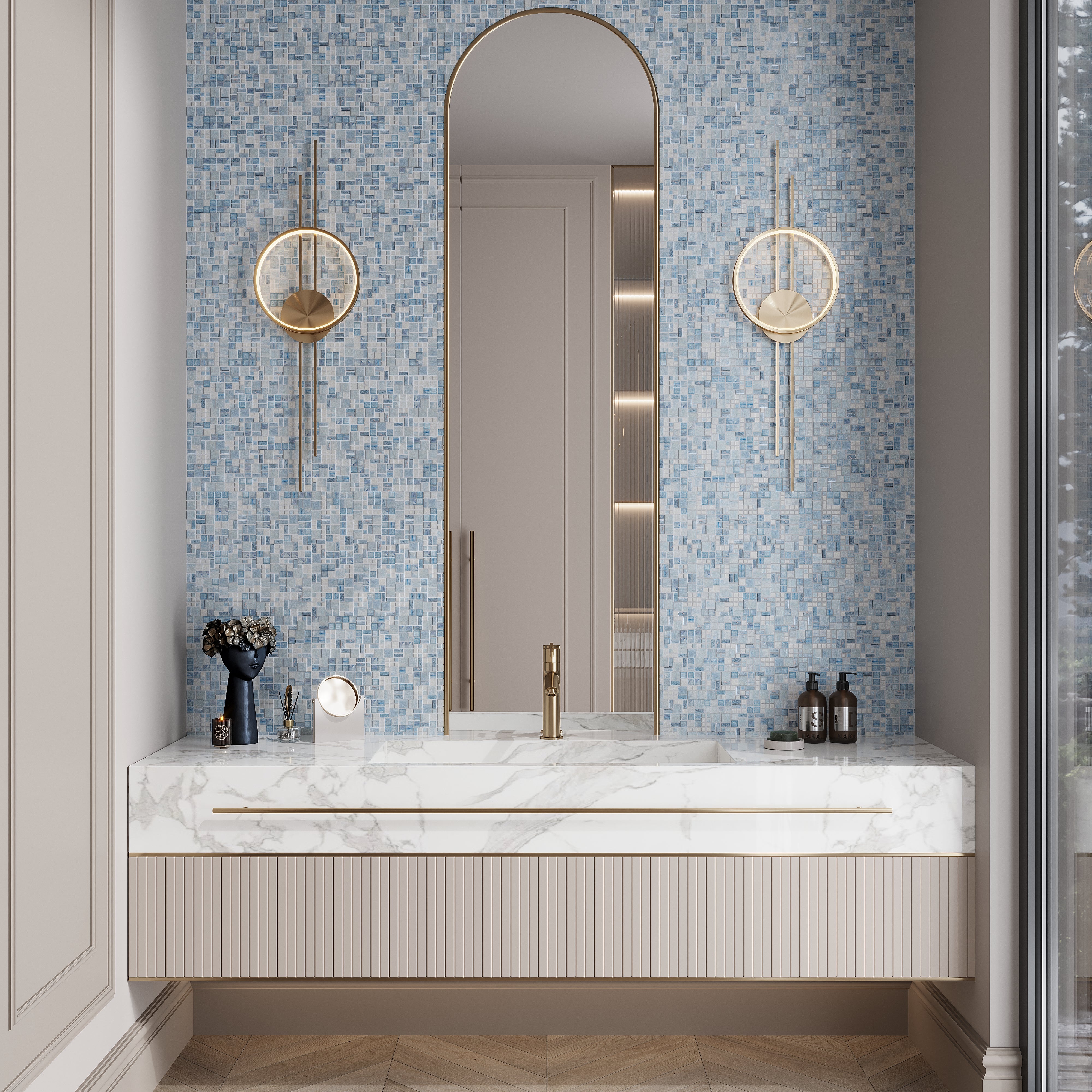
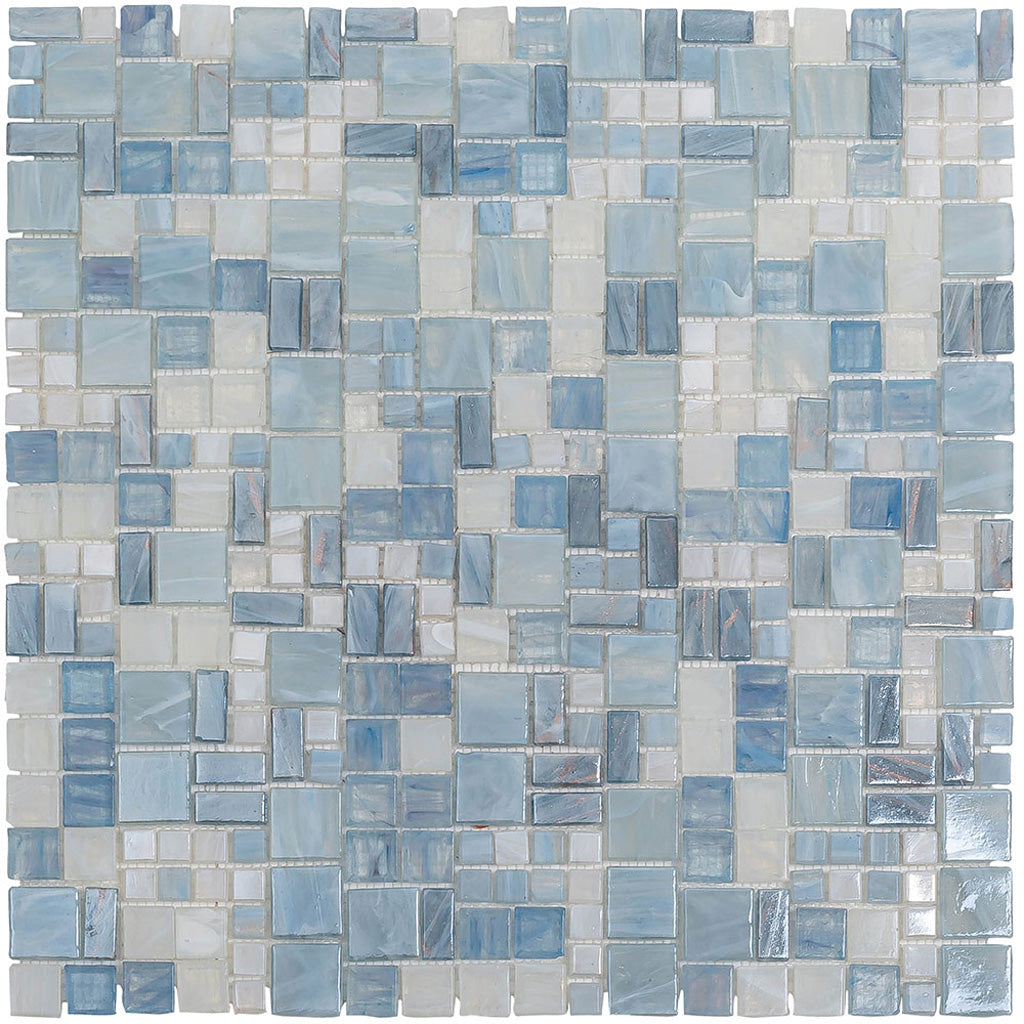
Selecting the right tile backsplash material involves balancing both aesthetics and function. Here’s what to keep in mind:
Consider the Overall Style: First, think about the room’s theme. Do you want to introduce a touch of modernity or prefer something classic? Desire a vibrant statement or a backsplash design that falls back to allow the room’s other elements to shine. There is a plethora of options, from geometric mosaics to large-format farmhouse tile, to complement any style of cabinetry, countertops, and flooring.
Tile Size and Shape Matter: The size and pattern of the tiles matter and can influence the perception of space. Large format tiles, for example, have fewer grout lines and can make a small room feel expansive. Geometric mosaics like herringbone, honeycomb, or fishscale can add intricate detailing to larger spaces. Our blog, Tile Shapes: A Complete Guide to Beautiful Design, explores the different shapes perfect for any interior setting.
Think About Maintenance: Want minimal upkeep? Consider porcelain, ceramic, or glass. OK with sealing? Marble is beautiful once sealed and properly cared for. Areas behind the stove or sink require tiling material that can handle heat and moisture, and is equally easy to clean.
Establish a Budget: When planning for an installation, consider the tile backsplash cost. We recommend buying a few tile samples beforehand to see how different materials, colors, and textures look in the actual space. This way, it’s easier to settle for a choice you’ll love without overspending.
Where You Can Use a Backsplash
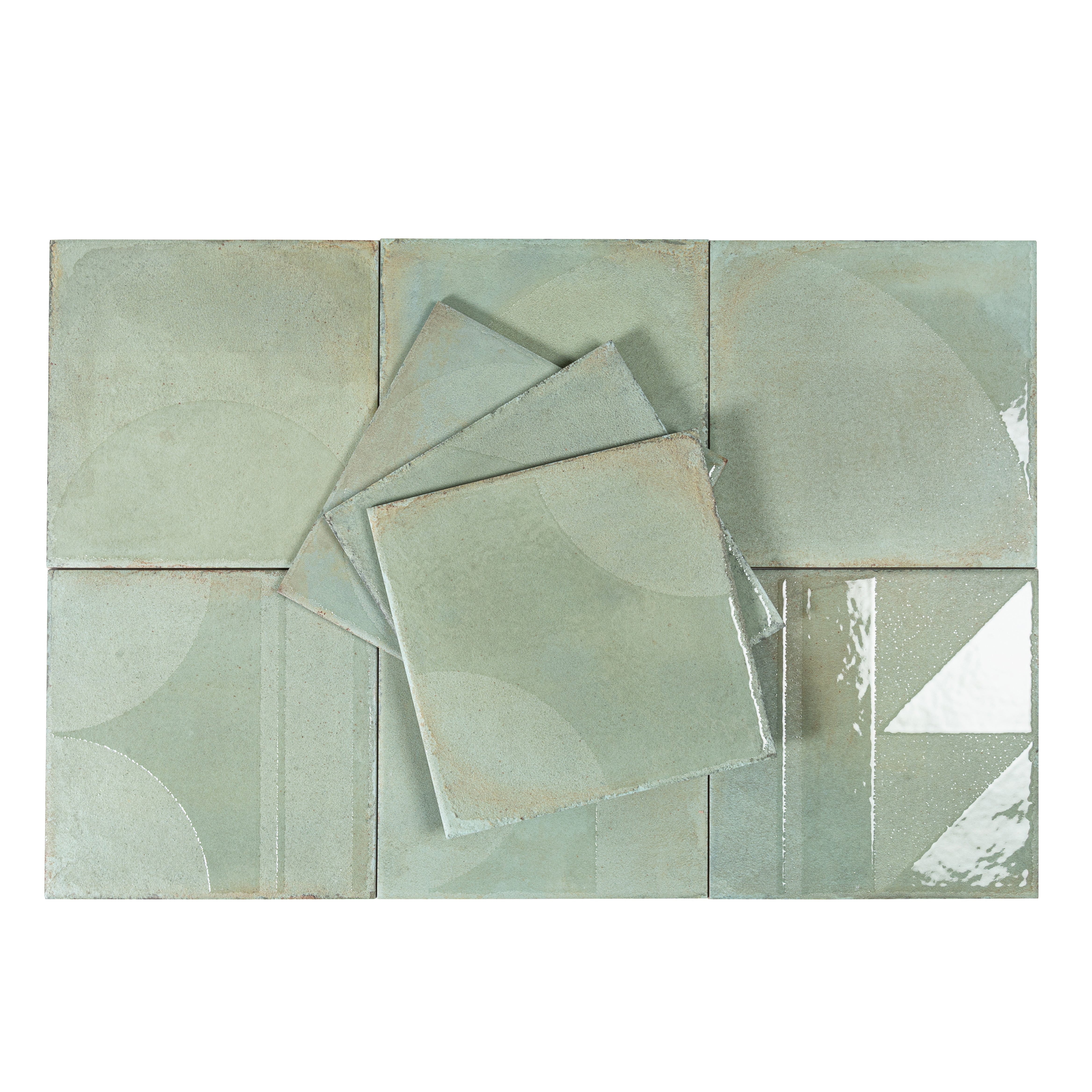
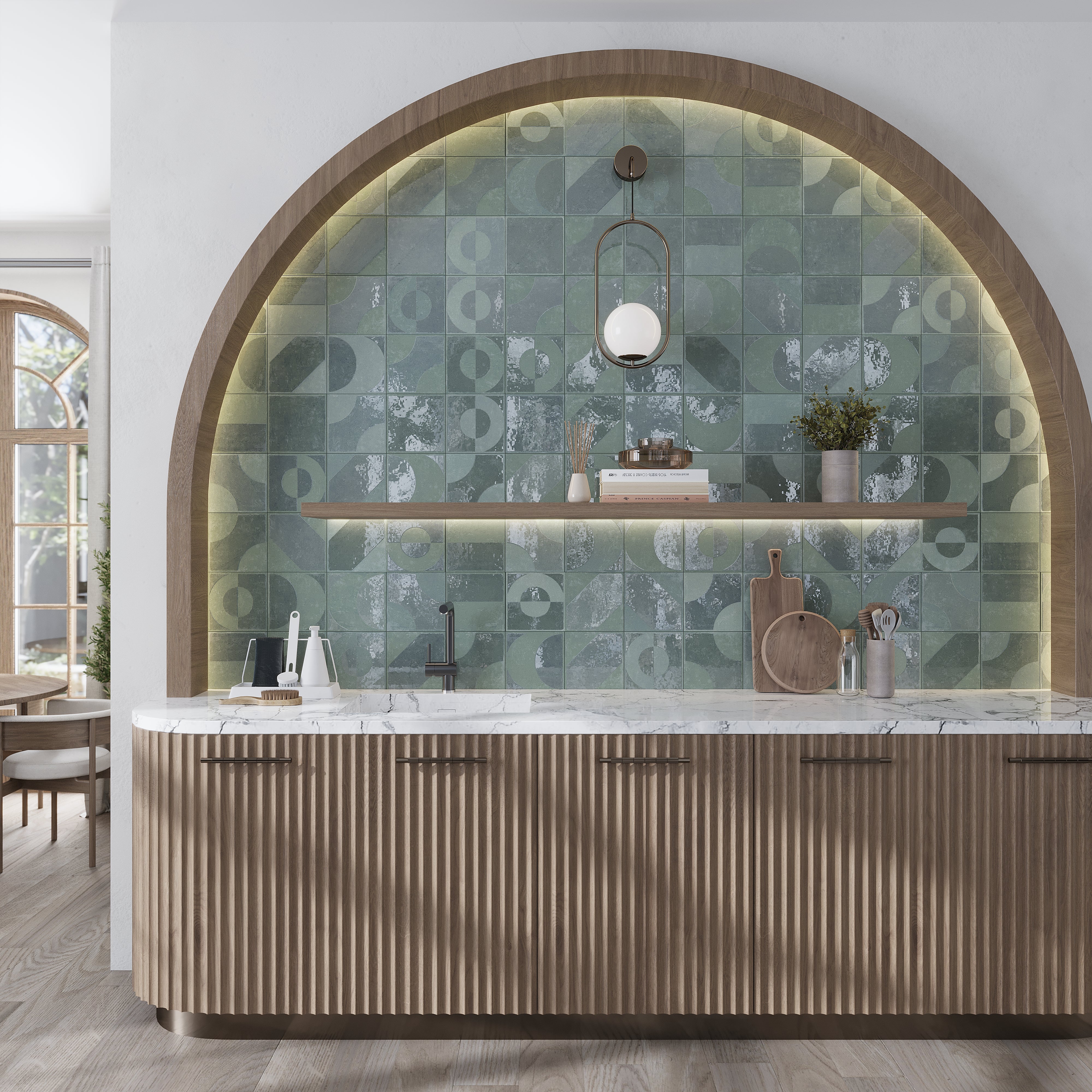
Backsplashes can be found in different utilitarian rooms, such as those mentioned earlier. It can cover an entire wall, go between the countertop and upper cabinet, or sit behind the range. However it’s employed, there is no denying it’s a feature that makes quite an impact. Common areas include:
- Kitchen: behind the countertop, sink, or stovetop
- Bathroom: behind the vanity or sink
- Powder Room: behind the vanity or sink in half-baths
- Laundry Room: behind the sink, countertop, or work area
- Wet Bar: behind the counter and sink
- Mudroom: behind the utility sink or work surfaces
Installation Basics: What to Expect

When learning what is a backsplash and preparing to lay new tiles, understanding the basic installation process makes a world of a difference. Before buying material from our online tile shop, you’ll need to calculate the number of tiles you’ll need. We recommend investing in 10-15% more products than you expect to use to cater for errors and repairs. For a detailed know-how, check out our blog: How to Measure and Plan Your Kitchen Backsplash.
While every space is unique, most tile applications take 1–2 days and follow a similar sequence. Here’s a general overview:
1. Surface Preparation: Every backsplash installation begins with proper prep work. The surface on which the tile will go must be level, smooth, clean, and dry. Sometimes, an old tile removal is required.
2. Layout Planning: Accurate measuring is a must for achieving a quality finish. A layout should be planned beforehand to avoid awkward silvers at the edges and ensure symmetry.
3. Tile Setting: Choose a quality adhesive suitable for the tile. Always follow the manufacturer’s guidelines for mixing and use. Additionally, maintain consistent adhesive thickness to keep the surface flat and use spacers for uniform tile joints. Consider a matching trim to conceal the edges of the backsplash and give your design a seamless closing detail.
4. Tile Grouting: Once the adhesive has fully cured, fill the gaps between the tiles with grout to provide stability and a finished appearance. Unsanded cement grout is the preferred option for a tiled backsplash with joint width not wider than 1/8”. The rubber float should be sized to complement the tile and joint spacing for efficient application.
5. Tile and Grout Sealing: Natural stone and cementitious grout require sealing. This step guards against moisture infiltration and prevents damage over time.
Maintenance and Cleaning Tips

Tile backsplash materials are generally easy to maintain. To keep in tiptop shape, regular care and the right cleaning habits are crucial.
- Wipe down the backsplash with a solution of warm water and mild, non-abrasive cleaner to prevent stains and dirt from settling into the grout lines.
- For deep cleaning, use a soft-bristled brush to gently scrub grout and remove buildup.
- Steer clear of harsh chemicals or abrasive tools, as they can dull or scratch the tile surface.
- If installing natural stone like marble, periodic sealing is necessary to protect against staining and moisture.
Conclusion
If you’ve ever wondered what is a backsplash, we hope this simple guide has cleared that up. This design feature can instantly elevate the look and practicality of a kitchen, bathroom, powder room, or any other utilitarian space. With countless materials, styles, and price points, you can choose a backsplash tile that complements your styling preference, as well as caters to your lifestyle needs.
As you plan your project, take a moment to explore Apollo Tile’s wide selection of backsplash tile, designed for every decorative theme, lifestyle, and budget. Sign up for our newsletter and enjoy 5% off your next order.
Frequently Asked Questions:
1. What is the best backsplash for a kitchen?
Glass, ceramic, porcelain, and peel and stick tiles are among the coveted options due to their style appeal, durability, and ease of upkeep.
2. How long do peel and stick backsplashes last?
Peel and stick tiles last anywhere from 3-10 years or more, depending on surface preparation, moisture, and overall wear.
3. Do you grout a backsplash?
Most tiled backsplashes require grouting to keep the installation in place. However, there are groutless tile options available, including peel and stick and mother of pearl.
4. What type of backsplash is best behind the stove?
Heat-resistant materials like ceramic, porcelain, and glass work best behind a stove.
5. How high should a backsplash go on the wall?
Most standard backsplashes extend 15–18 inches above the countertop, though full-height designs can go to the ceiling.
6. What is the easiest backsplash to maintain?
Glass, ceramic, and porcelain tiles are stain-resistant and the easiest to clean and maintain.