

How to Clean Pool Tile: DIY Hacks for a Sparkling Pool
Dec 09, 2025 10 minute read
Tired of seeing unsightly rings of grime that leave even the most beautiful pool design looking lackluster? You’re not alone. It's a common nuisance for many pool owners, but don’t fret! With a little effort and some DIY know-how on pool tile cleaning, you can keep your poolscape looking bright and spotless all season long.
Key Takeaways
- Keeping tiles in good condition requires consistent pool care as dirt naturally accumulates along the water line.
- Understanding whether the buildup is dirt, algae, or calcium scale will help you choose the right cleaning method for the tile installed.
- Maintaining balanced water chemistry and deep cleaning every 3-6 months prevents heavy buildup and keeps tiles looking new.
- Professional cleaning is recommended when stains are persistent, tiles are delicate, or buildup becomes too difficult to handle.
Sparkling tiles are a sight to behold, but preserving their splendor isn't always effortless. Grime can build up from various factors, including body oils, dirt from leaves, pollen, and dust, algae growth, and pH imbalances. Whether you have glass, stone, ceramic, or porcelain, these contaminants can take away from their shine and detract from the overall aesthetic of your space. Below, we share expert tips to restore modern tile to its original brilliance.
Pool Tile Stains and Buildup

The right tools can make tile maintenance much easier. But before getting into the nitty-gritty details of how to clean pool tile, it’s important to fully understand the various causes of buildup.
1. What Causes Waterline Buildup?
Waterline buildup is a result of organic scum (oils, lotions, sunscreens) and mineral scale from hard water (calcium). The buildup accumulates and floats at the water's surface, where exposure to the elements causes it to adhere and form a visible ring along the pool waterline tile.
2. Why Calcium Deposits Form?
Calcium buildup in the swimming pool is a white, scaly buildup caused by high pH or alkalinity levels in the water. When this hard water evaporates, it causes calcium carbonate to separate and stick onto the tiles. If cleaning is done regularly, it should come off easily. If it builds up, chemical scale removers can be used to take care of it.
3. Identifying Dirt, Algae, and Scale Marks
Lastly, identifying the type of buildup will help you choose the most effective pool tile cleaning method:
- Dirt and grime appear as a thin, dull film that can be wiped or gently brushed away.
- Algae may present as green, yellow, or black spots; black being the most challenging to clean since it roots into grout.
- Scale marks show up as chalky or crusty and, as mentioned above, are caused by calcium deposits from hard water.
What You'll Need to Clean Pool Tiles
Pool tile brush or scrubbers: Use stiff-bristled brushes or scrub pads designed specifically for the type of tile installed.
Pressure washer: A pressure washer can help dislodge stubborn dirt and algae, but it should be used with caution to avoid damaging tiles or grout.
Chemical sprayer: These make it easy and efficient to apply cleaning solutions.
Safety equipment: Protective gear, such as goggles and gloves, is required to safeguard against chemicals, debris, and splashes during cleaning.
Step-By-Step Guide: How To Clean Pool Tile

- Begin by removing organic matter from the pool, such as leaves, small branches, or any other dirt. Use a pool vacuum or a net skimmer to accomplish this.
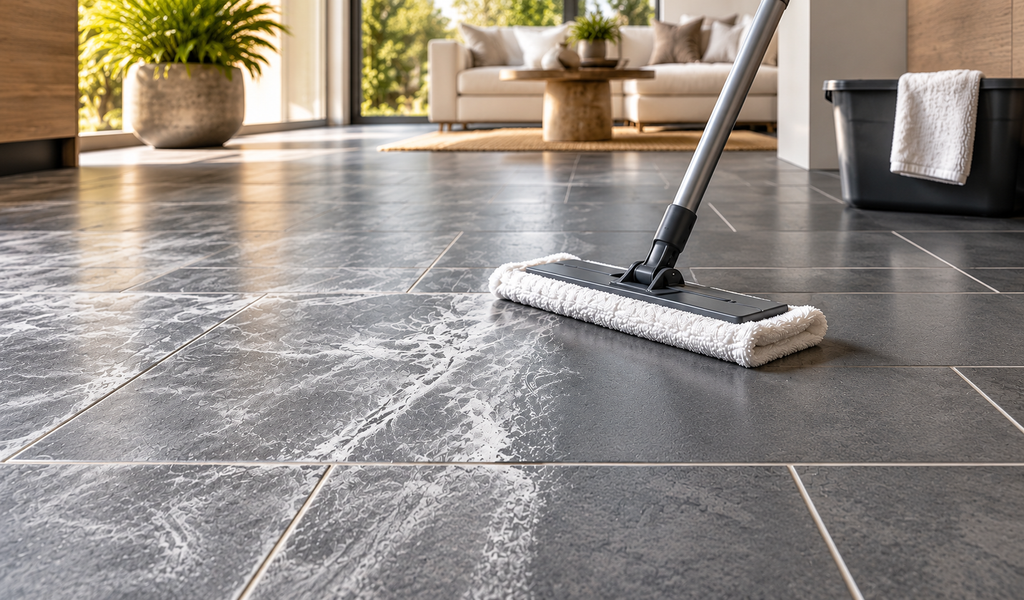
- Next, use a nylon brush or a gentle scrub pad to remove loose dirt, grime, and algae. This step clears light debris so deeper cleaning products can work more effectively.
- Treat the tile with the appropriate cleaner. For example, a mild detergent cleaner for dirt and oils, a chlorine-based cleaner for algae, and a diluted muriatic acid solution for stubborn scale. The right product will prevent damage to the material.
- Scrub tiles using the brush suited to the tile type. Avoid anything harsh on glass or delicate stone, such as our Bottle Green 12x12 Glossy Uniform Square Glass Mosaic Tile or Bianco Carrara Eastern Beige 12x12 Polished Basketweave Marble Mosaic Tile.
- Rinse thoroughly with clean water to remove loosened debris and prevent chemical residue from altering water chemistry or damaging tile and grout later on.
- Check the tiles for any remaining stains or scale and repeat the cleaning process if needed.
- Once tiles are in tip-top shape, you can apply a sealant, especially for porous stone or grout.
Best Cleaning Solutions for Pool Tile

From specialized chemical cleaners and mild abrasive agents to DIY homemade pastes, there is a range of options to maintain the overall style, health, and longevity of your water feature.
Chemical Cleaners: Wondering how to remove calcium from pool tile safely and quickly? One method is to use specially formulated tile cleaners to banish stubborn stains and dissolve mineral deposits.
Abrasive Cleaners: Tackle tough stains or deposits with abrasive cleaners or pumice stones, while being mindful of potential scratches to delicate tiles if done improperly. This cleaning solution relies on friction rather than chemical reaction, where physical scrubbing is needed to remove stubborn stains, calcium deposits, or algae. Nylon brushes are safe for most tiles and grout lines as they provide a gentle abrasive action.
Enzymatic Cleaners: Go eco-friendly with enzyme cleaners that break down oils and sunscreen residue, algae, and other organic buildup on pool tiles. These cleaners are safe for the environment and the water chemistry.
DIY Cleaners: In search of a cost-effective and natural method on how to clean pool tiles above water line? Craft your own cleaning solution using household ingredients such as vinegar or baking soda. Make sure to test whatever cleaning paste you make on a small tile area first to ensure no damage.
How to Remove Calcium Buildup on Pool Tile
Asking how to remove calcium deposits from pool tile? To begin, scrub the affected area with a mild detergent and nylon brush to loosen surface buildup. For heavier and tougher scale deposits, apply a diluted muriatic acid solution (1 part acid to 4–5 parts water), allowing it to sit for a couple of minutes before scrubbing. The last step is to rinse the surface thoroughly to avoid potentially causing discoloration, corrosion, or damage to the tile and grout.
What Are the 3 C’s of Pool Cleaning?
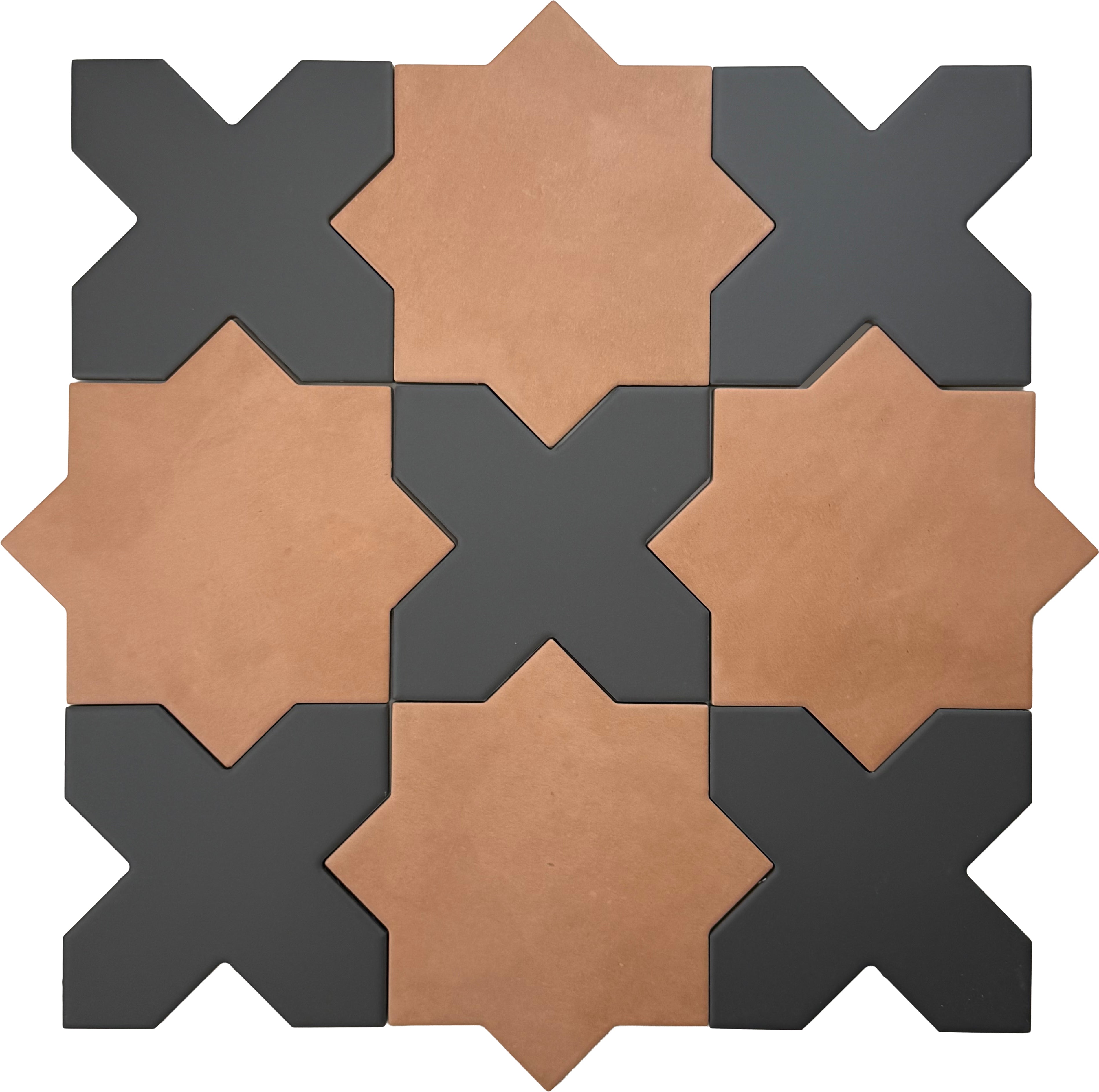
There are three key concepts to consider when maintaining sparkling, stain-free contemporary or traditional tile: Clean, Condition, and Care. Pool professionals refer to these as the 3 C’s of pool tile cleaning, which is a simple framework to keep tilework protected and long-lasting.
Clean: The first C involves removing visible dirt, grime, algae, and mineral deposits. Cleaning should target both the tile and the grout lines for lasting results. Note that the “clean” step is foundational; without it, conditioning and care will be far less effective.
Conditioning: Next is conditioning, which focuses on protecting tile and grout after cleaning to slow down future buildup. This step involves applying a sealant to porous tiling material, polishing for shine, and maintaining water chemistry to prevent scale and corrosion that can cause damage over time. Overall, “conditioning” keeps everything in top shape, so cleaning becomes less strenuous.
Care: The final C emphasizes ongoing upkeep and regular inspection. That is, checking for early signs of stains or mineral buildup before they become severe, and remedying any of these issues promptly to avoid the need for harsh cleaning methods that could damage your tiles.
How Often Should You Clean Pool Tiles?
For most residential pools, homeowners can embrace the sparkling joy of maintaining a pristine pool by actively cleaning tiles every 3-6 months, depending on usage, local conditions, and water hardness. Establishing a consistent cleaning routine wards off mineral deposits, scale, or early signs of algae, ensuring a more effortless and effective process down the road.
 Pro Tip:
In addition to upkeep, inspect the pool regularly for water chemistry (pH, alkalinity, calcium hardness) and address hard-to-remove stains to minimize the frequency of intensive cleaning.
When to Call a Professional Pool Tile Cleaner
Despite regular DIY cleaning efforts, pool tiling, be it geometric mosaics, medium-sized, or large format tile, can develop stubborn stains or extensive calcium deposits that cannot be managed at home. When this happens, it’s time to enlist the help of a professional. Watch out for the following:
- Persistent stains and buildup
- Damaged or delicate tiles
- Extensive or hard-to-reach areas
- Recurring problems despite maintenance
Professional cleaners have specialized tools and expertise to tackle tough jobs and restore tiles. While it may involve some extra cost, scheduling a pool maintenance appointment is well worth it. Beyond deep cleaning heavily stained surfaces, they can also inspect tiles and grout for damage and perform necessary repairs. Many pool tile cleaning companies offer this service as a one-time service for your convenience.
Conclusion
Taking proactive steps to learn how to clean pool tile may be all you need to do to keep it looking refreshed. Ideally, this will be a part of your weekly routine. Like any cleaning task, the more frequently it’s done, the less tedious and effort-consuming it becomes. With the right knowledge and tools, swimming pool tile cleaning without damaging the grout is a breeze. Following these simple tips will leave you with a sparkling and stylish look you can enjoy and tiles with an extended lifespan. For statement-making pool ideas, check out our blog: Pool Tile Ideas to Transform Your Outdoor Space.