

Types of Grout: Choosing the Right One for Your Tile Project
Dec 01, 2025 14 minute read
Grout is the final touch for any tile project you decide to undertake, whether it’s for your bathroom floor, kitchen backsplash, or shower. While tiles are the star of the show, grout is the unsung hero. Its job is to keep the whole project in place, give it longevity, protect it from moisture and dust accumulation, and maintain hygiene and style.
Key Takeaways
-
The choice of grout depends on the tile, joint size, and application area.
-
The color and quality of the grout contribute to the longevity and appearance of the tile project.
For tile projects, today’s homeowner and designer have more grout choices than ever. Each has its advantages, maintenance needs, and price tag. This blog will discuss all the types of grout, their benefits, and how to select the right grout for your tile project, including bathrooms, kitchens, showers, and living areas.
The Different Types of Grout Available
Let’s break down the different types of grout and where each one works best. Each type comes with a set of benefits and is suited for specific areas, so a better understanding will help you choose the right one for your needs.
1. Sanded Grout
Sanded grout is a cement-based grout blended with fine sand to increase strength, making it one of the grout options for tiled floors. Due to its high resilience, it’s used for high-traffic zones and wells with grout joints wider than 1/8”. The addition of silica sand prevents cracking and shrinking when the grout starts to dry, making it a reliable choice in rooms where tiles are exposed to constant movement and everyday wear and tear.
2. Unsanded Grout
A sand-free cement grout has a smooth texture free of any sand aggregates. Ideal for narrow grout joints up to 1/8” and vertical tile applications, such as when tiling a bathroom wall or kitchen backsplash. Since it has no sand, it will not scratch the surfaces of delicate materials like marble, glass, or glazed ceramic tile. Unsanded grout, also known as non-sand grout, is often used when selecting types of grout for tile installations that require visual detailing or scratch-free finishing.
3. Epoxy Grout
Epoxy grout is a high-performance, exceptionally durable grout thanks to epoxy resins and hardeners. It is stain and waterproof, making it one of the best types of grout for shower walls, floors, and any wet or high footfall areas. Due to its amazing qualities, epoxy grout does not need sealing and retains its clean and bright look for years. If you want extra resilience with very little upkeep, this grout type is your best bet.
4. Furan Grout
This type is a chemical-resistant grout made of a polymer base, specially constructed for maximal durability under extreme conditions. It is mainly applied in industrial establishments, factories, and commercial kitchen areas because it can resist strong chemicals, high temperatures, and loads. Since furan grout needs specialized skill to apply, it's seldom used in the home.
5. Polymer-Modified Grout
Next, there’s polymer-modified grout, which features latex or acrylic polymers for added flexibility and stronger adhesion. Suitable for wall and floor tile application in high-traffic zones, the addition of polymers reduces cracking and shrinking as the grout cures. It is a balanced option for homeowners looking for better performance without the full epoxy approach. When comparing different types of grout, polymer-modified grout delivers a perfect meld of strength and easy use.
6. Single-Component (Ready-to-Use) Grout
A pre-mixed grout that is easy to apply, consistent, and convenient, directly from the bucket. That’s what single-component grout is, and it’s ideal for DIY projects, including backsplashes and light-to-moderate flooring. Because it is pre-mixed, the color is uniform in every application. Plus, installation time is reduced because there is no on-site mixing or measuring to worry about.
7. High-Performance Cement Grout
An upgraded version of traditional cement grout, high-performance cement grout is designed to resist cracking, shrinking, and staining. Ideal for use in modern homes where strength and low maintenance are important. Most products contain additives that enhance adhesion and resistance to water. This is a great choice for when choosing the best grout for bathroom tiles, where durability matters most.
8. Urethane Grout
A flexible, pre-mixed grout with stain resistance and long-lasting color consistency. Great for different mosaic tile options like glass. It’s a flexible grout used for surfaces subjected to thermal expansion or contraction. As a ready-to-use grouting material, application is easy and quick, even for a DIY beginner.
How to Choose the Right Grout for Your Project

Understanding what your space needs and the type of tile you are working with makes choosing the right grout much easier. The correct grout changes how an installation looks, how long it lasts, and how easy it is to maintain. With so many tile grout types available today, keeping these key factors in mind will help you make a confident and informed choice:
-
Where grout will be used: Areas prone to moisture, like bathrooms and kitchens, require water-resistant grout that also won’t be affected by mold. It is important to choose the right types of grout for shower and other moisture-prone environments to prevent weakening the structural integrity of the entire installation. Places that endure heavy traffic, such as entryways and hallways, also require a stronger formula that will not crack under stress. Each of these factors helps to narrow down grout options for a resilient choice.
-
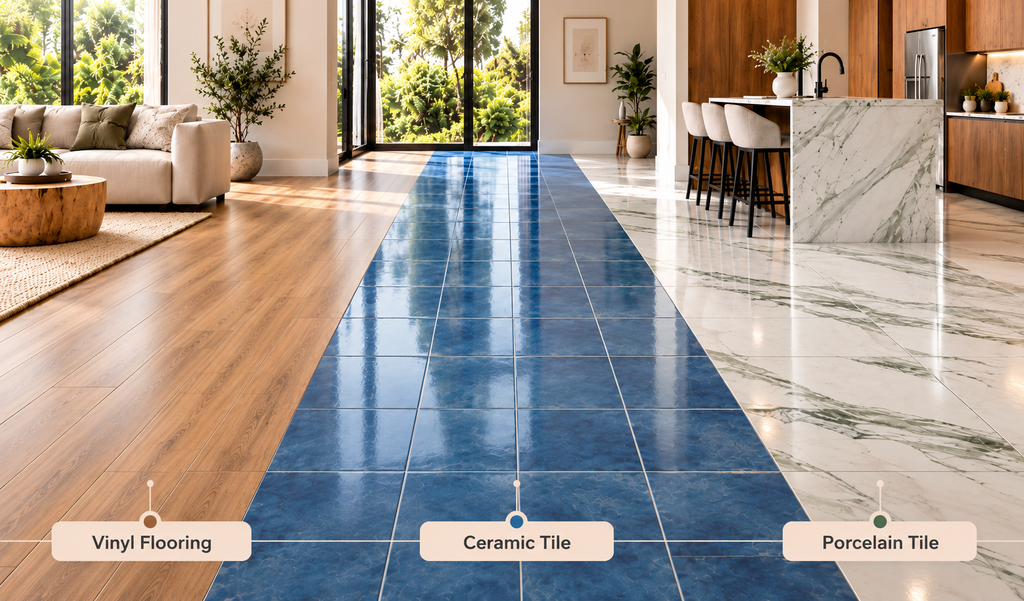
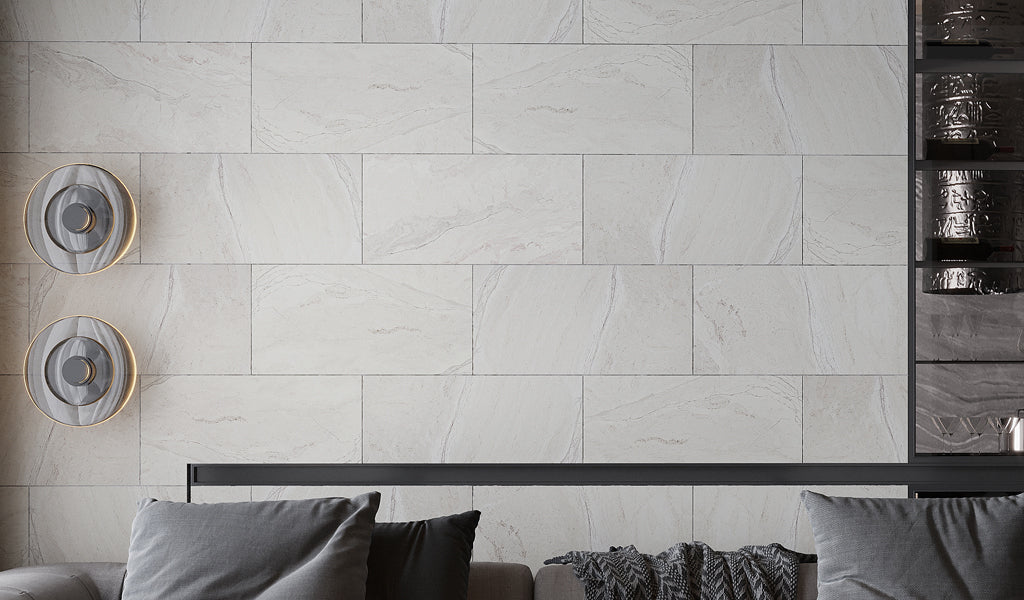
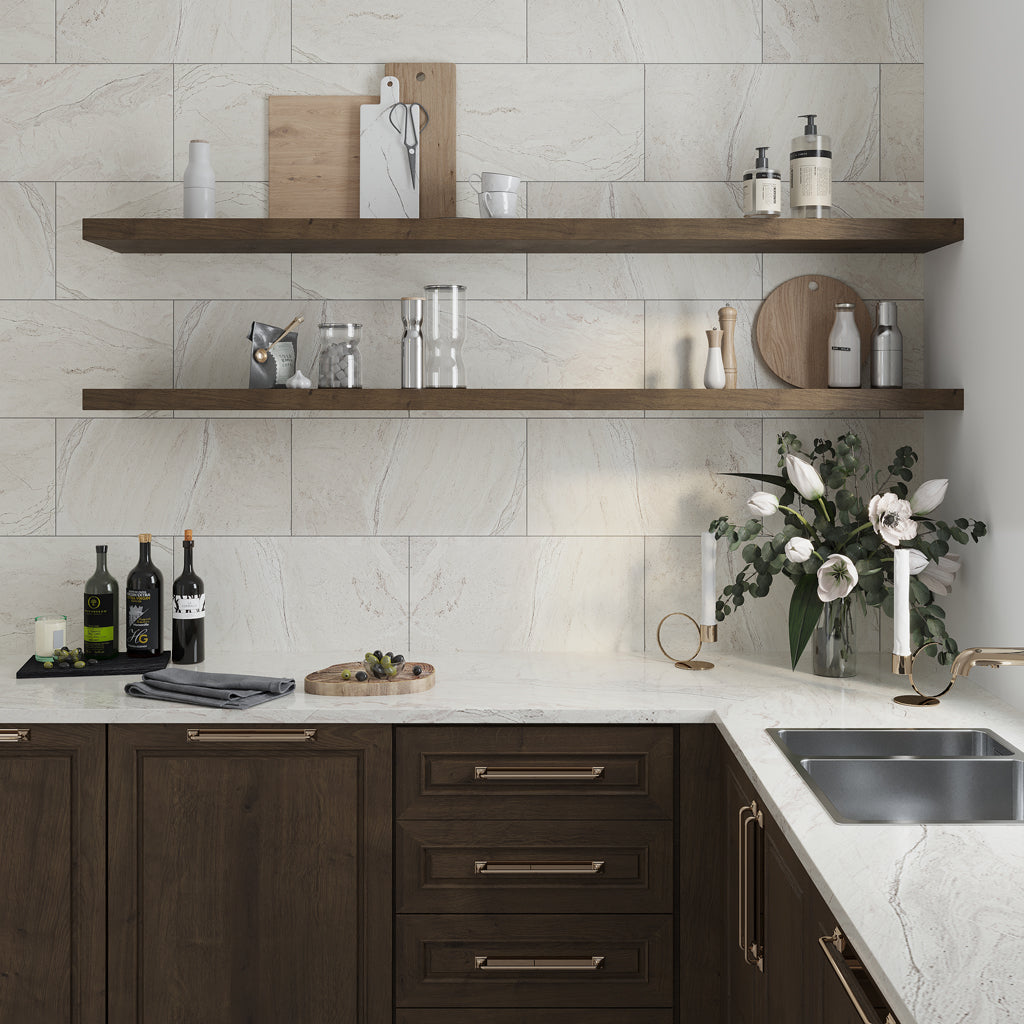
The type of tile you are installing: Scratch-resistant tiles, like ceramic and porcelain tile, pair well with different types of grout, giving homeowners more flexibility, for instance, our Stone Beige 12x24 Matte Porcelain Large Format Tile. More delicate finishes, like glossy glass or polished stone, require the smooth texture of unsanded grout so as not to scratch their surface.
-
The look and style you want to create: Grout has a significant impact on design. You can go for a color that matches the tile for a completely seamless finish or contrasts to make the tile pattern pop. Even the grout's texture makes a difference in the final look of your tiled area. When considering grout options, a smooth unsanded cementitious grout works well for vertical surfaces where visual appeal matters the most.
-
Maintenance and long-term care: Cement-based grout should be sealed, while other options like epoxy require none of that, as they are resistant to stains, mold, and water damage. If you are looking for a low-maintenance installation, you can seek out grout that offers maximum protection. Based on your maintenance threshold, do you prefer cement-based, polymer-modified, or epoxy grout?
Grout Color Options and Their Prices
Choosing the right color of grout is as important as choosing the type of grout that you are going to use. Color affects how your tile pattern looks, how easy the surface will be to maintain, and whether your final design feels seamless or contrasted. Want a more in-depth exploration of how to match colors with various tile materials? Check out our blog, The Ultimate Grout Color Selection Guide: Tips for Every Tile Type.
Looking through the full palette of colors, and more importantly, understanding price differences, helps you make informed decisions about which color best suits your space, style, and budget. This becomes key when comparing the various grout types against each other, visually observing how each one performs.
1. White Grout
White grout produces a clean and bright finish, making the rooms feel more open. It is usually used along with white or light tiles to create a smooth look. Although white grout goes with many types of tile for installation, it requires frequent cleaning since stains are easily visible. It is often one of the less expensive grout options because the colorant used is pretty basic.
2. Light Gray Grout
Light gray grout is one of the most versatile, popular options as it simply gives a subtle contrast without dominating the tile pattern. It looks great in kitchens, showers, and high-traffic rooms. It hides dirt better than white grout, making it a preference for homeowners when choosing the best grout for bathroom floor or a busy flooring area. Prices are generally moderate; a little higher than white due to quality pigment, though still very budget-friendly.
3. Dark Gray Grout
Dark gray grout makes a bold modern statement, complementing both light and dark colored tiles. It is highly suitable for industrial-style interiors or high-contrast design schemes. With more durable and higher-priced pigments, dark gray tends to fall within the middle to higher price tier. This grout type also stains well, making it practical in areas intended for heavy foot traffic or moisture-prone areas. It works well with many types of grout formulations, including epoxy and polymer-modified products.
4. Black Grout
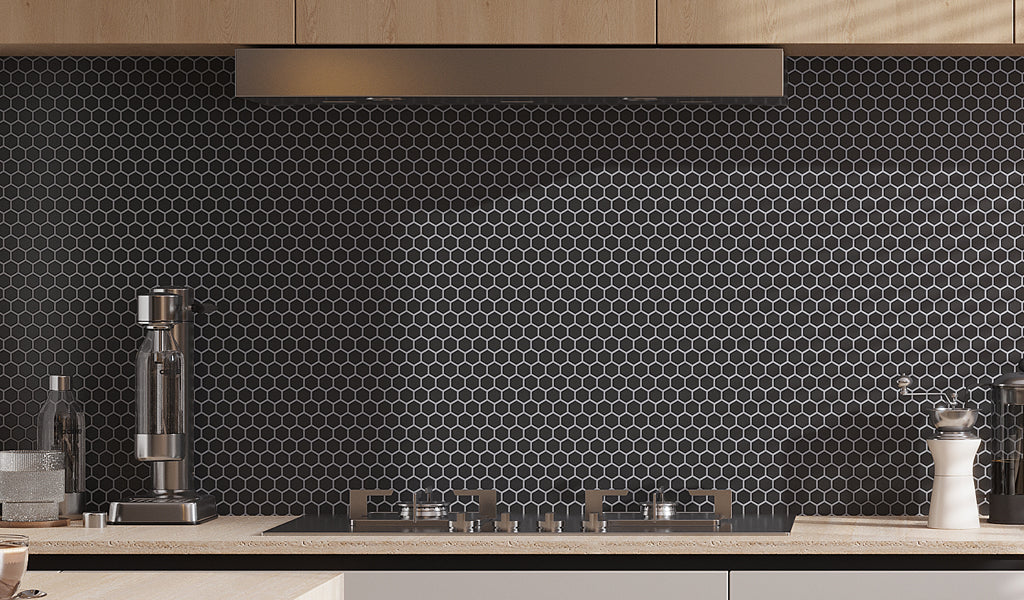
Black grout creates a dramatic contrast and instantly makes tile patterns stand out. It's often used in modern bathrooms, geometric layouts, and statement kitchen backsplashes. While black grout can work with various types of grout for shower walls or floors, its richer pigments give that everlasting premium finish. Regular cleaning will help us maintain its pristine appearance for a longer period. When considering the best grout for floor tiles in a modern setting, black grout is often the go-to choice.
5. Beige and Tan Grout
Beige and tan grout boast warm, natural tones, which are ideal for stone-look and wood-look tiles. These colors produce a soft, cohesive finish that’s particularly well-suited to rustic or neutral interiors. Compared to other grout options, beige grout is positioned in the middle of the price range and is easier to clean than white. Homeowners looking for the best grout for bathroom tiles when trying to achieve a warm, organic look will often choose beige grout.
6. Brown Grout
Brown grout works well with wood-looking porcelain tile and earth-toned designs. The deeper shades tend to mask stains well, which makes it great for kitchens, hallways, and any commercial use that may receive heavy traffic. Most of the time, brown grout is in the middle range of pricing, but custom-tinted grout is a bit more expensive. This color is suitable for many grout types in tile installation and strikes a balance between function and aesthetics.
7. Specialty or Custom-Tinted Grout
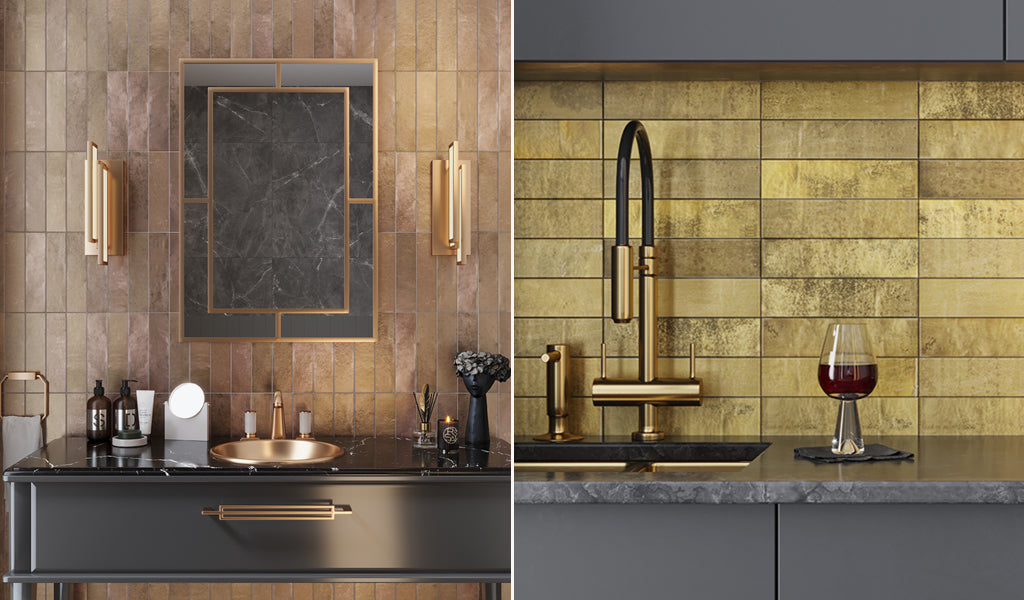
Specialty colored grouts come in colors like blues, greens, terracotta, metallic tones, or perfectly matched designer hues when the exact aesthetics must be achieved. These colors enhance artistic tile layouts, high-end mosaics, and branded commercial designs. Because they require custom pigments, these are amongst the most expensive grout options available on the market. Specialty grout can be used with many types of grout formulas, such as
Grout Maintenance Tips and Long-Term Value

The best grout for floor tiles requires frequent care to remain clean, strong, and appealing to the eye for long periods. Proper maintenance will not only beautify your tiles but also help you avoid expensive repairs and discoloration, or early cracking. Below are some very simple yet effective maintenance tips that can be undertaken to protect your grout and increase the long-term value of your tile installation.
1. Clean up spills immediately
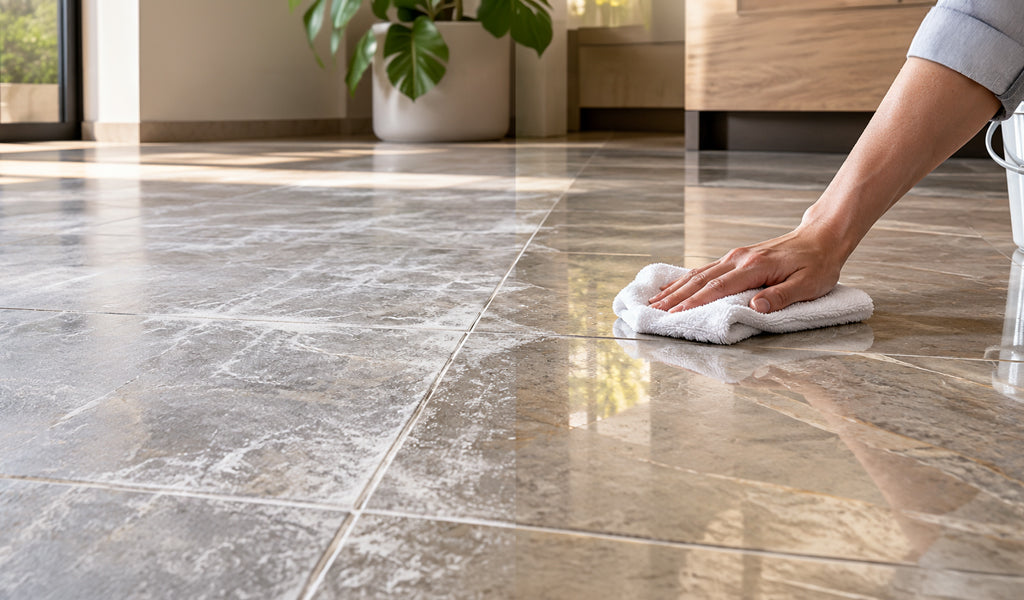
Grout is porous, so it can easily absorb liquids, stains, and grime. Wiping up your spills the second they happen prevents discoloration and cuts down on how much deep cleaning you will have to do later. This simple habit keeps your grout fresh and will save you a lot of time and effort later on.
2. Avoid harsh cleansers
Do not use harsh chemicals like bleach or acidic cleaners because they break down the grout sealant and weaken the joints. Use cleaners that are pH-neutral, specifically designed for tile and grout. These gentle formulas remove dirt but do not damage the surface, thus helping your grout last longer and look better.
3. Regular sweeping and mopping
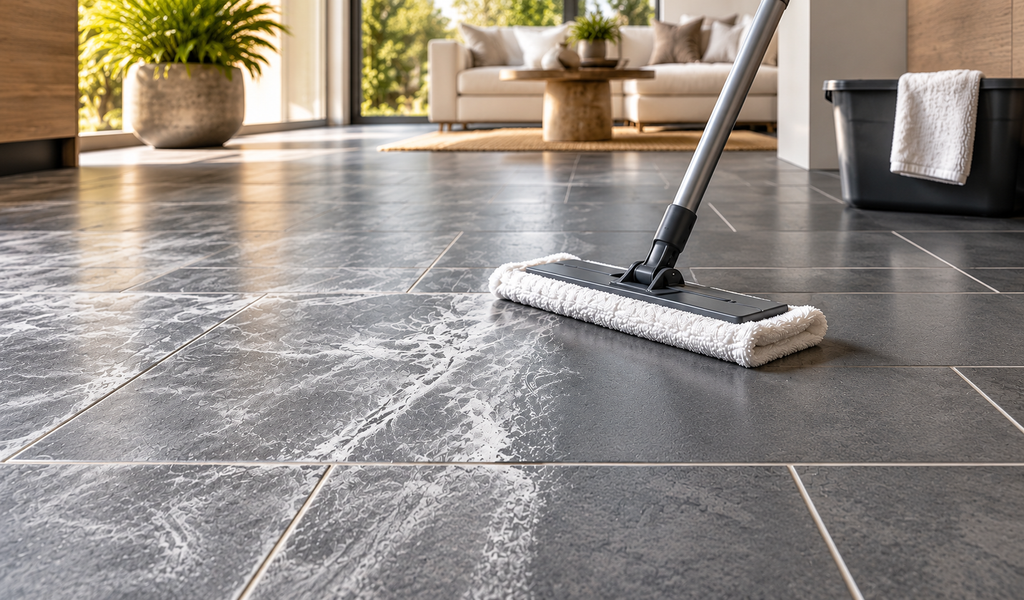
Over a period of time, dirt and dust can settle into grout lines, darkening them. Regular sweeping or vacuuming prevents any such buildup, while weekly mopping helps keep the surface clean and polished. This routine reduces wear on both the grout and the tile.
4. Seal your grout periodically
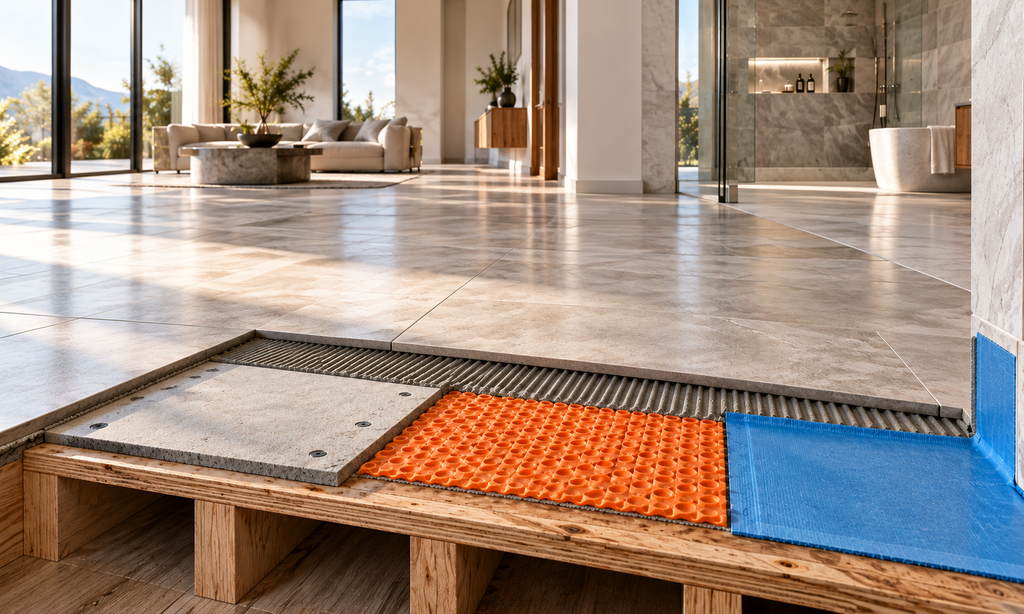
Grout sealing is one of the most important maintenance steps for areas subjected to moisture, such as kitchens, bathrooms, and showers. A good sealant protects grout from absorbing water, stains, and mold. One can reapply this sealant every 6 to 12 months, depending on space traffic and humidity.
5. Scrub grout lines periodically
Even with regular cleaning, grout can develop minor stains or soap scum. Using a soft brush to gently scrub the grout lines will lift trapped dirt without damaging the material. This quick extra step in care will keep your grout looking bright and new.
6. Control the humidity:
Keep in mind that high humidity encourages mold and mildew to grow, especially in the showers and bathrooms. Keep an exhaust fan on during and after bathing to keep moisture levels lower. Keeping air flowing helps maintain healthy grout and prevents dark spots from forming. Avoid excessive use of water for cleaning.
If you over-wet the floor or wall, this can cause the grout to absorb the moisture and weaken over time. Use a damp, not soaking-wet, mop or cloth, and dry the surface with a clean cloth if necessary; this helps preserve the integrity of your grout joints.
7. Address cracks or damage early
Small cracks or loose grout should be repaired the moment you notice them. Ignoring these allows water to seep underneath tiles, which may cause tiles to shift or break. Early fixes are quick, affordable, and avoid major repairs in the future.
Conclusion
Choosing the right grout is a simple step that makes all the difference in both the beauty and durability of your tile installation. With a clear understanding of the different types of grout, where they work best, and how to maintain them, you can confidently bring any tile project to life. The right grout doesn't just fill gaps; it completes your design, protects your tiles, and keeps your space stunning for years to come.