

Sick of Shower Mold? Here’s How to Prevent It Permanently
Feb 23, 2026 12 minute readOnce it has taken hold, mold on shower tiles is one of the most frustrating problems you could face. No matter how often you scrub, spray, or rinse, those black stains seem to creep back into grout lines like they were never gone. It’s not just a question of aesthetics… Beyond looking unpleasant, the spores can affect indoor air quality, trigger health issues, and jeopardize the structural integrity of tile installation over time. If you’re wondering how to prevent mold in the shower, this comprehensive guide is for you.
While it may seem like a never-ending battle, removing mold from a shower tile installation is not impossible. With the right approach, you can prevent its growth instead of continually fighting the same battle every few weeks. Read on to learn exactly why mold keeps returning and what you can do to finally win.
Key Takeaways
- Drying the shower after every use keeps it clean, prevents mold, and extends the life of your tile installation.
- Proper and adequate ventilation, as well as weekly deep cleaning, further reduce grime and inhibit mold growth, keeping shower walls and floors spotless.
What Causes Shower Mold and Why It Keeps Coming Back

There really is no better alternative to bathroom tile when you want to make your shower walls or floors look great, but keeping it in pristine condition all year round is no easy feat. Mold spores flourish in environments where moisture, warmth, and organic material combine, and a tiled shower checks all three boxes.
Before we get into the technicalities of cleaning and preventing mold, it is helpful to know why this stain-causing fungus is a threat even to the best tile for shower design. Regular showers can easily increase indoor humidity well above 70%. After use, moisture condenses and runs down the walls, remaining trapped in porous materials like cementitious grout. Even if the tiles appear dry, residual moisture combined with soap residue creates ideal conditions for mold spores to grow.
Main causes of shower mold include:
Porous Grout: As mentioned, cement-based grout is especially vulnerable because it is porous. It absorbs water and dries very slowly. This is why mold is not uncommon to find between tile seams since it finds it easy to latch onto porous grout.
Soap Scum Buildup: Soap scum, shampoo residue, and body oils provide mold with nutrients, allowing it to spread faster.
Poor Ventilation: Lack of airflow worsens the problem. That’s because humidity remains trapped in the bathroom long after a shower ends. Poor air circulation means a constant damp environment, which creates an ideal breeding ground for mold colonies to keep coming back, even after thorough cleaning.
Inconsistent Cleaning: Mold also keeps coming back when there’s insufficient upkeep. Cleaning only what you can see leaves mold roots embedded deep in grout or behind caulk. If bleach is used for cleaning, it often whitens mold stains without killing the spores beneath, leading to rapid regrowth.
The tricky part? Mold behind even the best type of tile for shower isn’t always a dramatic sign. But it often leaves clues:
- Cracked, crumbling, or powdery grout lines
- Loose or hollow-sounding wall tiles when you tap them
- Visible growth of black, green, or fuzzy white patches on grout
- The presence of a damp, musty smell in the bathroom
Proven Ways to Prevent Shower Mold Permanently

Prevention is crucial when handling mold, and it’s important to remember that dampness in general is a prime condition for its growth. How to prevent mold in shower? The answer: changing the environment it depends on. The goal is to eliminate excess moisture, reduce nutrients, and block mold from taking hold in the first place.
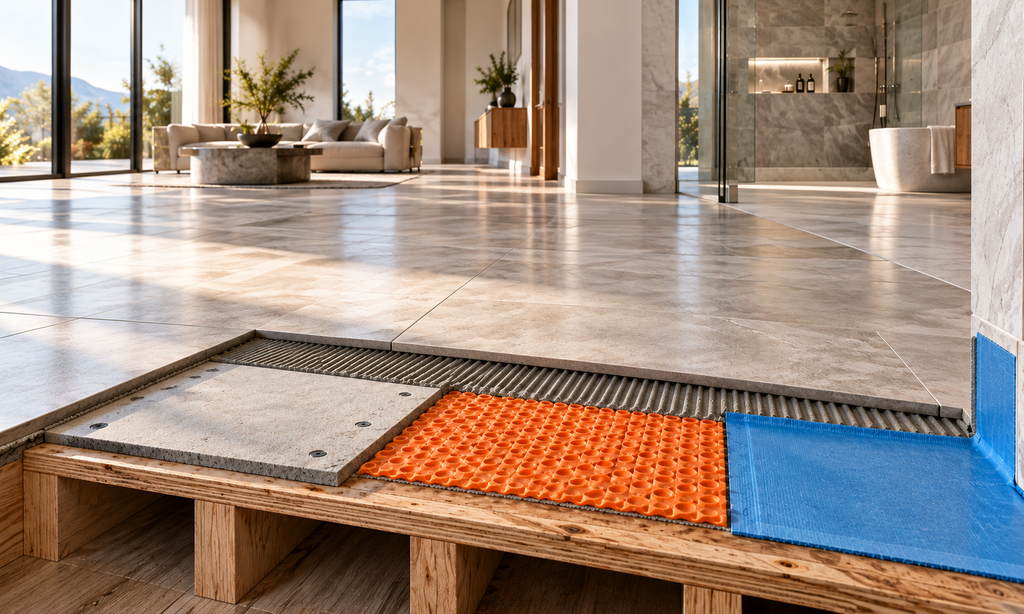
When installing shower tile, avoid placing the tiling material directly on the wall. Use mold-resistant backer board over regular drywall in wet areas. Next, a surface waterproofing membrane, in liquid or sheet form, should go over the cement backer board to prevent water from reaching the framing. Proper substrate preparation ensures tilework tolerates moisture without breaking down or supporting mold growth.
Ensuring proper slope and drainage is key to the question “how to prevent mold in shower?” When installing shower floor tile, make sure to have a gentle slope, typically a quarter-inch per foot, to guide water toward the drain. This helps prevent standing water, which otherwise can lead to mold growth over time.
Now that we have established that porous grout lines between shower wall tile are a hotspot for mold, the best move is to have them sealed at installation. A high-quality, mold-resistant grout sealer creates a protective barrier that prevents seepage. Reapplying grout sealer once or twice a year significantly reduces mold risk.
With all the humidity that collects in the bathroom, it helps to run the exhaust fan during showers and for at least 20 to 30 minutes after. If your fan is weak or outdated, upgrading to a higher-capacity model can make a dramatic difference in preventing mold.
Drying surfaces daily is another essential mold prevention tip. A simple squeegee used on walls after a shower removes most standing water. This one-minute routine can significantly reduce moisture levels enough to prevent mold growth entirely. Switching to mold-resistant caulk in corners and seams also helps. These products contain antimicrobial agents that inhibit mold growth even in damp conditions.
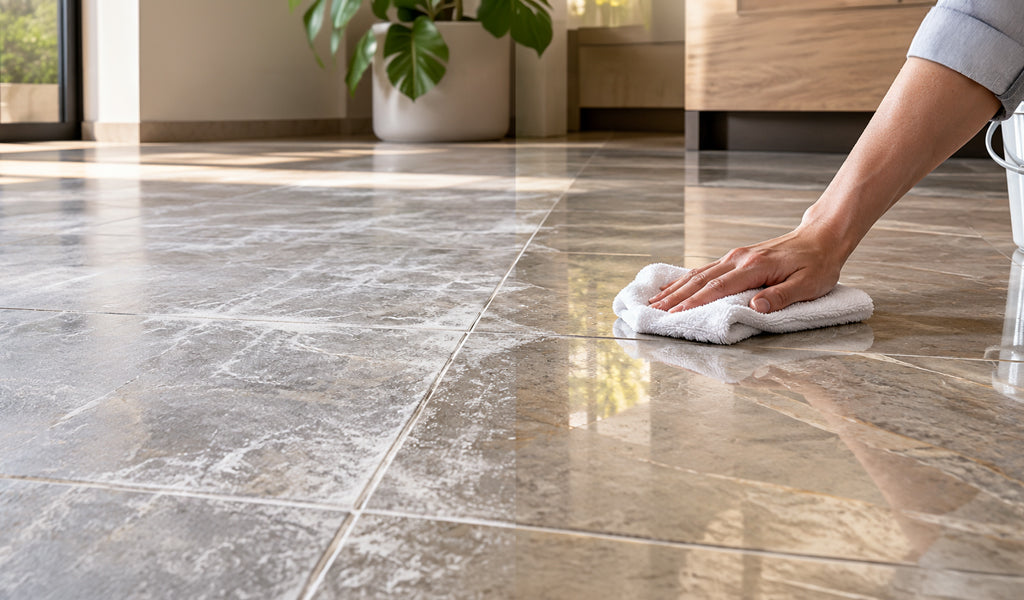
Finally, reduce clutter in the shower and stick to a consistent cleaning routine. Bottles, loofahs, and hanging accessories trap moisture and block airflow. Keeping surfaces clear allows everything to dry faster and discourages mold formation. Thorough deep cleaning of the bathroom at least once a week helps a great deal in preventing buildup from soap scum and other residues that contribute to mold growth.
Best Cleaning Solutions to Keep Your Shower Mold-Free

If you have a hunch that mold is growing between tiles, you'll want to clean it well before it has a chance to penetrate deeply into the grouting and other surfaces. Choosing the right cleaning products is crucial for both prevention and ongoing maintenance. Not all cleaners are equally effective against mold, and some can even worsen the problem over time.
White vinegar is a commonly recommended household cleaner suitable for some of the best tile for shower installation, including porcelain and ceramic. Its acidic nature kills many mold species and penetrates porous surfaces better than bleach. Spraying diluted white vinegar on tiles and grout once a week helps prevent mold regrowth.
Commercial mold-prevention sprays are a useful option for routine maintenance and ongoing protection. Many products contain antimicrobial agents that create an invisible barrier, making it harder for mold to return between cleanings.
Regardless of the product used, the most reliable way to prevent mold is to reduce excess moisture. Regular cleaning, adequate ventilation, and drying shower surfaces after use are essential steps in limiting growth.
How to Remove Existing Shower Mold Safely and Effectively

To clean and fully eradicate mold in the bathroom, begin by identifying the type of shower mold. This can be determined by the appearance and color of the stain, and the areas in which it is found. Surface mold typically shows up as black, green, or pink spots on grout, silicone caulk, or tile in a damp, poorly ventilated space. If mold keeps returning to the same spot and there’s a persistent, strong musty odor despite cleaning, it may indicate that moisture is trapped behind the wall or beneath the tile, which may require professional remediation.
Protective Equipment: Safety is important, since mold spores can become airborne during cleaning. Wear non-porous gloves, a breathing mask, and safety glasses to protect eyes from splashback while cleaning.
Bathroom Ventilation: Work in a well-ventilated room with open windows before getting rid of mold. You can add a working fan if mold coverage is extensive.
Removing Mold: To treat light to moderate mold yourself, mix white vinegar in a 50:50 ratio with water and spray directly onto affected areas. Let it sit for at least an hour to kill the mold at the root. Scrub gently with a tough-bristle brush, focusing on grout lines, and rinse thoroughly with clean water before drying the surface.
For stubborn mold embedded in grout, mix one part hydrogen peroxide with two parts baking soda. Apply to the affected area and scrub after sitting for about 20 minutes, then rinse thoroughly and dry completely. Commercial mold removers are also effective – just be sure to follow the manufacturer’s instructions carefully.
If caulk is heavily infested, removal may be the only option. Mold can grow behind caulk where cleaners cannot reach. Removing old caulk and replacing it with mold-resistant silicone will help to bring an end to the fungal infestation.
 Pro Tip:
Steer clear of harsh chemicals or abrasive cleaners, as they can wear down tile and grout over time. Never mix cleaning products, especially bleach and ammonia, as this can result in harmful fumes. Sticking to gentle, effective solutions will help keep your shower clean while preserving its durability.
Long-Term Maintenance Tips to Stop Shower Mold for Good
Consistency is key to long-term mold prevention. Establishing daily and weekly habits makes a bigger impact than relying on occasional deep cleaning alone.
-
Improve ventilation and make drying the shower a routine. Mold thrives in moisture, warmth, and organic material. Even with the best shower tile installation, make sure to squeegee and wipe surfaces to minimize moisture retention.
-
Don’t just rely on occasional deep cleaning. A quick weekly spray with vinegar or a mold-prevention cleaner is a good practice to eliminate buildup and reduce the need for aggressive scrubbing later.
-
Inspect grout and caulk periodically for cracks or discoloration. Old grout can trap moisture, where mold can spread unnoticed if left unaddressed. If deteriorating tile joints need to be filled with new grout, follow our guide on how to regrout shower tile.
Mold-Resistant Upgrades That Reduce Cleaning and Prevent Regrowth

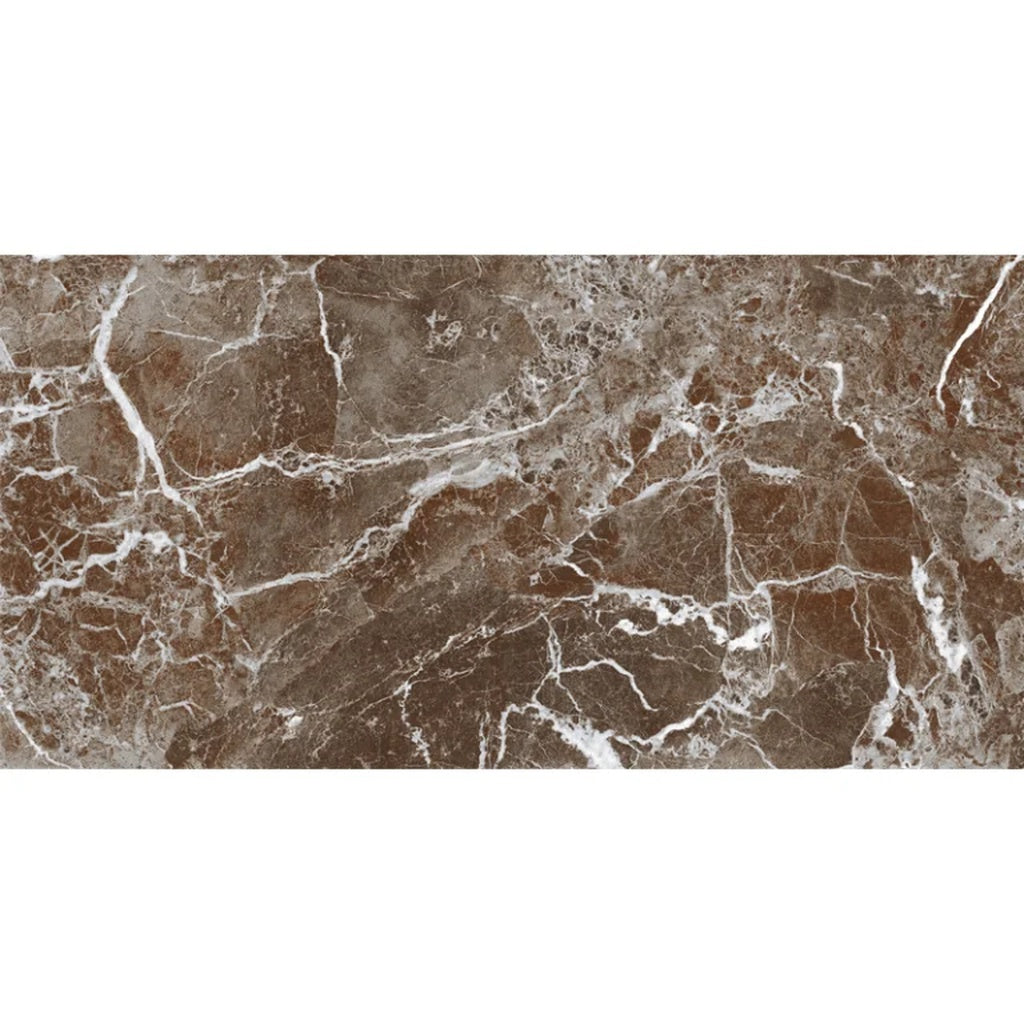
If you are tired of constant upkeep, mold-resistant upgrades can dramatically reduce future problems. Epoxy grout is one of the best investments for mold prevention. Unlike traditional cement-based grout, it is non-porous and highly resistant to moisture and stains. Mold has little to no surface to grow on.
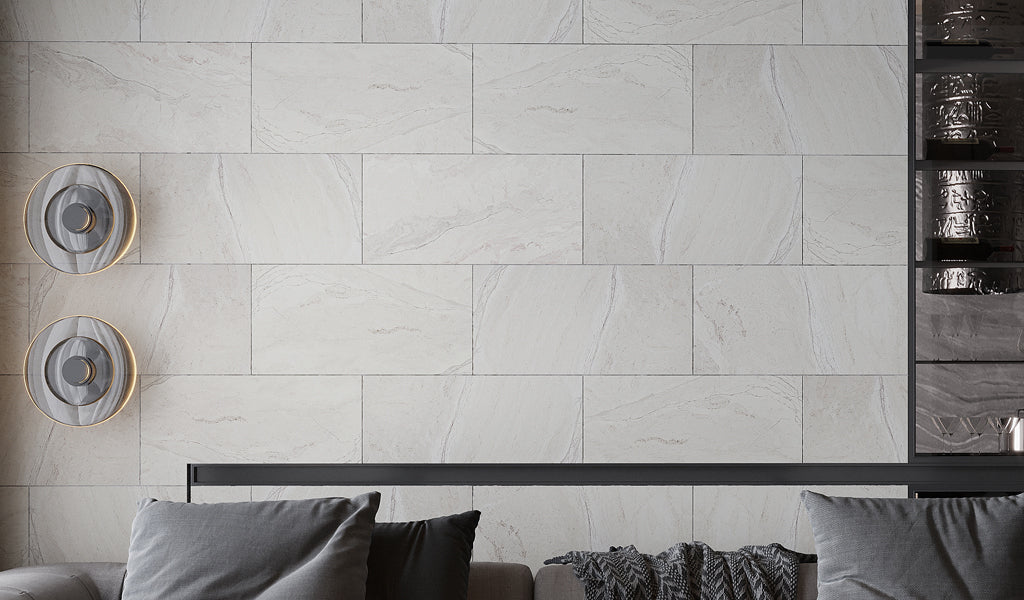
1. Large-format tiles, such as our Rosso Levanto 24x48 Matte Porcelain Large Tile, reduce the amount of grout, minimizing mold-prone areas. Fewer grout lines mean easier cleaning and less maintenance.
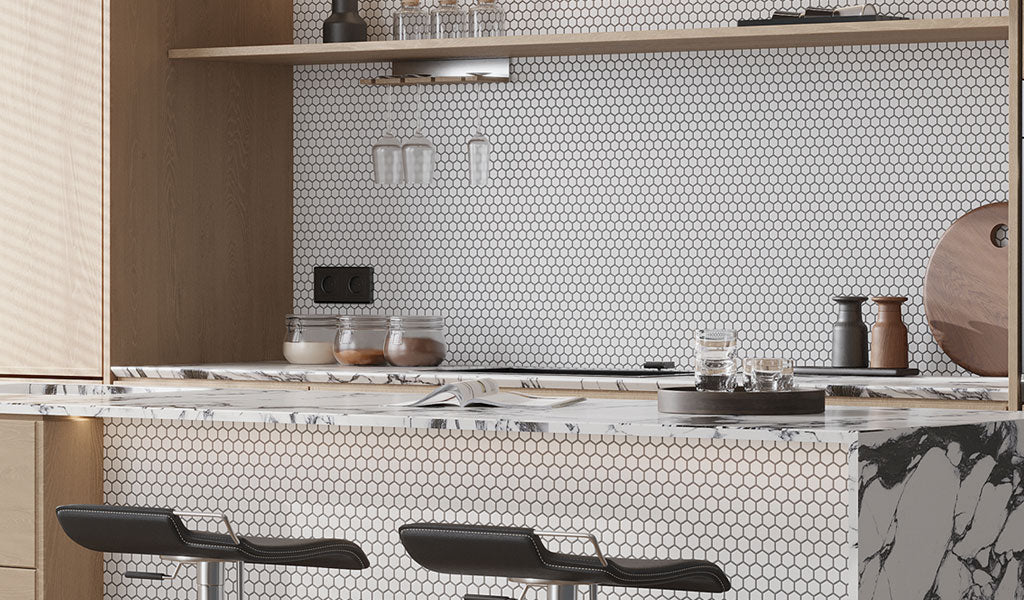
2. Mosaics, such as our White Gray 11x11 Polished Marble Pebble Mosaic Tile, are the best type of tile for shower floors. Their smaller size and increased grout lines conform better to the shower floor’s pitch, promoting efficient drainage and reducing standing water that can lead to mold growth.
3. Upgrading ventilation systems is another high-impact improvement that keeps the air moving and the bathroom drier and fresher. Modern exhaust fans equipped with humidity sensors turn on automatically when moisture levels rise, ensuring consistent moisture control.
4. In more severe cases, replacing old tile or poorly installed waterproofing may be necessary. Installing a proper waterproof membrane behind shower tiles prevents hidden moisture buildup that may lead to persistent mold issues.
When to Call a Professional for Mold Treatment
In the worst-case scenario, if aggressive mold begins to spread uncontrollably, you might need to call in an expert for removal.
- If mold covers a large area (exceeds roughly 10 square feet) or reoccurs at the same spot despite repeated cleaning, it may indicate a deeper moisture issue behind walls or under tiles. Enlisting a professional can help identify the root cause.
- Lingering musty odors often signal mold growth in places you cannot see, and for which surface cleaning alone will not solve. Professionals use moisture meters and thermal imaging to locate hidden mold sources.
- Worsening allergies, asthma, or respiratory symptoms require prompt specialized cleaning and containment procedures to eliminate mold at its source.
- Contractors can also assess whether improper waterproofing, plumbing leaks, or ventilation issues are contributing to the problem and provide long-term solutions instead of temporary fixes.
Conclusion
Mold in the shower is not just a cleaning issue; it can be a sign of a concealed moisture problem that creates an environment where this stain-causing fungus thrives. By understanding its formation and removal, and learning how to prevent mold in shower environments, you can bring an end to infestation. Daily drying, proper ventilation, and effective cleaning solutions work together to keep your bath space immaculate, healthy, and mold-free. With these simple habits in place, you can finally enjoy a bathroom that stays fresh without the endless hassle of scrubbing.
If you're looking for more blog posts like this, have a read: How to Clean Grout in the Shower and How to Clean Marble Floors.
Frequently Asked Questions
1. What is the main cause of mold in the shower?
2. What is the best grout to prevent mold?
3. Why does mold grow back even after cleaning?
4. When should I replace moldy grout?
5. How can I improve bathroom airflow to reduce mold?
6. Does using hot showers increase mold growth?
7. Can I prevent mold by switching to large tiles?
Installing large format tile is an effective way to prevent mold, thanks to fewer grout lines. With minimal grout, there are fewer porous areas for water to seep in, making walls and floors more resistant to mold and easier to clean.