

Marble vs Porcelain Tile - Confused? I Can Help You Pick
Mar 02, 2026 12 minute readTimeless, elegant, and long associated with luxury since ancient times, marble tile is a familiar presence in our daily lives. Then there’s porcelain tile, emerging as a material of choice for modern interiors, thanks to the rise of large formats that replicate natural surfaces with surprising realism. But how does it compare to genuine marble stone? When choosing between marble vs porcelain tile, understanding their differences in cost, durability, maintenance, lifespan, and overall performance will help you navigate your options effectively.
Key Takeaways
- Marble tile possesses unrivalled beauty that makes each piece unique, while porcelain tile can mimic the luxury appearance of natural materials.
- Porcelain requires less upkeep than marble because of its low porosity and resistance to stains and scratches, so less time is spent on sealing and protecting wall and floor surfaces.
Marble vs Porcelain Tile: Key Differences Explained
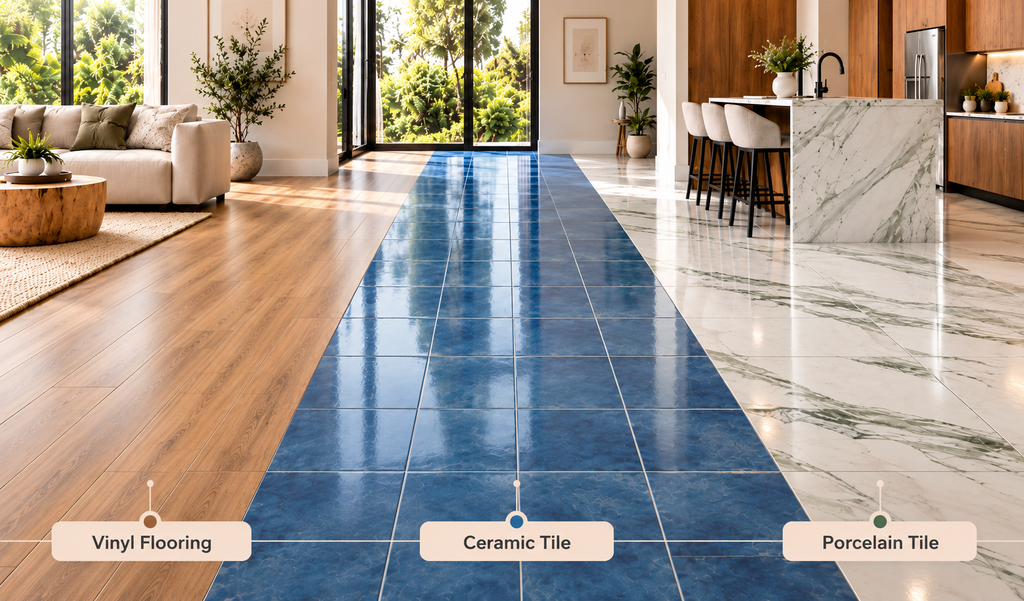
When comparing porcelain vs marble, it is essential to distinguish between a natural product of the earth and a man-made tiling solution. The difference in origin influences everything from appearance and performance to cost and maintenance.
Understanding Marble Tile
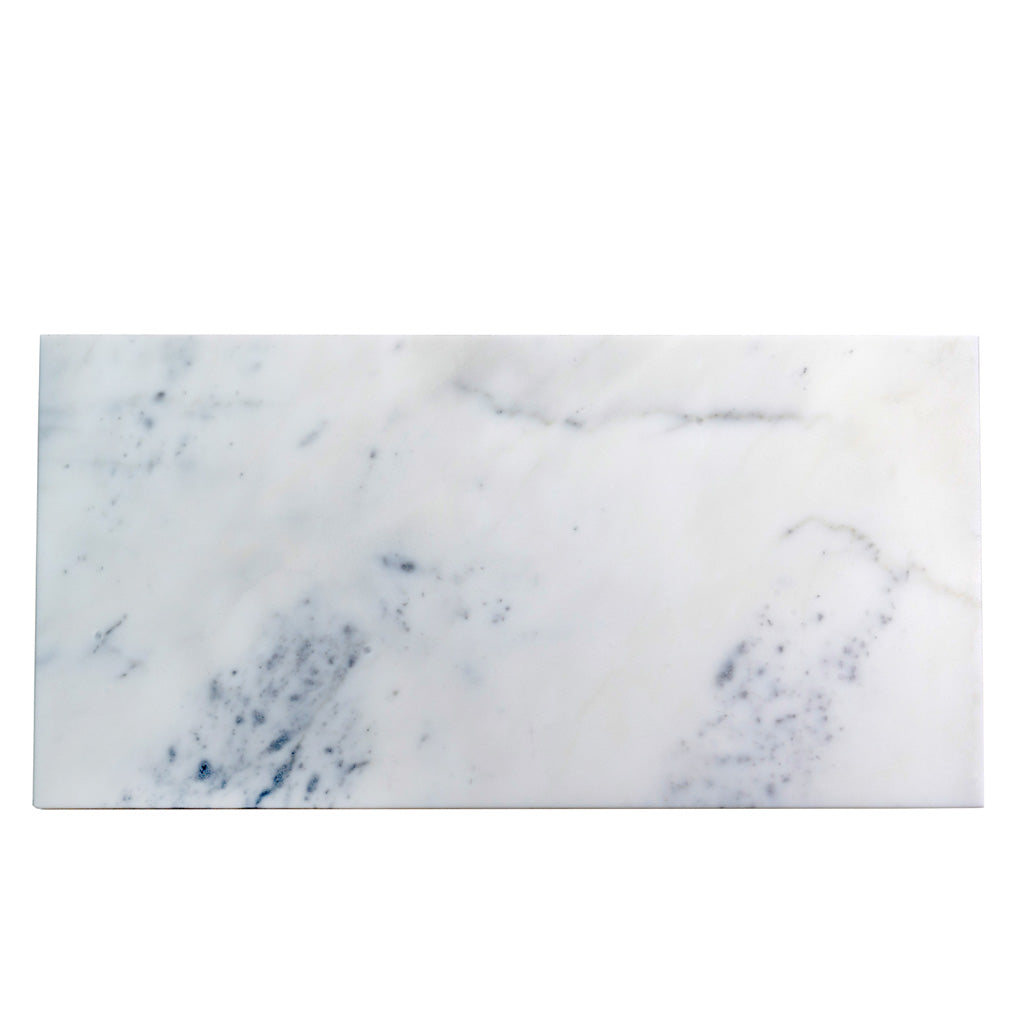
Marble is a natural metamorphic stone formed over time under intense heat and pressure. It’s renowned for its uniqueness, punctuated by swirling veins that make each piece a one-of-a-kind. This individuality imparts a level of exclusivity to indoor and outdoor spaces. To make marble tiles, large slabs are sized and cut, then polished and finished to achieve a uniform surface and thickness. While traditionally seen in bathrooms and kitchens, today, marble tile brings that old-world grandeur to entryways, living rooms, patios, gardens, and beyond.
Marble stone varieties are distinguished by color and veining pattern. Popular options include Carrara (white with soft blue-gray veins), Marquina (black with white or gold veins), Crema Marfil (beige and cream tones), Emperador (rich brown shades), Verde Alpi (darker green with lighter veins), and Calacatta tile (white with bold gray, amber, or gold veins).
While revered for its natural elegance, marble is also a softer and more porous stone, requiring attentive care to preserve its charm. This is especially important in wet environments like bathrooms, where moisture and humidity can lead to staining, etching, and deterioration over time. However, properly maintained marble wall and floor surfaces can withstand the test of time, becoming even more captivating as they age.
Understanding Porcelain Tile
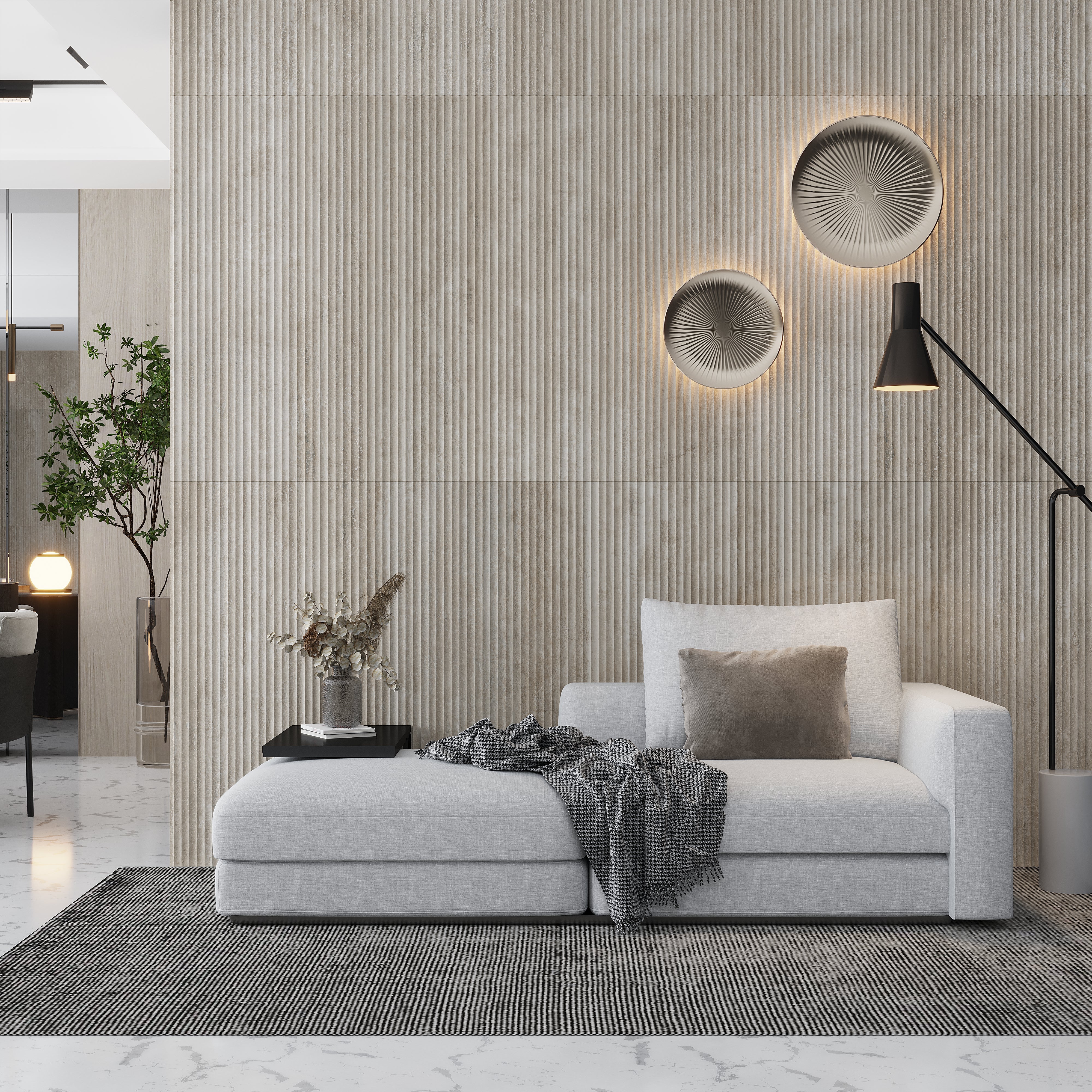
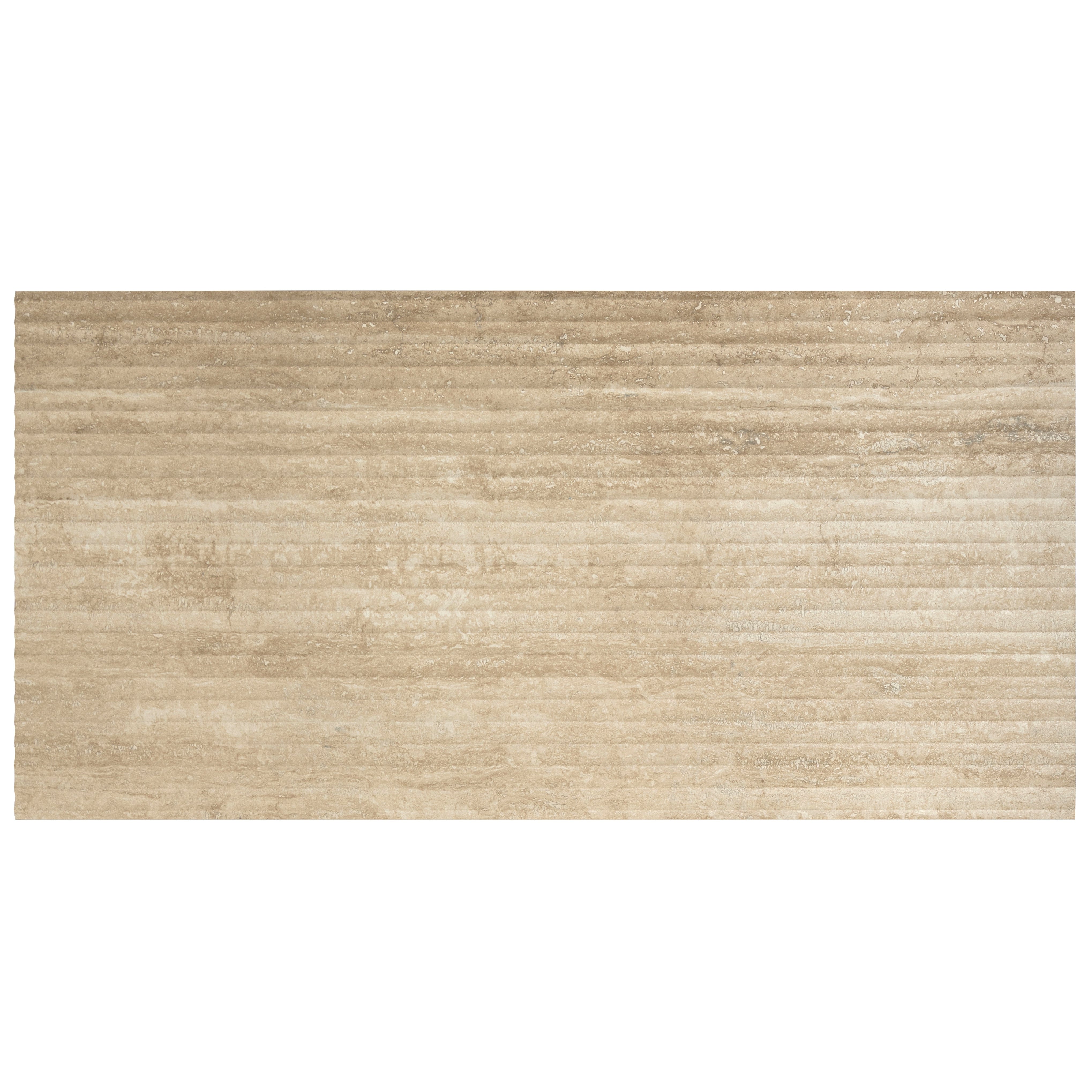
Porcelain tile is the go-to for durable, no-fuss wall and floor surfaces that handle spills and bustling footsteps like a pro. Its manufacturing process, done through refined clay and extremely high-temperature firing, develops a denser, harder, and non-porous body. Additionally, porcelain can be mechanically trimmed to precise, uniform edges post-firing, creating what’s known as rectified tile. Through-body porcelain tile is another variety, offering consistent color and texture, where the interior matches the surface, and any chips and scratches that may occur remain far less visible.
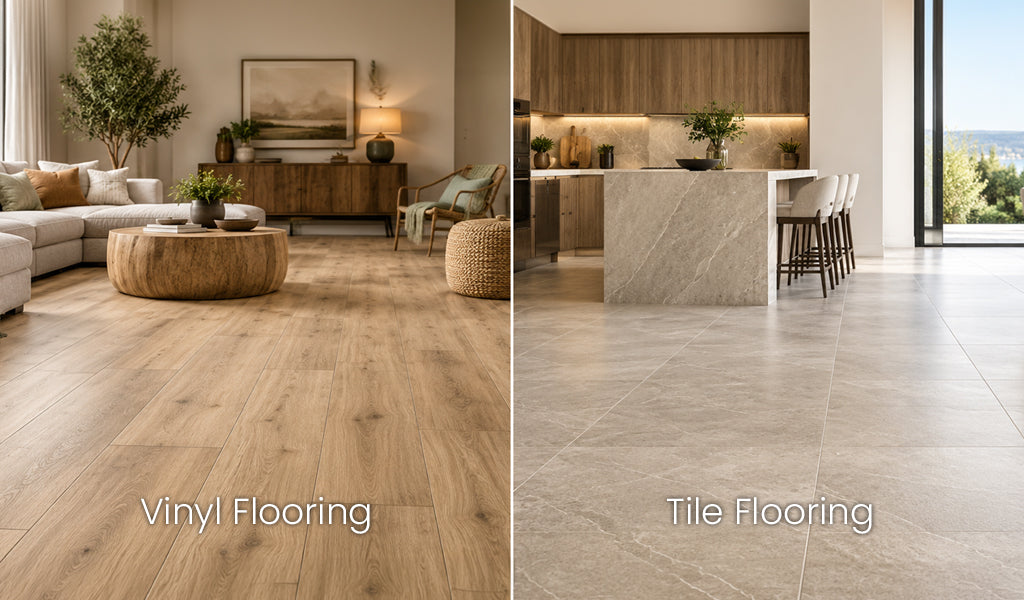
With the help of printing innovations, porcelain flooring can mimic the visual richness of other natural materials so closely that it’s often hard to tell them apart, including terrazzo, hardwood, and marble. As for finishes, it can be polished to a glossy sheen, left matte for a modern look, or textured for a rustic, earthy appeal. With versatility this good, porcelain tiles work with all sorts of interior styles, be it traditional, modern, or contemporary.
Porcelain’s technical properties give it an edge. It is incredibly robust, impermeable, stain-resistant, does not easily scratch or dent, and withstands heavy foot traffic without showing signs of wear. Qualities that make it ideal not just for bathrooms and kitchens, but also for patios, pool surrounds, and garden walkways. A major perk? There’s no need to provide regular sealing to porcelain surfaces.
Cost Comparison: Marble Tile vs Porcelain Tile Prices
Now that we’ve touched base on porcelain tile vs marble tile, let’s look at how they compare in cost. Of the two materials, porcelain tends to be a more affordable luxury both upfront and over time. Prices range from $5 to $15 per square foot, but can go up to $20 to $30 per square foot with professional labor. If you’re after a high-end finish without the eye-watering price, porcelain offers excellent value. Learn more from our comprehensive guide: Porcelain Tile Installation Cost.

The quality and origins of marble, particularly the exotic varieties, affect its cost. Its rarity, complex quarrying process, and ongoing upkeep give it a slightly higher price tag. Standard tiles often cost $8 to $30 per square foot, while high-end or rare marble can reach $50 to $200 per square foot. Plus, wall and floor covering needs highly specialized installation due to the stone's fragility, as well as professional restoration over time, adding to the overall cost.
Both tiling materials are considered premium, but ultimately, the porcelain vs marble cost will largely depend on tile type, subfloor preparation, labor, and complexity of the project.
Durability and Lifespan: Which Tile Lasts Longer?
The debate over marble vs porcelain tile durability and lifespan is an age-old discussion that piques the curiosity of homeowners looking to elevate their living spaces. Whether you’re upgrading the bathroom, kitchen, or entire home, surfaces that hold up well are a must.
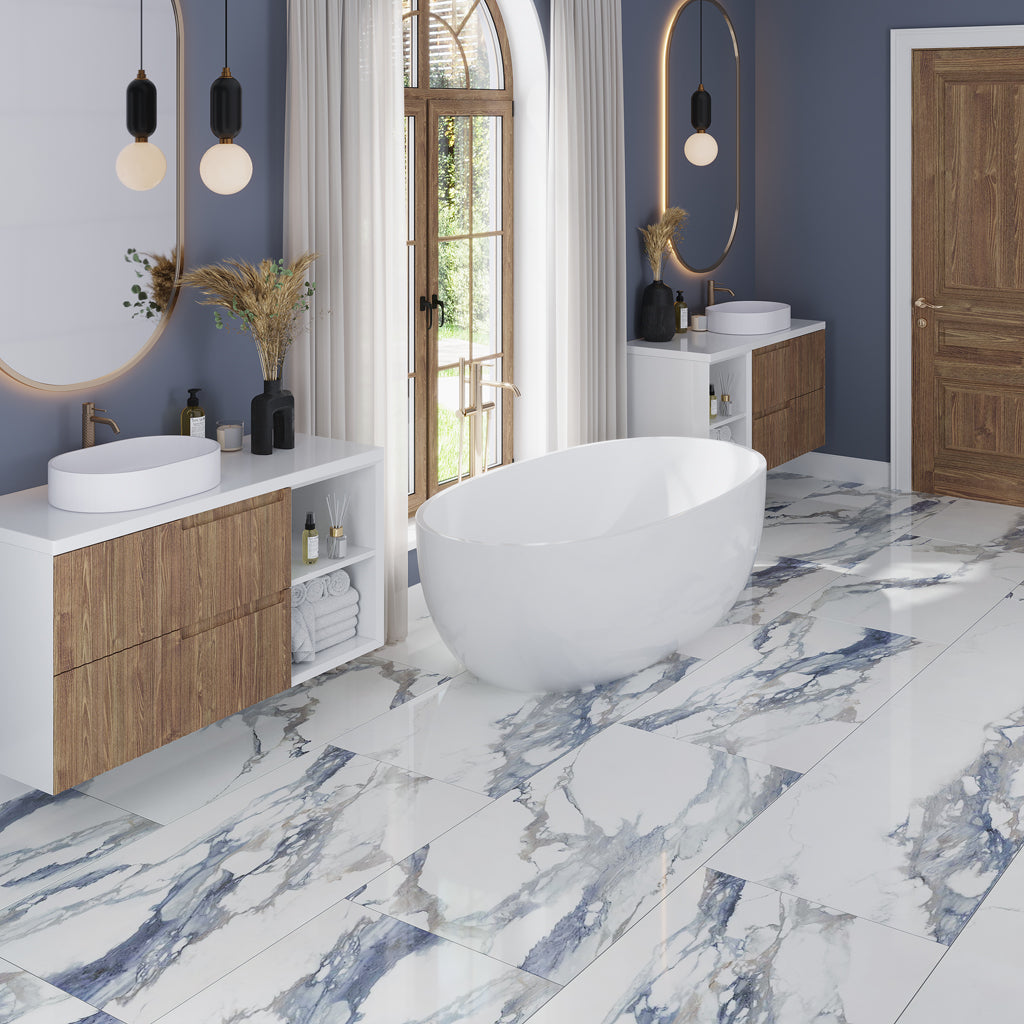
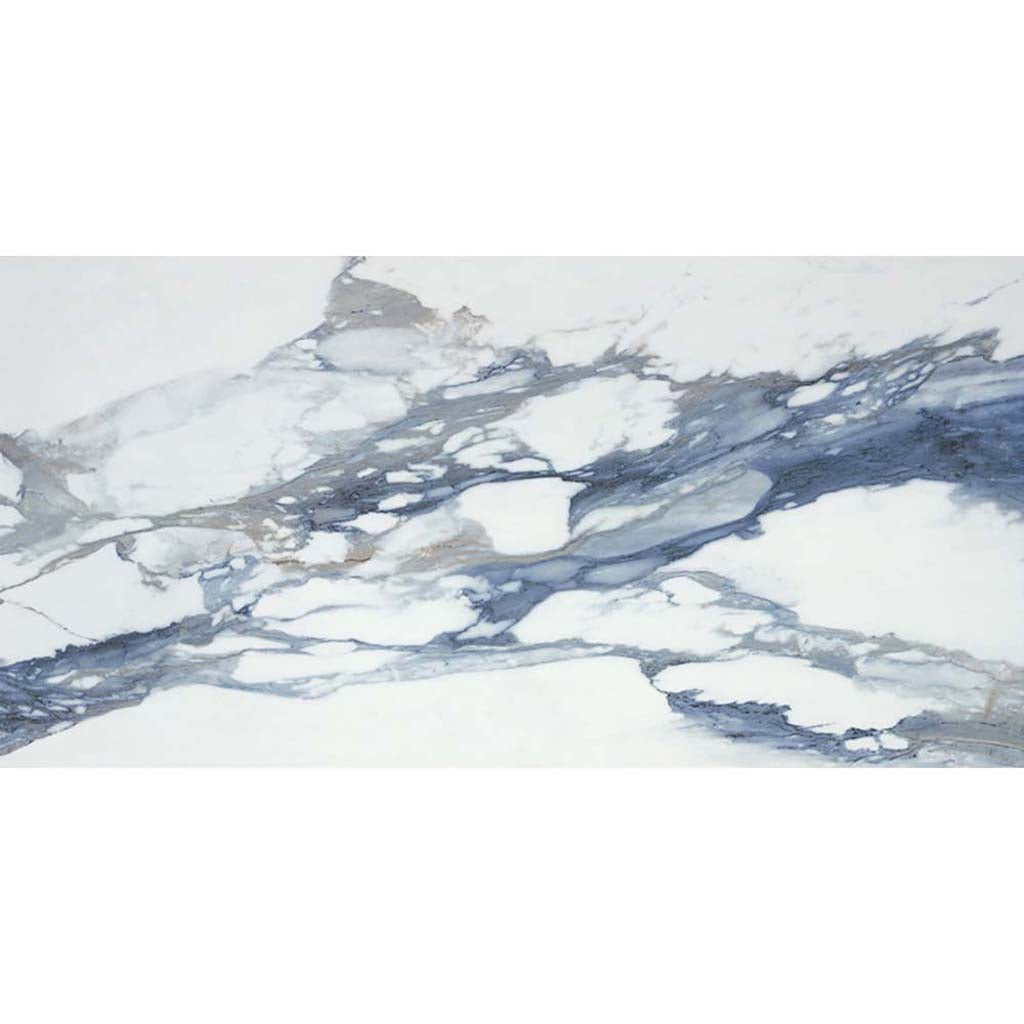
Marble, be it Calacatta, Carrara, or Thassos tile, is susceptible to surface imperfections over time, including scratches from abrasive tools and stains from acidic substances like citrus juices, vinegar, or wine. Its porous surface can absorb liquids when walls and floors aren’t sealed properly or at all. For this reason, careful handling during cleaning and regular sealing are essential to preserve its appearance. While marble tiles require extra care to maintain a pristine appearance, they are undoubtedly durable and can last 25 to 50 years.
In most instances, porcelain outshines marble in durability and strength. Its dense, non-porous nature offers excellent resistance to etching, staining, and water absorption. On top of that, it is highly resistant to scratches, even with daily wear and tear. When properly installed and cared for, porcelain flooring can last up to 50 to 75 years (though 100 years is not unheard of).
Maintenance for Marble and Porcelain Tile
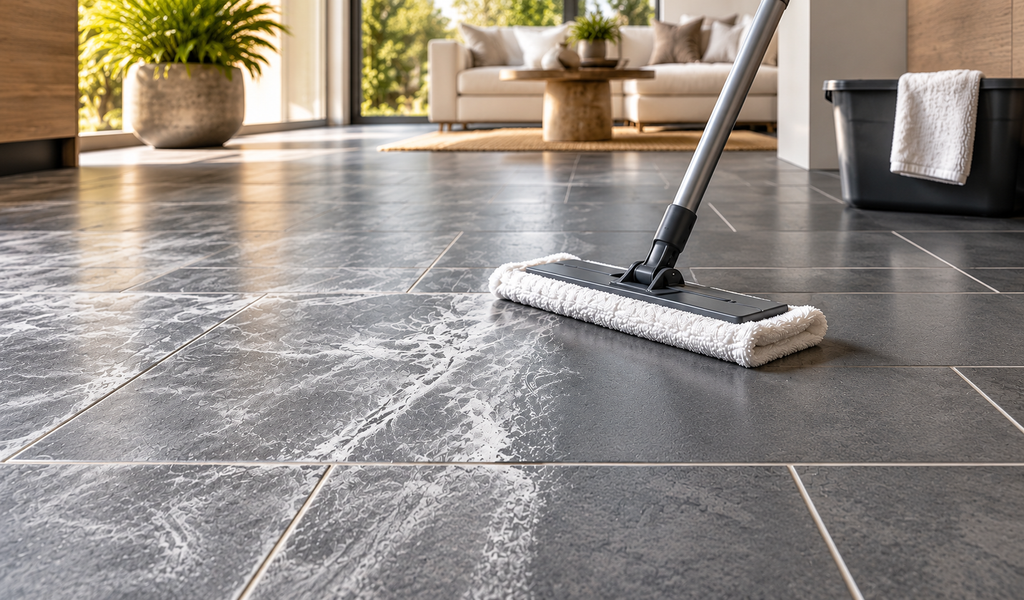
So, what’s the comparison between marble tile vs porcelain tile maintenance? As mentioned above, porcelain is easier to clean and can be kept pristine with routine sweeping or mopping with everyday products. If convenience is a top priority, hassle-free porcelain walls and floors win hands down.

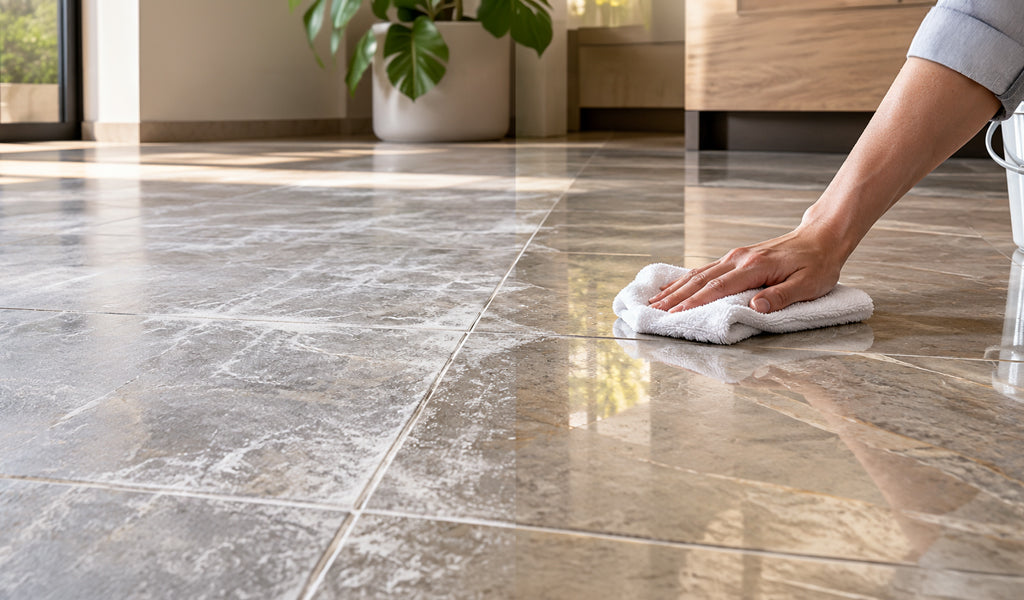
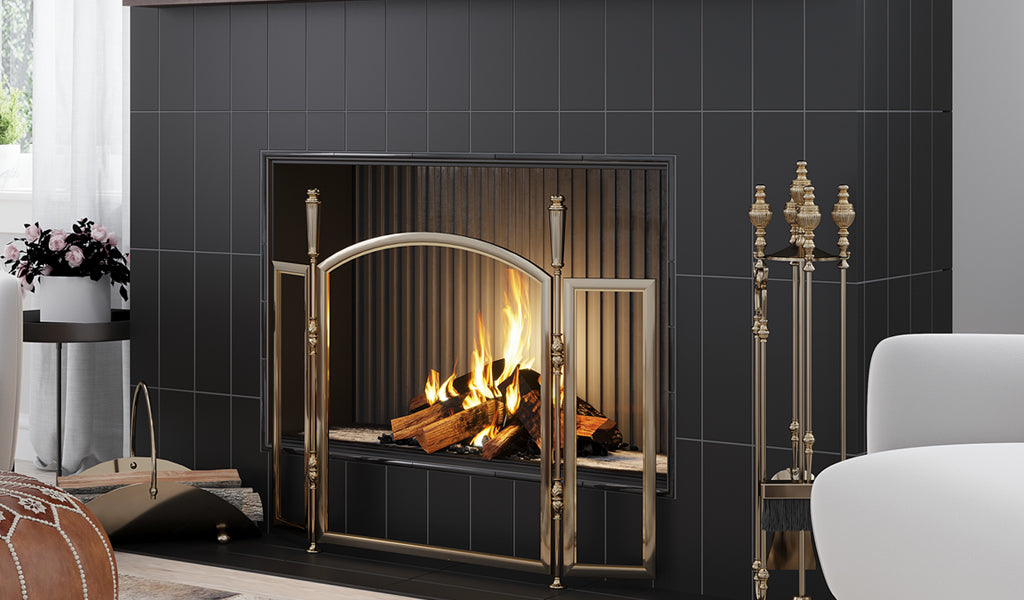
In contrast, marble surfaces call for a bit more diligence. They should be sealed every 6–12 months and polished using a specialist cleaner to retain their luster and prevent scratches and stains. Cleaners for backsplash, floor, and fireplace tile must be pH-neutral, and spills should be wiped promptly to avoid etching. For homeowners who don’t mind the extra consistent care over the lifespan of the product for the sake of luxury, installing marble is a worthwhile trade-off.
Installation for Marble and Porcelain Tiles

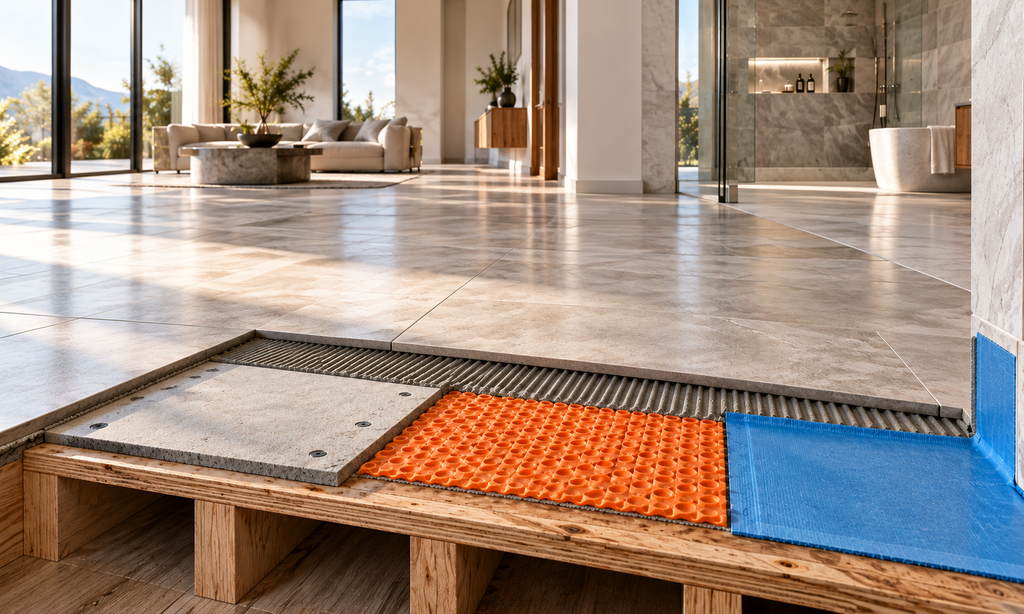
Although porcelain tile is heavy and requires precise cutting, its consistency in color and pattern provides a more predictable and often less costly installation. Plus, it can adhere to a variety of substrates, including concrete, cement board, and wooden subfloor. While many experienced DIYers may feel confident tackling a project, finding the right tile installer is still recommended to ensure the best overall results.
In comparison, marble tile installation tends to be more labor-intensive. That’s because it varies greatly in veining and should be dry-laid before applying the adhesive to get a visually aligned pattern throughout the design. Like most natural stones, it is delicate and heavy, requiring careful handling and a higher level of skill to guard against damage. The most common substrate suitable for marble flooring is concrete or cement board.
Design and Style Options: Marble vs Porcelain Tile
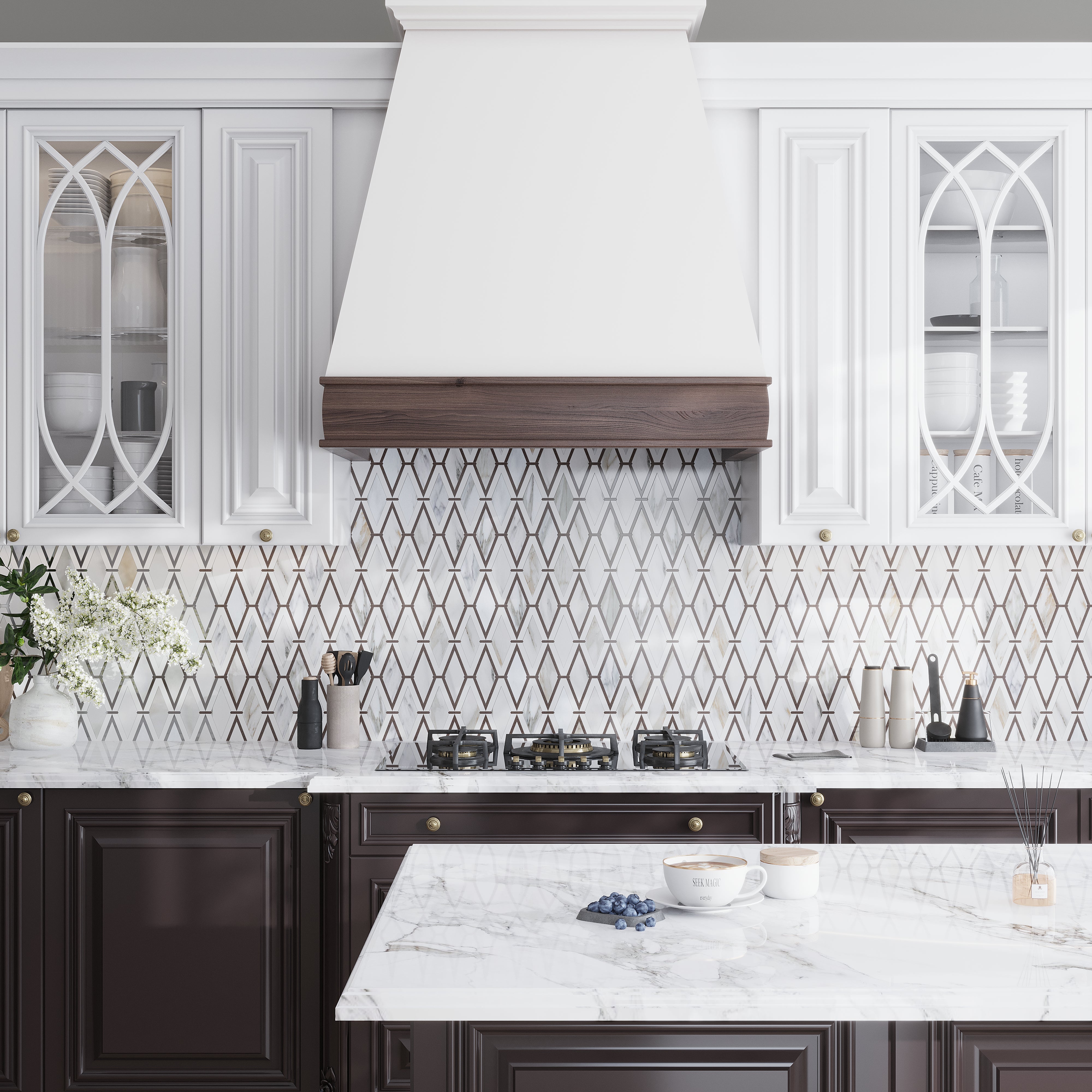
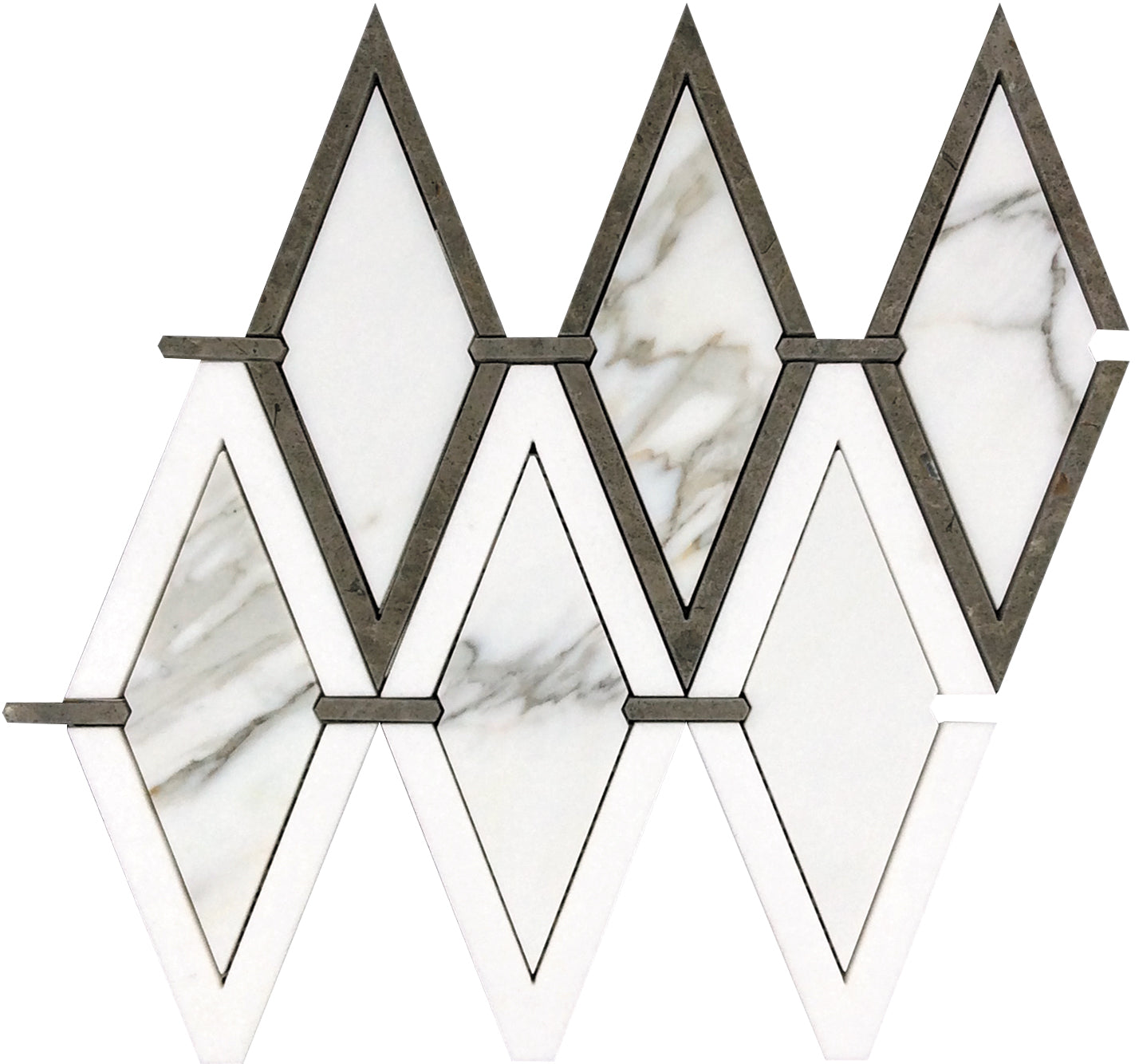
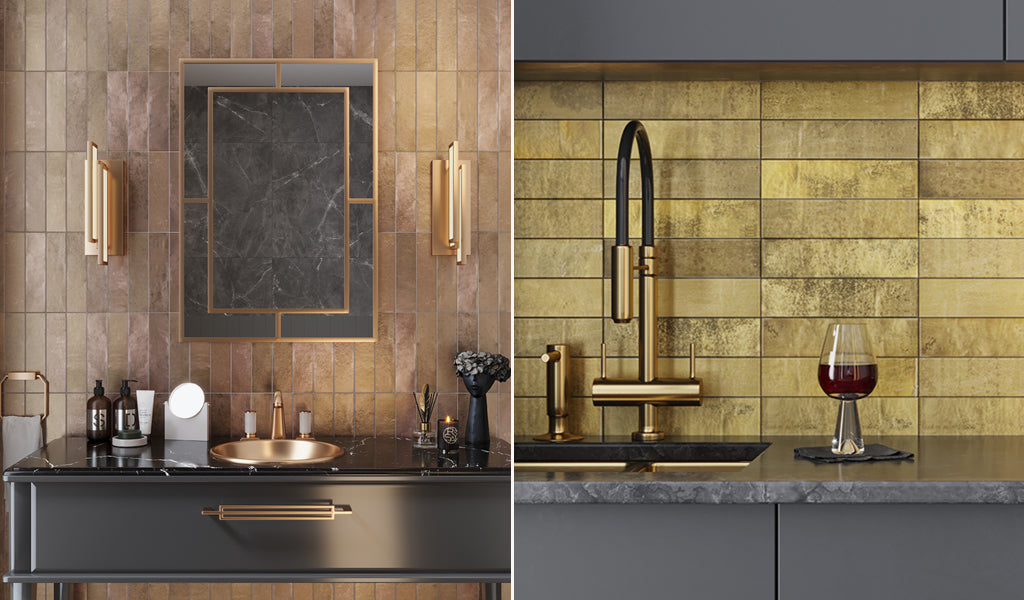
Marble tile captivates with its unique, luxurious appearance, and can be found in a variety of finishes that lend a distinct look and feel, including polished, honed, and textured. Its splendor comes in different forms: large formats like Eastern Black 12x24 Polished Rectangle, Brick Marble Large Format Tile and intricate mosaics like White Gray 10x13 Polished Diamond Calacatta, Thassos, Lagos Azul Mosaic Tile. Marble subway tiles are yet another coveted choice, with options such as White 4x16 Honed Subway Bianco Carrara Marble Tile introducing an exquisite touch indoors and outdoors.
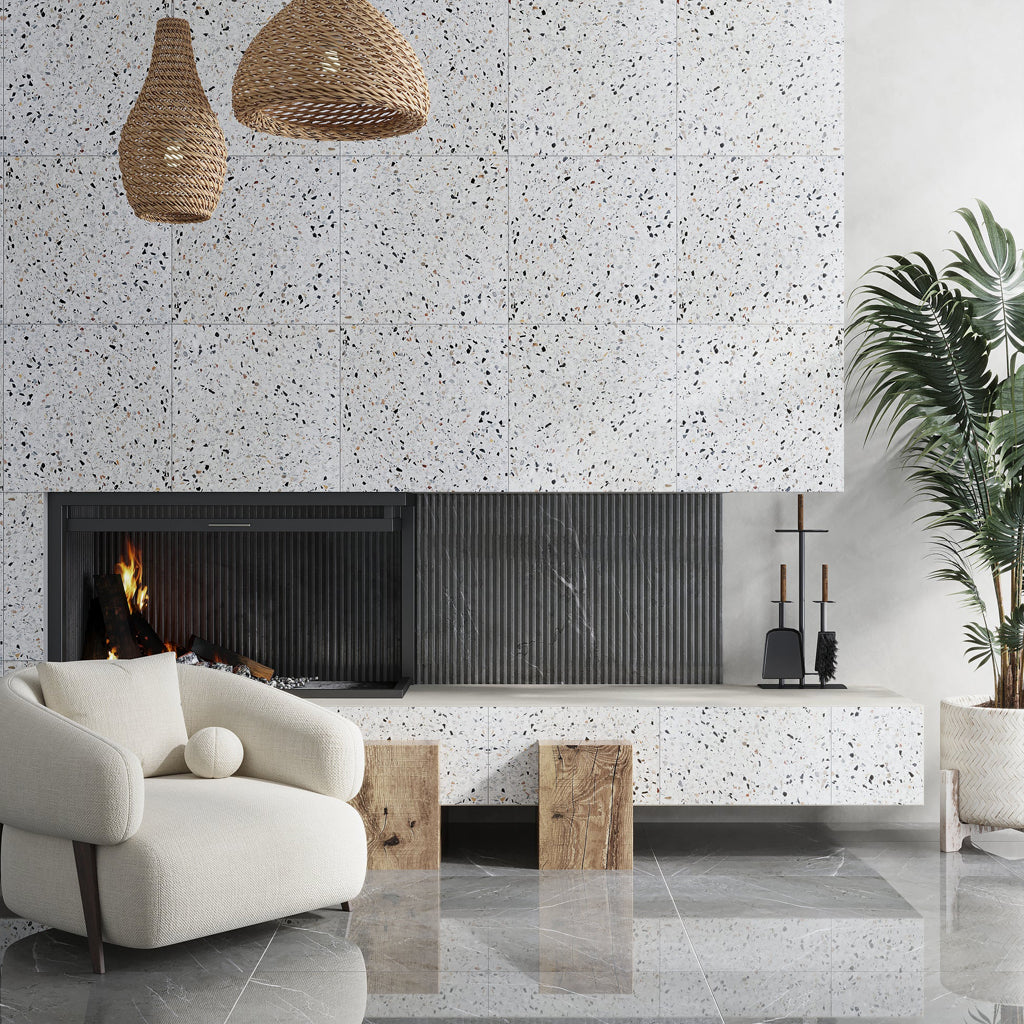
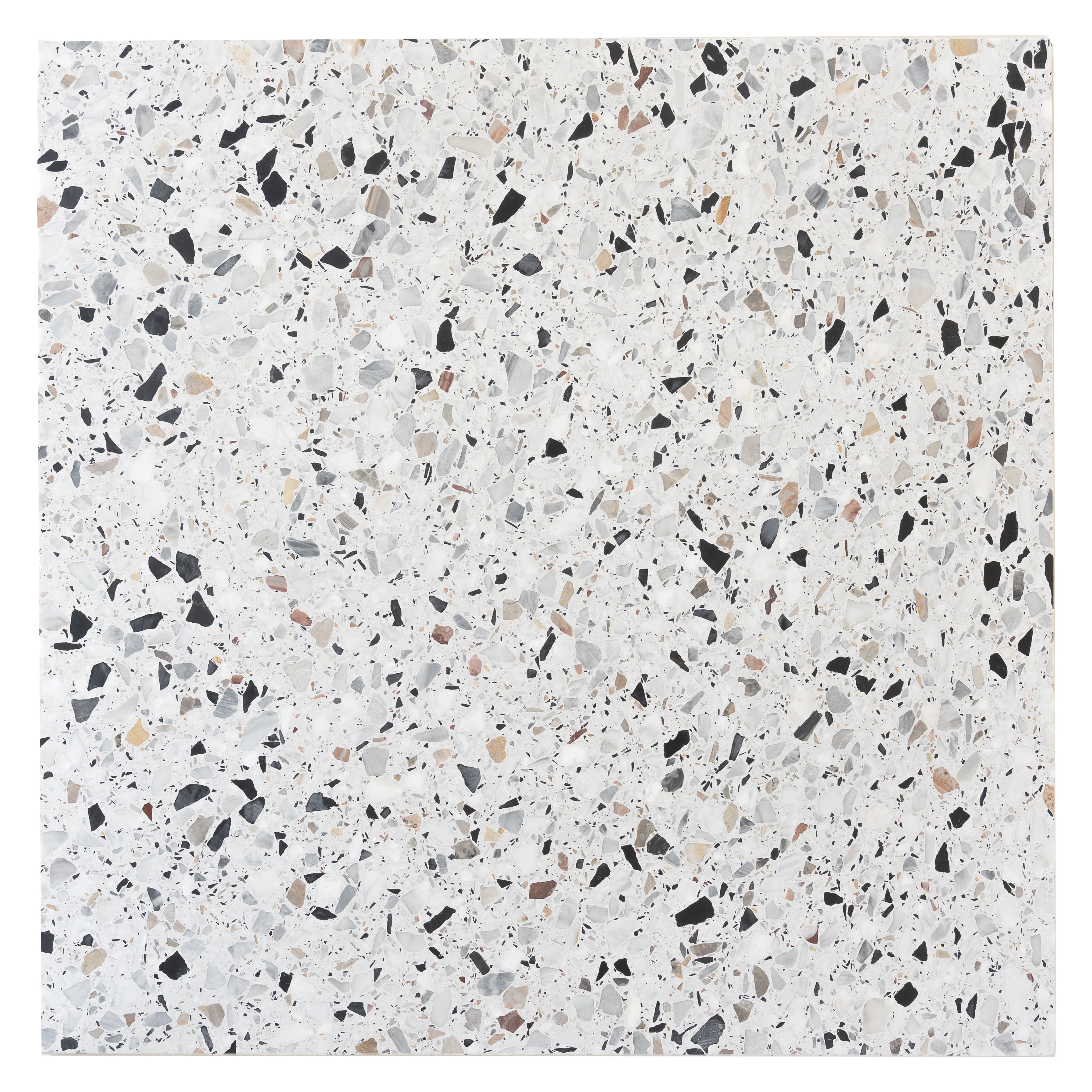
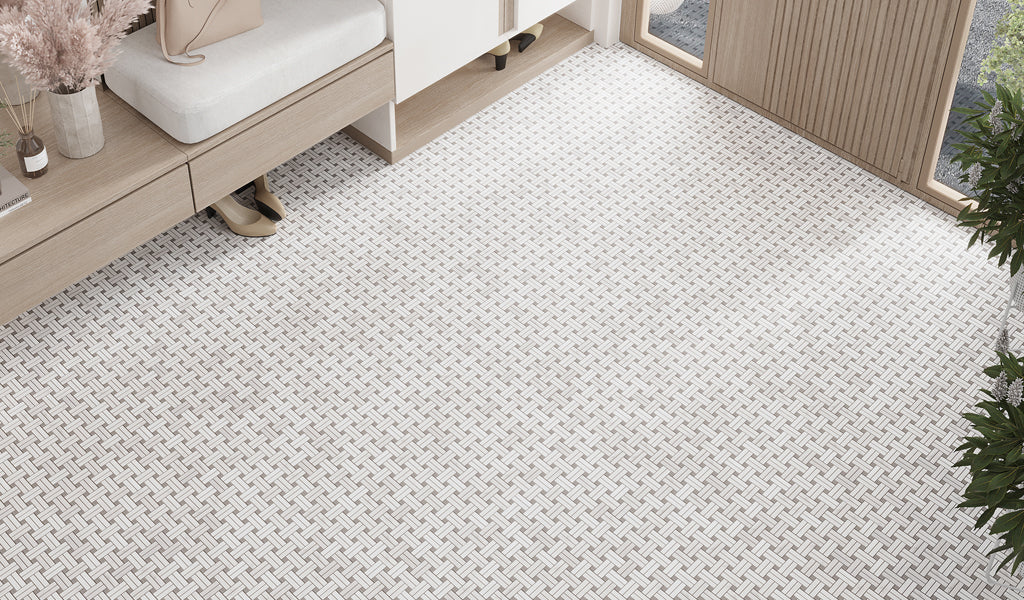
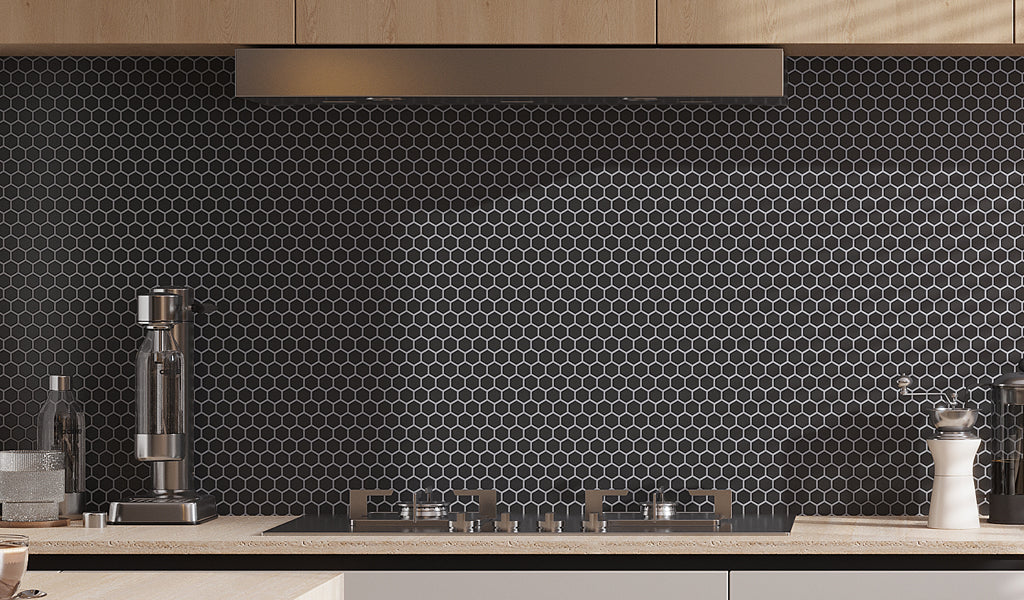
Porcelain tile, too, offers greater versatility in style. It can replicate the look of marble, wood, terrazzo, terracotta, linen, Moroccan Zellige, and more, giving designers and homeowners access to a plethora of designs without the high cost and upkeep. Furthermore, porcelain stoneware is available in various forms, including larger formats measuring 12x48, 18x36, and 24x48 inches, as well as dainty mosaics in penny, square, basketweave, and hexagon. A few examples include Terracotta 3x19 Matte Picket Porcelain Tile, White 24x24 Honed Terrazzo Large Tile, and Beige, Brown 12x12 Matte Gres Porcelain Basketweave Mosaic Tile.
Marble-Look Porcelain Tiles: Affordable Luxury
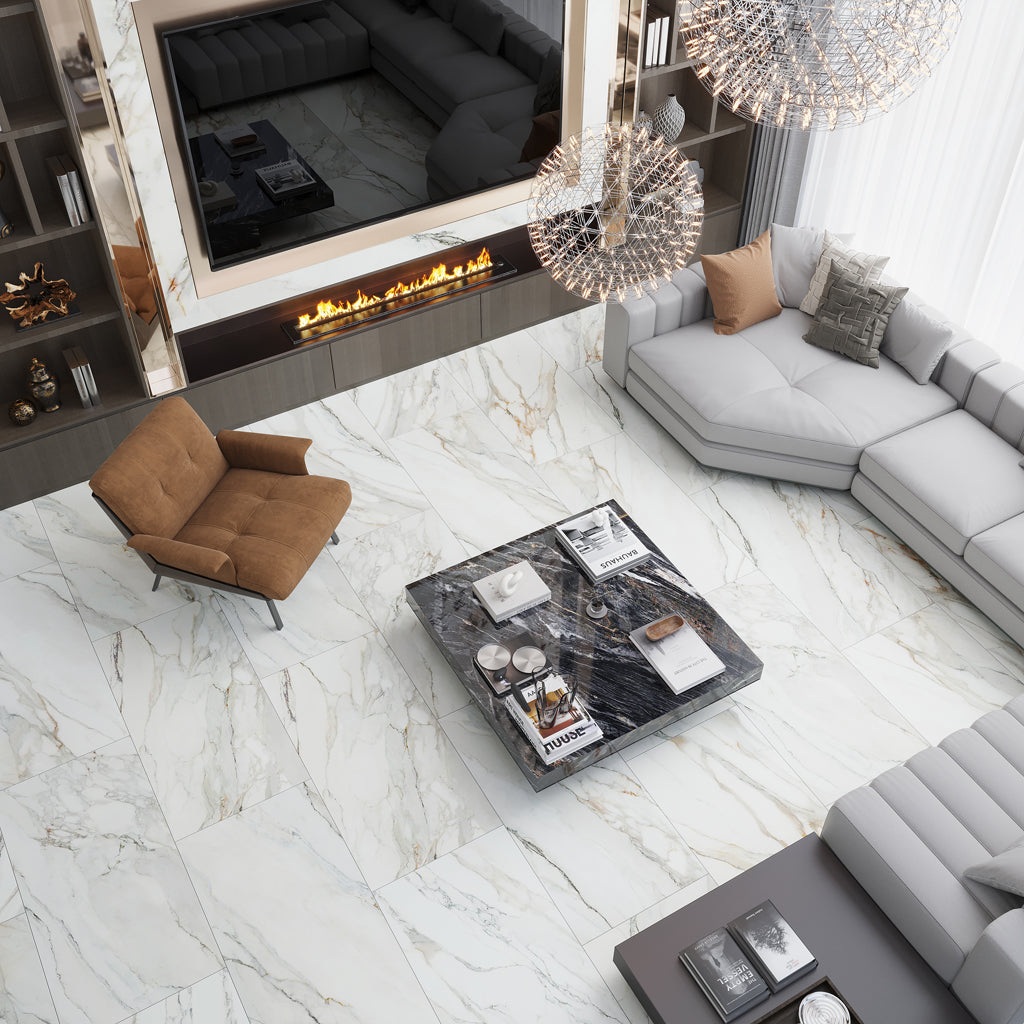
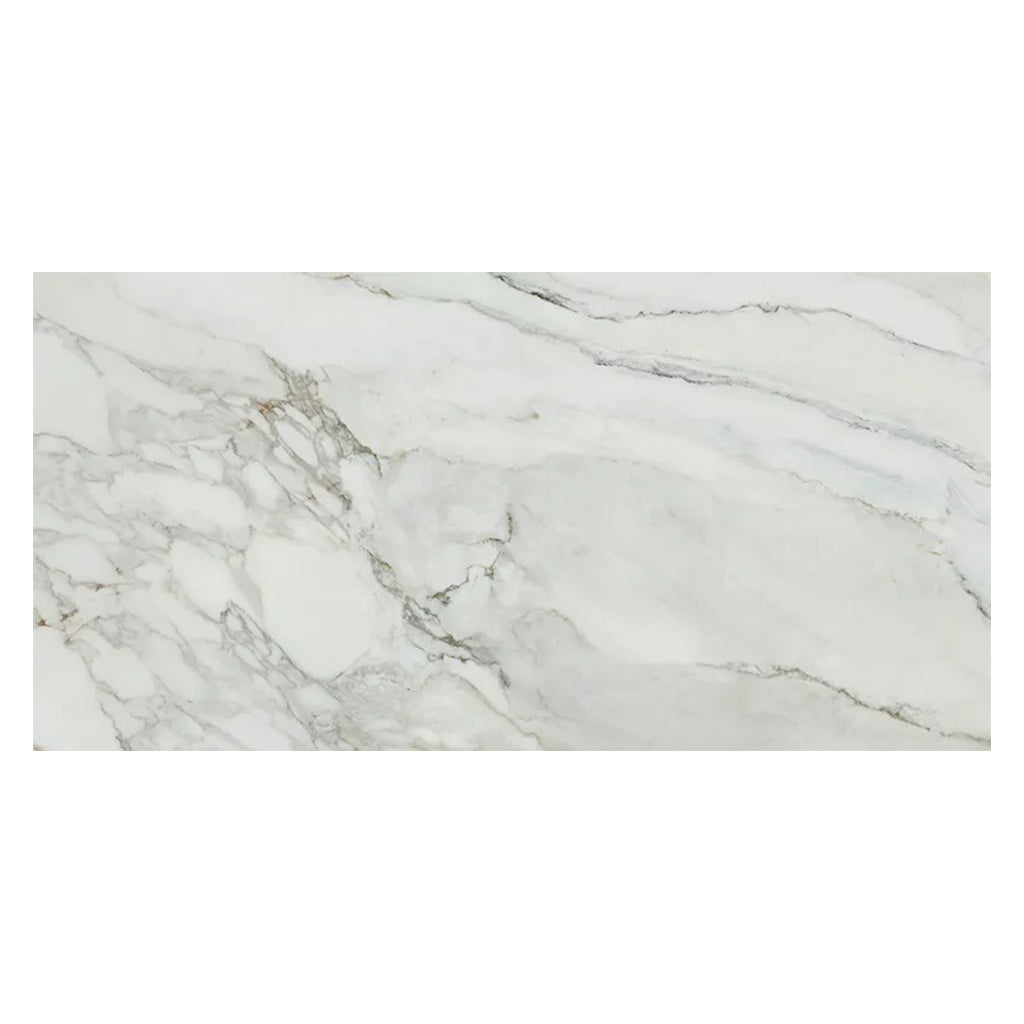
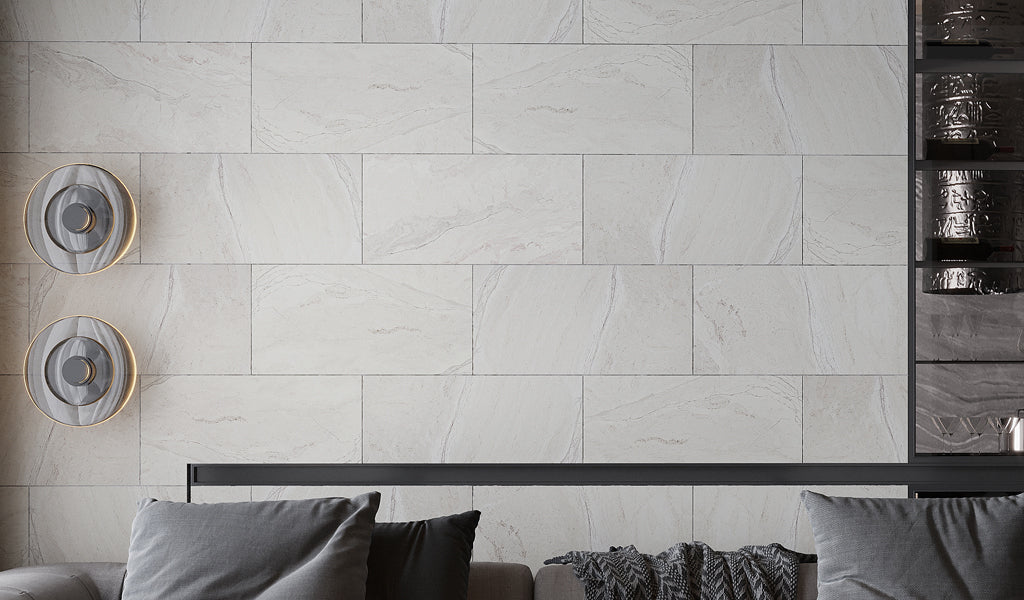
There’s no discussing porcelain vs marble without mentioning marble look tile. Made from porcelain to mimic the color variations and veining of genuine marble so convincingly, these wall and floor coverings are especially appealing because of their adaptability across a wide range of environments. They make for an exceptionally hard-wearing flooring in high-traffic areas without marking, thanks to porcelain’s resistance to wear, scratches, and chips.
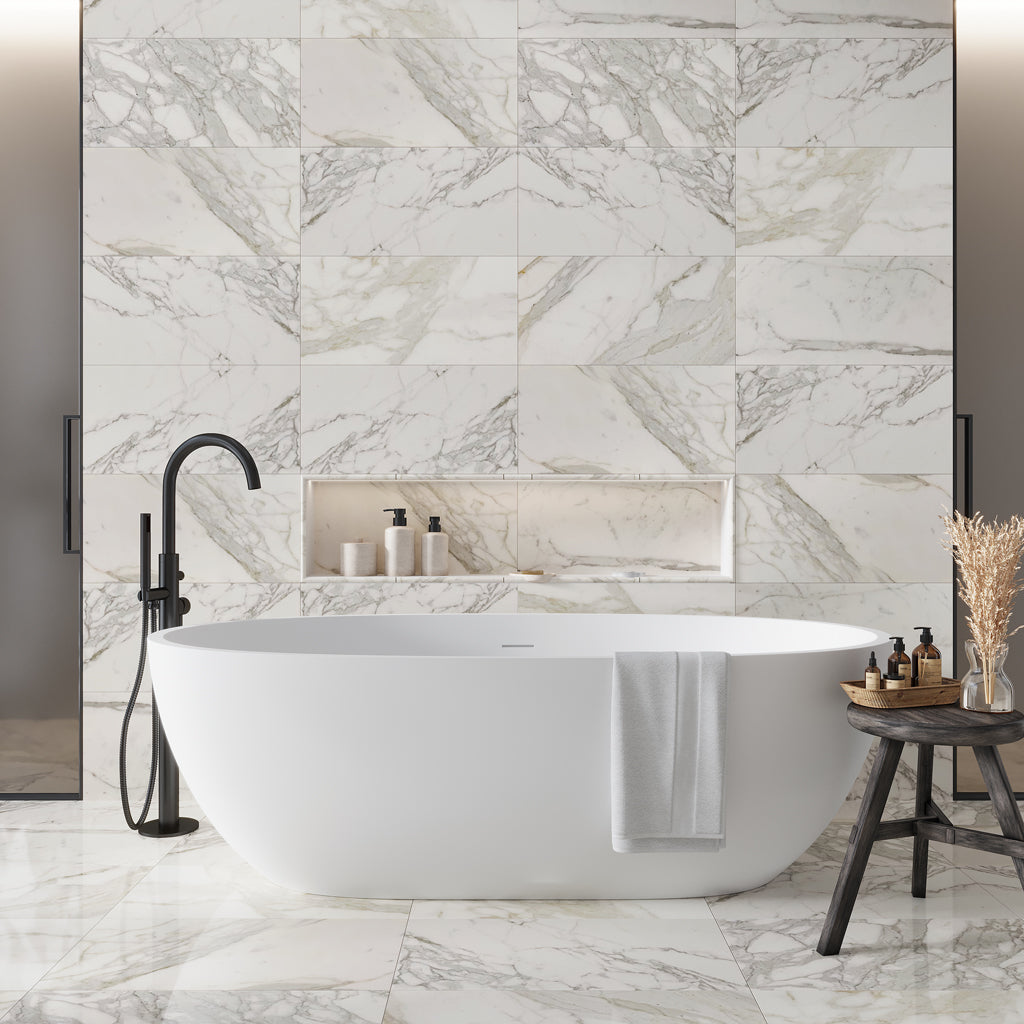
In kitchens and bathrooms, marble-look options such as our White with Gray Vein 24x48 Matte Porcelain Large Format Tile offer the visual richness of natural stone with far less maintenance. They can thrive in high-humidity and high-moisture areas without the need for regular sealing.
Choosing Between Marble and Porcelain Tiles for Your Home
In the debate of marble vs porcelain tile, the answer as to which is better comes down to your practical needs, design goals, budget, and the effort you’re prepared to invest in upkeep. Marble tile is sought for its unmatched flair, making it an obvious pick for homeowners who prioritize timeless elegance. Porcelain flooring delivers impressive durability, a wide variety of styles, and minimal effort to maintain, making it a reliable choice for everyday living.
Explore our selection of natural stone featuring a range of designs, from the soft veining patterns of Carrara marble tile to the dramatic appeal of Calacatta marble tile. We also carry a wide variety of porcelain options that mimic the look of other natural materials, making it easier than ever to create sophisticated and practical interiors.
| Feature | Porcelain Tile | Marble Tile |
|---|---|---|
| Material Type | Man-made from refined clays | Natural stone (metamorphic rock) |
| Cost | Usually more affordable | More pricey, especially rare varieties |
| Durability | Highly durable and resistant to stains, scratches, and moisture | Durable but softer, prone to scratches and stains if left unsealed |
| Maintenance | Minimal upkeep and does not need sealing | Requires periodic sealing and careful cleaning with pH-neutral cleaners |
| Aesthetics | Wide range of colors and sizes, can mimic other natural materials | Unique and luxurious, no two pieces are the same |
| Suitability | Ideal for various indoor and outdoor applications, including high traffic areas | Ideal for various indoor and outdoor areas, including high traffic areas if sealed properly |
| Longevity | Long-lasting with minimal upkeep | Long-lasting with proper upkeep |