

Tile Manufacturing – Here’s Why AI is Important
Feb 28, 2026 7 minute readArtificial intelligence (AI) and automation are transforming the tile industry. From original hand-crafted ceramics to today’s precision-engineered tiles, AI-powered systems are setting new standards for creating smarter, while improving efficiency. Read on as we uncover the rise of AI in the tile industry and how these tools are shaping the way we select materials and design our spaces.
How AI Works in the Tile Industry

From generating ideas to streamlining production, AI in tile industry is a promising avenue for innovation. It’s a powerful tool reshaping how tiling materials, whether natural stone or glazed ceramic tile, are designed, produced, and installed. The use of AI supports tasks traditionally done by humans, improves decision-making, and increases creative freedom and customer engagement.
The impact of AI can also be seen in the spaces we live in, where the different materials come to life. Homeowners are often challenged due to endless tile choices and costly mistakes. Seasoned professionals also face communication gaps, costly fixes, and missed creative opportunities. Thanks to AI tile design and visualization, no more lingering regrets. Selecting the right tile and achieving success in every project is becoming much easier.
The Impact of AI on Tile Design and Visualization?

AI tools make the design process faster and quicker by offering real-time personalization at scale. This gives the manufacturer and designer an edge in global markets where flexibility, speed, and differentiation matter more than ever.
1. AI Tile Designing
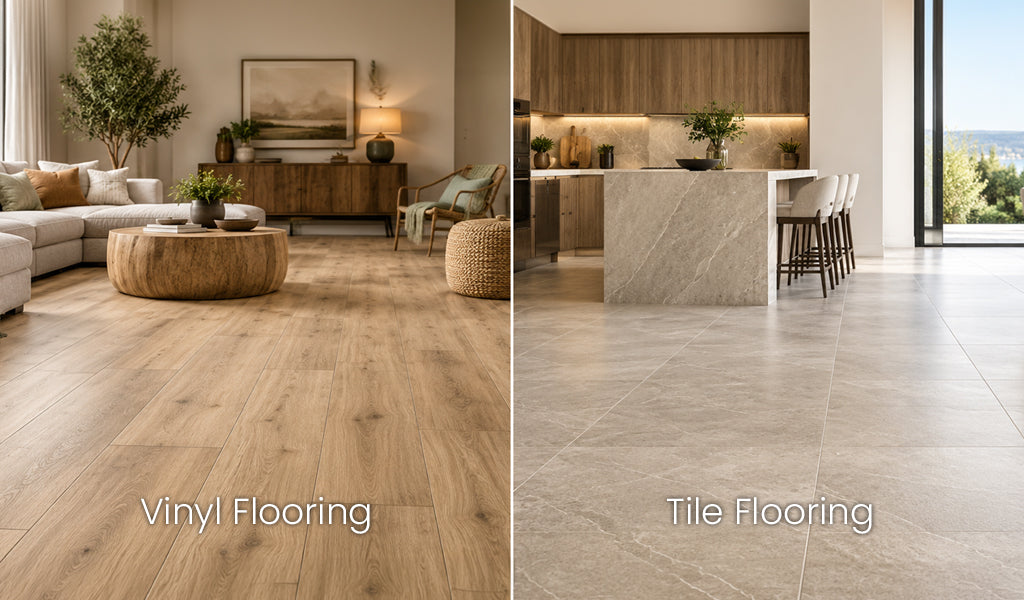
Using AI tile design tools, manufacturers can explore thousands of unique and complex patterns with varying hues and texture depth within minutes. This includes geometric mosaics, natural stone, and wood-look textures. AI algorithms consider market trends to predict color palettes and styles before a single tile is produced. What once took weeks or months of manual trial and error to create new collections can now be achieved within hours.
2. Automated Room Visualization
Customers can upload a photo of their space, select a tile, and AI tile visualizer tools (through 3D rendering and augmented reality) will recognize surfaces on which the material will go. The result? Realistic visuals that mirror how the tile will appear in the finished space under different lighting scenarios (morning, noon, and night), whether a living room fireplace, kitchen backsplash, or bathroom floor tile.
AI in Tile Manufacturing and Quality Control

In traditional tile manufacturing, quality control largely relies on manual inspections. While this approach can be effective, it may overlook defects difficult for the human eye to catch, leading to inconsistent product quality. AI-driven systems enhance precision and consistency across the production line. Visual inspection tools are used to detect surface defects, color inconsistencies, and structural anomalies far more accurately, thereby elevating overall product standards.
But AI quality control in tile manufacturing isn’t just about getting aesthetics right. Automated systems also monitor production processes, predict machinery failures before downtime, and go as far as controlling material composition, glazing, and kiln temperatures. With this ability, integrating AI and automation safeguards product quality and reliability.
AI Tile Selection and Recommendation Tools

With a wide variety of wall and floor tile colors, finishes, sizes, and patterns, selection may not be the easiest task. AI tile selection tools simplify this process for designers and homeowners by reducing the need to browse through thousands of options.
Customers can also preview multiple products instantly through AI recommendations based on user intent and style preferences. This helps with faster decision-making and avoids tedious back-and-forth, giving homeowners more confidence in their choices and purchase. Over time, AI-powered systems get better over time and refine recommendations based on user ratings, reviews, clicks, and completed tiling projects.
Furthermore, AI tile visualizer uses augmented reality to give previews of how tiles will look in real spaces, and in turn, reduces decision fatigue. Tile retailers using these tools often see high conversion rates, stronger brand loyalty, and repeat sales. The reason is simple. Customers feel empowered to experiment and foster long-term relationships.
AI Tools for Tile Layout Planning and Installation
Using CAD files, images, or 3D scans, to analyze room size, shape, and style, AI-powered tools can:
- Create tile layouts suitable for the floor plan
- Suggest tile patterns for comparison before deciding
- Provide tile placement to reduce cuts and lower waste
- Show how tile color, pattern, and size look on different surfaces
- Test large and small format tiles against furnishings and lighting
The instant feedback means customers can explore a wide scope of tile designs before making an order. Tailored AI-driven suggestions also ensure that tile installation complements:
- The surface and the room’s function
- Traffic levels and long-term durability
- Slip resistance and safety requirements
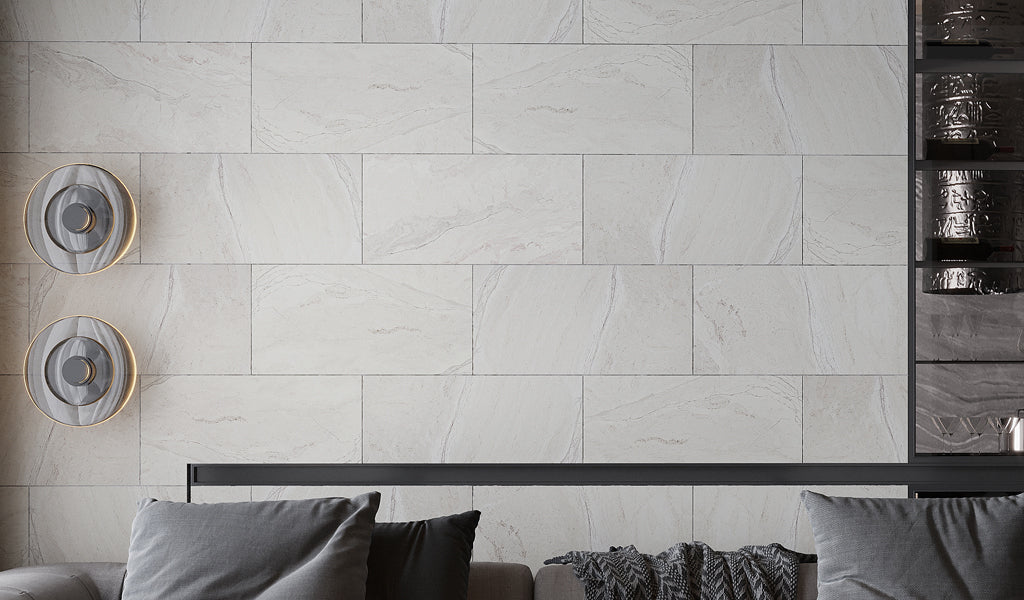
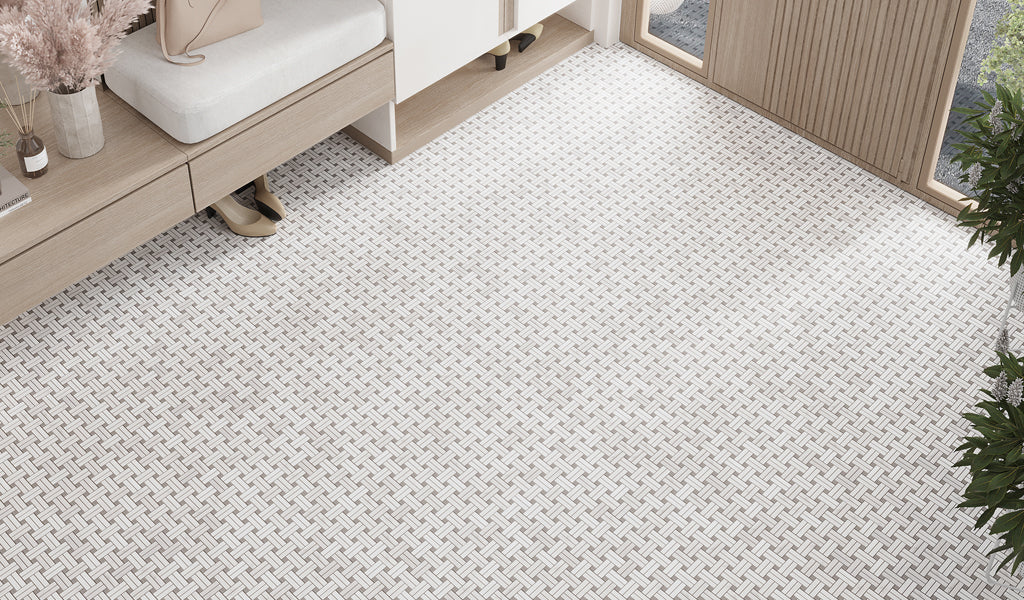
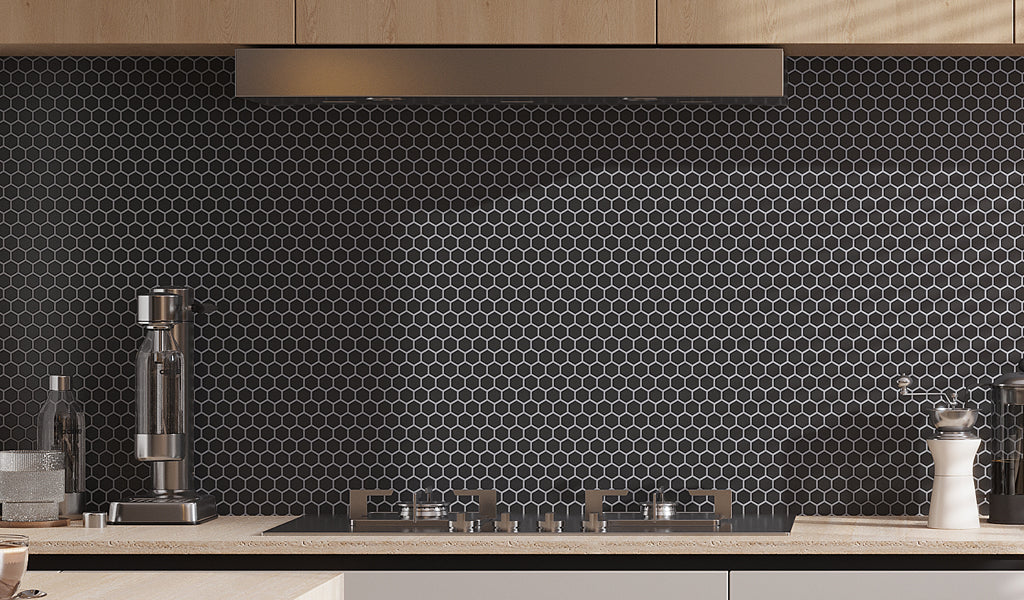
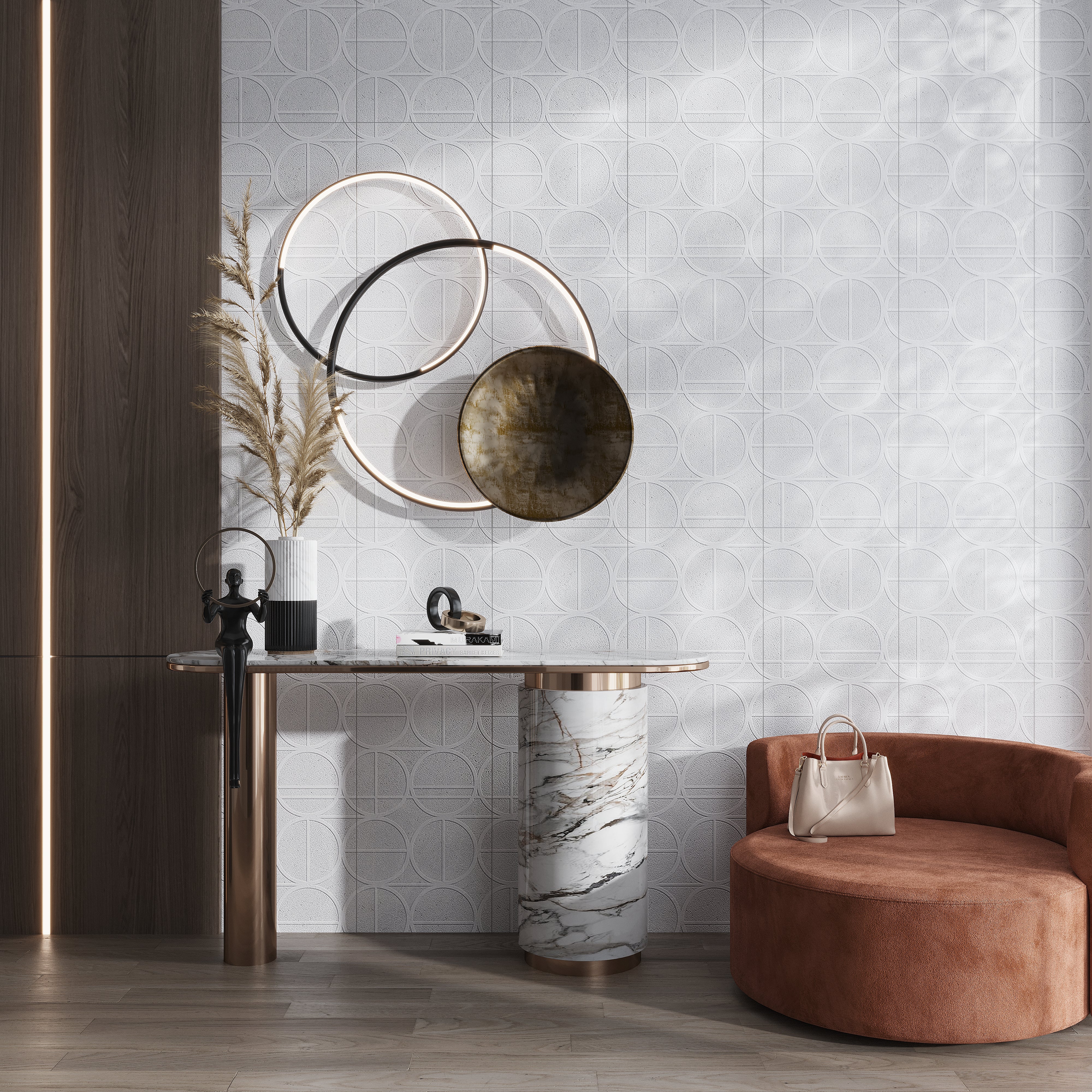
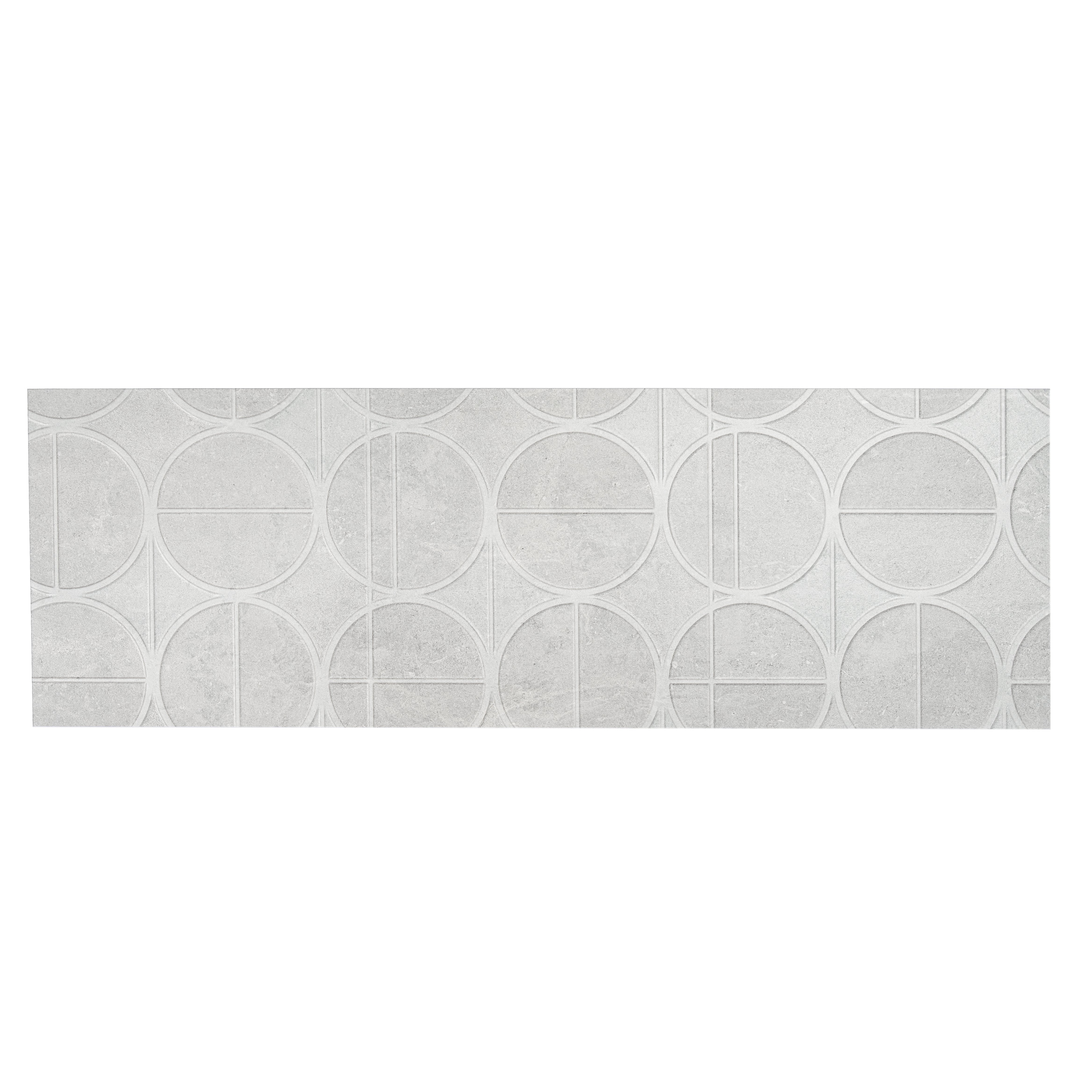
For example, a high-moisture bathroom will prioritize water-resistant and non-slip tiles, such as our White 8x9 Matte Hexagon Porcelain Tile. A living room accent wall serving as a decorative feature only really needs to look good and complement other décor elements, so options like Soft Cloud White 16x48 Matte Ceramic Deco Large Tile work just fine.
Benefits of AI and Automation in the Tile Industry


When discussing AI in the tile industry, automation delivers broad benefits for manufacturers, designers, contractors, and homeowners. It is not just a technological upgrade, but a necessity to unlock new dimensions of creativity, productivity, and customer satisfaction.
Tile Production: For tile makers, AI enhances real-time production monitoring. From optimized kiln temperatures and energy consumption to raw material preparation and final glazing, automation ensures precision, reduced waste, and increased efficiency.
Innovative Design: Manufacturers can use AI tile design to create many new patterns, textures, and color palettes that designers might not manually conceive. How is this possible, you ask? AI tools study market trends and customer feedback to propose fresh concepts and create digital prototypes. This expands the use of indoor and outdoor tile and speeds up new collections.
Product Quality: AI-powered set-ups help address quality control challenges. They not only improve production speed but also reduce human error. Automated precision ensures greater uniformity by detecting even the smallest defects in real time. This contributes to higher quality standards and overall product reliability.
Customer Experience: Customers often feel overwhelmed by the sheer number of tile options available. Thanks to AI 3D room visualization, designers and homeowners can use augmented reality to visualize how tiles will look in a space (under various lighting conditions and interior settings) before making a purchase. This approach boosts buyer confidence and reduces post-purchase returns.
Tile Installation: Digital tools and laser scanners prevent incorrect surface dimensions, help tile installers with precise layout instructions, and cut down on costly rework caused by error-prone methods.
Conclusion
In conclusion, AI in tile industry has become a reliable tool that benefits production and quality. Its vast potential is being used to move away from one-size-fits-all tile manufacturing and towards new, innovative ideas. It’s not about replacing human creativity, but augmenting it. Looking ahead, artificial intelligence will continue to empower and unlock smarter, faster, and more sustainable ways to shape the materials we use and the spaces we live and work in.
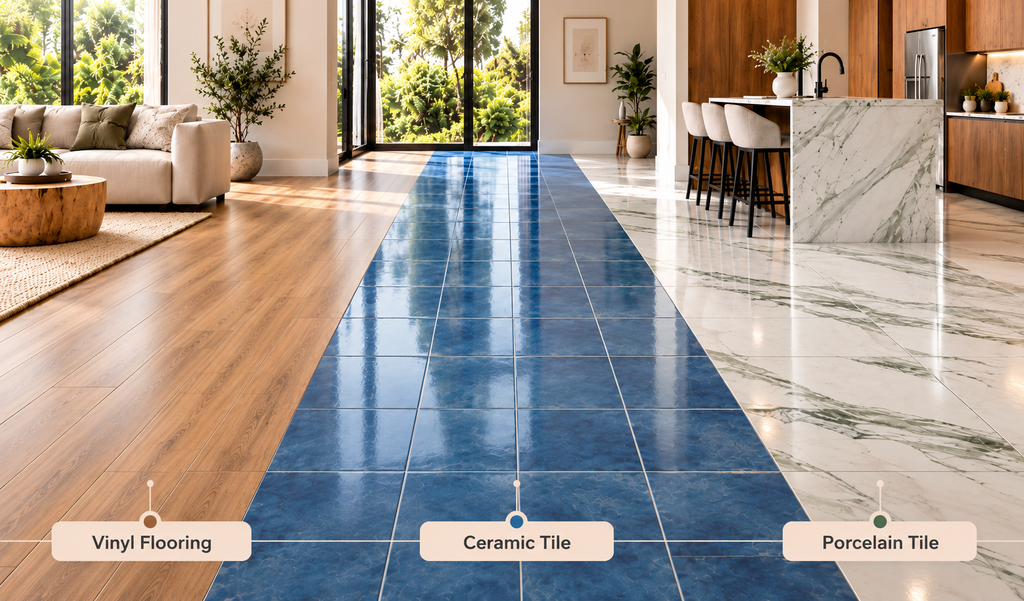
With an array of materials available on the market today, learn more on our blog: What is Porcelain Tile? A Complete Guide for Homeowners.
Frequently Asked Questions
1. How does AI reduce environmental impact in tile manufacturing?
2. Does AI limit human creativity by relying heavily on data?
3. Can AI tile design maintain the authenticity of traditional craftsmanship?
When it is used as a collaborative tool, AI evaluates traditional craftsmanship, such as the tonal variation and irregularities in handmade tile, and can recreate them at scale while preserving authenticity.