

Tile Thickness in mm: Standard Sizes and Strength for Walls and Floors
Mar 12, 2026 9 minute readSome tiles are best suited for a kitchen backsplash or a statement fireplace surround, while others work best as resilient flooring in high-traffic areas. That’s because tile thickness affects everything from strength and longevity to where materials should be installed. More than a detail on a product spec sheet, thickness is a practical factor that defines how surfaces perform over time. Whatever your tile style, use this comprehensive guide to determine the right thickness and how it will affect your wall and floor tiling project.
Key Takeaways
- The thickness of tile is typically measured in millimeters (mm) and varies by application. Walls, floors, outdoor areas, and commercial spaces require different standards to ensure stability and durability.
- Choosing the correct wall or floor tile thickness isn’t just about strength. It also affects tile cost, installation method, subfloor preparation, weight load, and long-term resistance to damage.
What Does Tile Thickness Mean in mm
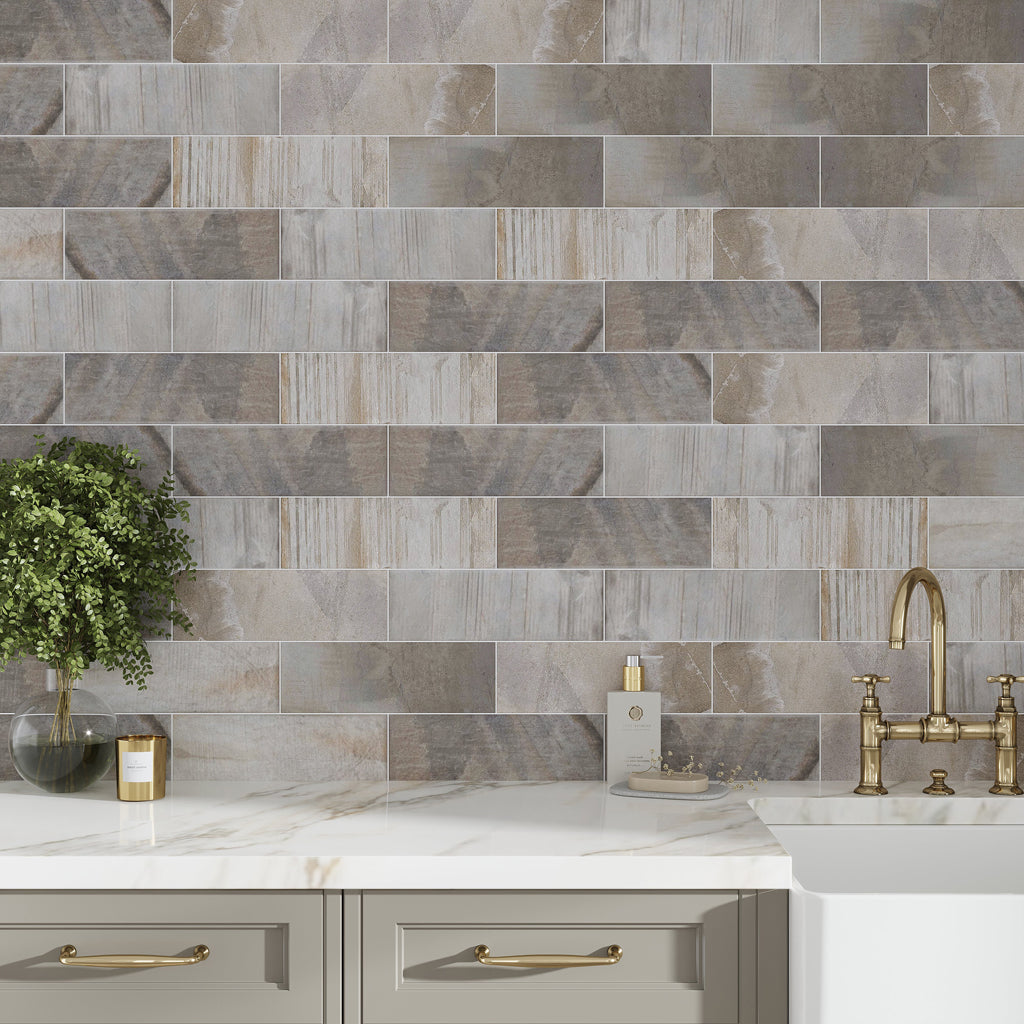
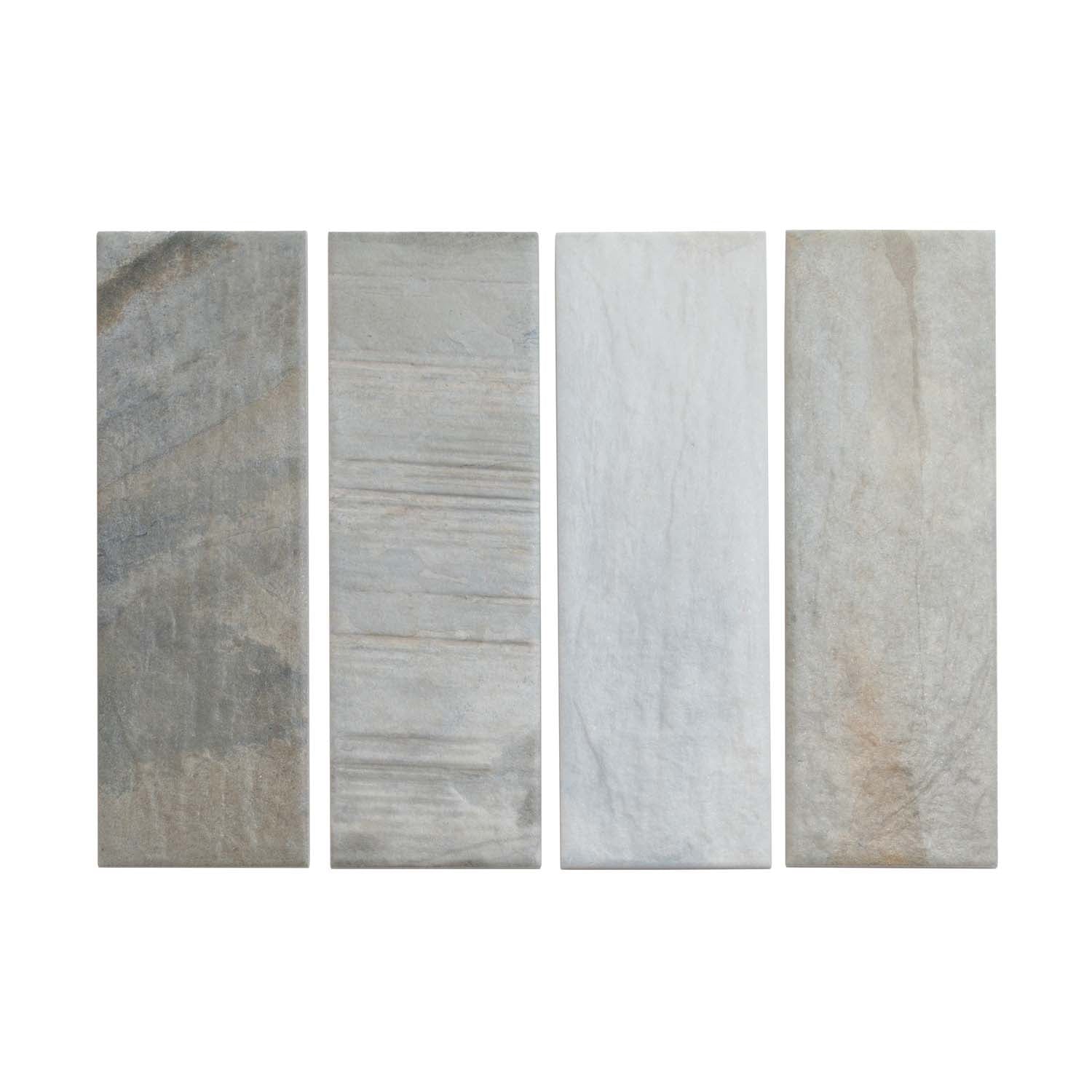
Just as you would carefully choose color, size, and finish, floor and wall tile thickness contributes just as much to visual impact and long-term performance. But what exactly is tile thickness? The thickness of a tile is a small number that counts for a lot. It’s the vertical measurement from the tile’s top surface to the bottom surface, usually expressed in millimeters (mm). This measurement indicates the material’s structural depth, and ranges from 3mm to 20mm or more, though the most standard tile thickness used in homes is 8mm to 10mm.
Tiles are manufactured in different thicknesses, each determining how much pressure they can withstand and where they can be safely installed. Higher numbers, such as porcelain floor tile thickness, indicate greater robustness and suitability, and can support foot traffic, outdoor elements, and impact. In comparison, wall tiles are typically thinner due to fewer stresses on the material. For instance, a tile that’s 8mm thick is stronger and can endure constant pressure and wear better than a tile that’s 5mm thick.
| Feature | Thick Tiles | Thin Tiles |
|---|---|---|
| Tile Thickness (mm) | 10mm to 20mm | 3mm to 6mm |
| Durability | Exceptionally durable | Moderate |
| Weight | Heavier | Lightweight |
| Installation | Requires a strong substrate | Faster and easier installation |
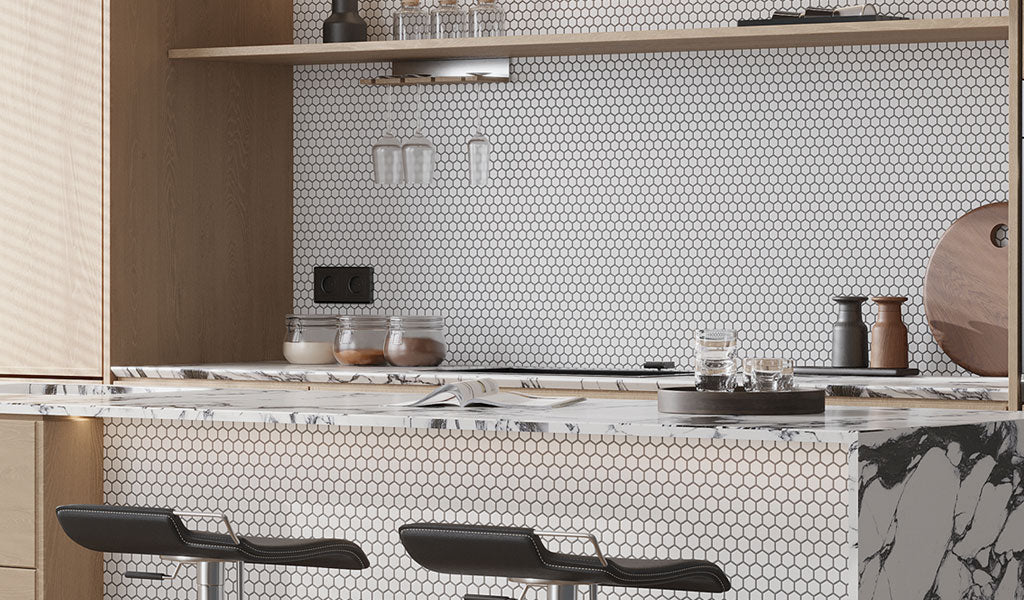
| Ideal Use | Outdoor areas, floors | Walls, backsplashes |
What are Standard Tile Thickness Ranges by Material and Application

Various surfaces need specific density levels depending on their intended use. Glazed ceramic tile, commonly used for interior walls and light-traffic floors, typically has a thickness of 6mm to 10mm. Porcelain tile thickness ranges from 8mm to 12mm, providing extra strength and outstanding practicality for high-traffic flooring in entryways, hallways, kitchens, patios, and commercial environments because it is more resistant to wear and impact.
Natural marble stone often has a tile thickness of 10mm to 20mm to maintain structural stability, and holds up well in outdoor areas, gardens, and heavy-traffic flooring. Keep in mind that thicker floor tiles may require reinforcement to support their additional weight.
How Do You Convert Tile Thickness from Inches to mm

Various parts of the world still specify tile thickness in inches, particularly in older construction projects or imported products. It is helpful to convert inches to millimeters to ensure accurate installation planning and compatibility with metric-based building systems. This can easily be done by multiplying the inch measurement by 25.4.
The basic conversion formula for tile thickness in inches to millimeters is:
For example
These conversions make it easier for designers, homeowners, and installers to compare different tiling materials more quickly. Using mm also provides greater precision since the units allow smaller increments compared to inches.
How Does Tile Thickness Affect Strength and Durability

Wall and floor tile thickness plays a significant role in determining how well the material performs under pressure, impact, and long-term wear. Thicker tiles tend to offer greater structural strength, making them more suitable for use as floor tile or in high footfall areas.
When weight or pressure is applied to a surface, the tile distributes the load across its structure. Thicker tiles have more material to absorb stress, reducing the risk of cracking or breaking. This is particularly important in areas such as living rooms, hallways, kitchens, outdoor walkways, and commercial spaces, where tiles must handle constant movement and furniture load.
Durability is also influenced by the density and composition of the tiling material. For example, porcelain options like hardwood and marble look tile are extremely dense and highly resilient, even at moderate thicknesses. On the other hand, softer materials may require additional thickness to achieve the same level of strength.
However, tile thickness alone does not determine durability. Proper substrate preparation, adhesive coverage, grout spacing, and installation techniques are equally important. Even a thick tile can fail if installed on an uneven or poorly prepared surface.
How Do You Choose the Right Tile Thickness for Different Areas

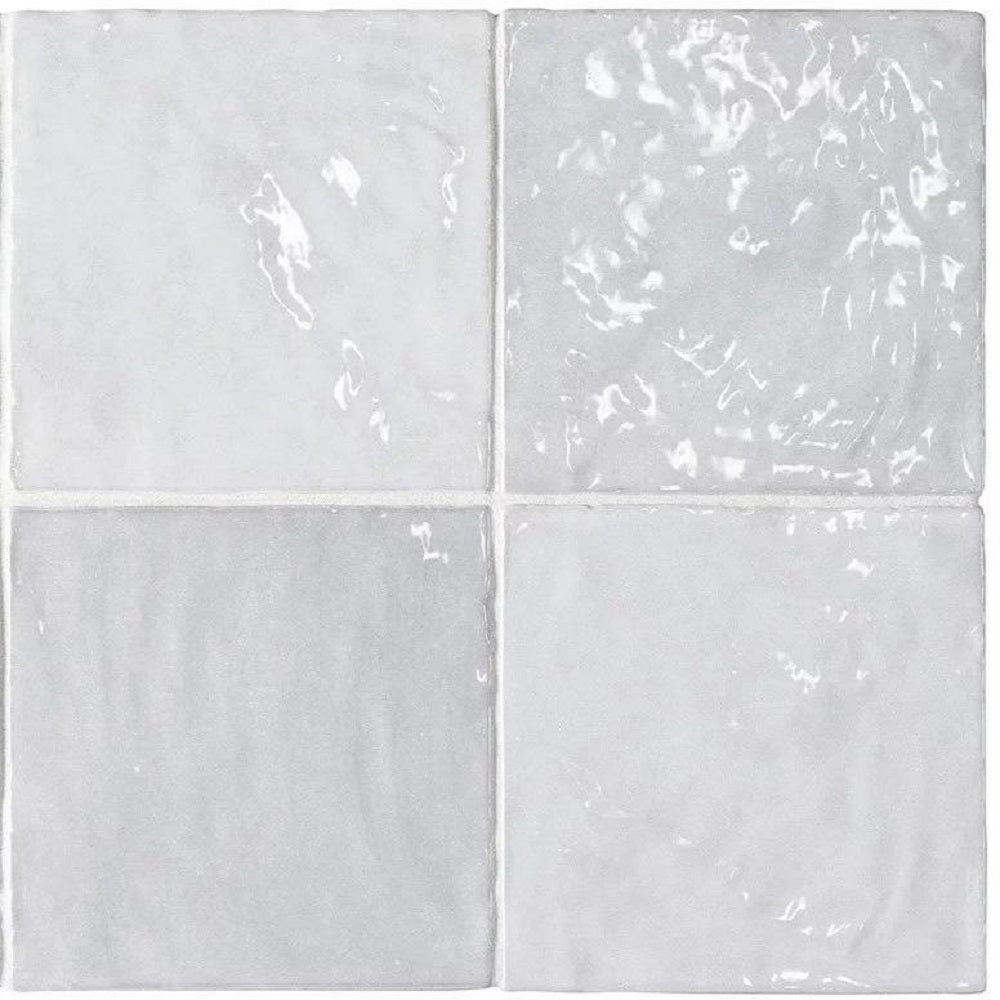
Selecting the correct marble, porcelain, or ceramic tile thickness depends on the location, expected load, and environmental conditions of the installation area. Each part of a home or building has different functional requirements, and opting for the right size ensures long-term performance and reduced damage or costly repairs.
- For wall installation, thinner tiles between 5mm and 7mm are typically sufficient because vertical surfaces do not experience heavy loads. Tiling options, such as Purple 5x5 Glossy Subway Ceramic Tile, are lighter and easier to install.
- For residential floors, tiles between 8mm and 10mm are commonly recommended. This thickness provides adequate strength to support foot traffic, furniture, and daily activities.
- In high-traffic commercial areas, thicker tiles ranging from 10 mm to 12 mm are an ideal fit. Design options like Gray 24x48 Matte Porcelain Large Format Tile are better equipped to handle heavy loads and continuous movement.
- For outdoor installation, such as the patio, driveway, and terrace, marble or porcelain floor tile thickness between 12mm and 20mm may be necessary. These tiles can withstand the elements and higher structural loads.
How Does Tile Thickness Impact Floor Height and Transitions

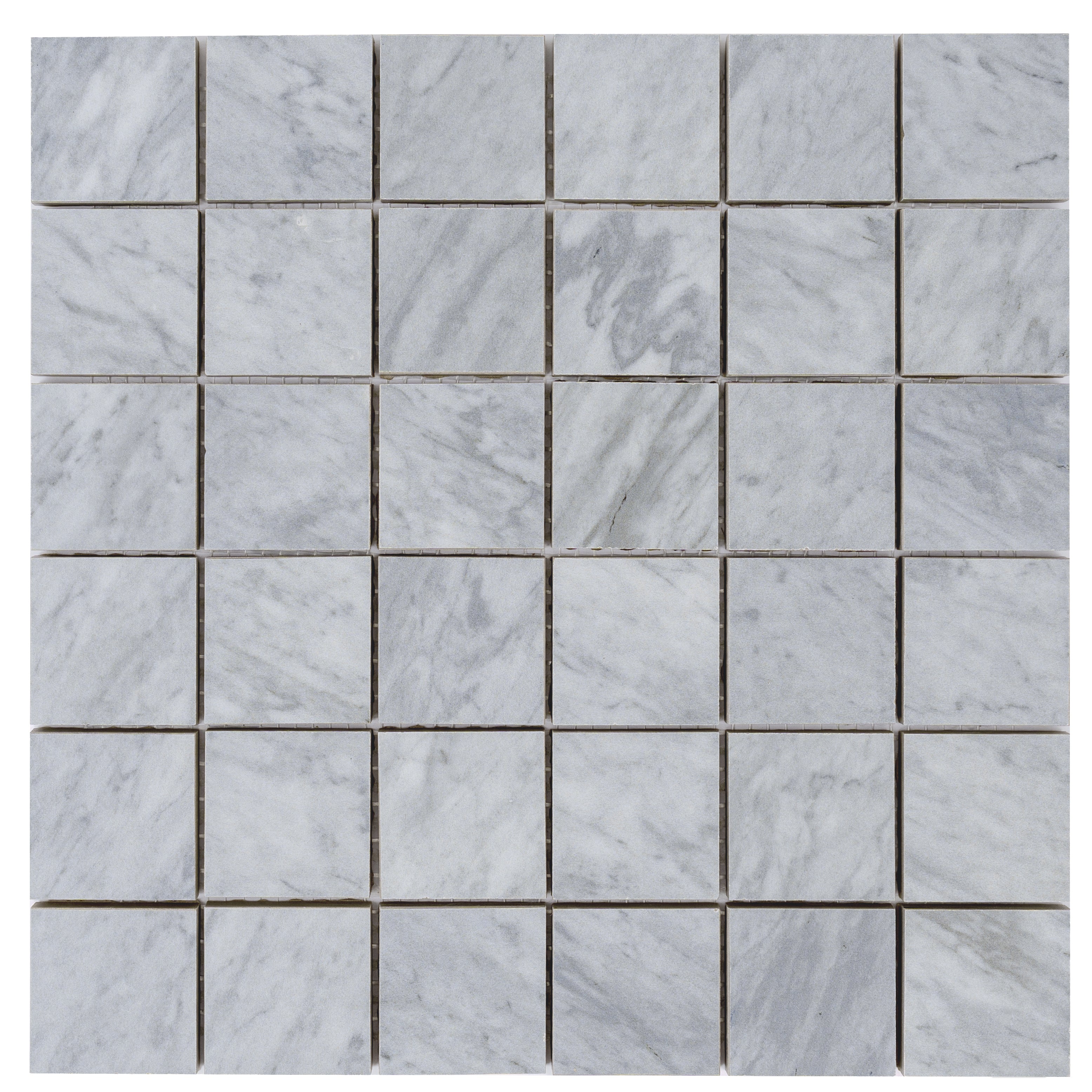
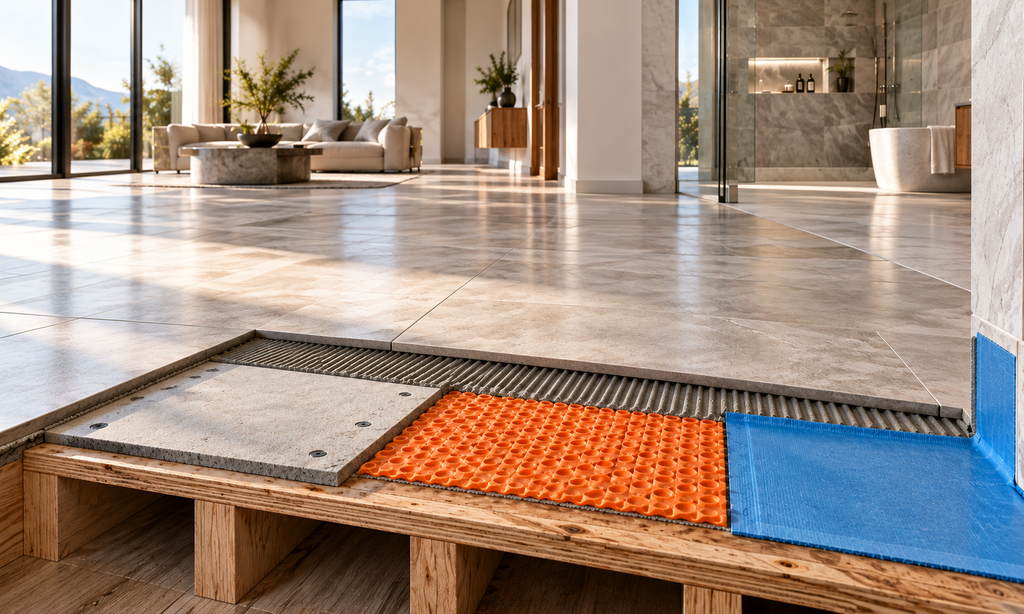
Tile thickness also affects the final floor height, which is an important consideration during renovation or new construction projects. When tiles are installed, the total height includes not only the chosen material but also the adhesive layer, underlayment, and grout.
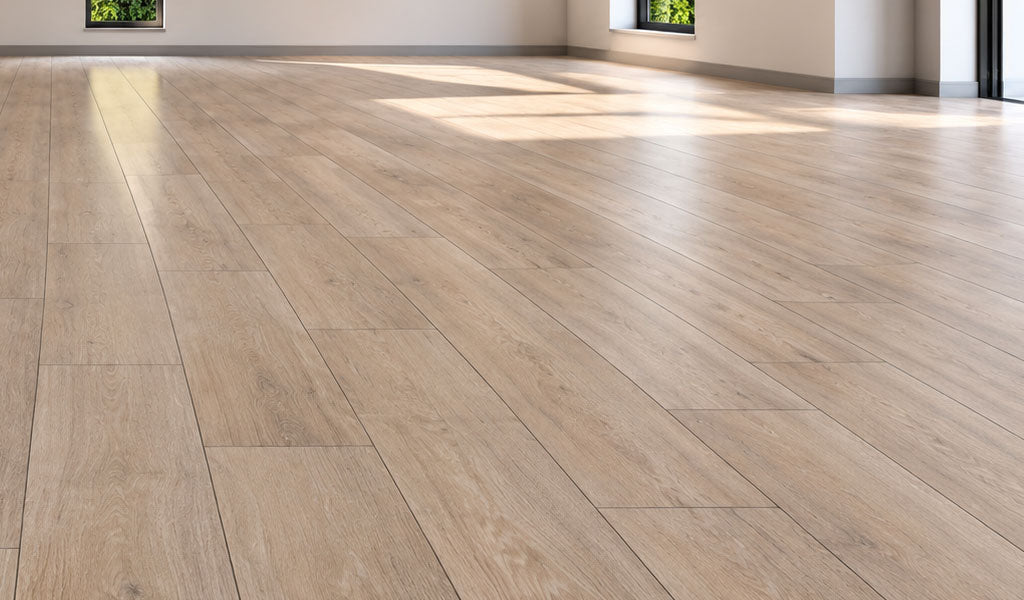
For example, a 10mm wood look tile combined with a 3mm to 5mm adhesive layer can increase the floor height by around 13mm to 15mm. If tiles are installed over existing flooring, this height difference can affect door clearances, cabinetry alignment, and transitions between rooms.
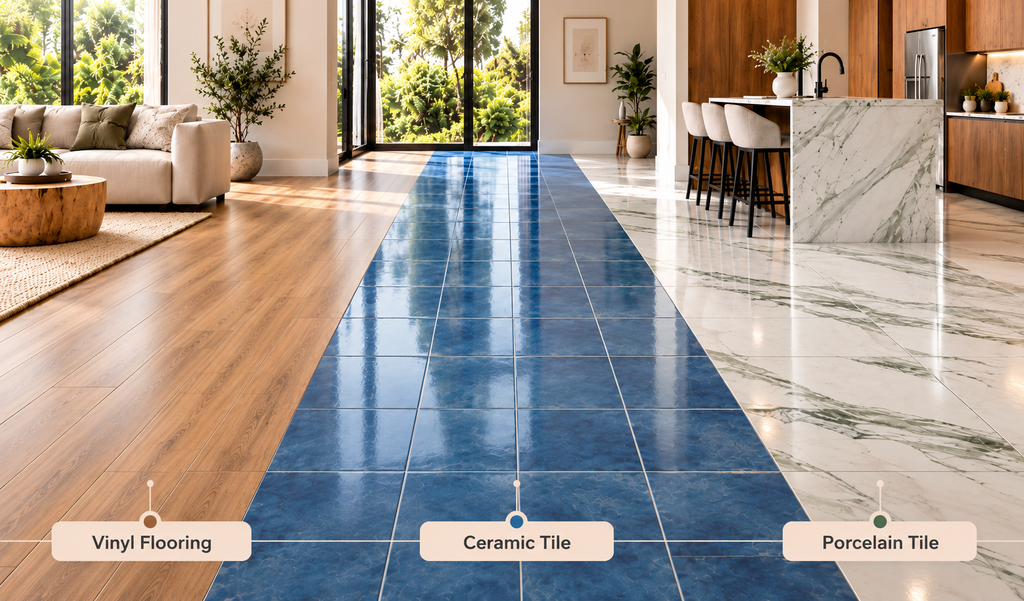
Transitions between different flooring materials, such as tile to wood, laminate, or carpet, must also be planned carefully. If tile thickness differs significantly from adjacent flooring materials, installers may need to use transition strips or leveling compounds to create a smooth and safe surface.
Installation Tips to Follow Based on Tile Thickness

Installation techniques vary depending on floor or wall tile thickness, and following the right technique ensures both durability and visual quality. One of the most important steps is choosing the correct adhesive and trowel size. Thicker tiles typically require a larger notched trowel to ensure sufficient adhesive coverage and strong bonding. For thinner tiles, the substrate must be flat and stable to prevent cracking.
Another important practice is maintaining full adhesive coverage, particularly for flooring tiles. Industry guidelines recommend at least 90–95% adhesive contact to prevent hollow spots that can lead to cracking under pressure.
Additionally, leveling systems should be considered when working with thicker or larger tiles to prevent uneven edges, commonly known as lippage. Proper spacing with spacers and careful grout application further improve the final result.
Lastly, always follow manufacturer guidelines regarding curing time, adhesive type, and substrate preparation. Taking these steps ensures that indoor and outdoor tile performs reliably and maintains quality for many years.
Conclusion
Understanding tile thickness in mm is an essential part of selecting the right tiling material for both walls and floors. The thickness of a tile influences not only its strength and durability but also its suitability for specific applications, such as wall coverings, residential floors, high-traffic commercial areas, or outdoor installations. While thinner tiles are ideal for vertical surfaces due to their lighter weight and easier handling, thicker tiles provide the structural integrity needed to withstand heavy loads and constant foot traffic. Ultimately, choosing the right thickness is about balancing aesthetics, functionality, and long-term resilience.
Apollo Tile offers an extensive selection of tiles with varying thicknesses, ensuring the perfect fit for every space, from elegant living rooms to robust outdoor areas. For further knowledge on proper tile flooring installation, read our blog post: How to Install Porcelain Tile.
Frequently Asked Questions
1. Can thin tiles be used on floors safely?
2. Why are natural stone tiles usually thicker than ceramic or porcelain tiles?
3. Does tile thickness affect underfloor heating performance?
4. Do large-format tiles require a specific thickness?
Large format tile requires a certain standard tile thickness to maintain structural strength and prevent the risk of breakage during handling and installation.