

Can You Paint Ceramic Tile? Everything You Need to Know Before You Start
Jul 17, 2026 11 minute readIf you are wondering, can you paint ceramic tile? Well, in most cases, the answer to this question is yes. If you find that you have outdated or mismatched ceramic tile, then applying a new coat of paint might be a good decision to take. This is an affordable and fast way to give your interior space a completely different look without an expensive remodeling process.
However, it is crucial to note that just like with any other home improvement project, painting ceramic tile demands a lot of preparation. You need to get all the right tools and materials so that you can paint your tiles properly.
This blog discusses frequently asked questions concerning painting ceramic tile, which include the tools and steps to do it properly. The pros and cons of doing so will also be considered here.
Key Takeaways
- Painting ceramic tiles is an affordable option for rejuvenating dated tiled surfaces without having to replace them.
- Proper cleaning, priming, painting, and sealing are all necessary steps for long-lasting results.
Where Can You Paint Ceramic Tile in Your Home?
The first question people always have in mind about painting ceramic tile is, where does this process work best? The answer is clear; there are many places in a house where you can apply paint on ceramic tiles and obtain a wonderful result.
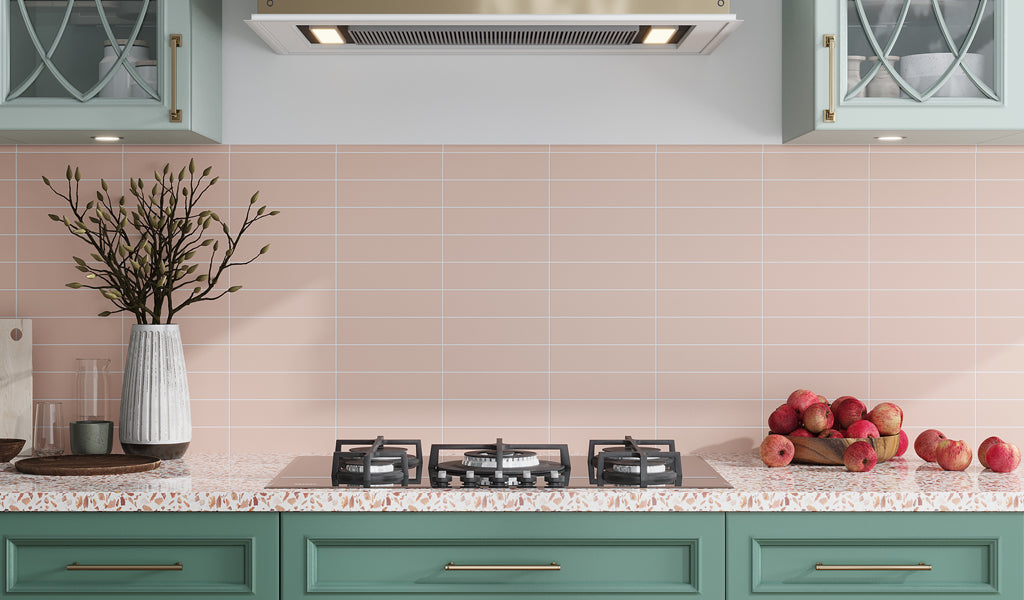
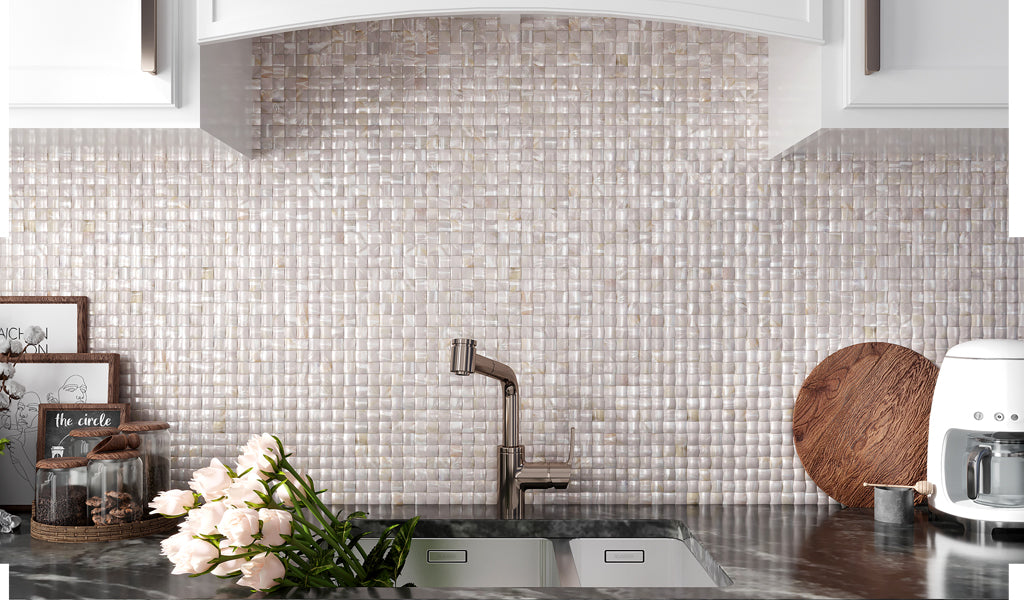
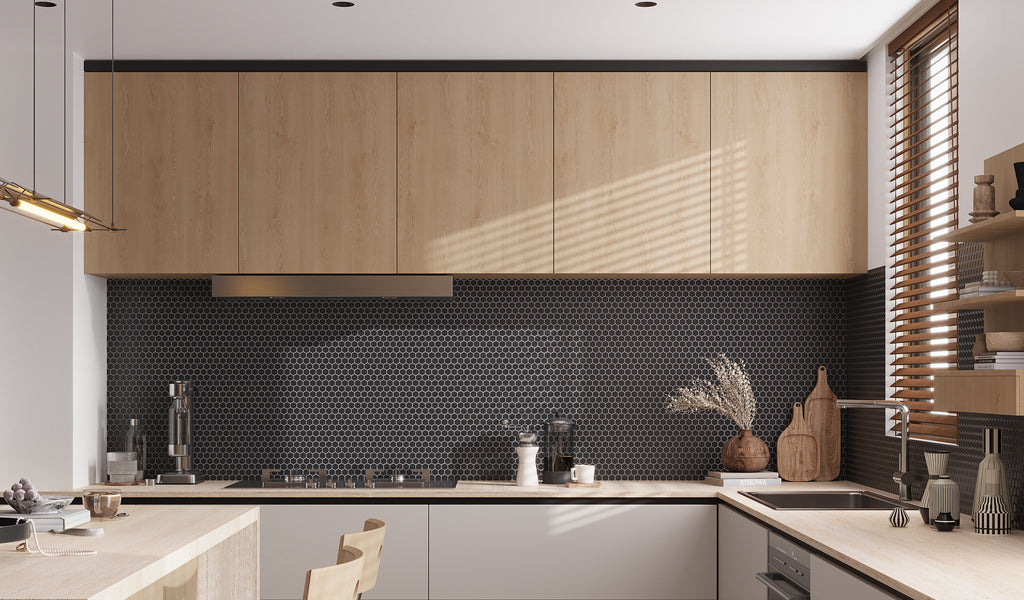
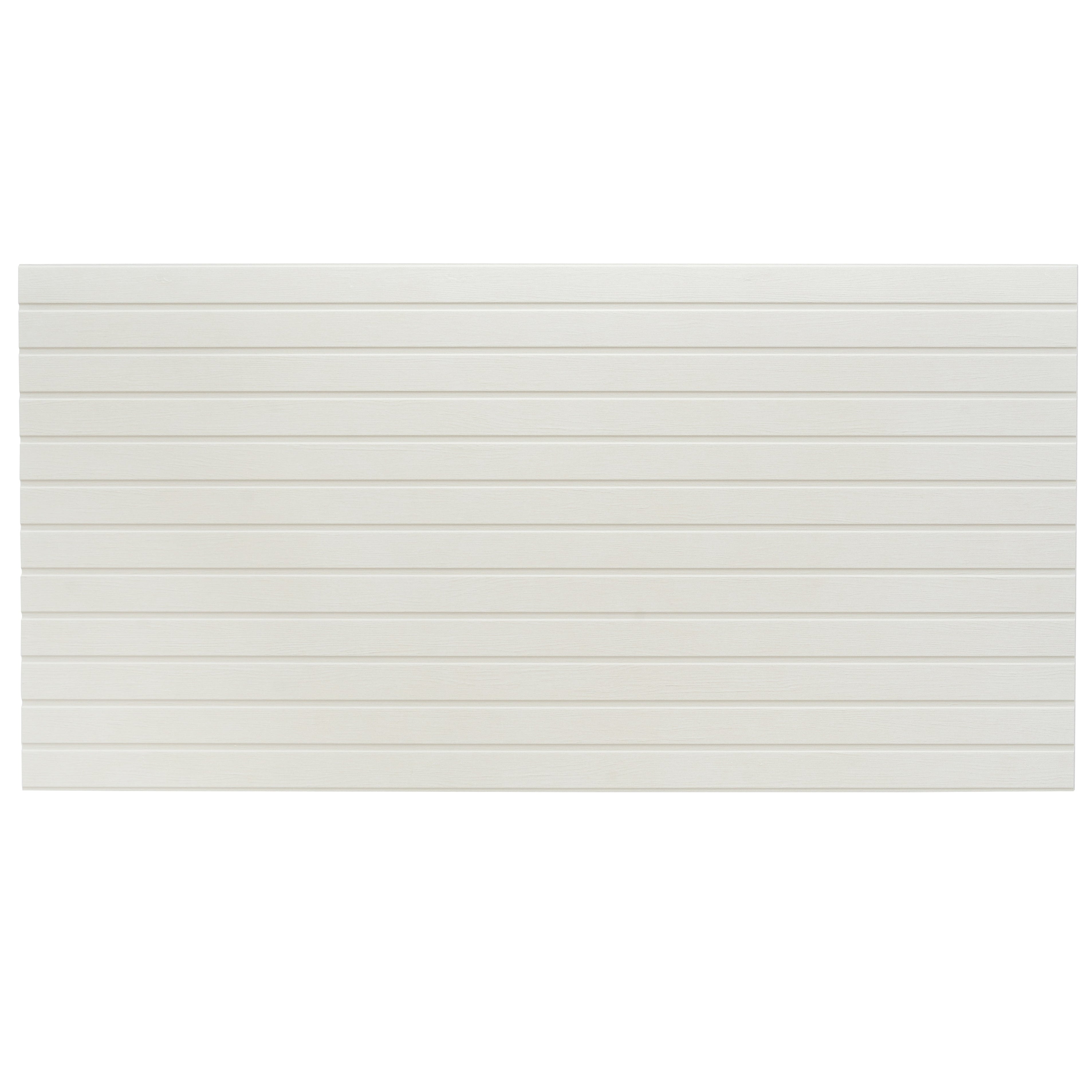
- Kitchen backsplashes are also among the most common places where homeowners can paint materials such as the Snow White 24x48 Matte Fluted Ceramic Large Tile, especially if they wish to change the appearance of the area by painting on top of the current installation without tearing it out. It’s a practical, budget-friendly way to update color while keeping the original tile in place.
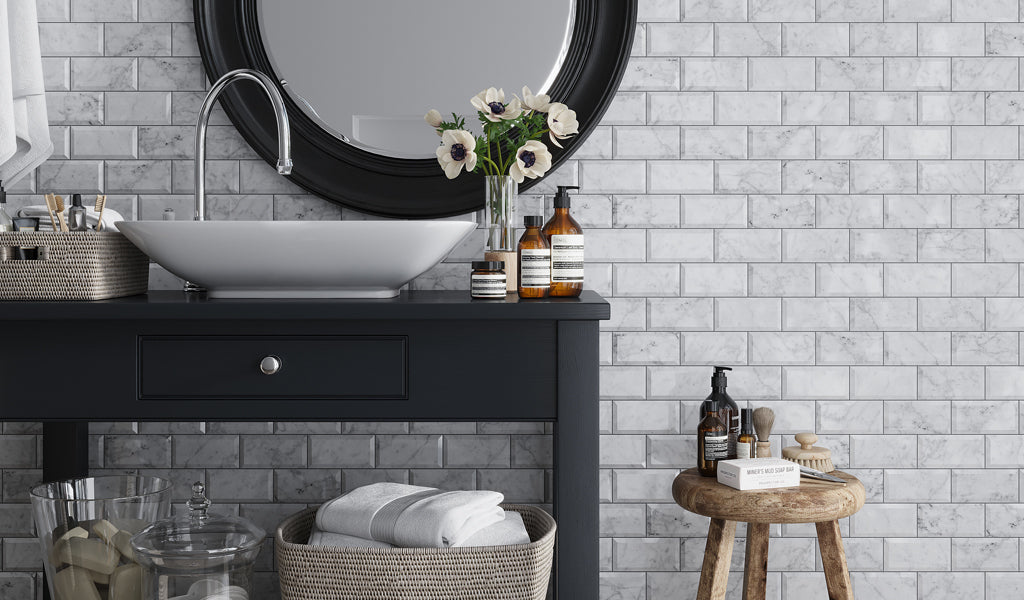
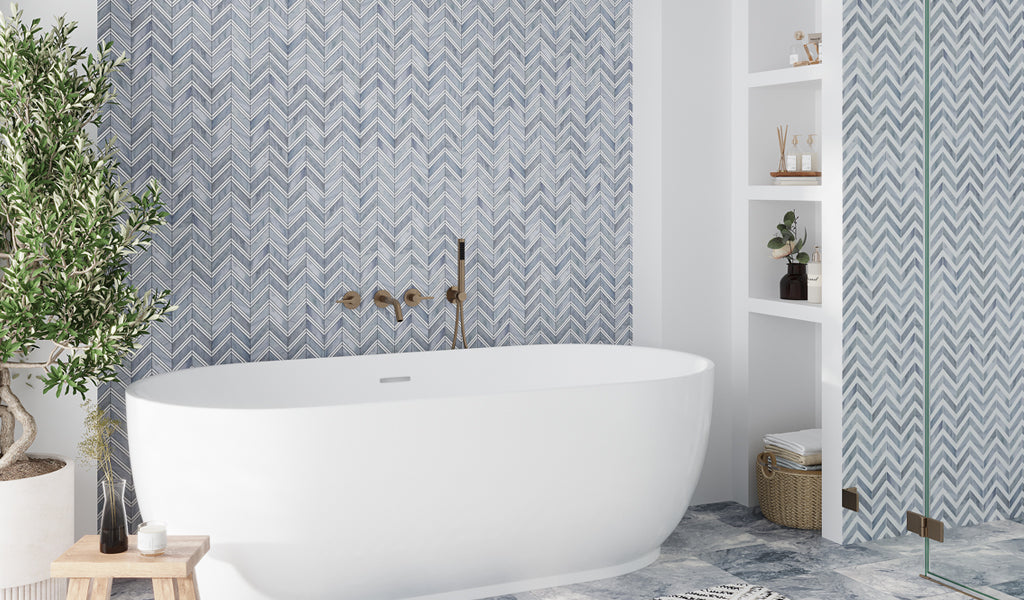
- Bathroom wall tile is an ideal candidate for refinishing because it enables the room to be refurbished without having to incur the extra costs of removing tiles that are still in good condition. Since bathrooms are exposed to high moisture levels, surface preparation is important.
- The laundry room, mudroom, fireplace, and decorative tile walls are other good places for ceramic tile refinishing because less wear and tear is experienced here. This gives an instant renewed look without demolishing anything!
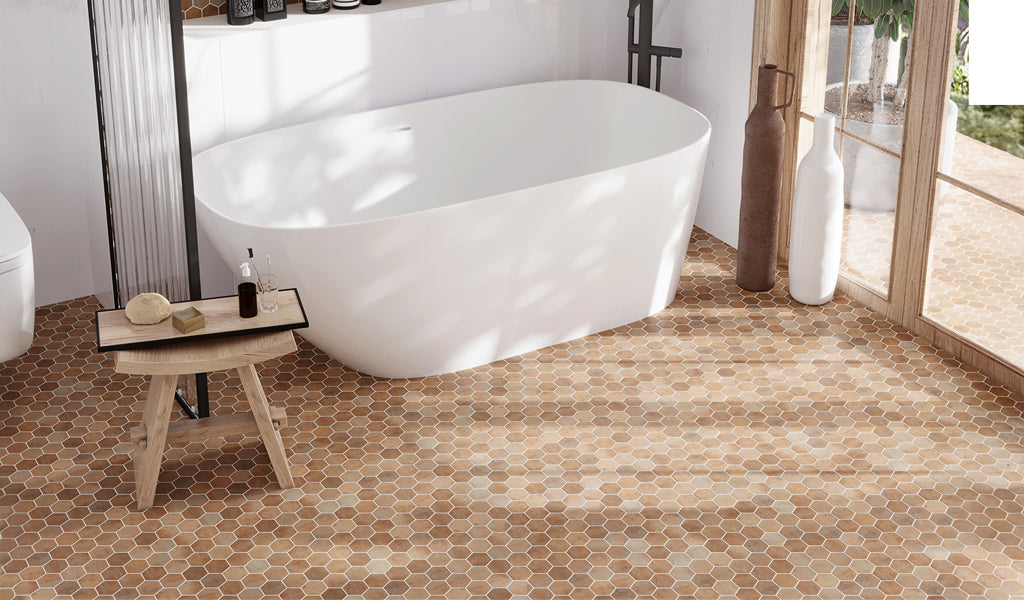
It is common to wonder, “can you paint ceramic floor tile?” The answer is yes, although there are some considerations that need to be made when thinking about this process. You can paint floor tiles, but because people walk on them every day and furniture is often moved around, the painted finish may wear out faster and need more maintenance than painted walls or other surfaces. This is why painted tiles should only be done in low-traffic areas.
Pros and Cons of Painting Ceramic Tile
Before deciding whether ceramic tile refinishing is right for your project, it's important to understand both the advantages and disadvantages linked to this.
Pros of Painting Ceramic Tile
-
Cost-effective Option Instead of Replacing
Re-tiling can prove costly, as both labor and demolition charges have to be considered. Painting provides a cost-effective solution that will greatly enhance the appearance of a room. -
Fast Way to Improve Your Home
The process of installing new tiles could take days and sometimes even weeks. Painting your tiles can be accomplished within just one or two weekends. -
Unlimited Options in Decorating
Contemporary paints for ceramic tiles are available in a wide range of colors and designs. You can achieve the elegant look of white paint, apply colorful paint, and even paint stenciled patterns. -
Saves Time & Effort
Painting ceramic tile eliminates dust and debris generated during retiling projects. The tiles are still there; they are just painted, which saves time and effort.
Cons of Painting Ceramic Tile
-
Less Durable Than New Tiles
Even if you use high-quality tiles, painted surfaces do not have the same longevity as newly installed ceramic tiles. -
Preparation Is Key
One of the main factors that can lead to poor results when painting ceramic tiles is insufficient preparation of the surface. -
Repainting Might Be Needed
In high-traffic areas, repainting may be necessary from time to time since the painted surface becomes more susceptible to scratching. -
Can Be Difficult With Water Exposures
If the area is prone to regular water exposure, it requires more maintenance to ensure its longevity. It's crucial to weigh both advantages and disadvantages before making a final decision.
What Tools and Materials do you need to Paint Ceramic Tile?

Painting on ceramic tiles requires having the correct set of tools and materials. The right materials will definitely make your work look good and last longer.
1. Cleaning Materials
Before learning how to paint ceramic tile, it is important to clean it to remove any dirt, soap scum, dust, and grease, which may hinder good adhesion between the tile surface and the paint. The right products for cleaning include tough degreasers, non-abrasive scrubbing pads, and mild detergents.
Cleaning Supplies
Before any paint is applied, tiles must be thoroughly cleaned to remove grease, soap scum, dirt, and residue. Common cleaning supplies include:
- Degreasing cleaner
- Microfiber cloths
- Tile cleaner
- Sponge
- Scrub brush
- Bucket
2. Surface Preparation Materials
Proper surface preparation creates a strong bond between the tile and primer. You may need:
- Fine-grit sandpaper
- Drop cloths
- Sanding sponge
- Vacuum or tack cloth
- Painter's tape
3. Primer
The primer creates a strong bond between the ceramic tile and paint, helping the finish adhere properly to the smooth, non-porous surface. Additionally, primer helps with paint adhesion and makes the paint appear more evenly applied. Above all else, however, primer prevents paint from becoming brittle and flaking off prematurely.
4. Paint
Choosing the right paint for ceramic tile is critical. Standard wall paint is not suitable for ceramic tile surfaces.
Popular options include:
- Epoxy paint
- Acrylic urethane paint
- Tile-specific paint
- Specialty ceramic tile coatings
Always select products specifically designed for tile applications whenever possible.
5. Painting Tools
Depending on the size of the project, you'll need:
- Paint rollers
- Paint trays
- Foam rollers
- Stir sticks
- Angled brushes
6. Protective Topcoat
To ensure that the paint does not wear off easily, there should be a protective layer on top of the paint coat, which acts as a sealant. The layer can either be made of a sealer or even polyurethane to create an extra shield against moisture, damage, and other forms of wear and tear.
How Can You Prepare Ceramic Tile for Painting
Preparation is the most crucial step involved in the whole process. While looking at ways to paint ceramic tiles, you will find out that most of the failures have been caused by either skipping or rushing the preparation stage.
Step 1: Clean the Tiled Surface
Tiles should be thoroughly cleaned of any oils, soap scum, mildew, and dirt. The use of a tough cleaning agent and thorough scrubbing is required. Grout lines and other hard-to-reach spots should get extra attention.
Step 2: Repair Cracks & Chips

Before painting, cracks and chips must be fixed to ensure that there is a smooth and solid surface. Knowing how to fix cracked tile is important, since painting over damage can make imperfections stand out and worsen over time. After repair, tiles can take paint easily and create a perfect finish.
Step 3: Sand the Tile
Ceramic tile is smooth, making it hard to create an effective bond between the tile and the paint. For better results, lightly sand the surface, especially if you are working with unglazed tile. This does not mean you should sand the glaze away; rather, it means you should sand it enough to allow the primer to bond with the tile easily. After this process, use a vacuum and a cloth to get rid of all dust on the tile.
Step 4: Protect Surrounding Areas
As a first step before painting, cover all the adjacent areas like walls, countertops, chairs, desks, and floors using painter’s tape and drop cloths to keep them clean from any paint marks during the process. Taking time to protect the space makes cleanup much easier afterward.
Step 5: Prime the Tile
The application of a good-quality bonding primer will increase adhesion capacity while painting. This step improves durability and ensures a more even, long-lasting finish. It is advised to allow proper drying of the primer applied to achieve the best effects.
Step 6: Paint the Tiles
As soon as the primer dries, apply thin, even layers of paint on it in order to have better coverage. Usually, at least two layers of paint are suggested for full coverage and a good-looking finish. Allow each coat to dry properly before applying the next.
How Can You Seal and Maintain Painted Ceramic Tile?
Once you have spent the time and energy on painting ceramic tile, it is important that you maintain the finish to ensure the work lasts.
Seal With a Clear Sealer
Once the paint has dried completely, it is time to add a protective coating. This will protect from moisture, staining, scratching, and overall damage. It is particularly critical in bathrooms and kitchens that receive heavy traffic. Pick the right type of sealer that works well with your paint and follow the application instructions carefully.
Give Sufficient Cure Time
Many people make the mistake of using their painted surfaces without giving enough cure time to the paint. Even though the paint dries up completely in a few hours, it may take several days to complete the entire curing process.
Use Gentle Cleaning Products
Strong chemicals or abrasives can cause harm to painted surfaces. However, when cleaning painted tiles, you should use:
- Mild soap
- Non-abrasive sponges
- Soft cloths
- Gentle household cleaner
Steer clear of steel wool, rough cleaning agents, and strong solvents when you can.
Fix Scratches or Chipped Sections Early
For minor scratches and chipped sections, fix them immediately so that moisture cannot reach the inner parts. It is always handy to save some paint left over from your work for later repairs.
Light vs High Traffic Floors
Painted floors should be inspected on a regular basis for any signs of wear, especially in areas where there is a lot of activity. Although painting can be done on ceramic floor tiles, they are very vulnerable because of the pressure that acts on them regularly. This is why the painted floor tiles are appropriate for light-traffic floors.
Conclusion
If everything is done correctly, then it will not only be cheap but simple as well to refurbish the existing decor with painted tiles. Whether you need to renovate the kitchen backsplash, walls, or floors, it all depends on your needs and correct preparations. But if you are looking for durability and long-lasting results, then the better choice would be buying new tiles from a reliable ceramic tile supplier like Apollo Tile.
Frequently Asked Questions
1. Can I paint ceramic tile in bathrooms and showers?
2. How long does painted ceramic tile last?
3. How many coats of paint are needed for ceramic tile?
4. How long should the paint cure before using tiled surfaces?
5. Can I paint over glossy ceramic tile?
Painting of tiles, such as our Soft White 2x16 Glossy Zellige Subway Ceramic Tile is possible, but you must first sand or degloss the tile surface for the paint to stick. Failure to do so means that the paint will eventually peel off.