

Different Types of Tile Shade Variation: How to Choose the Right Look for Your Space
Jun 03, 2026 10 minute readHave you ever opened a box of tile and realized that the material varied slightly in color from the samples ordered a few weeks back? Often, homeowners misunderstand this variation for a defect, but it is actually a result of the manufacturing process. “That is not the tile that I picked” or “My newly tiled backsplash looks nothing like I expected” is a common response.
But if you pay close attention, you’ll notice a rating called “variation” listed on the outside of the carton. Some collections may have very similar tiles, even identical, while others vary widely from piece to piece in color and texture. To help you make sense of shade variation in tile, we’ll dive deeper into what it is, how it happens, and how it affects the final installation.
Key Takeaways
- Shade variation in tile can occur naturally during the manufacturing process or intentionally using digital printing.
- Tile variations V1, V2, V3, and V4 offer varying degrees of tonal and textural differences within a tile series.
What is Tile Shade Variation (V1-V4) and Its Types


Choosing wall or floor tile is an exciting part of the design process, and as you narrow down your options, you may come across tile shade variation levels. But what exactly is tile shade variation? For tiling material to vary in appearance, it can happen in two ways: naturally as a result of the manufacturing process or intentionally through digital printing techniques.
Shade variation refers to the degree of color, shade, or tone differences from piece to piece within the same product line, expressed as V1 through V4. Naturally, it can happen due to a subtle change in kiln temperature and baking time. Intentionally, different printing methods are used to enhance the tiles' appearance, varying their shading minimally, drastically, or anywhere in between.
Understanding tile variation v1 v2 v3 v4 will give you a clear vision when choosing material for your space: how the final look will affect the room's aesthetic and installation approach. If you're gunning for a uniform finish, V1 and V2 are your best bet. For areas where a pronounced visual distinction is desired, V3 and V4 come in handy.
Understanding Tile Shade Variation Ratings (V1-V4)
The tile variation rating system applies to ceramic and porcelain, including marble-look, wood-look, stone-look, and handmade-look tile, and falls within 4 categories. These ratings are intended to set expectations and reduce returns, callbacks, and "five-o-five surprise”. So how do V1, V2, V3, and V4 differ?
V1 - Uniform Appearance:
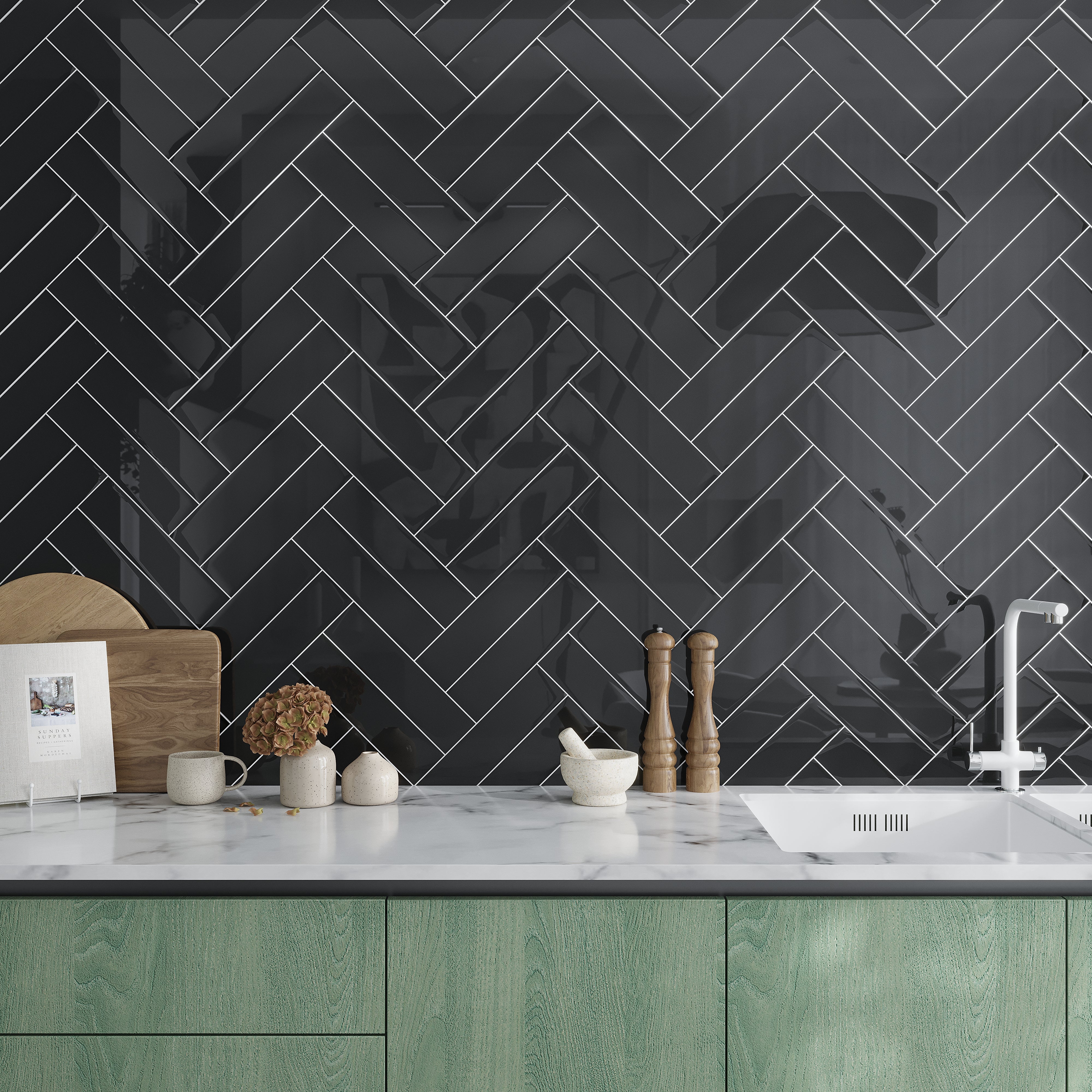

Within this category, differences among pieces from the same production line are minimal. There is little to no noticeable variation in shading and surface finish, resulting in a clean, predictable appearance. Our Black 3x12 Glossy Glass Subway Tile is a great example of a uniform shade variation in tile.
V2 - Slight Variation:
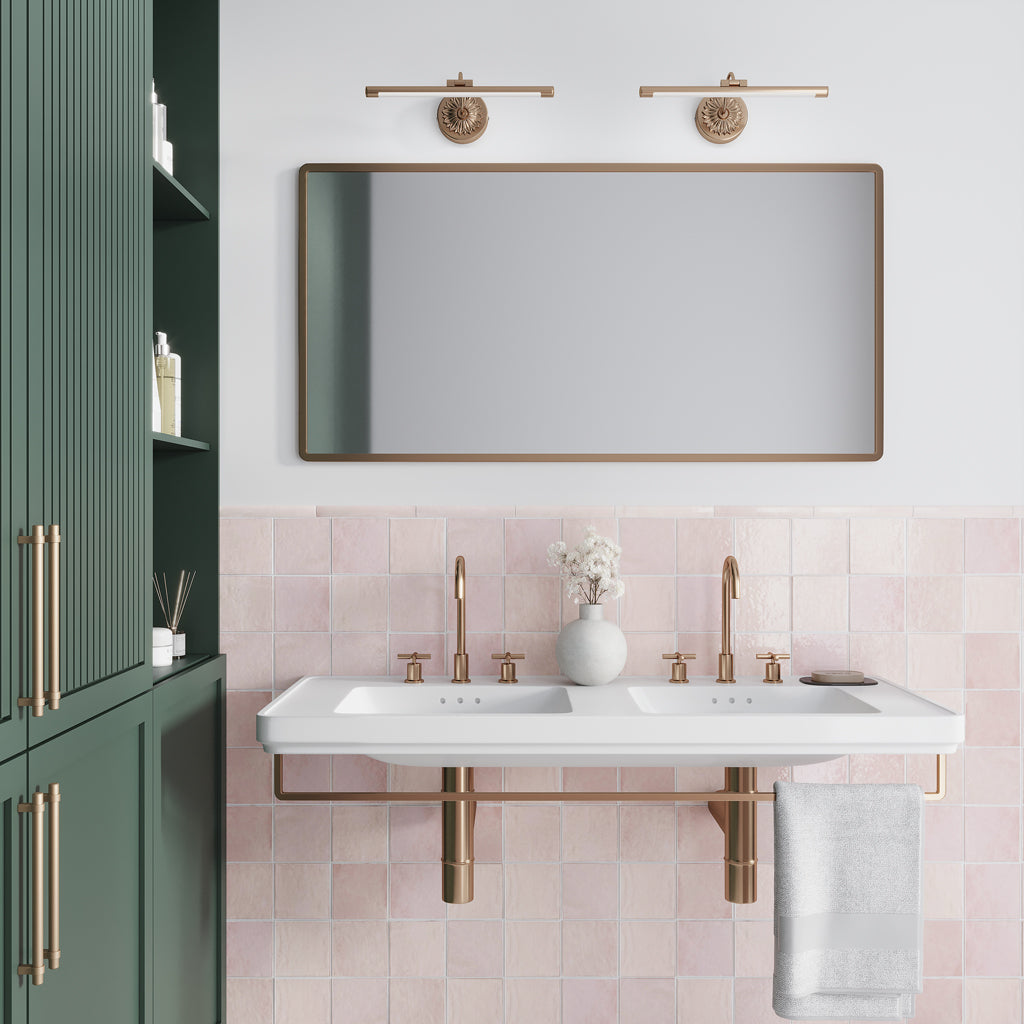

Here, color and tone variation exist in one box, but it isn’t pronounced. This subtle difference is just enough to add some dimension and character to wall and floor surfaces. Case in point, our Soft Pink 5x5 Glossy Subway Ceramic Tile.
V3 - Moderate Variation:
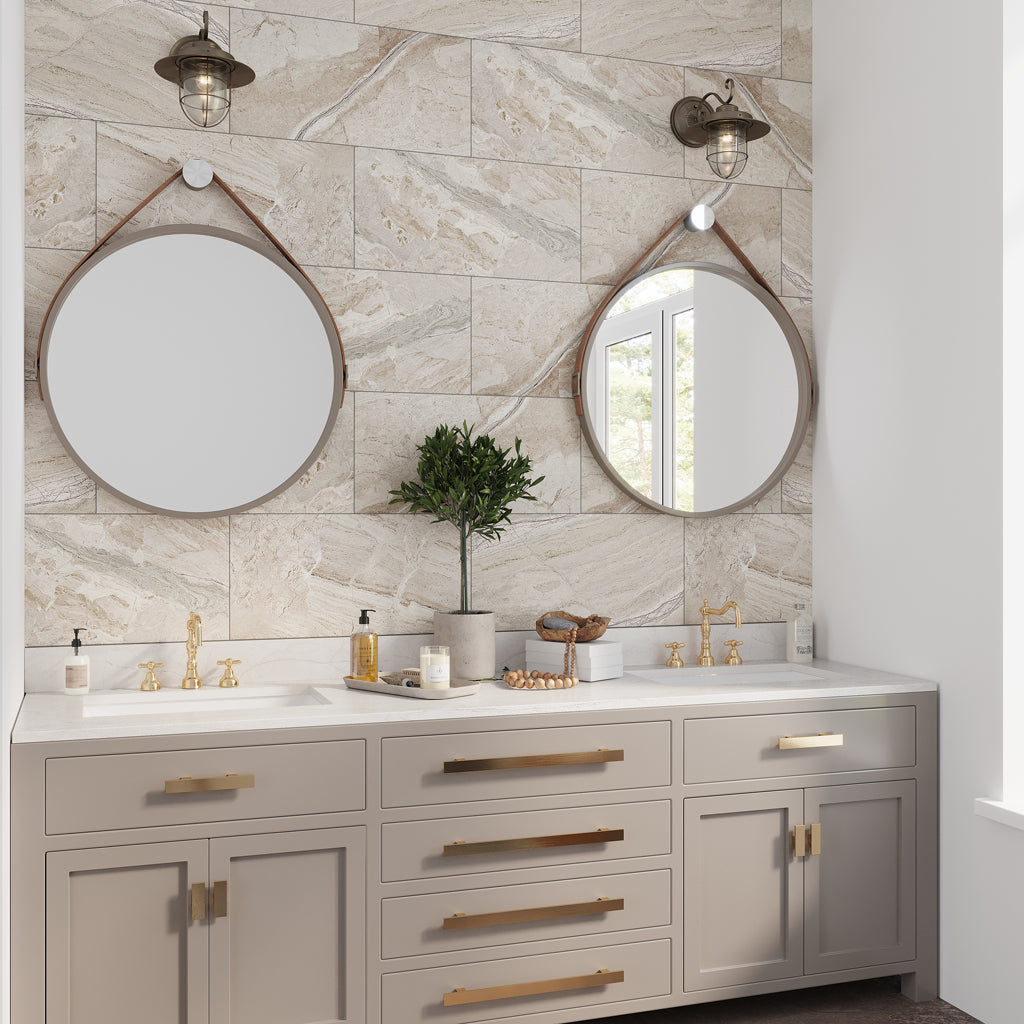

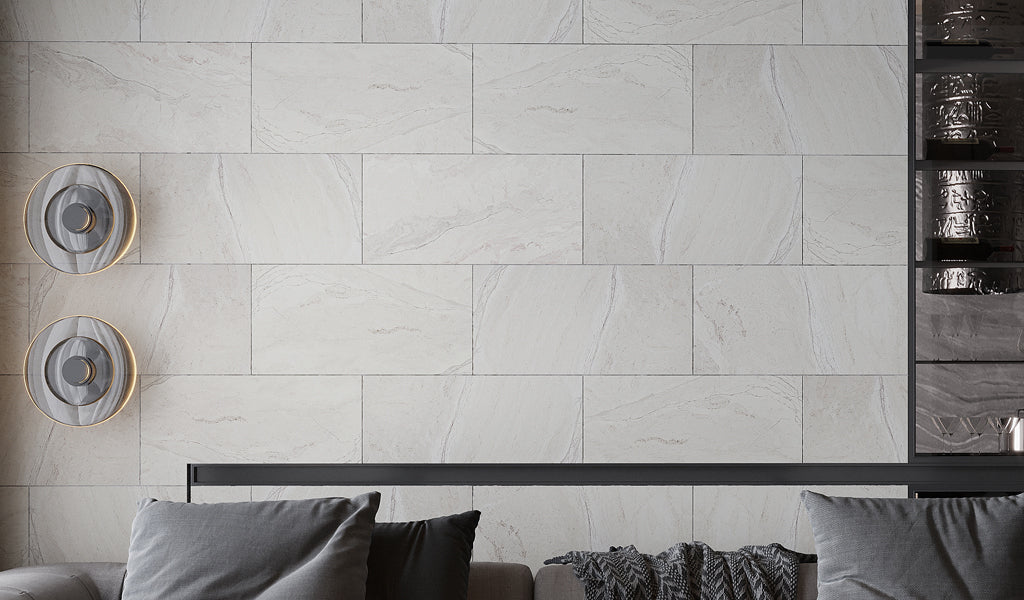
The V3 tile variation rating is assigned to product lines with clearly distinguishable differences in gradation and tonal differences. Each piece may contain a larger or smaller amount of a similar color, but when laid together, they deliver a cohesive look. Apollo Tile’s stone-look tile, such as Beige 12x24 Matte Porcelain Large Format Tile, is a good representation of a V3 rating.
V4 - High Variation:
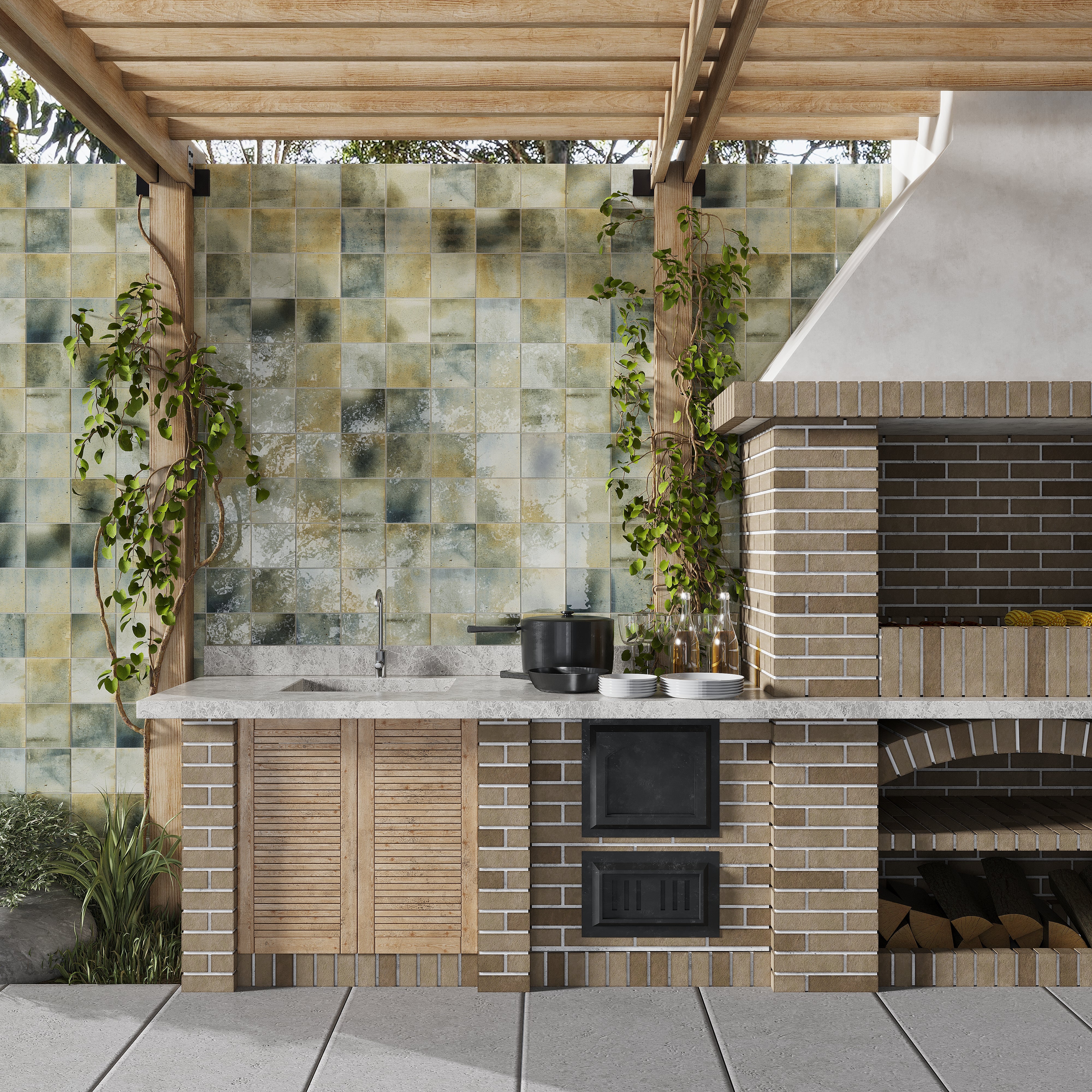

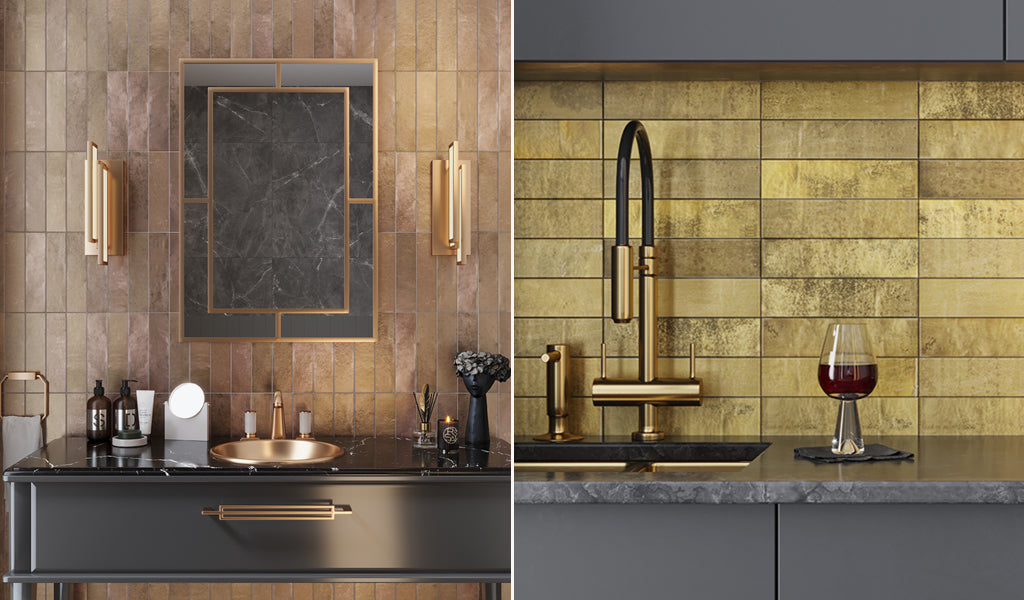
V4 - High Variation: If you’re after a style of tile that truly catches the eye, then V4 is what you should be looking at. Product lines of this sort have an immense variation in shade from piece to piece, resulting in a dynamic, non-repetitive installation. This is noticeable in porcelain that mimics the raw beauty of natural stone or the tonal shifts found in handmade Zellige, such as our Celadon Green 6x6 Glossy Zellige Square Porcelain Tile.
A tile shade variation chart is worth a thousand words, and we’ve summed it up for better understanding:
| Tile Variation Rating | Degree of Shade Variation |
|---|---|
| V1 uniform appearance | Minimal (barely there) differences in shade |
| V2 slight variation | Noticeable differences in shade and tone |
| V3 moderate variation | Distinguishable variation in shade and tone |
| V4 high variation | Unmistakable variation in shade and tone |
How Shade Variation Affects the Final Look
Having discussed the different levels of shade variation in tile, we now need to focus on how that affects the final installation. Tile variation v1 v2 v3 v4 plays a fundamental role in shaping the visual appeal of a space. If you fancy a pristine, more refined look, opting for V1 or V2 will give you a contemporary designer finish.
In contrast, V3 or V4 shade variation in ceramic tile gives installation a one-of-a-kind aesthetic. It adds character and creates layers of depth in ways that no uniform design can replicate – and melds perfectly with eclectic, Mediterranean, and rustic interiors.
How the different tile variation ratings influence room perception is another factor to look into. Low shade variation makes a space feel cleaner and more open, coming in handy in petite areas or if you’re after visual continuity. Higher shade variation in tile adds complexity and rhythm, and can be a great addition to make expansive areas feel more intimate and inviting.
Choosing the Right Tile Shade Variation for Your Space

Selecting the right tile variation rating largely depends on how you want your space to look and feel. Below are a few factors to keep in mind:
Common Mistakes to Avoid with Tile Shade Variation
To avoid surprises during tile delivery or installation, it’s important to handle shade variation correctly from the start. Here are common mistakes to watch out for:
How Lighting and Layout Impact Tile Shade Variation
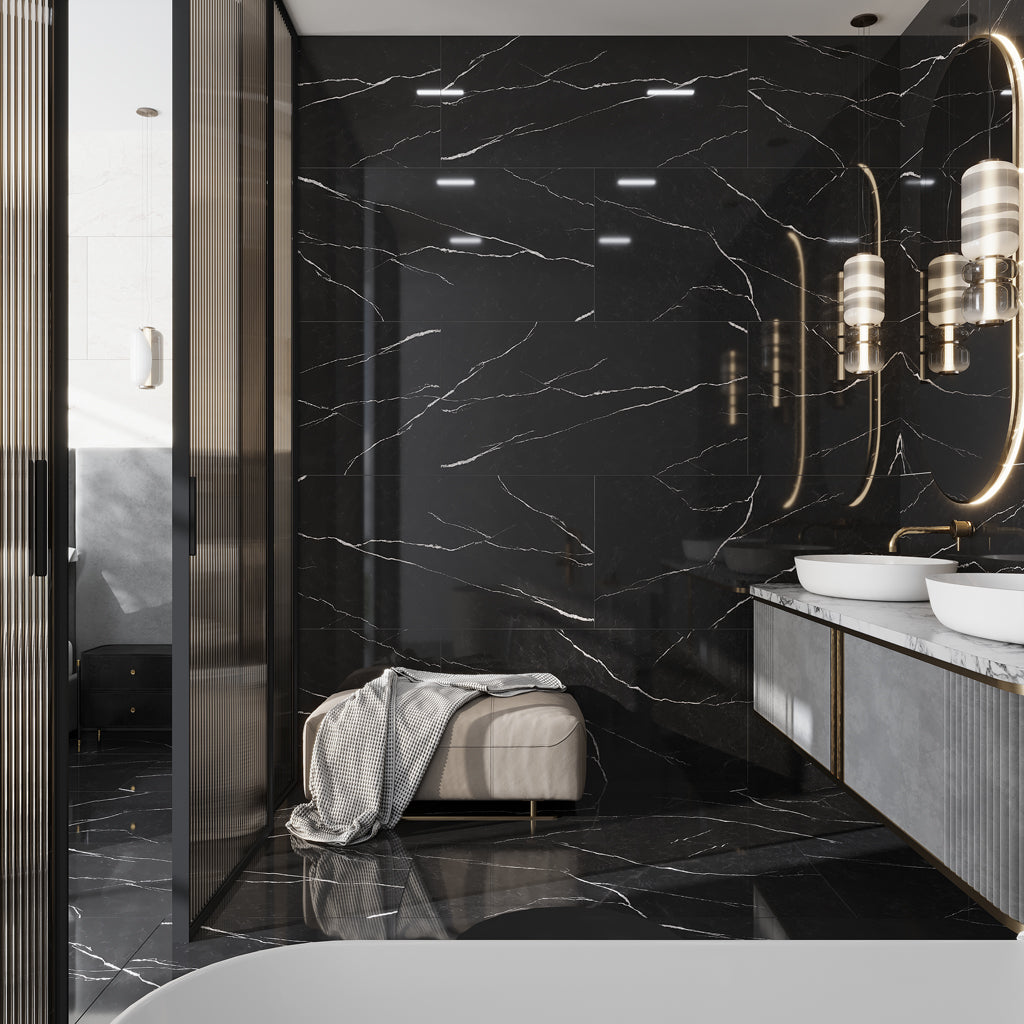

The room’s lighting can either mask or amplify shade variation in tile. Interiors that receive ample natural light accentuate the tonal differences of each piece, turning installation into a striking feature hard to ignore. Another good example is glazed ceramic tile with a V3 or V4 rating. When light bounces off the lustrous surface, it makes tonal and texture variation look brighter and more distinct.
The laying pattern during installation can also highlight the differences between tiles. Running bond pattern, for instance, tends to minimize variation, while a straight horizontal stack with all edges aligned can make shade differences instantly noticeable. Thanks to its zigzag design, herringbone pattern can help distribute color variation, creating a defined, less patchy finish.
Conclusion
Now that we’ve covered shade variation in detail, you’ll be able to narrow your search and choose tiling material that aligns perfectly with your space. Far from being a flaw, shade variation in tile can set your installation apart, giving the room character and defining different areas that you wish to highlight. V1, V2, V3, and V4 ratings celebrate the natural beauty of tile and show how truly unique a material it is.