

Can You Tile Over Tile? Pros, Cons & Expert Advice
May 25, 2026 11 minute readIf you want to refresh your floors or walls without the hassle of removing old tiles, tile over tile installation offers a practical alternative. You may have already asked: "Can you tile over tile?" Yes, you can. It is a popular renovation approach that’s quicker, cleaner, and cheaper to have a polished and stylish-looking space.
In this ultimate guide, we break down everything you need to know, including the pros and cons of laying tile over tile, and when to use it for your home.
- ✓Tiling over existing tiles is possible and can be a safe, cost-effective way to refresh your space.
- ✓The success of this installation depends on proper surface prep, stable tiles, and waterproofing in wet areas.
What Does "Tile Over Tile" Installation Mean?
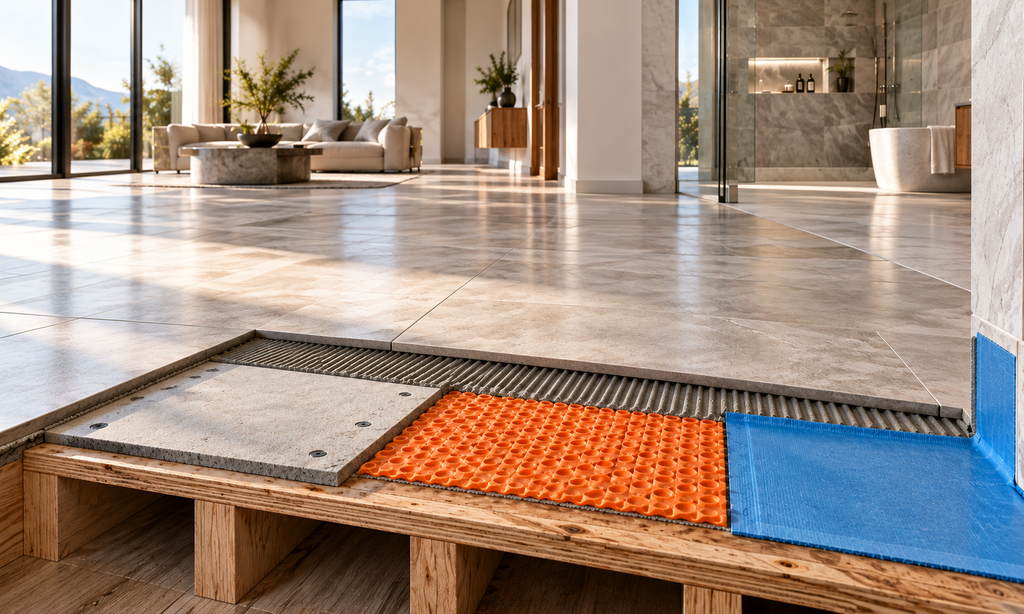
This is a method of laying new tiles over existing tiles. Simply prep the surface and lay your new tiles using a high-bond thin-set mortar. This might sound too good to be true, hence the question: "Can you lay tile over tile safely?" Tile-over-tile installation is affected by a number of important factors, such as the existing tile substrate condition and stability, the bonding properties of the adhesive system, and the type, thickness, and weight of the new tile to be installed.
The existing tile must be completely bonded to the substrate without any movement, hollow sound, cracking, or loose areas. The presence of any failure in the existing tile installation will render the surface unsuitable for tile-over-tile installation.
Most existing tile surfaces are glazed and non-porous, making them difficult to bond; hence, mechanical surface preparation or chemical surface treatment is necessary to ensure proper attachment of a high-bond thin-set adhesive.
The addition of a tile layer will increase the finished floor height, which can impact door openings, cabinetry, appliances, and transitions to other flooring materials.
The added weight of a second tile layer increases the dead load and must be evaluated against the bearing capacity of the subfloor. Installing tile on top of tile is not recommended on weak, deflecting, or inadequately supported surfaces, or where multiple layers of tile would adversely affect structural performance.
Can You Tile Over Tile Safely?
Installing tile over tile can be safe and durable if the surface condition of the tiles being covered is favorable. Tiles that are firmly placed and have no cracks or signs of mold and/or water damage can be used as a base for new tiles.
Here are a few key points to keep in mind:
The current floor tiles should be stable and securely bonded. Floor tiles that are loose and produce hollow sounds should be taken out altogether since they might reduce adhesion and cause the new tiles to loosen or fail over time.
The surface must be flat and level. If tiles are not flat, they can cause an uneven surface, which may not allow the new tiles to stick to the surface appropriately. In such cases, how to tile over tile correctly may involve using a leveling compound to create a smooth surface.
Additional layering increases the weight on the entire floor or wall. While in modern homes, this is not an issue. This may pose a problem for old, fragile constructions and for walls carrying extra load.
When these factors are properly addressed and the surface is well prepared, tile overlay installations can perform just as well as traditional tile installations. In many cases, they can last 15–20 years or even longer.
When Tile Over Tile Installation Works Best
Tiling over existing tiles can be a very smart and practical move at times, when done with some specific considerations in mind. It can be a very effective way of renewing your space without having to go through the trouble of eliminating the existing tiles.
When to apply this technique:
Removal of old tiles may not be possible because of a lack of time or budget, or some construction limitations. Thus, installing tiles over tiles is a great option because it does not include noisy demolition.
A strong foundation is essential for tiling. If your tiles are well-bonded, free from any cracks, and are well-maintained, they ensure a surface that is ideal for your new tiles to stick to.
Tiling over tile is an excellent time-saving technique in renovation. Since you will not have to take off the old tiles or deal with whatever floor or wall is beneath them, renovation can be completed quickly. It may take days instead of weeks of work to get the renovation done.
Tile-on-tile installation suits spaces with high foot traffic, such as kitchens, bathroom floors, and laundry areas. If installed well, tiles can withstand regular use in these areas without easily being damaged.
Situations Where Tile Over Tile Is Not Recommended
Though there are many advantages of tiling over tiles, it is not always an appropriate choice. However, in some situations, using this technique can result in some long-term issues. It is crucial to understand when this method should be avoided.
Laying new tile over old tile can be avoided in these circumstances:
-
Loose or Damaged TilesIf the tiles in the previously tiled area are loose or damaged in other ways, it would not be possible to work effectively from the surface because the tiles would not be level or secure.
-
Excessive Height ConcernsWith an additional layer of tiles installed, it poses a concern regarding increased height on the floor level and also a tripping hazard due to differences in height when transitioning to other rooms.
-
Moist areas with poor waterproofingWaterproofing is critical in shower areas and other moisture-prone spaces. If there are existing waterproofing failures or trapped moisture beneath the current tile, then installing new tiles over it can seal in the problem. It also leads to mold growth or moisture build-up.
-
Structural LimitationsThe construction of older homes or buildings may not be designed to handle the additional weight of an extra layer of tile. This is the extra load that can stress out the floors or walls and cause structural issues long-term.
How to Prepare Existing Tile for a Successful Installation

Preparation is a crucial factor for a long-lasting tile over tile installation. Another problem can arise if this preparation phase is skipped or rushed through. The following steps can be implemented to ensure a firm surface for the tiles.
Here are the steps to follow to ensure a successful outcome:
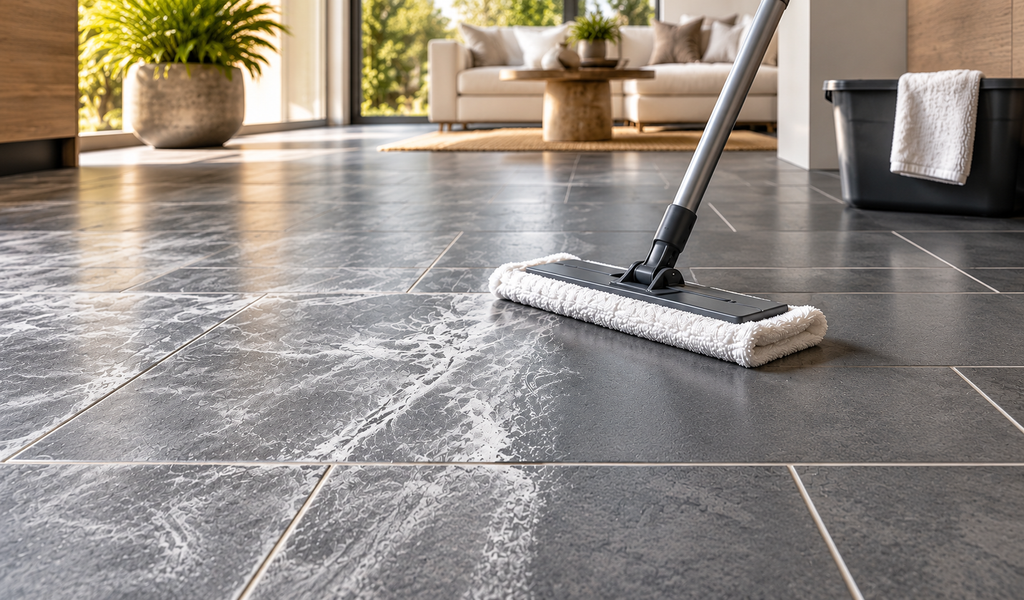
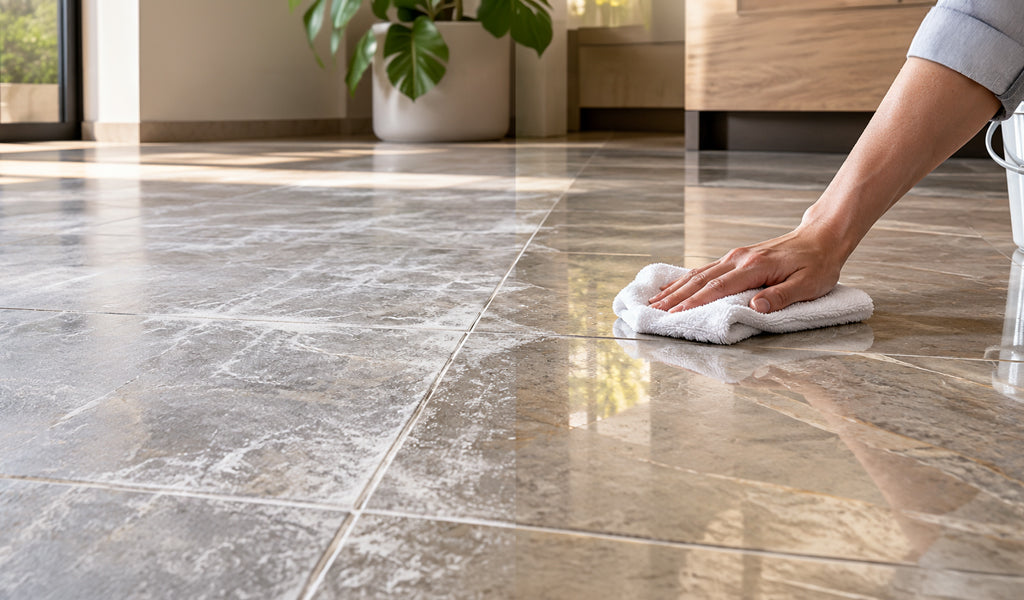
The dirt, grease, soap residue, or buildup of the cleaning agent must be removed from the tiles. A little residue can stop the bonding process of the adhesive. Hence, the tiles need to be thoroughly cleaned.
Check the existing tiles carefully for damage such as cracks or chipped areas, as repair/replacement of such tiles will be required. A stable base is required to anchor the new tile layers.
The smooth surfaces of the tiles have to be lightly roughened using sandpaper or a grinding machine so that the surface becomes rough and the tile-on-tile adhesive has something to bond with.
Fill the grout lines, holes, low spots, or uneven surfaces with an appropriate leveling compound. It is very important to ensure a flat surface to facilitate even setting of tiles without any cracking.
Tile Over Tile Installation Methods Explained
There are various techniques to use in tiling over tiles, and it is always important to choose the best one depending on whether it is an existing floor or wall, as well as the type of tiles to be used.
This is the most common and effective method when it comes to installing tiles over tiles. A good quality adhesive is designed especially for tiling over tile. The adhesive is applied with a notched trowel. The tiles are then placed and pressed firmly into position, pressing out any air pockets that may form. It is also essential that it is allowed enough time for curing.
If the existing tiled surface is not even, application of a self-leveling compound before tiling is required. This ensures that the tiles are evenly placed and eliminates any possibility of cracking and/or lipping, which is especially important when using large format tile.
Certain tile systems feature interlocking patterns that allow “floating” installation over existing tiles without adhesives. For a quick makeover, peel-and-stick tile can also be installed over existing tile when the surface is clean, smooth, and securely bonded.
Best Areas to Use Tile Over Tile in Your Home
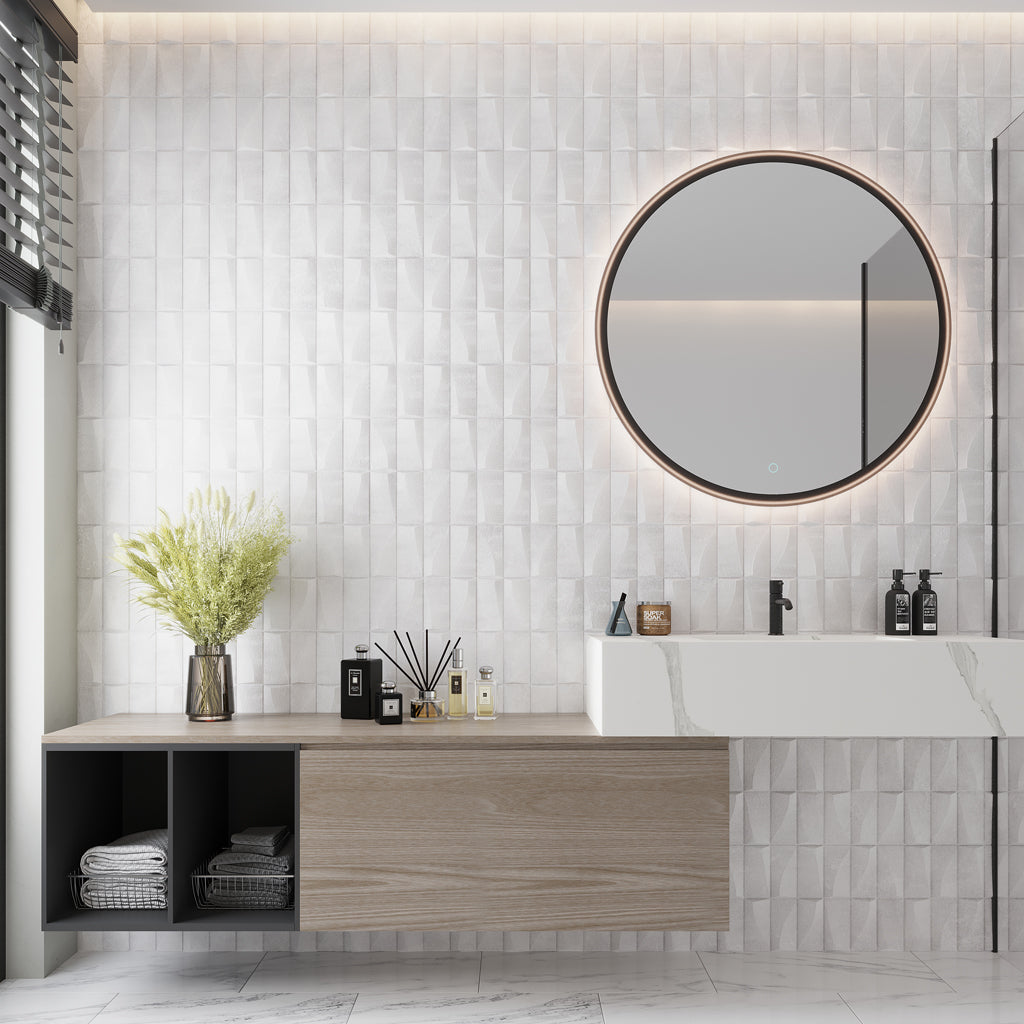
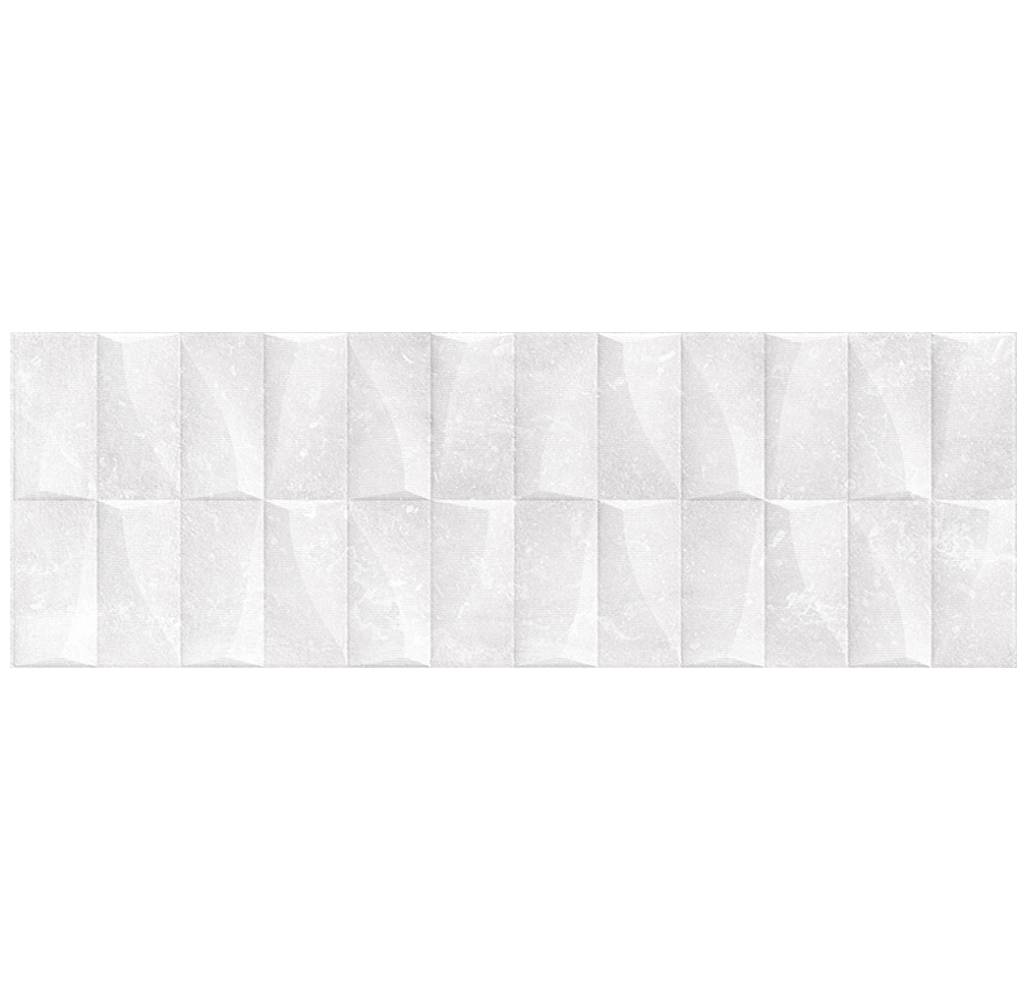
This technique of tile installation has a lot of applications in your home, especially when you want to give the space a make-over without doing too much demolition. Tiling over tile installation works well when the tiles to be overlaid are in good condition, and the surface is properly prepared.
Tile overlay is applicable in the following situations:
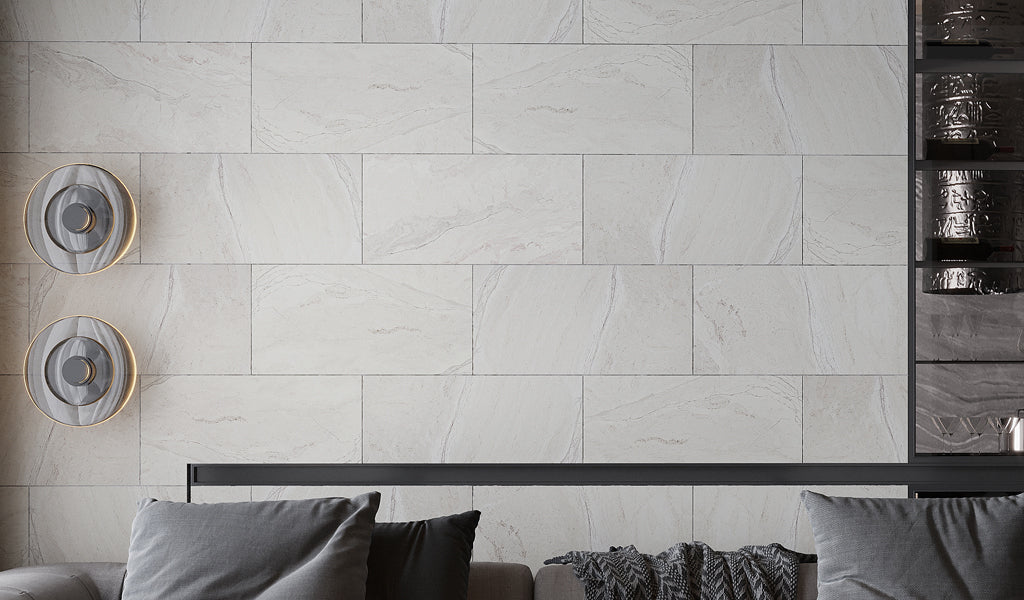
Tile over tile is perfect for bathrooms, as it allows for easy renovation of outdated color schemes and designs. Waterproofing of tiles, particularly where water is involved, is key before their installation. Designed for durability and moisture resistance, our White 12x36 Matte Ceramic Large Format Tile is a smart choice for tile-over-tile applications, delivering a modern finish while visually expanding walls and creating a more open, spa-like feel.
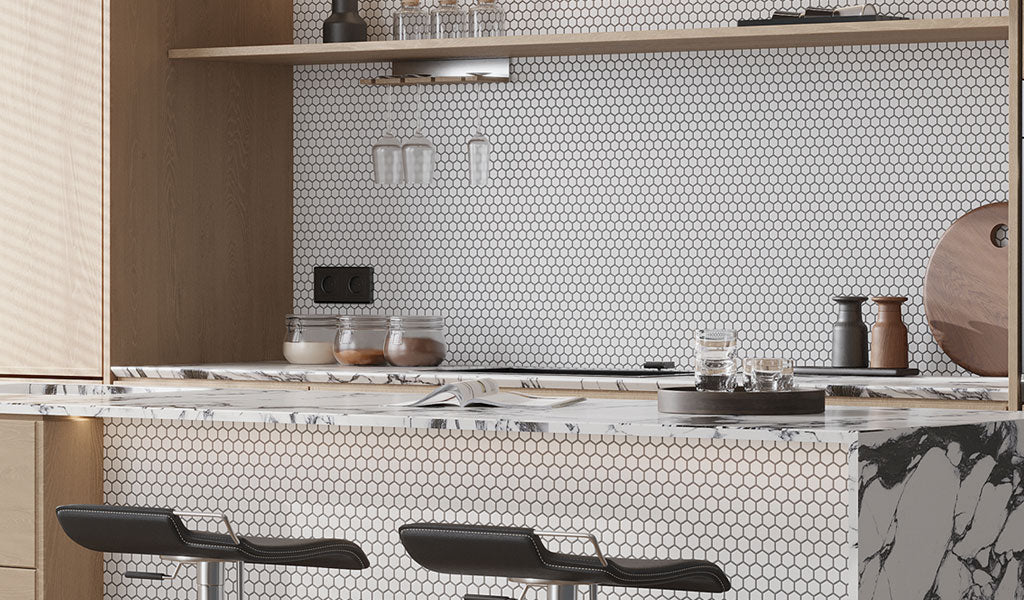
Tile overlay is best used for kitchen backsplashes or flooring areas in homes that require an effortless, clean update. It protects the wall from water splashes and gives the space a fresh, new look.
In these areas of your home where traffic is high, tiling over tile is a great solution if a quick fix is needed. With the correct installation and surface preparation, our porcelain tile is well-suited to handle high foot traffic and the day-to-day wear and tear.
Do not use tile on top of tile where structural limitations are present or where high moisture levels may negatively impact adhesive properties and cause new tile performance to degrade over time.
Conclusion
Installing tiles on top of other tiles can be an intelligent and pragmatic solution to revive your space, if done correctly. With all the right tools and techniques, following the pros and cons as we mentioned here, you can create a perfect and long-lasting solution.