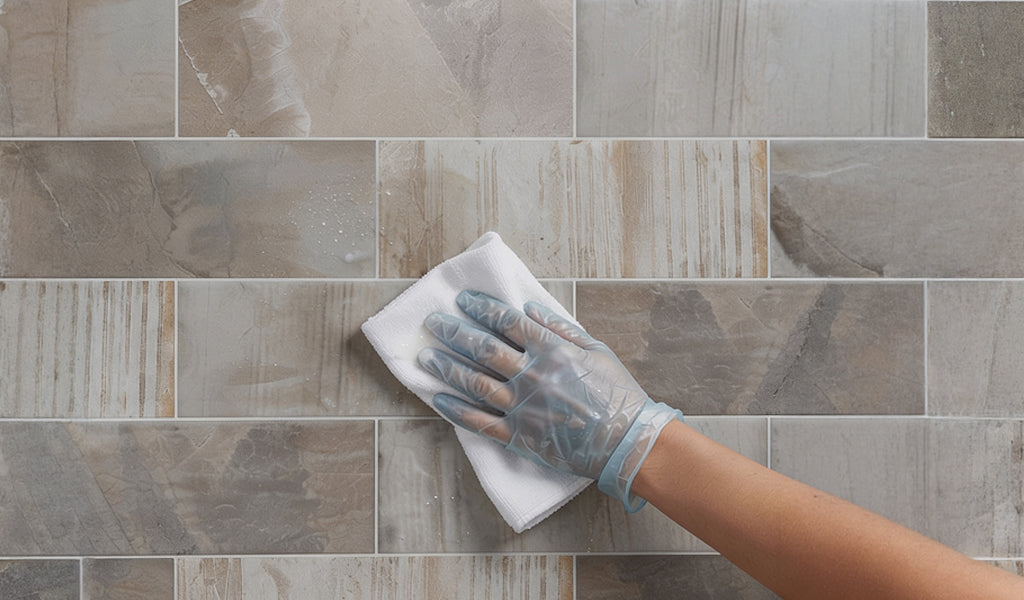


How to Change Grout Color on Tile Without Removing It: A Complete Guide
May 22, 2026 9 minute readIf you’ve been wondering if you can change grout color without tearing it down, the simple answer is Yes! Whether it’s due to wear, fading, or discoloration, or you simply want to up the room’s oomph, using grout colorants or stains is a practical and affordable way to completely transform the aesthetics of walls, floors, and the entire space. This comprehensive guide walks you through every detail: how to change grout color, how colorant and stain sealers work, and common mistakes to avoid if you’re aiming for the best results.
Key Takeaways
- Changing grout color using colorants or stains is a simple, quick, and affordable way to upgrade the look of your wall, backsplash, or floor tile installation.
- Proper grout cleaning, color application, and drying time are crucial to achieving long-lasting, premium results unaffected by moisture, wear, and stains.
How Grout Colorants and Stains Work

For a wall or floor installation to maintain its integrity, tiles need to be held in place so joints do not chip or rub against each other. The material used to fill these seams and provide support is grout. Over time, moisture, foot traffic, UV exposure, or cleaning agents can cause grout to fade, stain, and lose its original color. If grout is an eyesore but still structurally sound, you can revitalize its appearance without removal.
In another case, you may be looking into a new look. Perhaps you've made a few changes to your space and the new décor scheme doesn't gel with your existing tilework. Or you're tired of playing it safe with neutral grout and want a pop of color to add a bit more personality.
So, can you change grout color in both scenarios? Absolutely. There are plenty of colorants and stains that can breathe new life into your bathroom or kitchen tile installation without the invasive process of full grout removal. These products can lighten, darken, or change color entirely, while providing a protective layer. So in essence, most grout stains also serve as a sealant. Not only do they add color, but they also provide a superior seal against moisture, discoloration, and fading.
Step-by-Step Guide to Changing Grout Color

How to change grout color? As mentioned earlier, existing grout can be enhanced or changed entirely with a colorant or stain. Compared to regrouting, this DIY method is the least labor-intensive - and with a little patience and the right tools, can be done successfully in the way the experts do it.
Tip
Always test a small, hidden area first to ensure satisfactory results. The new hue may appear slightly different due to tile color, room's lighting, or existing grout shade. To fully cure, avoid scrubbing grout lines for at least 10-15 days.
How to Choose the Right Grout Color for Your Tiles
Now that we’ve covered the steps on how to change color of grout, let’s discuss choosing the right hue. For one, new grout color can help tie your design scheme together. Maybe you’re reading this blog to learn how to change grout color from dark to light. Or you just moved into a rental and want to get rid of those dingy grout lines without doing too much. Whatever the case, grout comes in a kaleidoscope of colors, and the wrong hue can make or break the appeal of your installation.


Match Tile and Grout Color:
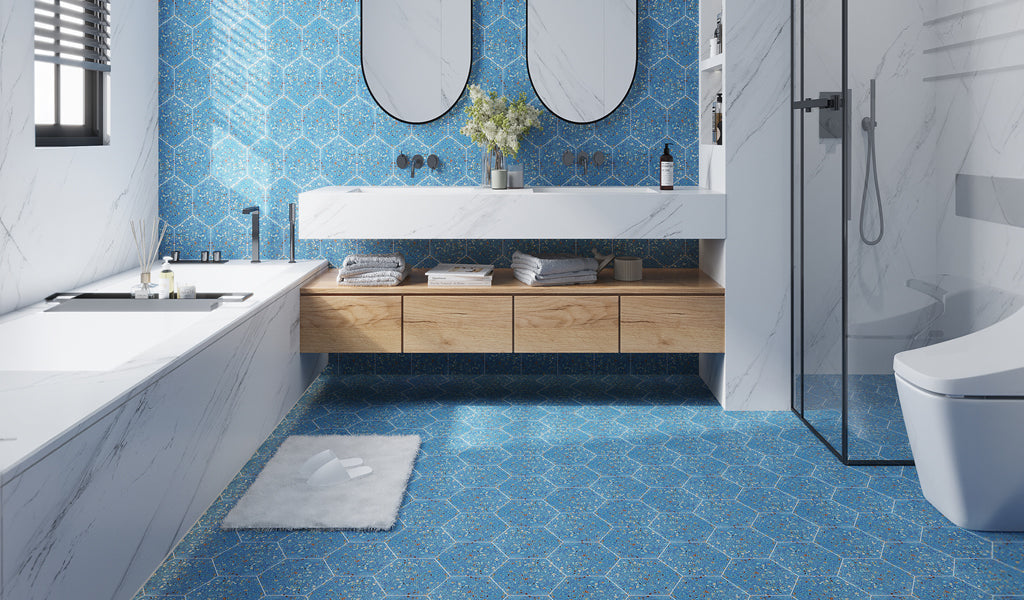
Choosing a grout stain that closely matches tile color creates a cohesive look. Almost as if grout lines fade into the background, allowing the tile’s design to shine. This option works well in country, classic, and muted interior schemes. Practically, a more seamless appearance can visually make the surface, say a tiled backsplash, fireplace, or tub surround, feel expansive. For instance, our Celestine Blue 24x48 Honed Porcelain Large Tile paired with matching joints appears as a continuous surface devoid of grout lines.
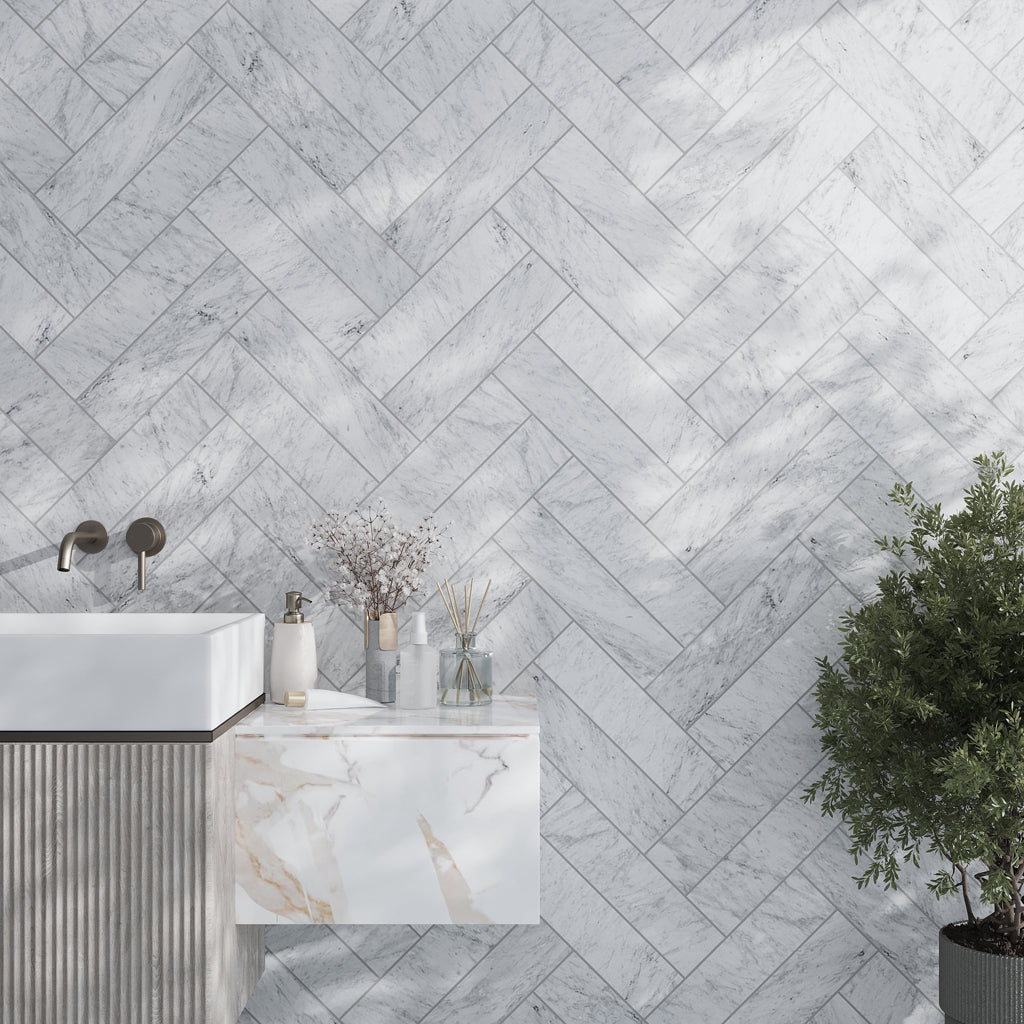
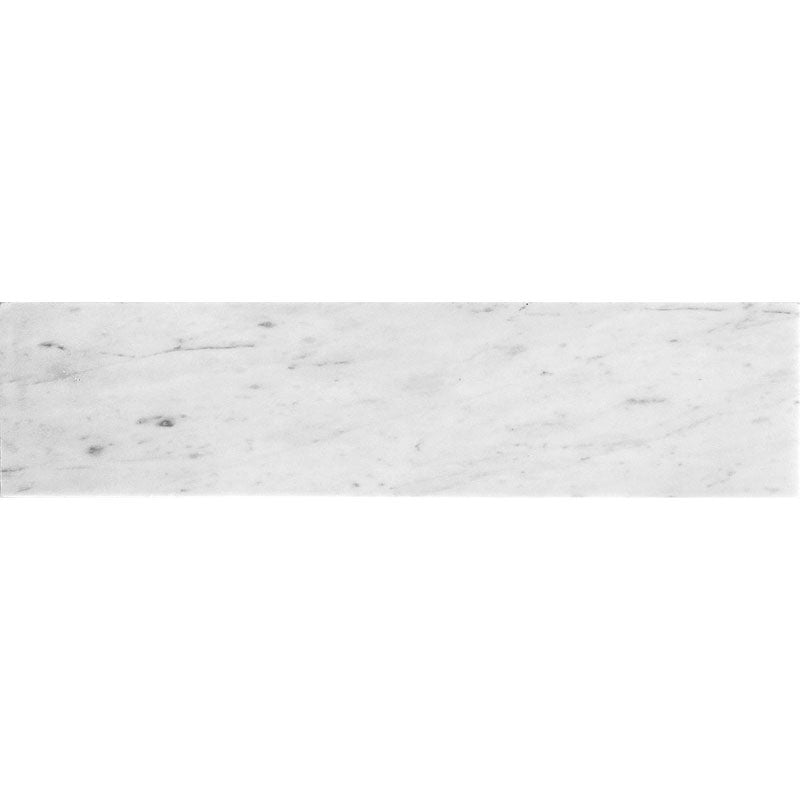
Contrast Tile and Grout Color:
The opposite exists, and it involves contrasting tile with grout color. This approach delivers a more dynamic finish, whether the tile’s contours are more pronounced, highlighting its shape and pattern even further. A good example is white subway tile with black grout. Can you change grout color to a more vibrant shade? If you’re after a brighter look, there’s no reason to default to traditional white, gray, beige, or black. You can opt for a bolder colorant or stain, such as red, green, or blue, to contrast with a simple tiled wall.
Common Mistakes to Avoid When Changing Grout Color

It's clear that learning how to change grout color has its merits, but common mistakes do pop up due to poor prep work, product selection, and application. Here's what to look out for:
Inadequate Grout Cleaning
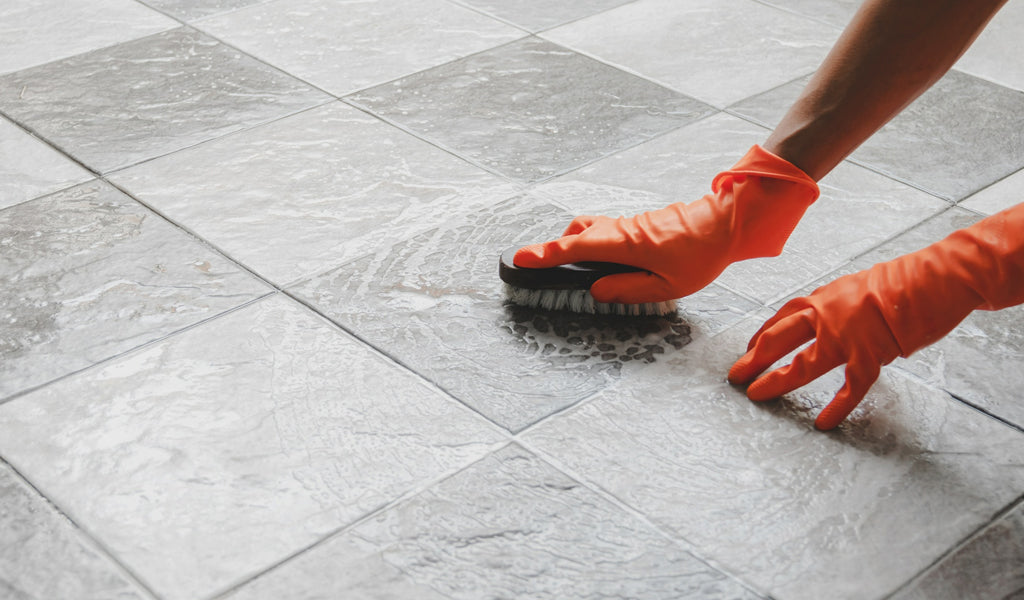
Poor cleaning of grime and dirt buildup, especially on shower tile, can affect how well the new color adheres.
Skipping Color Testing
Some grout colorants and stains dry differently from how they appear when wet, so it's always best to test on a small area to ensure you're happy with the results.
Choosing the Wrong Product
As stated earlier, there's a difference between grout colorants and grout stains. Colorants coat and recolor the surface while stains penetrate the grout. Make sure to verify the product's compatibility with your grout before use.
Applying Color over Sealed Grout
For the color stain to penetrate, grout should be free of any sealing material. To check if it has been stripped away, sprinkle water on the grout. If it soaks into the surface, then the grout is free from sealers.
Not Accounting for Drying Time
Just as you would allow grout ample time to fully dry after installing floor or wall tile, the same should be afforded to refreshing or changing its color. A rushed job will only end in uneven, sloppy grout lines.
How Long Does Grout Color Last and When to Replace It
Part of learning how to change grout color without removing it is knowing when to refresh the applied colorant or stain. Color sealers last 3 to 10 years, depending on a few factors, including the quality of the application, the grout upkeep, and the level of traffic or moisture the area is exposed to.
In dry areas that see low foot traffic, they can last up to 15 years. Because most high-quality grout colorants and stains also act as a seal, they are resistant to stains, mold, and fading. That said, grout color should be refreshed when signs of wear, peeling, discoloration, or fading begin to show.
Conclusion
If regrouting is not in your skill kit yet, learning how to change grout color is a good alternative. The process is simple yet impactful, and following the steps shared above can elevate the overall look of your space. Remember, the key to the best results is proper surface prep, application, drying time, and aftercare – and, of course, a bit more patience. If your grout lines have deteriorated and changing color won’t cut it, check out our blog on how to regrout tile.