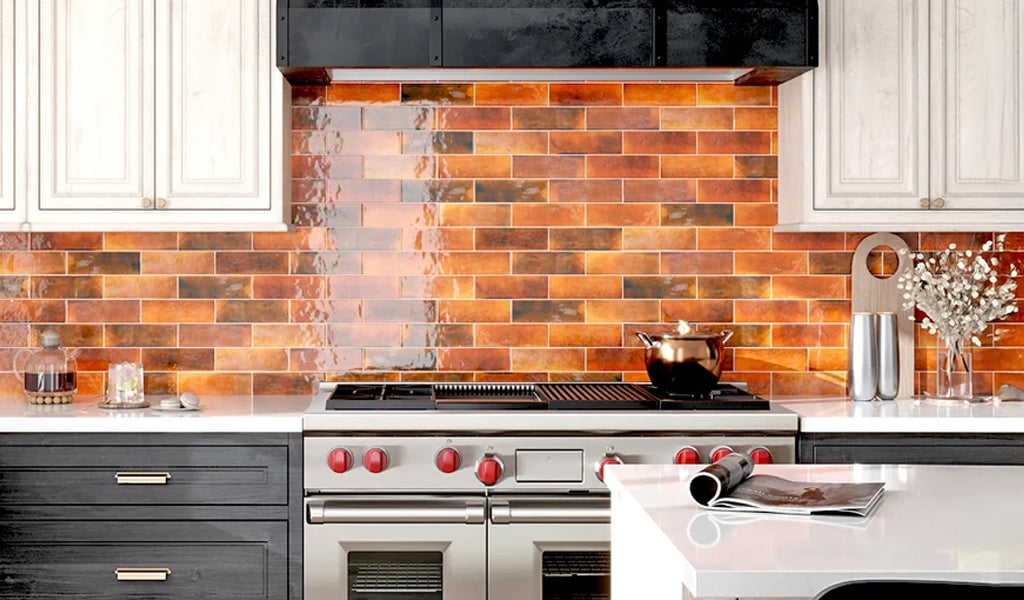


How to Remove Grout Stains: Easy Cleaning Tips for Discolored Grout
Aug 31, 2026 11 minute readIf you want to keep your tilework looking pristine, start with grout. Tiled walls and floors resist moisture and stains, but grout, on the other hand, is porous and prone to buildup, staining, and even mold and mildew. While restoring those once-clean grout lines to their original condition can seem complicated, it isn't a big problem if you use the right cleaning method. Below you will find easy, practical tips for removing grout stain and keeping tile installation looking clean for longer.
Key Takeaways
- Using the right cleaning method to remove stains can restore grout to its original appearance without damaging the surrounding tiles.
- Proper routine cleaning and maintenance, along with periodic sealing, will help keep tile installation clean, fresh, and looking its best for years.
What Causes Grout to Become Stained and Discolored?

So how does this ubiquitous material, present in just about any room, get dirty? A mixture of cement, sand, and water, grout holds tile in place and maintains structural integrity while preventing moisture and other liquids from seeping to the surface beneath. But it's the very same thing it guards against that makes it hard to clean.
Grout is porous, and its open pore structure readily absorbs moisture and other contaminants. This cement-based material stains and discolors from spills, grease, soap residue, and tracked-in dirt that settles between the tiles and clings to the surface. In damp areas such as bathrooms and kitchens, excessive moisture can encourage mold growth, resulting in stubborn dark discoloration. Poor ventilation, infrequent cleaning, and unsealed grout can make the problem even worse. With these details, you can determine the best cleaning method when learning how to remove black grout stains from tiles.
Which Grout Cleaning Methods Work Best?
The best way to clean grout stain depends on the type and severity of the discoloration. For light dirt, a solution of warm water and mild detergent and gently scrubbing with a soft-bristled brush will suffice. There are several ways to tackle stubborn, deep-set buildup. DIY cleaning solutions using pantry items like baking soda can help loosen embedded grime. Commercial cleaners with strong active ingredients are also effective at breaking down and removing heavy stains.
Can Baking Soda, Vinegar, and Hydrogen Peroxide Remove Grout Stains?

For regular grout on wall or floor tile, you can use some tried-and-true household items. Baking soda, vinegar, and hydrogen peroxide are common products you'll come across when learning how to remove grout stains from tile.
Baking Soda and Water
Because of its texture, baking soda can act as a mild abrasive. Mixed with water, it forms a thick paste ideal for cleaning light dirt off grout. To clean, apply the paste to the stain, let it sit for several minutes, and then gently scrub with an old toothbrush or soft nylon brush. Rinse thoroughly with clean water and wipe dry with a microfiber cloth. Avoid aggressive scrubbing with baking powder because it can scratch delicate marble and glass tile surfaces, such as our Ash Gray 4x16 Glossy Subway Glass Tile.
Baking Soda and Hydrogen Peroxide
For embedded dirt that collects between tiles, create a paste of 3% hydrogen peroxide with two to three parts baking soda. Whether working on living room floors or kitchen backsplash tile, the paste should be thick enough to apply to grout; let it sit for 5-10 minutes to loosen grime before gently scrubbing and rinsing with clean water.
Vinegar and Water
For ceramic and porcelain floor tile, a common starting ratio is 1 part white vinegar to 1 part water, used to loosen soap scum, mineral deposits, and surface grime. Spray the mixture onto the grout, let it sit briefly, gently scrub, and rinse with clean water. Because vinegar is acidic, avoid it on natural stones like limestone, travertine, and marble, as it can etch and permanently damage the tile surface.
When Should You Use a Commercial Grout Cleaner?
When grout darkens or shows signs of erosion or mold growth and regular soap and water or household cleaning methods are less effective, it may be time to turn to commercial cleaners. Choose products labelled safe for porcelain, ceramic, or natural stone like marble mosaic tile.
Commercial grout stain cleaners are formulated to break down tough buildup without excessive scrubbing, making them especially useful in high-traffic and moisture-prone areas such as entryways, kitchens, and bathrooms. Even as a beginner learning how to remove black grout stains from tiles, following the manufacturer's instructions is key to achieving the best results.
Can Steam Cleaning Remove Grout Stains?

When all else fails learning how to clean discolored grout and tougher stains with the methods shared above, steam cleaning can be your next line of defence. A steam mop reaches high temperatures to break down dirt without using chemicals. While steam cleaning may seem daunting to the novice, it's actually a simple method that removes stains on contact. So how exactly does it work? This cleaning tool heats water to produce high-pressure steam through a nozzle held 1 inch away and moved slowly along the grout lines.
This heat softens deep-set dirt and grime that cause grout stain and penetrates its pores. After steaming, gently brush away the remaining debris, rinse thoroughly, and then dry the area with a soft microfiber cloth. To sum up, steam cleaning reaches areas other cleaning tools can't and leaves grout lines noticeably cleaner with far less effort.
How to Clean Black, Rust, and Other Tough Grout Stains
If natural cleaning solutions don't quite cut it, the best approach to removing black or rust stains is targeted commercial products. A specialized cleaner combined with gentle agitation can help break down deeply embedded stains and restore the grout's original appearance. While it can be frustrating to get those thin lines looking their best, avoid using harsh chemicals or abrasive methods, as they can weaken grout and cause further discoloration. For older grout or stains that persist even after cleaning, professional grout cleaning may be necessary.
How to Clean and Brighten White Grout

Unlike black grout, which conceals dirt better, white grout can be tricky to clean, brighten, and return to its original state. That doesn't mean it can't be done. To clean light grout stains, whether around small or large format tile, apply a grout-safe cleaner and let it sit for a few minutes before gently scrubbing with a soft- or medium-bristled nylon brush.
How to remove grout stains when a simple cleaner fails? Here, you can use a homemade solution, such as a baking soda and water paste, or a commercial-grade grout cleaner designed for white grout. If the grout is clean but the color has dulled, a grout colorant can restore a brighter, more uniform appearance.
What Should You Avoid When Cleaning Grout
Now that we've covered in detail how to clean discolored grout and tough stains, let's look at what doesn't work. Below is how not to clean grout:
Avoid Harsh Chemical Cleaners
When cleaning those thin lines that hold tile installation in place, avoid using harsh chemicals that can weaken grout. Strong acidic products like undiluted vinegar and concentrated lemon juice can do more harm than good over time. Always test new products in an inconspicuous place to prevent potential damage.
Avoid Abrasive Cleaning Tools
The same goes for using inappropriate tools such as stiff metal-bristled brushes, which can wear away grout and scratch the tile around. Opt for a soft- or medium-bristled nylon brush for cleaning tough-to-remove grout stain without harming the tile.
Avoid Scrubbing Grout Excessively
Grout on indoor and outdoor tile can get pretty filthy, but aggressive scrubbing will not get it clean any faster. In fact, too much pressure does the opposite. It can weaken tile joints, causing grout to crumble and deteriorate.
Avoid Letting Cleaning Products Sit Too Long
Applying cleaning product on grout stain and letting it sit for a few minutes helps break down dirt and grime. However, leaving it longer than necessary can cause an especially strong cleaner to dry on the surface and discolor it. Always follow the manufacturer's instructions for the best outcome.
Avoid Letting Water Pool on Tile
The last thing you want is to saturate grout with too much water, as it can seep into its porous structure and reach the surface beneath. This can cause unnecessary moisture and mold issues. Use just enough water to rinse cleaning products, then dry tilework thoroughly with a soft microfiber cloth.
How Can You Prevent Grout Stains in the Future
Part of learning how to remove grout stains is knowing the right steps to take to keep tilework looking immaculate. Regular maintenance and preventing dirt from collecting between the tile joints is essential. Wipe spills and food stains promptly before they dry up and become hard to clean, and use cleaners formulated for grout care. For bathroom backsplash or shower tile wipe surfaces after every use and keep the space well-ventilated.
Grout, particularly cement-based, should be sealed periodically to repel liquids. Apply a quality sealant at installation and reapply as recommended by the manufacturer; typically every 1-2 years for low-activity areas and 6-12 months for high-traffic and wet environments. What sealant is best for grout? Penetrating (impregnating) grout sealers are the best all-around choice, designed to soak into the grout pores without leaving a noticeable film or altering its appearance.
This type of sealant is especially beneficial for a shower, bathroom, and kitchen tile installation, where it creates a protective barrier against water and stains and extends the lifespan of grout by 50%. As mentioned several times throughout this guide, avoid harsh chemical cleaners on grout, as they can eat at the sealant and weaken grout lines. Our blog, How to Seal Grout on Tile Floor, explains every step in detail so you can do it right the first time.
Conclusion
Removing grout stain doesn't have to be difficult when you use the right cleaning method. From simple DIY solutions like baking soda and water paste to specialized commercial cleaners and steam cleaning, the various methods shared in this guide can help restore the appearance of grout lines without harming your tiles. Regular cleaning, wiping spills as they occur, proper ventilation in moisture-prone areas, and periodic sealing are necessary steps to maintain a pristine installation and prevent stains, mold, and mildew from returning.