
Where to Place a Shower Niche: Best Placement, Height & Design Tips
Oct 21, 2025 9 minute read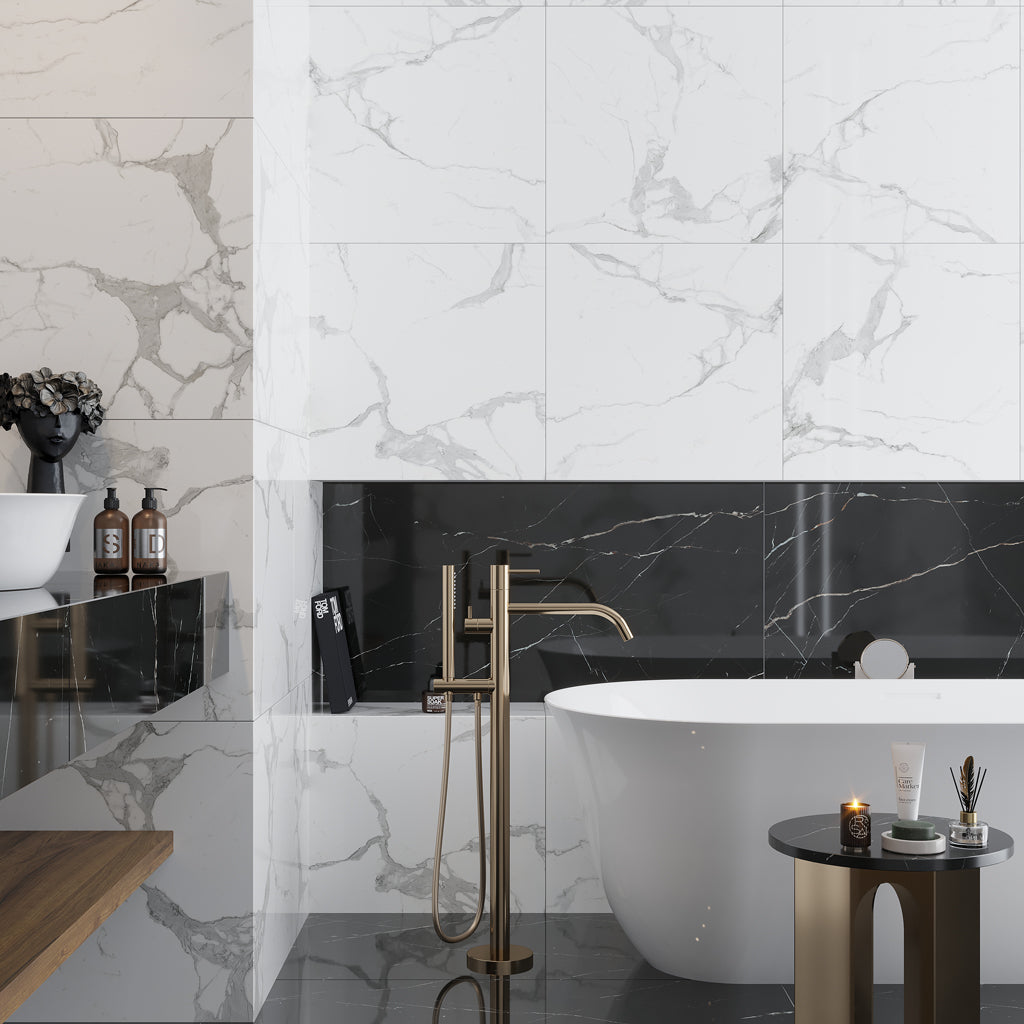
In bathrooms, space is at a premium. One of the most practical additions is a tiled wall niche. This built-in recess is the secret to a clutter-free room and can easily be a defining feature of the space. But where exactly should it go? How high should it be off the floor? Let’s break down everything you need to know about where to place shower niche.
A tiled niche in the shower wall or tub surround has become a staple in modern bathroom planning. This additional storage involves thinking through the placement, height, and overall style. At Apollo Tile, we believe that good design is all about making life easier. That means balancing function and form with the unique constraints of the bathroom. Whether you're undertaking a full renovation or a quick spruce-up, getting the details right can make
Wondering where the niche should go? Don't sweat it. Think of this guide as a design cheat sheet packed with all the answers to those burning questions, like how high should a shower niche be and what’s the best spot to place it.
Key Takeaways
- The best wall for a shower niche is one that’s easy to reach and not constantly soaked.
- A standard shower niche height from floor is between 42 and 48 inches, but this can be adjusted to suit user height and bathroom/shower type.
- A shower niche on exterior wall isn’t advised due to insulation concerns and potential moisture issues.
- Plan a niche within existing wall stud spacing to simplify framing and ensure a sturdier build.
- Coordinate shower niche placement with the tile design to avoid awkward cuts or uneven grout lines.
What is a Shower Niche?
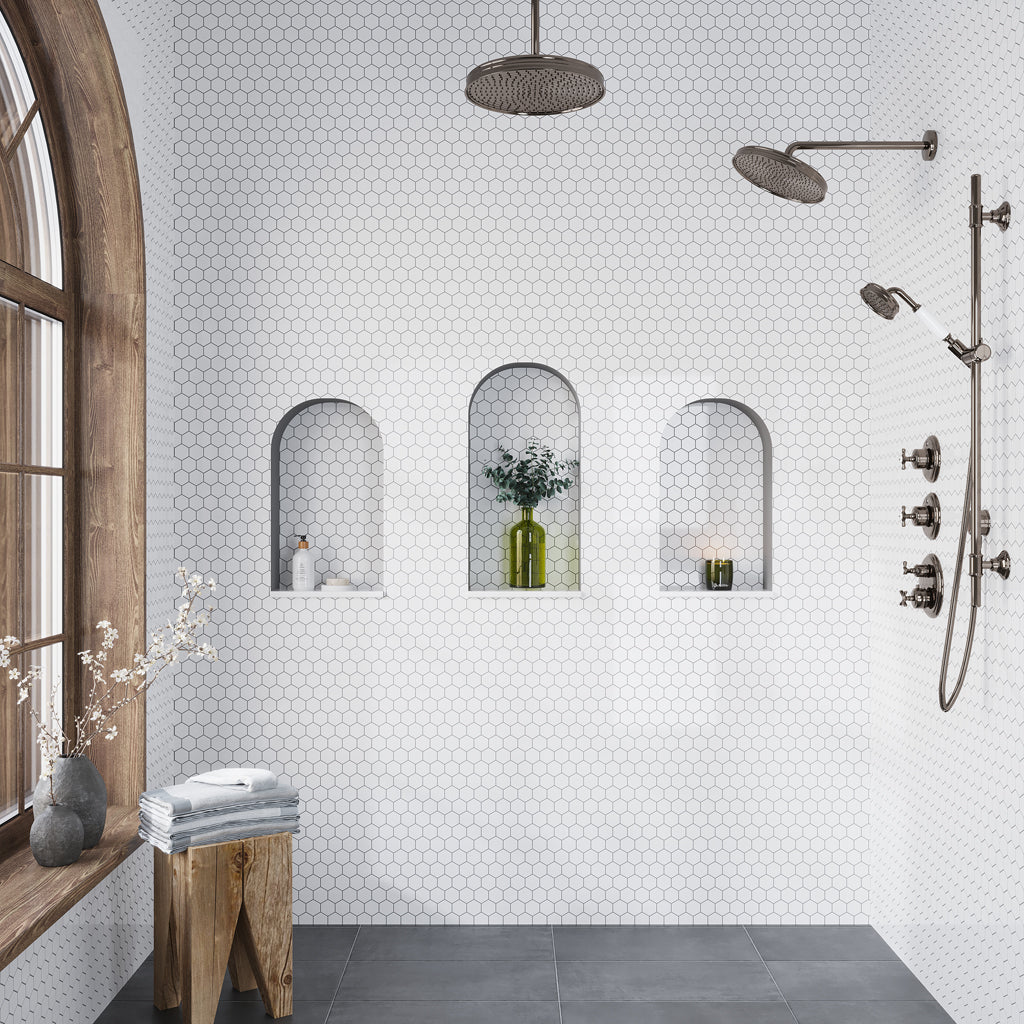
Remember life before storage niches? While once even upscale bathrooms had to make do with clunky caddies or precarious stick-on shelves, the answer all along was a recessed nook. But what is a shower niche?
To say it’s just a spot to corral bathroom sundries is selling it short. These built-in nooks and crannies serve as their own striking focal point, adding dimension to the monotony of flat walls while offering a home for everyday bath essentials.
A shower niche can span the length of the wall or be a small opening right in the center. It can take on any configuration: square, rectangular, or arched, single or double, horizontal or vertical, with shelves or without shelves! Lined with stunning decorative tile, an insert niche becomes a standout feature that takes the room to a fresh, exciting realm. Here, the tiles can match or complement the surrounding walls to maintain a cohesive, modern look.

So, where to place shower niche? The best placement depends on the shower layout and plumbing. For an elevated self-care moment, the niche should be positioned on a wall that’s easily accessible while standing under the water. The wall opposite the showerhead is often a popular choice because it's visible and less likely to get drenched. This helps keep the stored items dry between uses.
If you have a shower-bath combo, consider shower niche placement on the long wall, where everything is within easy reach. Avoid walls with major plumbing unless you're planning a full bathroom design overhaul, as moving pipes can be both complicated and costly.
Shower Niche Height from Floor: How High Should It Be?
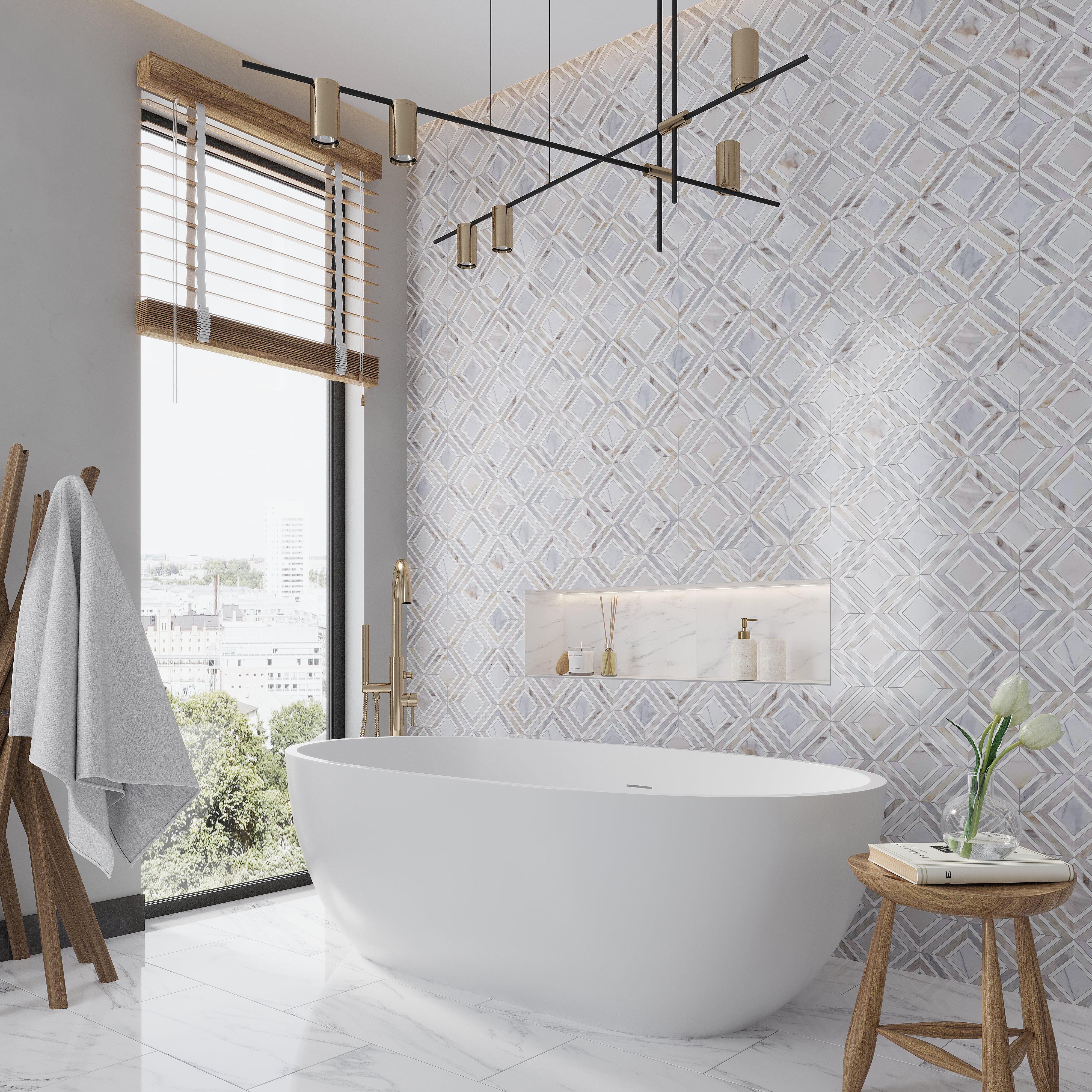
A common shower niche height from floor is between 42 to 48 inches, roughly chest height for most adults. This placement allows for easy reach without bending or stretching. On the wall behind the bathtub, a niche can go between 25 to 30 inches from the floor to accommodate seated use while bathing.
Ultimately, there is no one-size-fits-all. If creating a custom layout, you can go about it in two ways. First, consider the heights of the people who will use the bath space most. For instance, in a family bathroom, you might include a lower niche for children. Second, stretch your hand toward the wall to the height that feels most comfortable and functional. The area your hand is guided to is the ideal sweet spot to install a niche.

It’s best to avoid placing a shower niche on exterior wall for good reason. Exterior walls are often insulated and have vapor barriers to protect from temperature changes and moisture intrusion. Carving into the wall for a niche may create a thermal weak spot, increasing the risk of mold, mildew, water damage, and potential structural problems.
If an exterior wall is your only option, worry not. It’s possible to work with a skilled contractor who understands the challenges. They have the expertise on how and where to place shower niche while ensuring proper insulation and waterproofing. In such a case, using a quality vapor barrier and moisture-resistant backer board is a must to keep the niche dry and protected for the long haul.

When deciding where to place a shower niche, one key consideration is the positioning of wall studs. Standard wall framing includes studs spaced 16 inches apart, and aligning the niche within this spacing allows for a cleaner, faster installation of support elements, backer board, and even wall tile, without framing adjustments. What exactly does this mean? Essentially, the studs play a crucial supporting role for the niche, ensuring it remains secure and stable within the wall.
If you’re going for a custom-sized niche that falls outside the existing stud bay, you may need to add extra framing work to reinforce the area. It’s doable, but more labor-intensive and may require permits depending on local building codes. Considering both standard and custom framing options early in the design phase will ensure your newly installed shower niche not only looks its best but is also built to last.
Planning Tile Layout and Grout Lines Around the Shower Niche
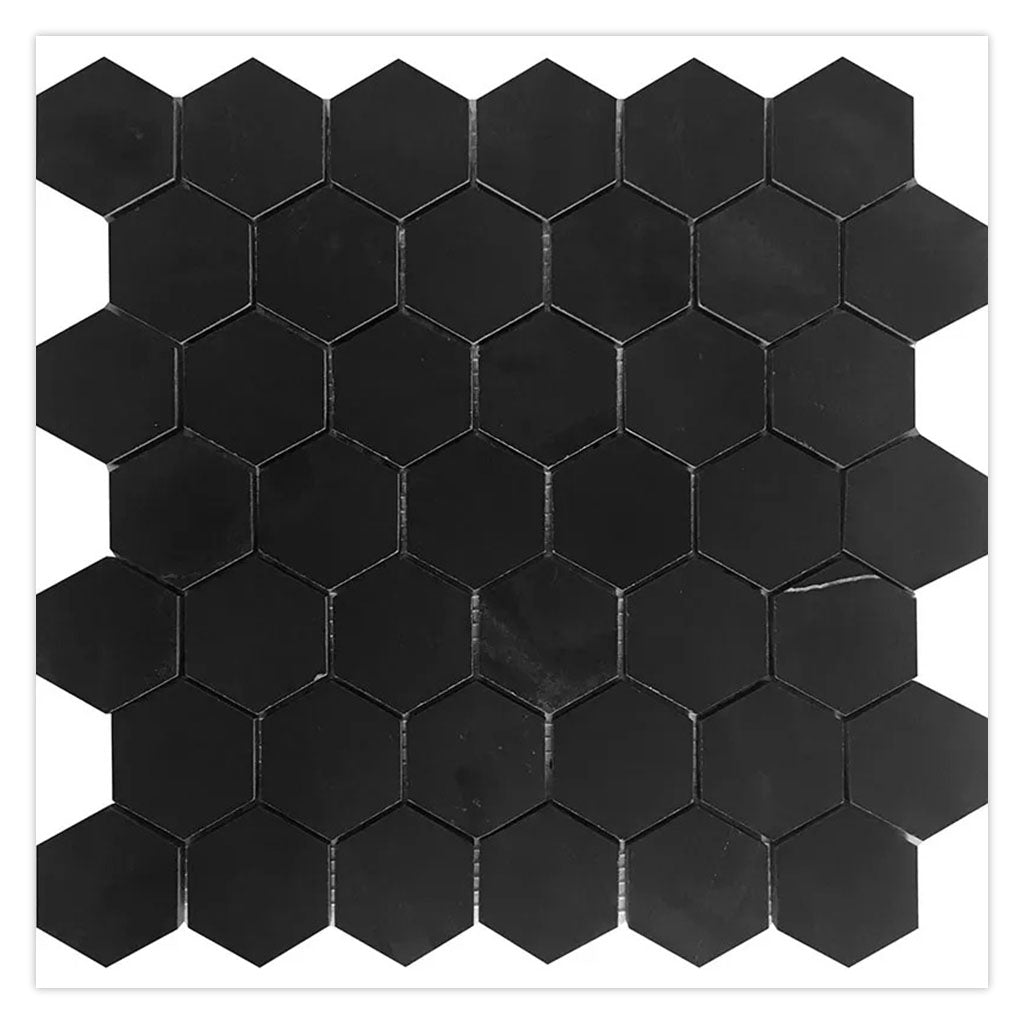
One of the most overlooked yet critical aspects of a niche installation is tile layout. Not planning how it will orient can lead to awkward grout lines or tile cuts that look uneven or sloppy. Ideally, the niche should be positioned so that the surrounding tiles line up neatly with its edges to create a cohesive and well-appointed finish. The best approach, then, is to consider the tile size and pattern before the niche is framed.
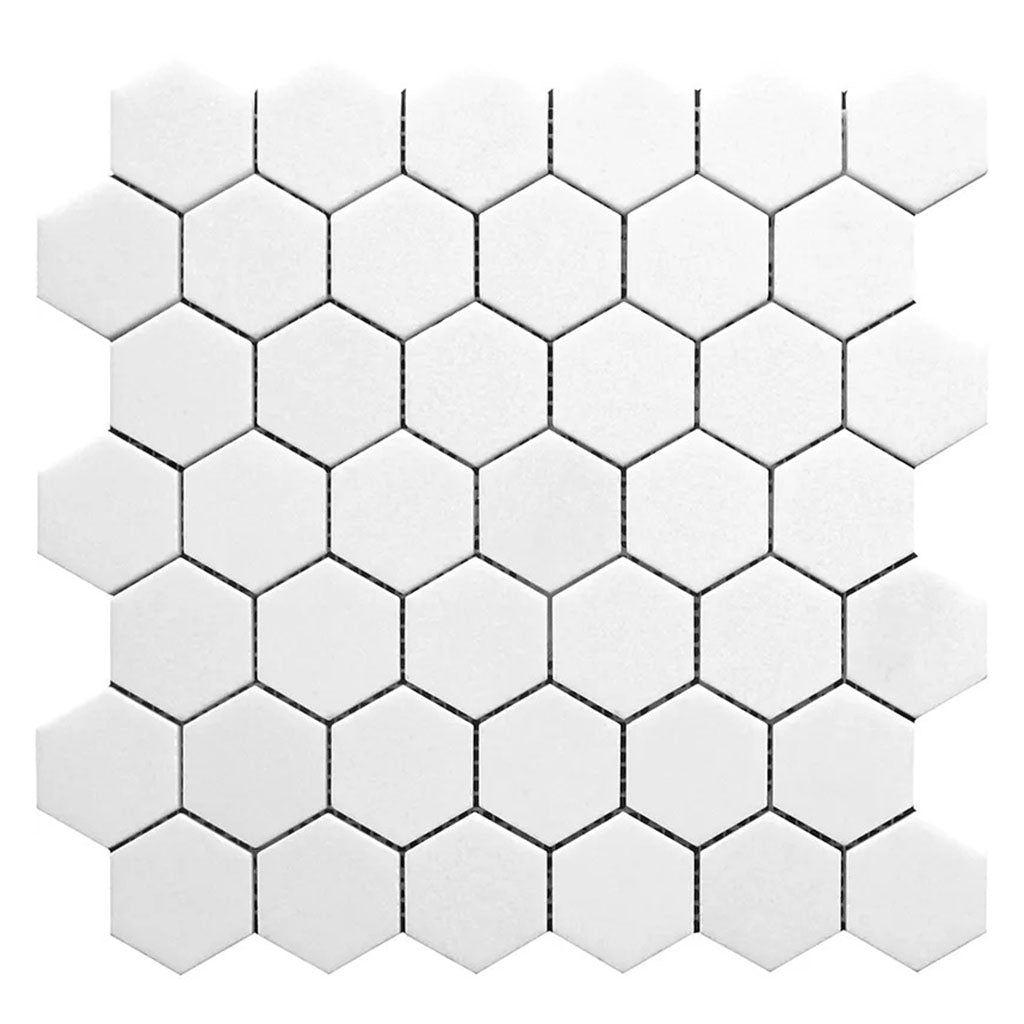
Using a full tile above and below the niche eliminates the need for small slivers or inconsistent grout lines. Inside the niche, the selected tile can match the surrounds or contrast to make it pop. For instance, our Eastern Black 12x12 Honed Hexagon Marble Mosaic Tile works well with muted, large-format surrounding tiles.
Double Shower Niches: Should You Add More Than One?

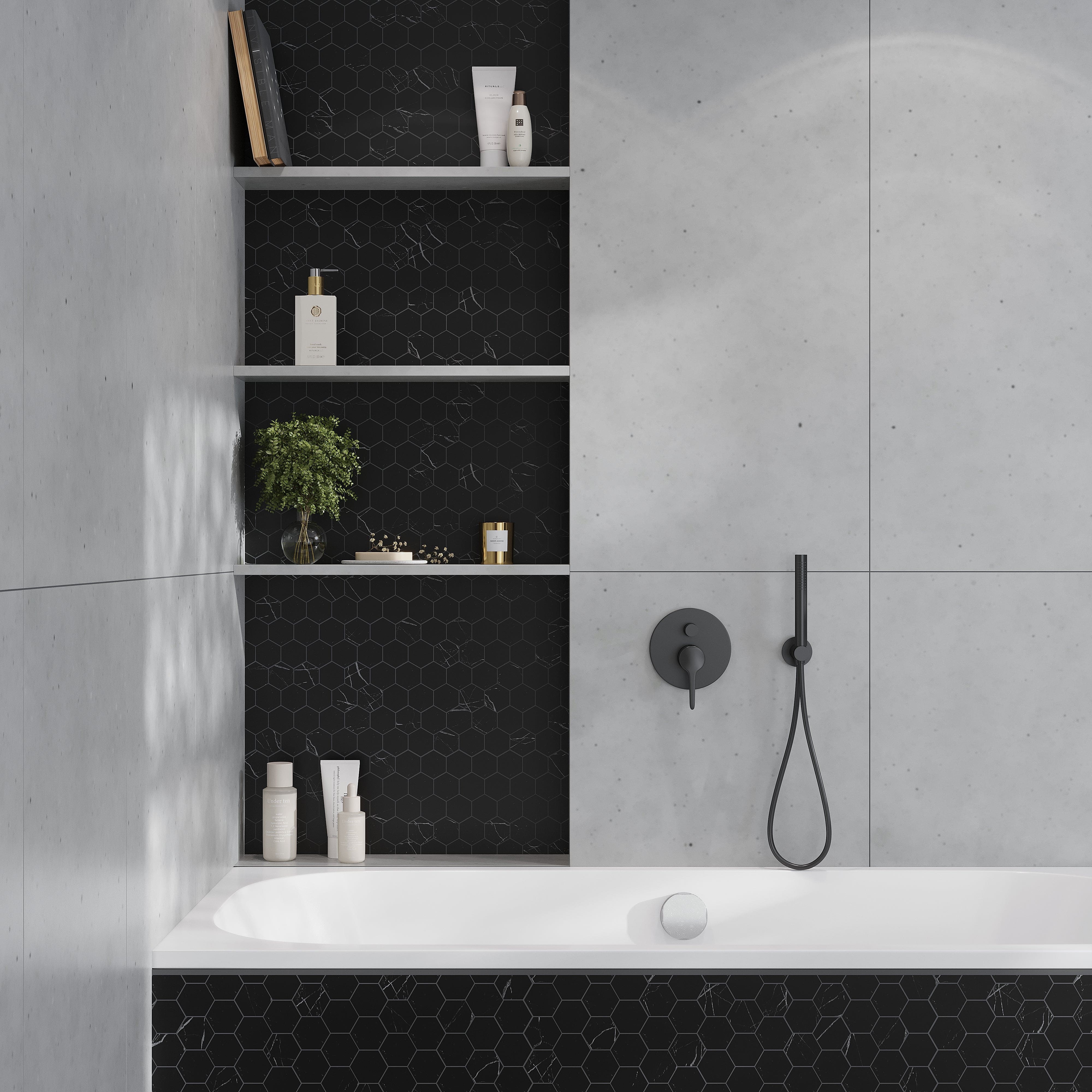
If you have the wall space, adding more than one shower niche can be a game-changer. Double niches offer extra storage and improved organization, making them especially useful for shared bathrooms.
You’ve got options, too! Because when it comes to shower niche placement, a double alcove is incredibly versatile. They can be positioned side-by-side for symmetry or stacked vertically to maximize wall height. Got a wider shower? Go horizontal and let those niches stretch out in style. The key here is to coordinate the layout with your tile design to maintain clean lines and visual flow. When done right, a dual niche design can enhance the overall luxury and usability of your bath space.
Conclusion
From choosing the ideal wall to finding the right height, a shower niche may seem like a small detail, but its design can make a big difference in how functional and beautiful your bathroom feels. Whether you're going for a single alcove or doubling up on storage, it’s important to take time with the planning process and where to place shower niche. Consider who will use it, where the studs are, and how the tile will flow in and around it. Done right, a wall niche insert is a feature you’ll appreciate every single day.
Ready to start your shower upgrade? Explore our stunning range of modern and vintage tile options. Subscribe to our newsletter today and get 5% off your next order. After all, your dream bathroom should come with a little bonus!