

How to Remove Grout Haze from Porcelain Tile Without Damaging the Surface
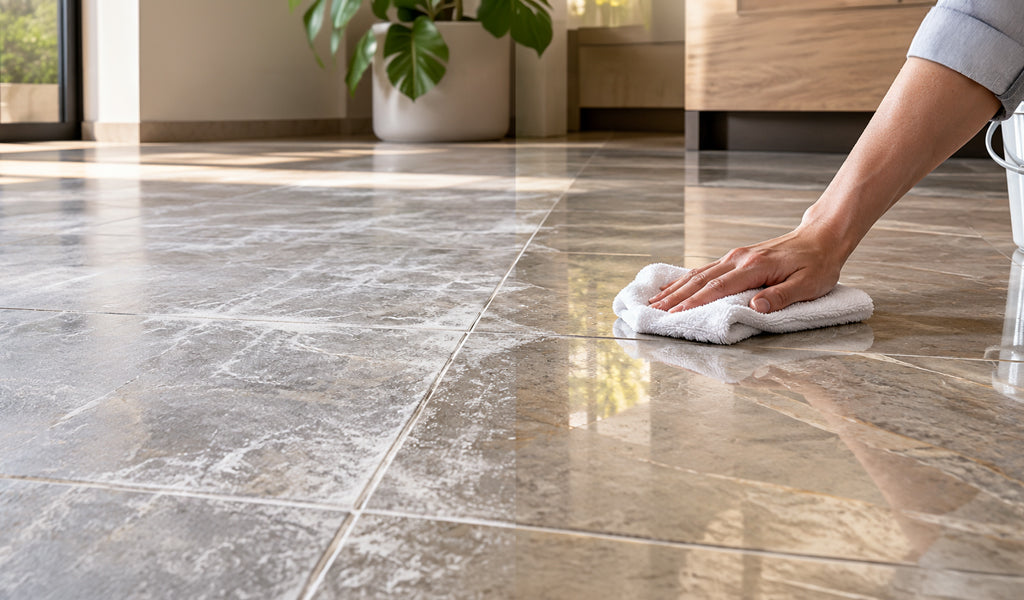
Sep 25, 2026 5 minute readThat cloudy, chalky film on newly tiled walls and floors can detract from the beauty of a fresh installation. This stubborn residue known as grout haze, clings to the surface and leaves it looking dull and unfinished. If you’re wondering how to remove grout haze from porcelain tile, the key is using the right cleaning approach to lift the residue while protecting tilework from scratches, etching, and damage.
Key Takeaways
- To remove grout haze from porcelain tile, use non-abrasive tools and tile-safe cleaners for a flawless finish.
- The tile’s finish and texture can affect how grout haze clings to the surface and how easy it is to clean.
Why Does Grout Haze Form on Porcelain Tile

This cloudy layer on glossy and matte porcelain tiles is common with cement-based grout, though other grout types like epoxy can leave residue during installation. As grout dries, its fine mineral particles settle on the tile, forming a hazy film. This is especially common when:
- There’s a delay in cleanup and excess grout begins to firm up on the tile surface
- Too much water is used during cleanup, and as it evaporates, it leaves a dull film
- Dirty cleanup water or a dirty sponge spreads grout back onto the tile surface
How Does Porcelain's Surface Affect Grout Haze Removal
While grout haze leaves little to be desired, porcelain's dense, nonporous surface means the dull-looking film sits strictly on top of the tile and is relatively easy to remove. That said, different finishes dictate how tenaciously haze clings and responds to cleaning, so a gentle approach is essential.
Which Cleaners Are Suitable for Porcelain Tile
Whether dealing with large formats or small decorative floor tile, start with warm water and a pH-neutral cleaner. This gentle solution loosens light grout haze without the need for harsh scrubbing. For stubborn residue, use a specialized grout haze remover for porcelain tile as recommended by the manufacturer’s instructions.
Abrasive tools and harsh acidic cleaners may seem like a quick fix, but they can dull the tile finish, weaken grout, and leave unwanted marks worse than the haze. Always test cleaning products on an inconspicuous area before applying to the entire surface.
How Should You Clean Haze from Textured Porcelain Tile
A textured finish can trap grout residue in its grooves or micro-embossing, making standard wiping ineffective. The best way to remove grout haze from porcelain tile is to use a soft nylon brush and porcelain-safe cleaner to reach the low points of the texture. Work in small sections and rinse thoroughly to ensure the cleaning product doesn’t leave its own residue.
What Should You Know About Haze on Matte and Glossy Porcelain
So how exactly does grout haze affect the different tile finishes? For one, this chalky film can look different on matte and glossy surfaces.
Matte Porcelain
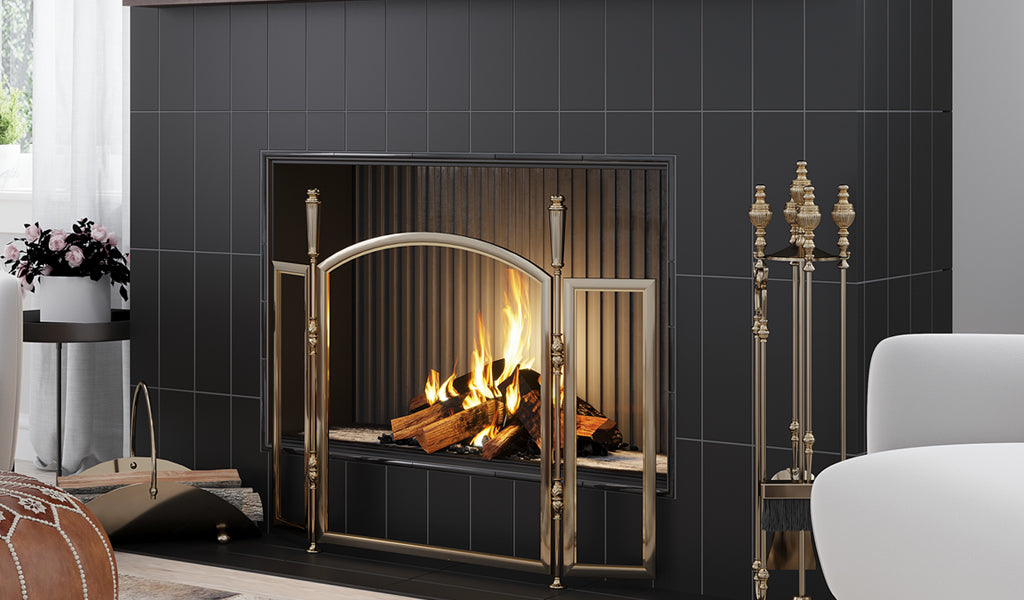
On matte porcelain with a similar finish to our Coal Black 12x24 Field Matte Porcelain Tile, the haze may blend into the tile’s texture, making it less noticeable. However, its dark color may highlight a rather whitish or grayish film that becomes even more visible when light hits the surface at an angle. A gentle cleaner and soft-bristled brush can help lift the haze without affecting the finish.
Glossy Porcelain
On glossy porcelain, grout haze is often more noticeable, creating a streaky appearance that dulls the tile’s natural brightness and ruins its mirror-like reflection. In this case, avoid abrasive tools and harsh chemicals that can scratch and eat away at the finish. Instead, remove grout haze from porcelain tile using a porcelain-safe cleaner and a soft microfiber cloth. Rinse thoroughly, dry, and buff for a clean, polished result.
Which Cleaning Tools Are Safe for Porcelain Surfaces
When learning how to clean haze off porcelain tile, the right tools make a difference. Choose soft, non-abrasive cleaning tools to avoid potentially scratching the tile surface. Suitable options include soft sponges, microfiber cloths, and soft nylon brushes, which work especially well for textured porcelain with small grooves that need extra attention.
Conclusion
Knowing how to remove grout haze from porcelain tile starts with the right cleaning approach. Porcelain-safe cleaners and non-abrasive tools can effectively remove stubborn residue without scratches, dullness, and other surface damage. With proper care, you can maintain a pristine and polished appearance right after installation.
Want more insights like this? Read our blog on how to install porcelain tile and how to cut porcelain tile the right way.