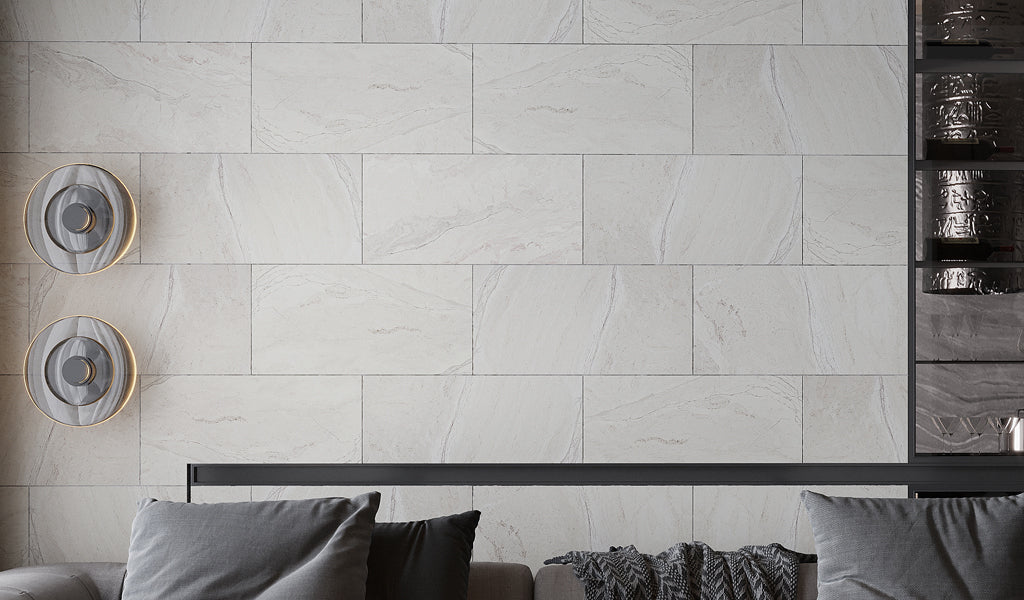


How to Clean Tile Floors: Easy Methods to Remove Dirt, Stains, and Grime
Aug 07, 2026 9 minute readWithout proper care, tile and grout can become a magnet for dirt, stains, and mold, indicating they require more than cursory sweeping. The good news is, tilework can be kept immaculate for years with the right cleaning steps and products. Proper, consistent upkeep not only turns your kitchen into a gathering haven or keeps the powder room spotless for guests, but it also maximizes tile longevity. So, how to clean tile floors? In this guide, we share the best ways to keep the surface underfoot looking pristine as the day it was laid.
Key Takeaways
- Different types of tiles and grouts may require different cleaning processes and products.
- Regular sweeping, mopping, and sealing (if required) keep dirt and allergens from building up on tiled floors.
Why Do Tile Floors Get Dirty and Lose Their Shine Over Time?

Due to everyday use, floor tile collects dust, dirt, mud, grease, soap residue, and other debris, leading to a dull appearance. Small particles and unnoticed stains can settle into the grout lines, making them look dingy and neglected. As you go through this guide on how and what to clean tile floors with, it becomes apparent that improper cleaning over time also contributes to loss of shine. This can be the result of a few things, such as using too much cleaner or the wrong product, and failing to rinse away cleaning residue.
What Supplies Do You Need to Clean Tile Floors?
Having the proper tools makes cleaning quicker, safer, and more effective.
Essential Cleaning Supplies
Optional Tools
What Are the Best Tile Floor Cleaners for Different Tile Types?

Not all tiles are made alike, and therefore, can't be cleaned with the same products. The thing to keep in mind when learning how to deep clean tile floors is that the wrong cleaner can dull the finish or permanently stain the surface.
Ceramic and porcelain are generally easy to care for with just warm water and a pH-neutral tile cleaner. Glass tiles can usually be cleaned with a mild, non-abrasive cleaner. But what to clean tile floors with when you have marble or stone floor tiles installed? A stone-safe, pH-neutral cleaner will suffice as it cleans effectively without eating away at the sealant or stone's surface.
How to Clean Tile Floors Without Leaving Streaks or Residue

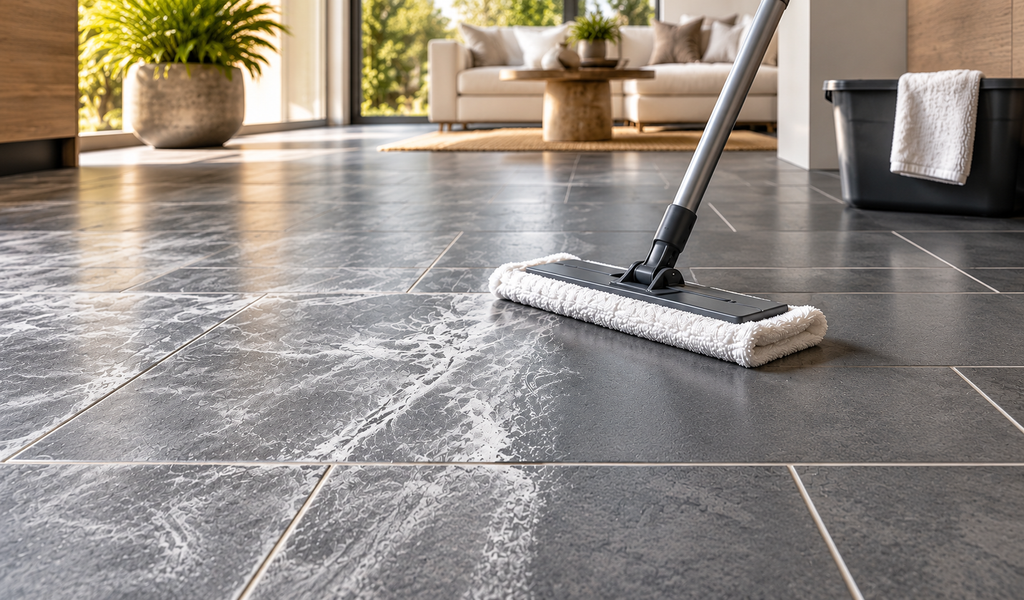
Routine cleaning of a tiled floor often leaves homeowners with streaks after mopping. Great news is, it's a minor issue that's easy to resolve. If you're wondering how to clean tile floors without leaving residue, the best practice is to use distilled warm water and less soap. Dip a microfiber mop into the solution and wring it until it's damp.
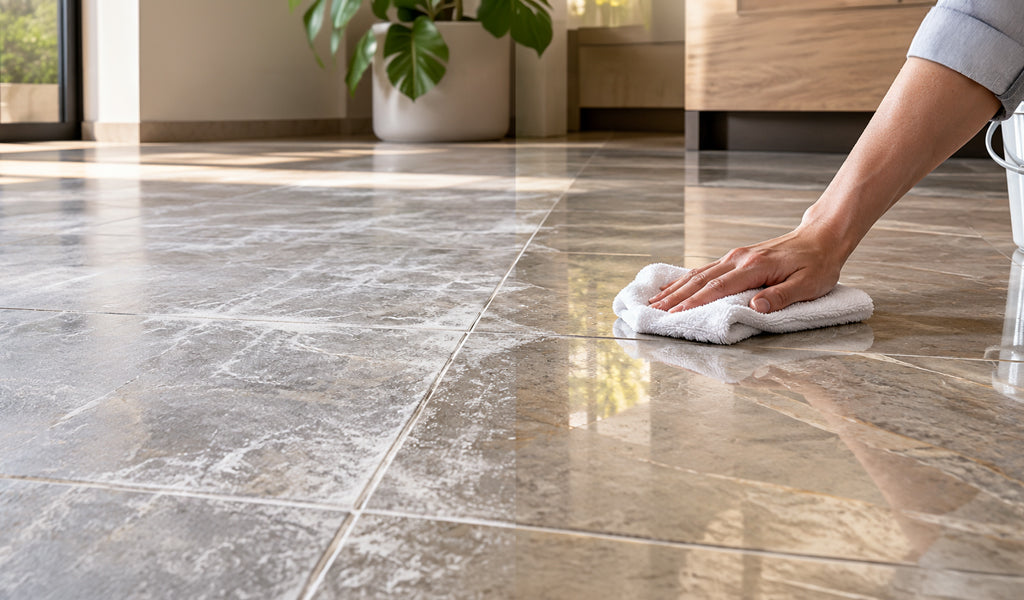
Another important move is to wipe the floor in smooth, even strokes and change the water frequently. Once dirt and stains have been lifted, go over the area with clean, plain water, then buff the floor with a dry microfiber cloth for a streak-free finish.
How to Remove Tough Stains, Grime, and Buildup from Tile Floors

For hard-to-remove stains, grime, and buildup, whether on foyer, kitchen, or patio tiles, extra attention beyond routine mopping is needed. Use a cleaner recommended for your specific flooring material or create a DIY cleaning solution.
Water and Baking Soda
Water and baking soda are a popular mix you'll come across as you learn how to clean tile floors. They form a paste that works as a light abrasive and can be applied to grout stains and grime. After sitting for 5-10 minutes, scrub gently with a grout cleaning brush and rinse with clean water.
Vinegar and Water
Vinegar is strong and acidic and can work only on porcelain or ceramic floor tiles to remove light dirt, mineral deposits, and soap scum. How to clean tile floors with vinegar? Mix 1/2 cup of distilled white vinegar with one gallon of warm water to clean the tiled areas. Go over the floor with a fresh bucket of plain warm water to remove any residue.
Baking Soda and Hydrogen Peroxide
For buildup, 1/2 cup of baking soda and 1/4 cup of hydrogen peroxide provide a stronger cleaning paste. When applied to the affected areas, the mixture lifts stubborn dirt from both the tile and grout.
How to Clean Tile Floors with Grout Lines and Textured Surfaces

Grout lines and the grooves and incisions that make textured tile stand out, like our Charcoal Black 24x48 Matte Porcelain Large Format Tile, can hold onto dirt, dust, and grime more easily than a smooth surface. So, how to deep clean tile floors in such instances?
What Cleaning Mistakes Should You Avoid on Tile Floors?
As you get a better grasp on how to clean tile floors the correct way, it can be easy to fall into cleaning mishaps. Knowing what to avoid is just as important as having a proper cleaning method in place. Below are common mistakes to avoid:
How to Keep Tile Floors Clean and Looking New Longer


Tile Material Costs: From Budget to Luxury Options
Dirt and grime can easily build up if consistent care isn't maintained. Part of learning how to clean tile floors, such as our Smoke Blue 12x12 Matte Gres Porcelain Square Mosaic Tile, is knowing what habits to adopt to extend the lifespan of your installation. As we like to say, regular upkeep is much easier than deep cleaning and tackling tough stains.
Keeping floors clean starts with regular sweeping or vacuuming to remove dust and loose debris that can potentially scratch the tile surface. This can be done several times a week, especially in a home active with kids and pets.
Mopping floors weekly using a solution of warm water and mild cleaner helps prevent dirt from building into stubborn grime. What to clean tile floors with? For natural stone like marble or travertine floor tile, avoid acidic or harsh chemicals that can etch the surface and cause costly restoration.
Even with sealed tiles or grout, clean spills as they occur so stains don't settle between the seams and become harder to remove later. Prompt cleaning will keep your tilework looking fresh with minimal effort over time.
If using cement-based grout, which tends to absorb liquids, seal those thin lines. Sealing can be done right after installation and redone every 1-2 years in low-activity areas and every 6-12 months in high-traffic and wet areas.
Even with weekly upkeep, occasional deep cleaning is necessary to remove embedded dirt. How to deep clean tile floors? Simply follow the steps outlined above for the best results.
Conclusion
Flooring is the foundation of any space, and to keep it gleaming, it's important to follow the correct cleaning routine. Learning how to clean tile floors involves not only using suitable products, but also ensuring consistent care. Regular sweeping, tile-safe cleaning products, and prompt stain removal prevent buildup and help preserve your tilework's original appearance and quality.
Steer clear of harsh chemicals and abrasive tools on natural stones such as marble and travertine, as they can be harmful to their delicate surfaces. Grout lines, too, deserve just as much TLC to keep in tip-top shape. Sealing cement-based grout, as recommended, guards against moisture and stains. For detailed steps, see our guide: How to Seal Grout on Tile Floor.