

Is Your Marble Cleaner Killing Your Tiles? Here’s What to Do
Feb 09, 2026 9 minute readMarble tile is one of the most beautiful materials you can bring into a home. There is nothing quite like its elegance, brightness, and timelessness. These tiles are often perceived to be difficult to maintain, but this is usually the case when the wrong cleaning methods are used. When properly maintained, marble is durable and exquisite.
The most common cause of damage to natural stone is the use of the wrong cleaning products or techniques. If you’ve ever wondered whether your cleaning products are slowly destroying your marble tile, you’re right to be cautious. Knowing the right way to clean marble tile can be the difference between a beautiful, lasting surface and a dull, worn-out mess in just a few years.
In this blog post, we will explore how to clean marble tile correctly, including daily care, deep cleaning, stain removal, and the way to seal it.
Key Takeaways
- Marble tile requires gentle, stone-safe cleaners to prevent damage and maintain its natural shine.
- Regular cleaning and proper sealing are essential to protect marble tiles, especially in wet areas.
Why Marble Tiles Require Specialized Care
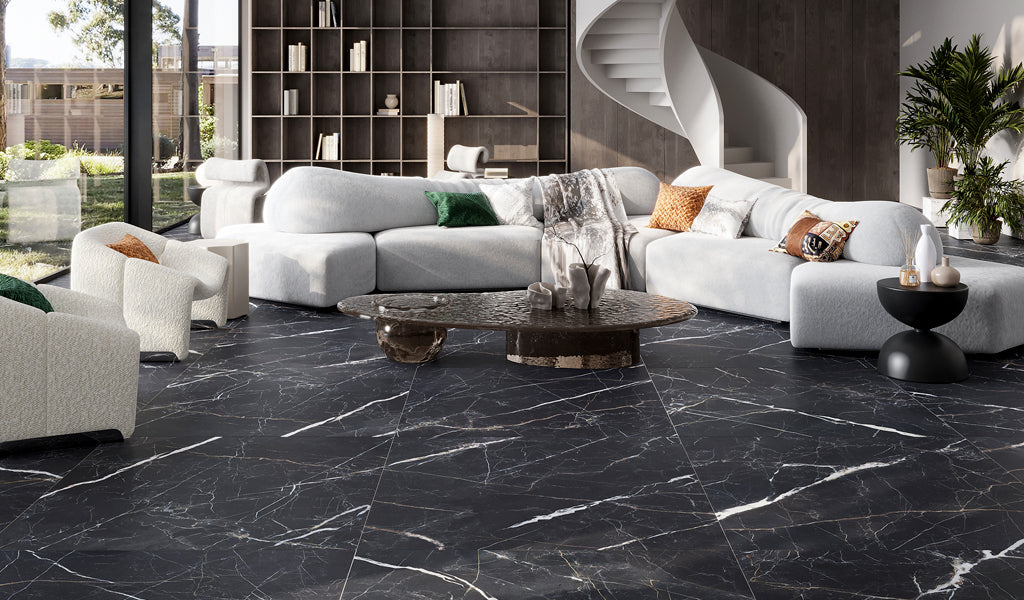
Marble is a natural stone, and that means that it has very different characteristics compared to other materials, like ceramic and porcelain tile. This is why cleaning marble tile floors must be done in a very specific way.
One of the most common mistakes to make when cleaning marble tile is not knowing that you must avoid using any kind of harsh cleaning solutions and abrasive tools that can damage the tile.
Marble tile in wet areas, like the bathroom and shower, can be damaged by soap scum, hard water, and high humidity. This is why it is very important to know what to clean marble tile with. Marble tiles can last for a long time if they are maintained correctly.
My Everyday Marble Tile Cleaning Routine for Long-Lasting Shine

Maintaining the marble tile on a daily and weekly basis is important if the tile is to remain clean and polished over time. One of the most important habits to get into when maintaining marble tile is dust mopping or sweeping the tile on a regular basis. Dust and dirt can easily scratch the tile if someone walks on it, causing the tile to lose its newness. Dusting the tile on a regular basis helps maintain the tile’s shine and beauty.
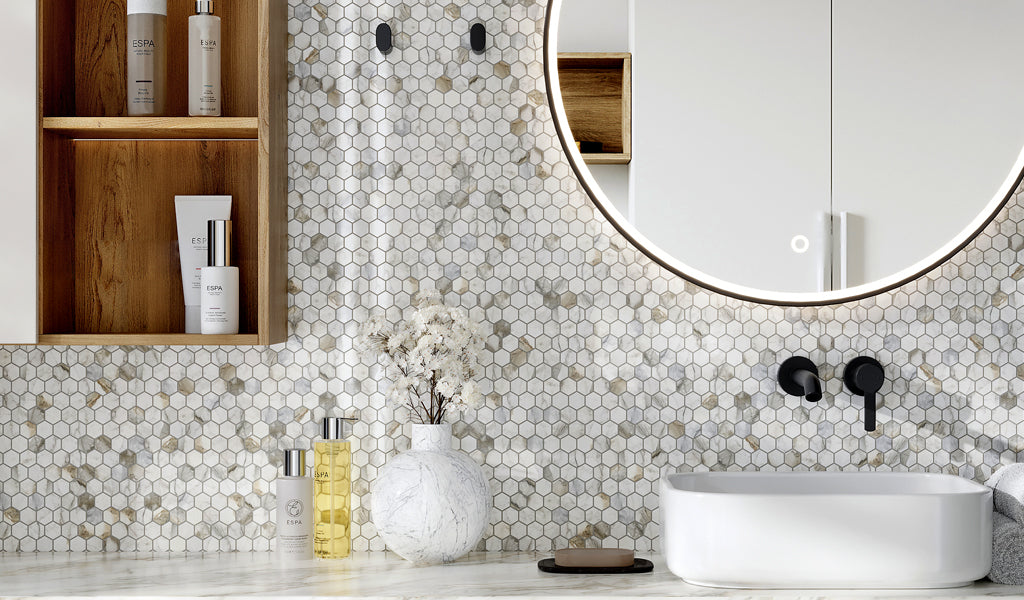
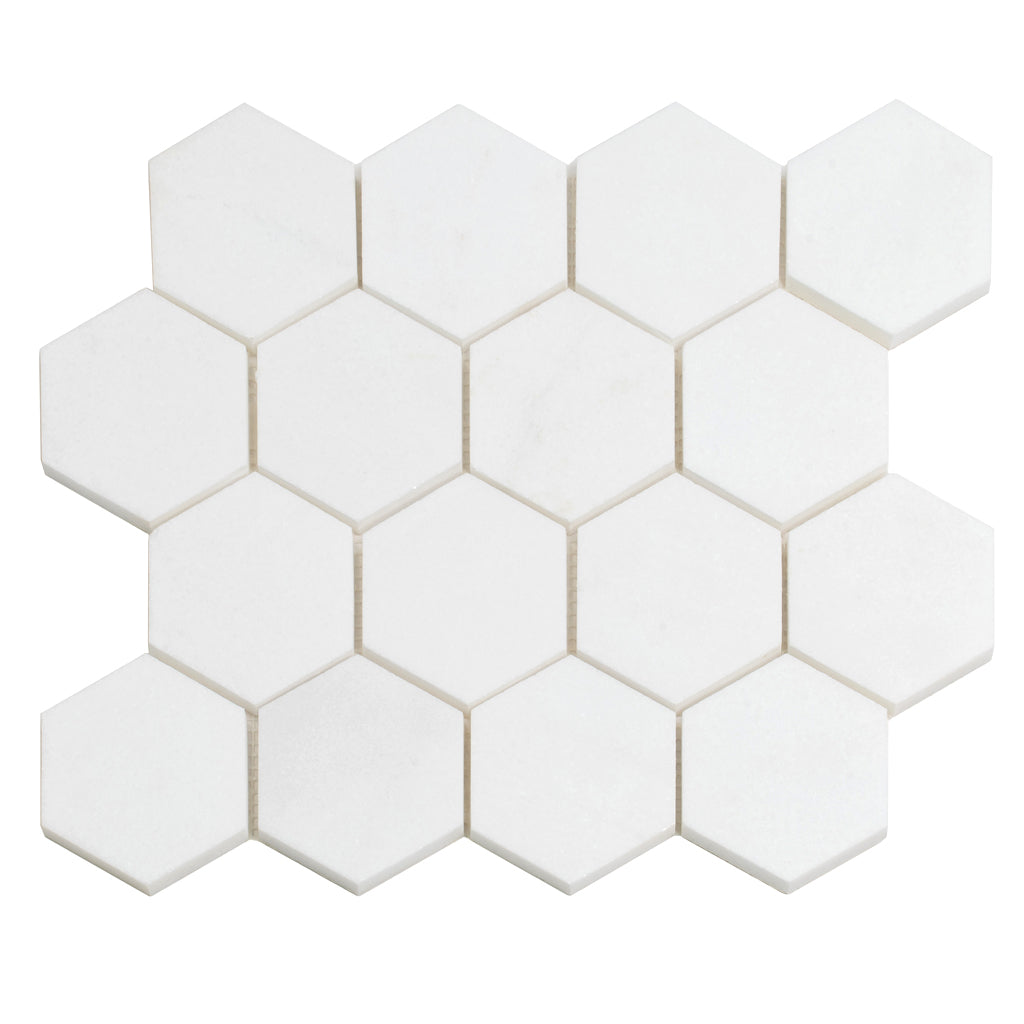
When it comes to cleaning the marble tile, warm water and a cleaner that is safe for natural stone tile is the best option. This type of cleaner will not damage the tile and will not dull its shine, unlike other cleaners, making it the best option for Apollo Tile’s, Snow White 10x12 Polished Hexagon Thassos Marble Mosaic Tile, which has a crisp white color and shine.
Marble tiles used in bathrooms should be wiped clean on a daily basis using a dampened microfiber cloth with a solution of warm water and a mild tile cleaner. This will help prevent soap scum and water spots from accumulating on the marble tiles. So, if you are thinking of how to clean marble tiles used in your bathroom, the answer is to clean them on a regular basis.
The Best Tools, Cleaners, and Products I Use for Marble Tiles

Using the right tools is just as important as choosing the right cleaner. Over the years, I have learned what works well when it comes to cleaning marble tile.
Tools that work well:
- Microfiber cloths
- Soft mop
- Non-abrasive sponges
- Soft-bristled brushes for the grout lines
Cleaning products that I use:
- pH-neutral cleaners specifically designed for cleaning stones
- Mild dish soap, used sparingly
- Clean warm water
I do not recommend the use of anything acidic, like vinegar or lemon juice, or most bathroom cleaning products. They may be good cleaners, but they will eat away at the marble surface over time.
When it comes to cleaning marble tile, if you are not sure what to use, be sure to read the label. Look for the words “stone-safe” or “marble-safe.” Avoid any cleaning product that contains bleach, ammonia, or any acid. Using the right cleaning product is an investment that will pay off by keeping your tile polished and not worn out.
How I Thoroughly Clean Marble Tiles and Grout Without Surface Damage
Deep cleaning marble requires patience, not force. Therefore, when I need to perform a more thorough cleaning, I do it in a safe way that protects the marble tile and the grout.
First, the floor is swept to get rid of any dust and dirt particles. Then, the floor tile is mopped to clean any stains or spills on the floor. On the walls, the marble is wiped clean using a soft cloth or sponge. A solution of a diluted stone cleaner, which is safe to be used on marble, is best to use. I have to be careful, though, to ensure that the solution is not left on the marble surface for too long, since marble is known to have the capacity to absorb moisture easily.
When learning how to clean grout between marble tiles, the process involves applying the grout cleaner that is marble-friendly onto the grout lines. The cleaner is then left to stay on the grout lines for a while to help loosen the grout. After that, scrub gently using a soft brush. Excessive force is avoided at all times, especially while scrubbing the grout. This is because too much force while scrubbing the grout can cause the edges of the marble tiles to become dull. After cleaning the grout, the area is rinsed using clean water.
In showers, where there is a buildup of soap residue, I emphasize more on regular light cleaning rather than scrubbing. This method is best used when one is learning how to clean marble tile in shower areas without etching them. Drying the marble surface is just as important as cleaning it, as it will prevent marks from forming and dull the natural luster of the marble.
How I Safely Remove Common Marble Tile Stains (Oil, Organic, and Water Marks)

Despite proper care, stains can still occur. The good news is that the majority of marble tile stains can be treated effectively if the stain is attended to immediately.
For oil-based stains caused by lotions or soaps, a poultice made specifically for marble is necessary. Poultice works by drawing the stain out of the tile.
For organic-based stains caused by food or plants, a hydrogen peroxide-based cleaner specifically made for stone is effective. Always test the cleaner on a small area of the tile to ensure it is safe to use.
Water marks are common in the bathroom or shower. These types of marks are usually mineral deposits rather than stains. Polishing the tile with a cleaner made for marble is the ideal solution.
Knowing how to clean marble tile involves understanding the cause of the stain and the correct treatment for the stain, not scrubbing the stain harder.
When and Why I Seal Marble Tiles to Protect the Stone
One of the most important aspects of maintaining marble tile floors that many people do not consider is sealing. Sealing marble does not make it waterproof, but it does slow the process of water absorption. This makes it easier to clean. Learning how to seal marble tile floors and walls is an important part of maintaining your tile.
The importance of the correct sealing process cannot be overemphasized, as this helps in avoiding some problems that may arise in the future.
I re-seal my marble floors and walls every 6 to 12 months, depending on usage. If the water no longer beads on the surface, then it’s time to re-seal the marble tile floor. The correct sealing process helps in avoiding stains, makes the floor easier to clean, and extends the life of the tile. Sealing marble is not optional; it’s mandatory.
Costly Marble Tile Cleaning Mistakes to Avoid in Wet Areas
Wet areas such as bathrooms and showers require extra care when cleaning marble tiles. The common mistakes that cause damage to marble include:
- Using vinegar or acid cleaners
- Allowing water to sit on the surface
- Not cleaning regularly
- Using abrasive cleaners to scrub the surface
These habits will eventually damage the finish on the marble. For one to be serious about learning how to clean marble tile floors and walls properly, one should avoid these common mistakes. Marble is a material that requires gentle treatment.
Conclusion
Marble tile does not require harsh chemicals or abrasive cleaning to remain beautiful. With the right cleaning products and equipment, along with a cleaning routine, you can keep your marble tile protected and shining beautifully. Learning how to clean your marble tile properly will save you from costly repairs and keep your floors, bathrooms, and showers looking polished and beautiful. A little maintenance is all you need to keep your marble shining, and it will always be worth it.