

What Is Tile Sealant? Types, Uses, and How to Choose the Right One
Oct 16, 2026 9 minute readTiles are built to look good and stand the test of time. But what happens when liquids and stains interfere with the beauty and durability of your installation? That’s where a tile sealant comes in. Acting as a protective barrier against moisture intrusion and anything that may wear down tilework, sealants help vulnerable areas of tiled surfaces, including gaps, corners, and changes of plane, stay cleaner, stronger, and in tip-top shape longer. This guide explores the questions you’ve been asking: what is tile sealant, what are the different types and uses, and how to choose the right one.
Key Takeaways
- Tile sealants fill and protect joints, corners, and gaps between tile and other surfaces, preventing moisture intrusion, mold growth, and premature wear.
- Choosing the right sealant, whether silicone, acrylic latex, siliconized acrylic, or polyurethane, depends on the tile location, moisture exposure, and flexibility requirements.
What Does It Do and Why Is It Important

Although tile may appear solid, external elements can affect edges and corners, such as moisture in wet areas. This applies to a wide range of tiling materials, including ceramic, porcelain, glass, and natural stones like marble, travertine, and limestone tile. How does a tile sealant fit into all this?
Think of a tile sealant as a shield. Caulk or flexible joint compound is a malleable and waterproof material that fills the gaps of tiled surfaces (such as where a wall meets a floor, or around bathtubs, sinks, and backsplashes) and protects against substances that may compromise performance and aesthetics. Tile sealant for shower, kitchen, living room, and many other environments prevents water and moisture intrusion, protects against chipping, and resists mold and mildew growth. After application and curing, the sealant remains flexible to accommodate minor structural movement without compromising adhesion.
Tile Sealant vs. Tile Sealer: What Is the Difference
If you’ve been researching tile protection, you’ll likely come across two terms: tile sealant and tile sealer. They may sound similar and both serve protective purposes, but they're different products. Tile sealants, such as silicone and polyurethane-based caulk, fill and seal the gap between the backsplash and countertop, bathtub and tiled surrounds, and along changes of plane when tiling a shower floor or wall.
What is tile sealer and how is it different? In comparison, a tile sealer is a liquid product applied over porous tile that sits atop or soaks into its tiny pores, creating a protective barrier against moisture and staining agents and preserving the tile’s appearance and durability.
Like porous tile, grout, particularly cement-based, also needs to be sealed to ensure overall structural integrity of the installation. If you’re wondering what is the best grout sealer for tile floors, read our blog, How to Seal Grout on Tile Floor, for a detailed guide.
What Are the Different Types of Products Used for Tile Joints

When learning what is tile sealant, it’s equally important to familiarize yourself with the different types available so you can choose the best option for your installation. Common products include silicone, acrylic latex, and polyurethane, among other formulations.
Silicone Sealant
A go-to for filling joints, silicone is a strong contender if you’re searching for a tile sealant for shower, bathtub, sink installations, and other wet areas. Once applied, it creates a flexible, waterproof seal where tiles meet different surfaces that’s resistant to water, mold, and fading.
Acrylic Latex Caulk
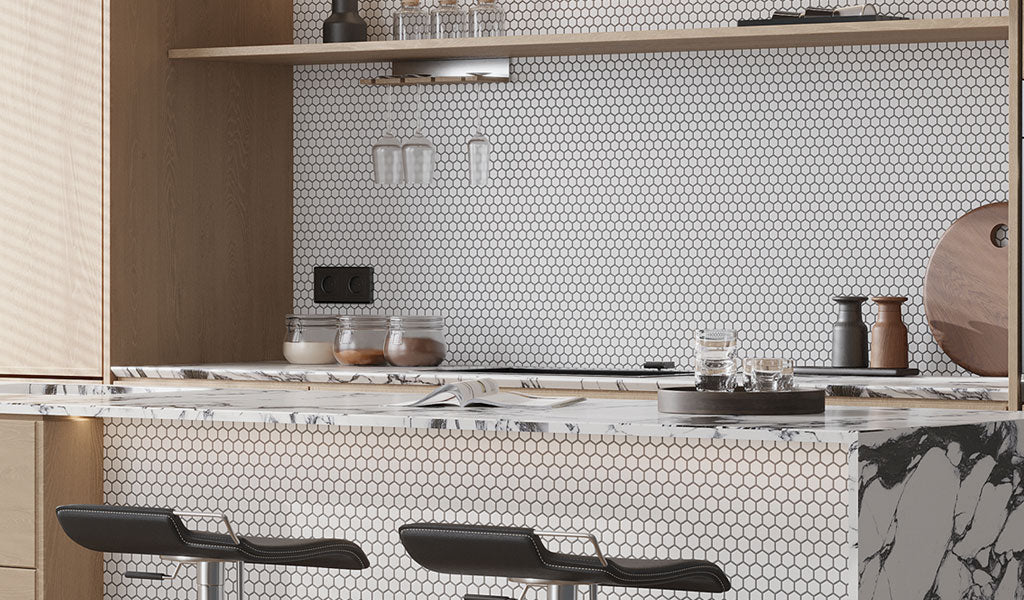
A water-based product, acrylic latex caulk is easier to apply and clean. The best part? You can paint over it, making it suitable for decorative applications, such as when installing our Muted Sage Green 8x8 Matte, Glossy Square Motif Porcelain Tile on the kitchen backsplash. Note, though, that this sealant is less flexible and less water-resistant than silicone, so it's better suited for dry or low-moisture areas.
Siliconized Acrylic Caulk
This product combines acrylic latex with silicone additives to improve elasticity and water resistance compared to standard acrylic caulk. The mixed formula supports moderate waterproofing, making it a good option for filling gaps where kitchen or bathroom backsplash tile meets countertops.
Polyurethane Sealant
For strong, durable, and flexible adhesion, polyurethane is an excellent choice. Not only does it win at wear resistance, but it also accommodates joints that may shift, move, shrink, or expand. Suitable for exterior tile applications, including patios, terraces, and areas exposed to demanding environmental conditions.
Where Should You Use These Sealing Products
Now that we’re familiar with what a tile sealant is, one should also know the areas to use these products. Not every sealant is suitable for every application. Some can withstand water exposure, while others perform best in low-moisture areas.
-
Bathrooms and Showers
Wet areas, such as bathrooms and showers, require a tile sealant to resist water, steam, and humidity. Silicone caulk is a preferred option for shower curbs, niches, tub-to-tile edges, and where tiled walls meet floors. This flexible, waterproof seal prevents water, dirt, and other external substances from seeping into gaps, reducing the risk of wear and moisture-related issues and providing a polished finish.
-
Kitchens and Backsplashes
Tiled kitchens are exposed to water splashes, food splatters, and cleaning products. So it makes sense to seal the gaps around backsplashes, sinks, and stoves to maintain a wear-resistant and moisture-resistant finish. Both silicone and siliconized acrylic caulk are generally the better choice for kitchens.
-
Wall-to-Floor and Floors
Wall-to-floor joints use flexible sealants like silicone and polyurethane to not only protect gaps and corners but also allow slight movement from temperature changes and structural shifts without compromising the surrounding tiles.
-
Outdoor Areas, Patios, Swimming Pools
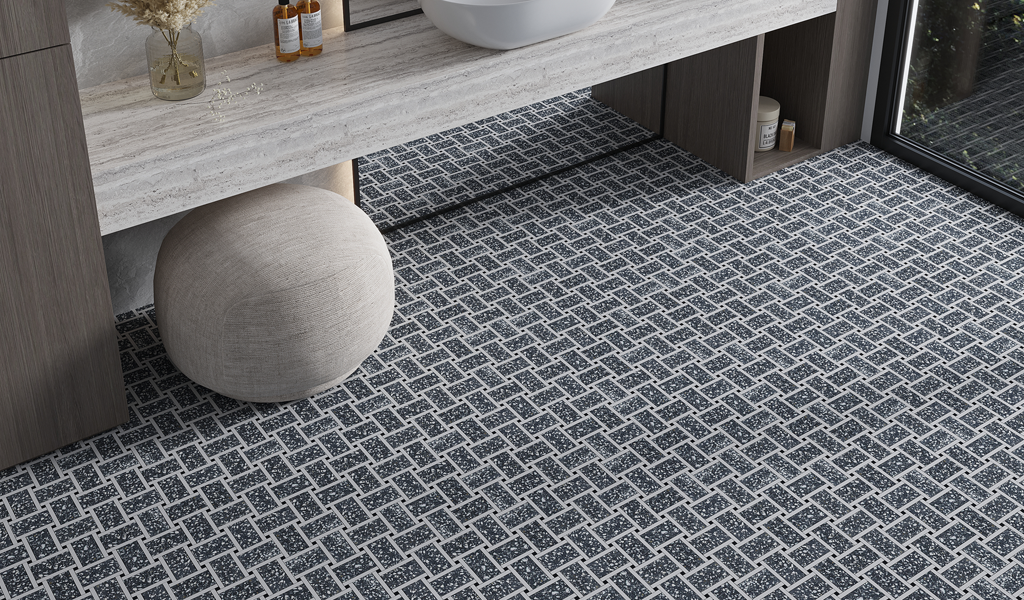
Outdoor tiles like Deep Charcoal Gray 9x11 Matte Hexagon Porcelain Tile are exposed to the elements and seasonal expansion and contraction. Flexible exterior-grade silicone or polyurethane can be used for patios and terraces to protect tile joints. Swimming pools and other continuously wet environments require specialized sealants designed to withstand prolonged water immersion. Products such as pool-rated neutral-cure silicone stay flexible for expansion joints and tile transitions and are resistant to pool chemicals and weather exposure.
How to Choose the Right Product for Your Tiles
Choosing the right sealant depends on several factors, including tile type, installation area, moisture exposure, and expected movement. For example, tile sealant for shower installation should be waterproof, mold-resistant, and easy to clean. For tiled outdoor surfaces, consider flexible, weather-resistant products that can accommodate temperature changes without compromising quality. Because of different demands, always check product specifications to ensure compatibility, durability, and long-lasting protection.
How to Apply Tile Sealant Step by Step

It goes without saying that a neat, waterproof seal provides enduring protection. Whether you’re concealing gaps and corners of kitchen backsplash, bathroom, or pool deck tiles where they meet the pool coping, the correct application process makes a world of difference. Once tiles are installed, follow these simple steps for applying tile sealant:
Clean and prepare the surface
Start by removing dust and loose grout from the joints, wipe with a suitable cleaner, and let the area dry completely.
Tape off the edges
Apply masking tape along both sides of the joint, leaving the gap exposed to fill with a sealant. This prevents excess product from spreading onto the surrounding surfaces.
Prepare sealant for application
Cut the nozzle at an angle, keeping the opening the same width as the joint. Next, load the cartridge into a caulking gun for application.
Fill the gaps with tile sealant
Position the nozzle at the joint and apply steady pressure to the caulking gun. Fill the gap, moving the product at a consistent speed and ensuring even application to avoid air pockets.
How to Maintain and Replace Old Sealant
To keep tile sealant in good condition, clean sealed joints regularly using a mild, non-abrasive cleaner and avoid harsh chemicals that may damage the material. Keep the area well-ventilated to minimize moisture buildup and discourage mold and mildew growth. Inspect sealed areas periodically for signs of wear, such as cracks, peeling, discoloration, or gaps that may allow water to seep through.
If the old tile sealant shows signs of deterioration, it's best to remove and replace it rather than applying a new layer over it. Carefully cut away the existing material, clean the joint thoroughly, and allow the area to dry completely before applying a fresh bead of suitable sealant.
Conclusion
Understanding what is tile sealant and how to choose the right product makes all the difference in protecting your tiled surfaces. From keeping moisture out of bathroom joints to accommodating movement in outdoor installations, the right sealant helps maintain your tilework's appearance, durability, and performance. Select a product suited to your application and maintain it properly to keep your tiled spaces looking beautiful and resilient for years.