

Satin vs Matte Finish: Which One Is Best for Tiles, Walls, and Modern Interiors
Jun 12, 2026 9 minute readDo you feel that your tiles lack personality? Think again. The choice of satin vs matte finish depends on whether you want your space to whisper effortlessly chic or serve a little glow-up energy. Choosing between matte or satin finish is more than just looks, it also affects the overall feel and atmosphere of your space.
This guide breaks down everything you need to know, from aesthetics to practicality, so you can decide which tile finish works best for your interiors.
Key Takeaways
- Matte is best for floors due to its slip resistance and low shine, while satin is best for walls and is easy to clean.
- The cost difference is small, rather, focus on function, maintenance, and long-term value.
Satin vs Matte Finish: Key Differences
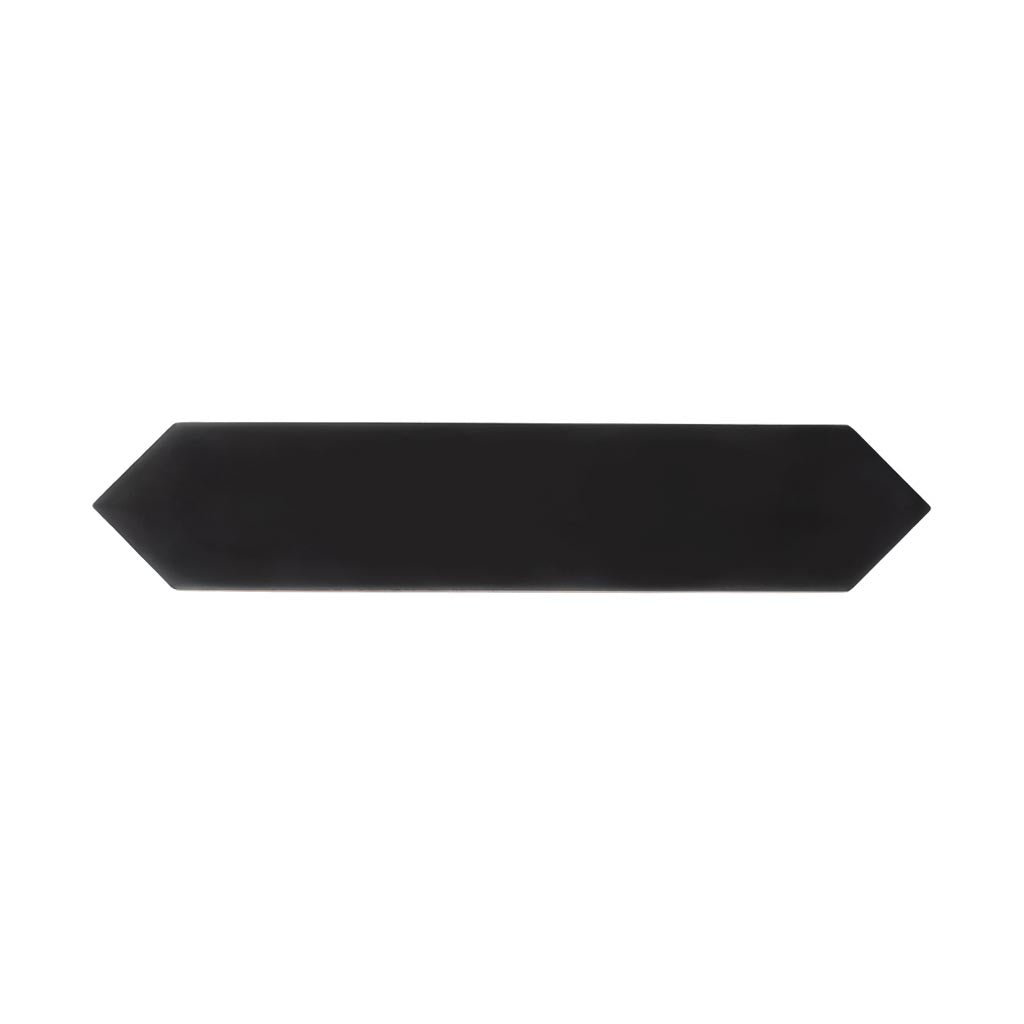
To have a better understanding of satin and matte tile finish, it is imperative to know about their basic characteristics. You may wonder, what is matte finish? This is a type of non-glossy finish that gives a soft appearance. It absorbs light rather than reflecting it.
When you’re asking what is satin finish, it has a gentle sheen that reflects a small amount of light without being overly shiny. It offers a smooth, velvety texture and adds a hint of elegance.
Main differences between satin finish and matte finish:
Pros and Cons of Satin vs Matte Finish
While looking at satin finish vs matte, there are pros and cons associated with both types based on the application.
Satin vs Matte Finish for Tiles, Walls, and Surfaces
Whether you go for satin or matte finish largely depends on the area that will be using the material.
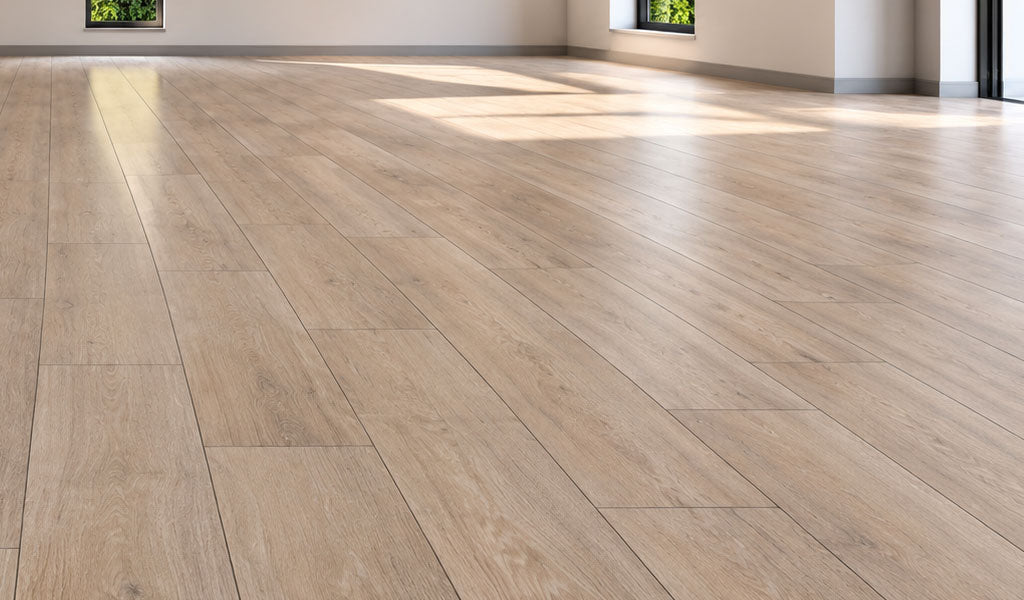
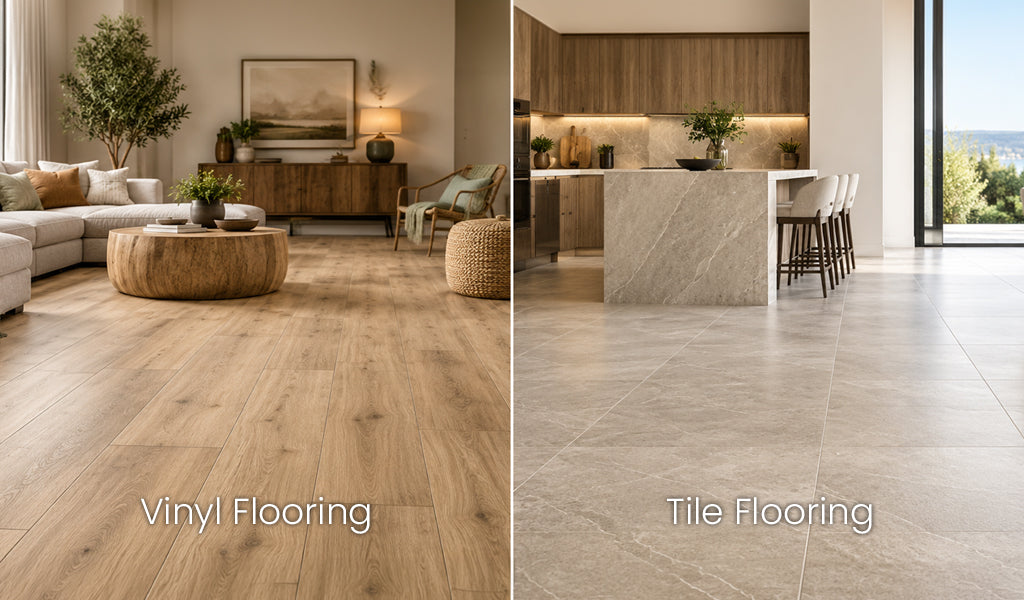
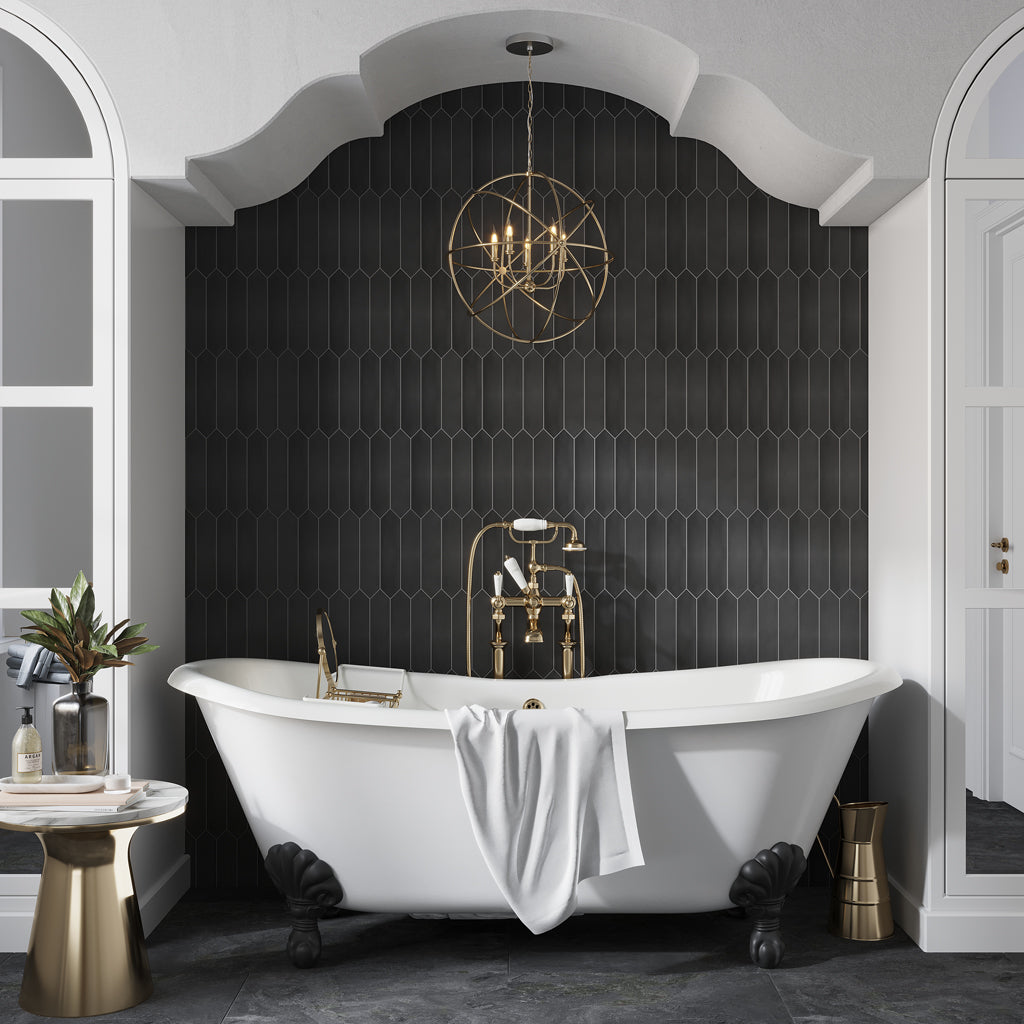
A matte floor tile is a smart choice because of its non-slip surface; thus, it is highly recommended for use in high-traffic areas such as bathrooms, kitchens, and entryways. Furthermore, it creates an aesthetically pleasing natural finish, suitable for contemporary and minimalistic styles. Satin finishes can also be used on floors, but they are usually preferred for walls and backsplashes because of their smooth surface and shine.
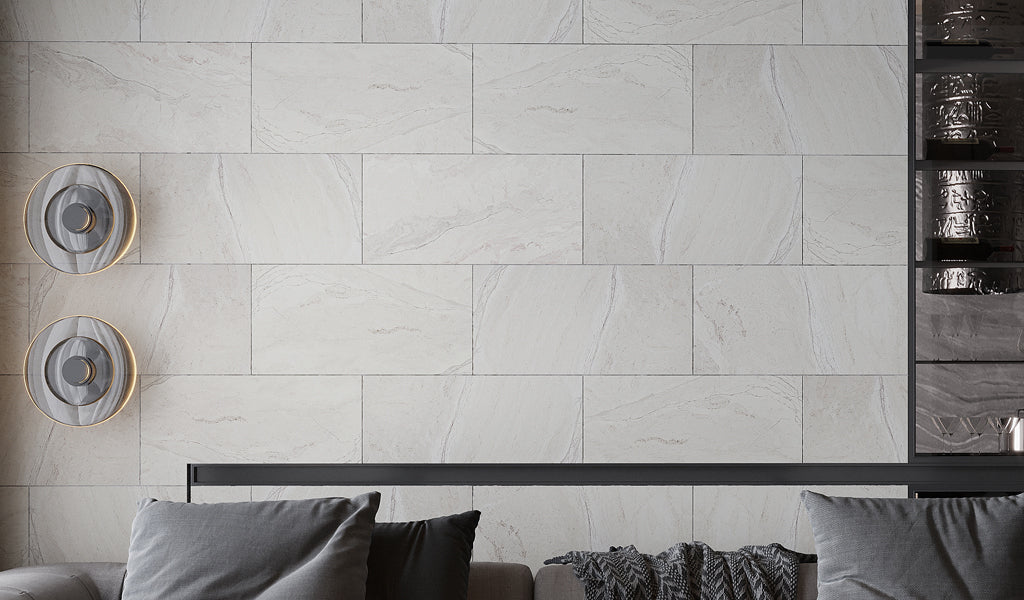
When it comes to walls, either type is applicable. Matte tiles give a modern look that blends in perfectly with neutral colors and textures. Satin tiles provide subtle reflections of light, helping make small rooms appear more spacious and bright.
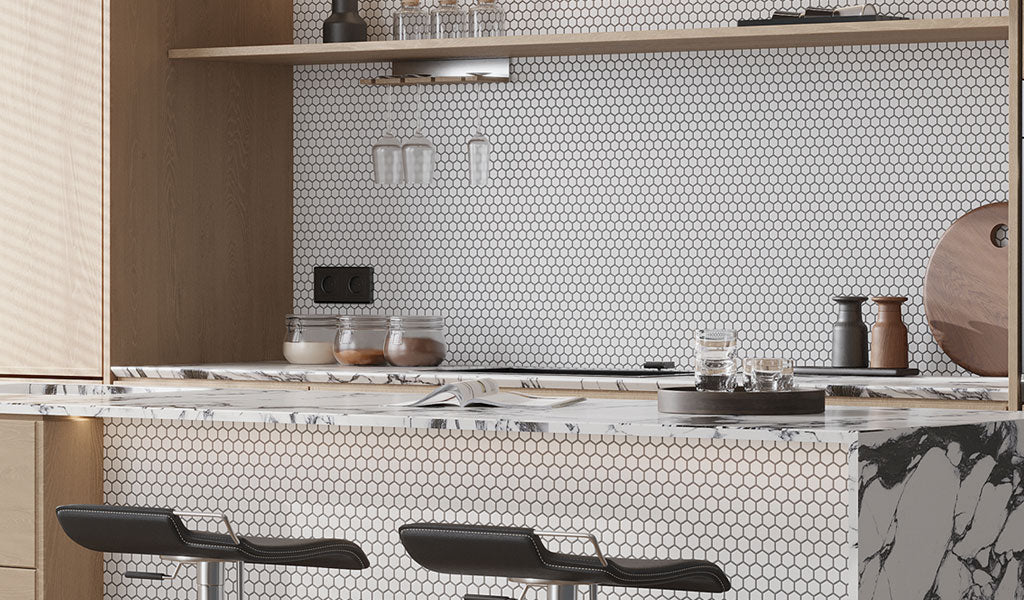
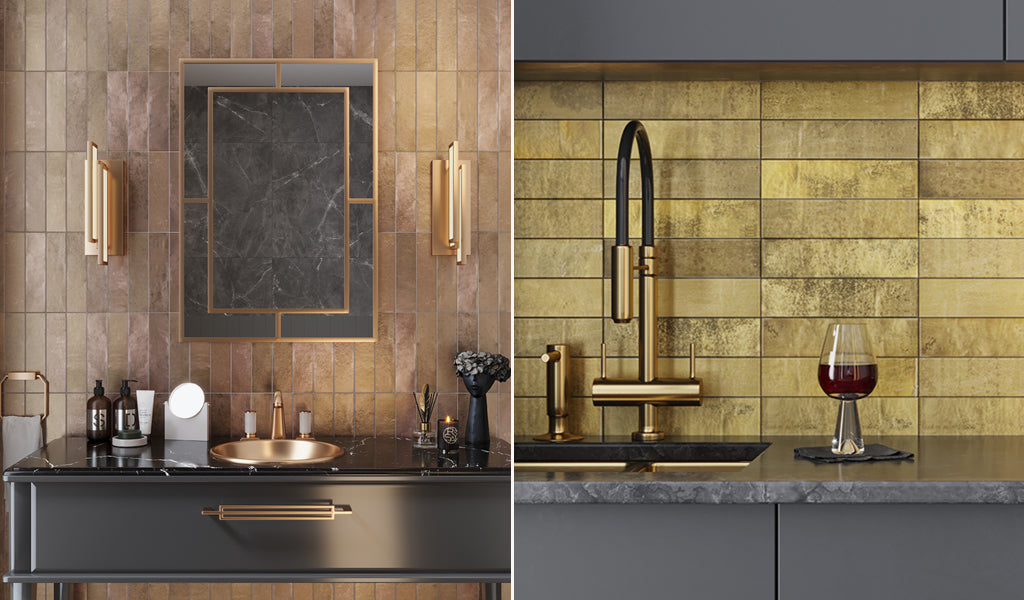
For kitchen wall tile, the satin finish is the most preferable as it is easy to clean. Grease and any splash are easy to wipe away compared to the matte finish. Satin keeps places looking clean with minimal effort, making options like White 12x36 Satin Field Ceramic Tile a smart and stylish choice.
In terms of bathroom decor, it depends on the ambiance one wishes to create. The matte finish is ideal when trying to achieve a peaceful, spa-like vibe. Options like Light Gray 12x36 Matte Stone Look Ceramic Large Tile will do the trick. However, if there’s a desire for a subtle glow, then the satin finish will fit the bill.
Which Finish Is Easier to Clean and Maintain

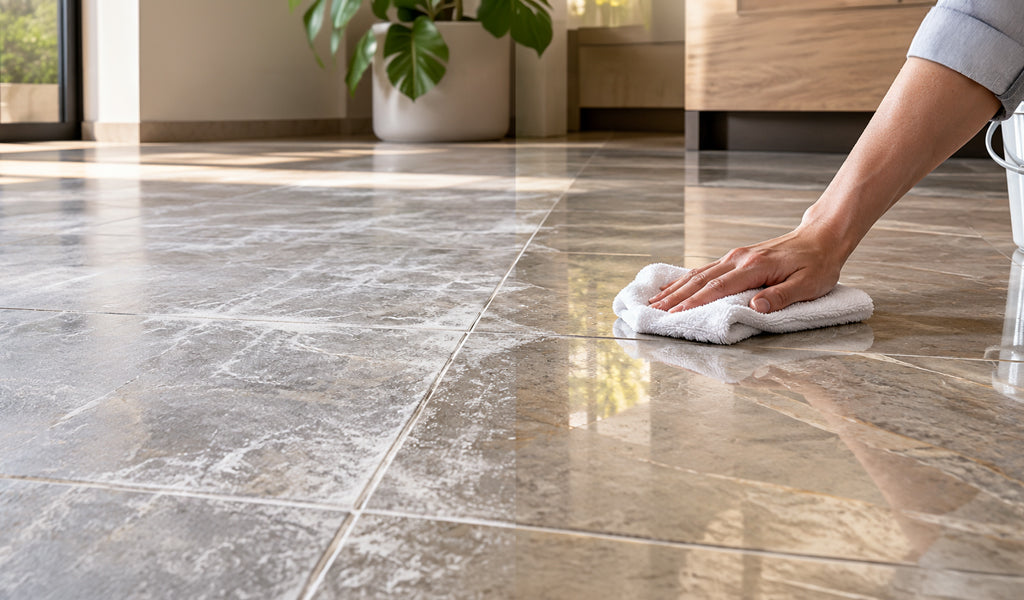
Among the questions posed when comparing satin vs matte finish is which one is easier to maintain. Satin finishes come out on top. The smoother surface makes it easy to remove dirt, grease, and water spots. Therefore, they are a practical option for busy kitchen spaces.
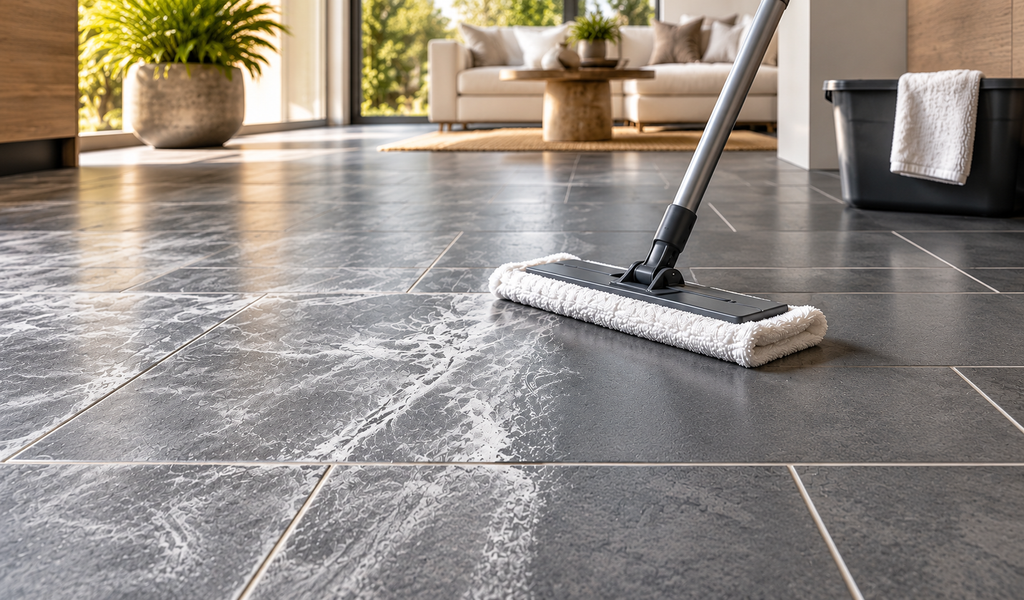
While matte finishes hide smudges well, they tend to require extra work during cleaning. The dirt stays there for a while, requiring you to apply more scrubbing or use specialized cleaning products to keep the surface spotless. The one clear benefit that matte finishes have over their competitors is that they never reveal streaks. No matter how dirty they are, they always look uniform and tidy.
Therefore, when choosing between satin and matte finishes based on maintenance considerations, choose satin for easy cleaning and matte for a good appearance.
Satin vs Matte: Design and Aesthetic Differences
From a design point of view, satin vs matte finishes may completely transform the ambiance of the room.
If you are planning to decorate a small room, you should consider using satin finishes to brighten up the space and create a feeling of openness. However, matte finishes are more suitable for large rooms with plenty of natural light since they can make smaller rooms look darker.
While comparing satin finish vs matte, keep in mind the amount of light that you want in the room.
Cost of Satin vs Matte Finish Tiles

Another crucial factor to consider when choosing between satin finish vs matte is cost.
Matte and satin finishes are generally similar in price, provided they are both made using the same type of material. Porcelain and ceramic tiles are examples of materials used to manufacture both finishes. Nevertheless, the manufacturing process might make the prices differ slightly.
Matte finishes may cost less because they undergo less polishing compared to satin tiles. The satin tiles' reflective and smooth nature makes it slightly more expensive due to its extra manufacturing steps.
However, the difference between satin and matte pricing is not significant. Your final tile installation cost depends on other aspects, such as size and how many tiles you will need to complete the project. In choosing between satin vs matte finishes, it is crucial to consider long-term benefits as opposed to initial costs.
Conclusion
Determining whether to use satin or matte finishes will depend on the purpose and design. Matte suits floors due to its non-slip feature and low reflectivity, while satin is recommended for walls and backsplashes due to its smoothness and easy cleaning. Combining both provides the best outcome.