

Different Types and Sizes of Tile Spacers Used in Installation
Apr 20, 2026 9 minute readClean, even grout lines are what set a professional tile job apart from an average one. Whether you're working on a bathroom or kitchen tile installation, tile spacers of varying sizes play a key role in achieving a neat, polished finish. Proper tile spacing not only enhances the look of your tile work but also makes tiles properly aligned, thereby making them more durable.
In this blog post, we will take you through everything you need to know, starting with a brief overview of tile spacers, to help you determine tile spacer sizes you should be using on a project. Whether you're looking to know what size tile spacers to use or for a reliable tile spacing guide, you're in the right place.
Key Takeaways
- The right tile spacer sizes ensure that the spacing is even, grout lines are uniform, and the installation looks professional.
- The size and type of tile, as well as the color of the grout, determine the appropriate size for the spacers.

What are Tile Spacers and Why are They Important
Tile spacers are small pieces of plastic inserted between the tiles during the laying process to ensure uniform spacing between them. The space is then filled with grout, which helps hold the tiles together and prevents moisture.
Correct tile spacing is important to ensure your tiles are evenly arranged, prevent them from moving during the laying process, and increase the longevity of the surface. Without tile spacers, your tiles may not be even, which may cause unpolished grout lines.
What size tile spacers should you use? It depends on the type and size of your tiles. Using the right tile spacers is one important part of any tile spacing guide.
Anatomy of a Tile Spacer
Types of Spacers and How They Work
Tile spacers are available in various forms, with each type suitable for different purposes.

This is the most used type of tile spacer, especially where four tiles touch. As an example, when installing a standard subway tile backsplash in a kitchen using a grid layout, X-shaped spacers are placed at the corners where four tiles meet. This is important in feature walls or backsplashes.
This type is used where tiles do not touch on all sides, especially where the tiles are arranged in a staggered manner, such as in brick or offset. In case each alternate row is staggered, then T-shaped spacers are installed where there are intersections of three tile sides, since they prevent four corner intersections.
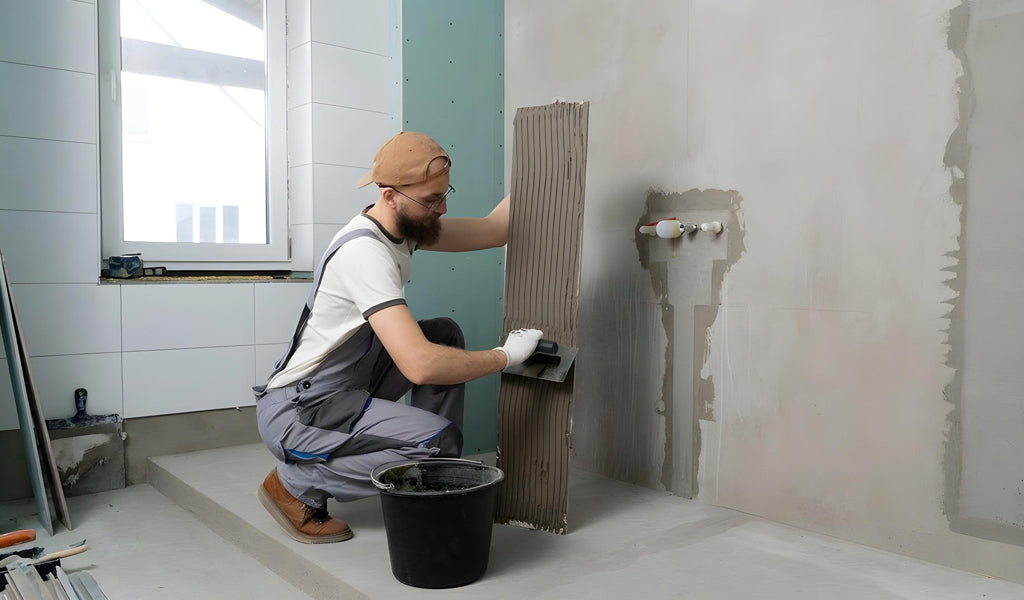
This type is used where adjustments are required during the laying process, especially where the tiles are not flat. During the installation of large porcelain tiles on floors that may be uneven, spacer wedges can fine-tune alignment during installation. This prevents any lippage problems.
Horseshoe spacers are placed along the edges of large-format tiles to maintain consistent grout joints during installation. Their rigid shape provides support for the tiles and ensures that they do not move or sink in the mortar when the adhesive is wet. Horseshoe spacers can be used to adjust the tiles when necessary. They are removed after the adhesive dries up.
Common Tile Spacer Sizes and Their Uses
Tile spacers can be purchased in different sizes. Understanding how to use tile spacers alongside selecting the correct size ensures a clean, professional result. The following is the common size of tile spacers and the best place to apply them:
How to Choose the Right Tile Spacer Size
The selection of the right tile spacer size depends on a variety of factors.
When working with large tiles, more spacing is necessary to accommodate slight differences in size and natural manufacturing differences, or tolerances. For smaller tiles, like our Ivory White 2.6x16 Glossy Ceramic Subway Tile, less spacing is needed because the tiles are more uniform in size and have fewer noticeable variations.
Rectified tiles are cut to exact sizes, hence the ability to accommodate tight spaces between tiles, and can use smaller tile spacers to create a seamless look. Natural stones, like marble tile, on the other hand, have irregular edges with some tiles not being the same size, hence the use of larger tile spacers to allow for those natural imperfections.
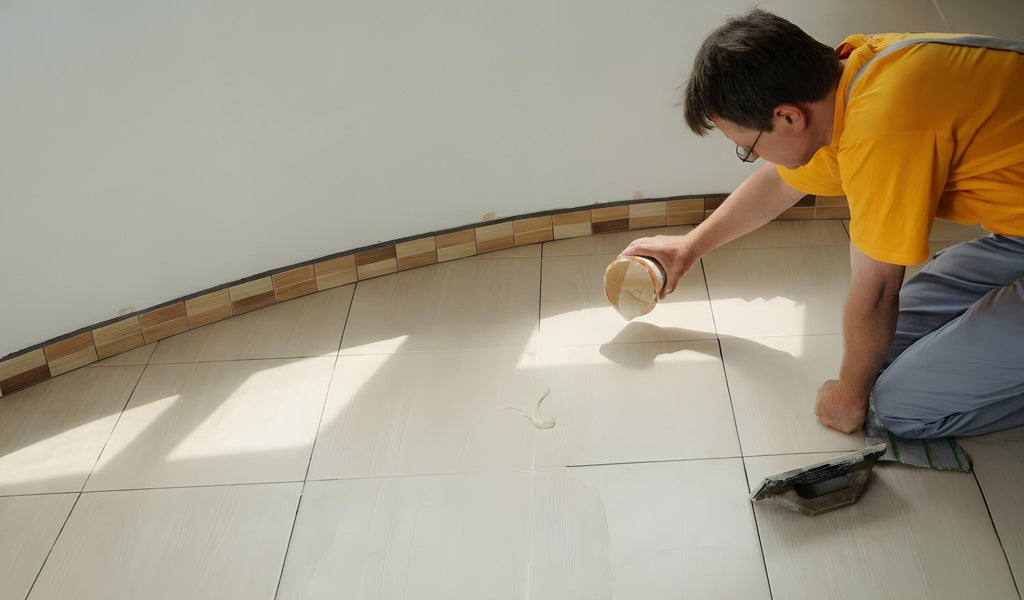
For floor tile installations, larger spacers are usually recommended for use compared to wall tiles. This is because floor tiles have to withstand more pressure compared to wall tiles. Wider grout joints help in absorbing the pressure, thus reducing the possibility of cracks. Wall tiles, on the other hand, can use smaller spacers.
Some grout types demand a certain level of joint spacing to work effectively, so you will want to make sure your tile spacing is compatible with your grout type. Sanded grout is generally used for larger joint spacing, which is 1/8 inch or larger, as this type of grout contains sand, which helps strengthen and prevent cracking in tiles.
On the other hand, unsanded grout is generally used for tighter joint spacing, which is less than 1/8 inch, and is typically used for tiles on a wall, which may get scratched if using a sanded grout type. There are other grout types, such as epoxy grout, which can work with both tighter and larger joint spacing, but proper spacing is still a requirement based on tiles and usage.
Spacer Size Chart by Tile Type & Application
To make things easier, here is a simple tile spacer size chart.
| Tile Type | Recommended Spacer Size |
|---|---|
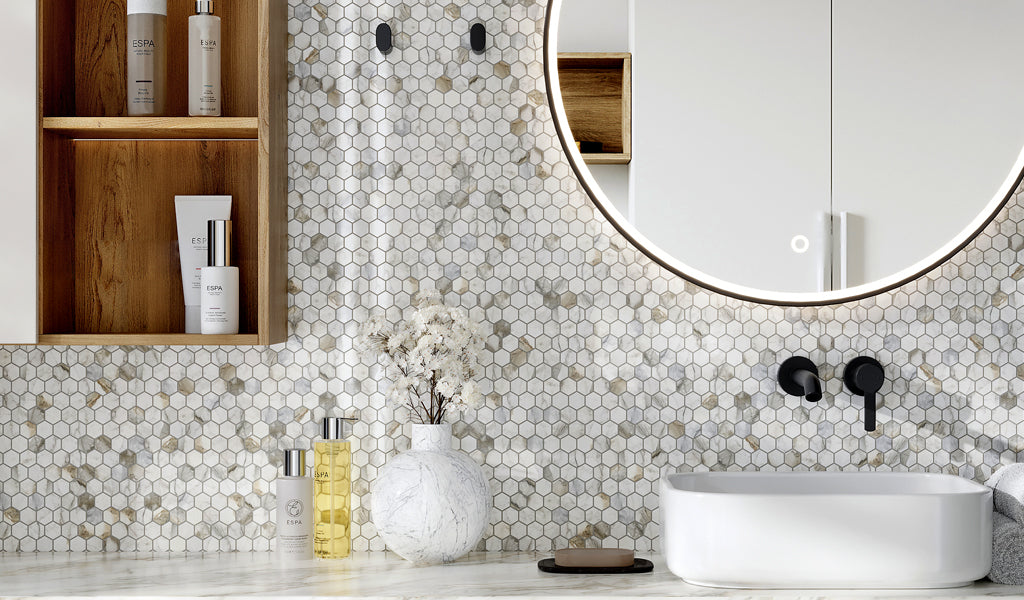
| Mosaic tiles (up to 2 inches) | 1/16 inch |
| Subway tiles | 1/16 – 1/8 inch |
| Standard wall tiles (4×4 – 12×12) | 1/8 inch |
| Large format tiles (12×24+) | 3/16 – 1/4 inch |
| Natural stone tiles | 3/16 inch and up |
| Outdoor tiles | 1/4 inch and up |
Best Options for Different Tile Layouts
Different tile layouts require different types and sizes of tile spacers.
To achieve symmetry in tile arrangement, you should use cross tile spacers.
T-shaped tile spacers are best suited for brick layouts as they consistently maintain tile spacing.
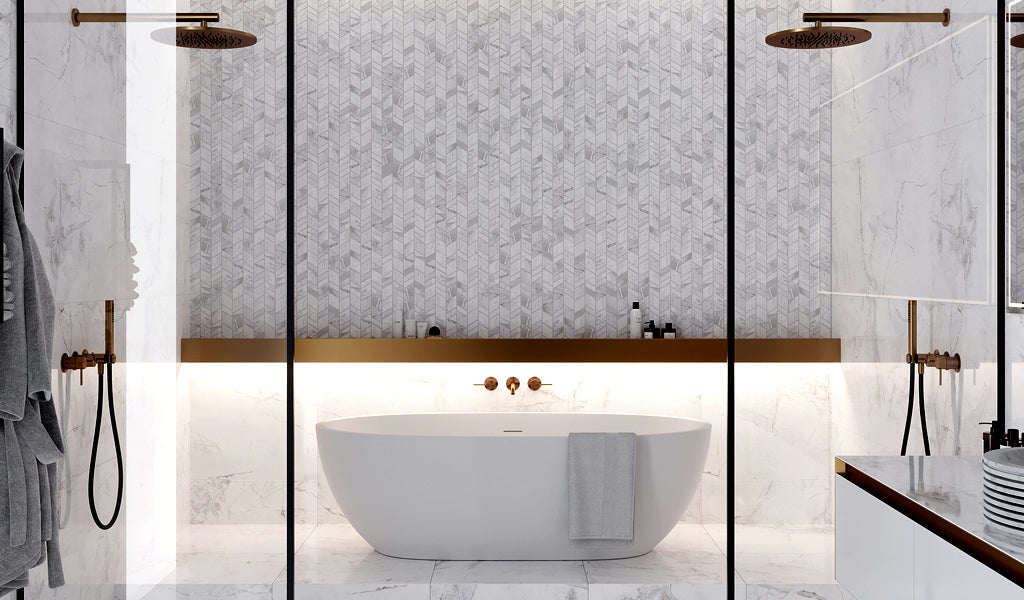
To achieve a neat herringbone pattern in tile arrangement, you should use 1/16 inch tile spacers or 1/8 inch tile spacers.
Cross tile spacers can also be used in a diagonal tile layout; however, you should place these tile spacers properly in order to maintain tile spacing symmetry.
Common Mistakes to Avoid When Using Spacers
Here is a list of things to remember, even if you have chosen suitable spacers for your tiling project.
Here is a list of things to remember, even if you have chosen suitable spacers for your tiling project. They may affect the overall appearance of your tiling installation.
Make sure that you use spacers that have proper dimensions; otherwise, you risk creating an unappealing look of the grout lines. They may appear to be too tight or too spread out from one another.
Don’t overlook the appropriate number of tile spacers required. If you have ever been in such a situation, wondering how many tile spacers do I need? Then it should be considered that you will require at least two tile spacers on each side of each tile.
Spacers must not be left in place for a prolonged period of time. Otherwise, they might become difficult to remove, as they will remain stuck to your tiles after the adhesive dries out.
Spacers should be evenly placed, especially in the corners, to avoid any inconsistencies. At the same time, do not forget about possible inconsistencies in tiles themselves, as all of them cannot be identical to each other.
Conclusion
Using an appropriate spacing technique for your tiles may play a role in determining both their performance and aesthetics. Familiarity with the various types of tile spacers as well as their dimensions will assist you in laying tiles that have even grout lines and a glossy look.
Regardless of whether you are doing a do-it-yourself project or undertaking a large job, having a good guideline about proper tile spacing and avoiding common mistakes will prove useful in installing tiles that are properly aligned, durable, and attractive. You need to take into consideration the kind of tile you are working with, as highlighted in Tile Types in 2026: Materials & Buying Considerations.