

What Size Trowel for 12x24 Tile?
Apr 24, 2026 6 minute readSelecting the right trowel size for 12x24 tile is an important aspect when it comes to getting a professional and durable finish on your project. With the right selection, you can ensure even mortar coverage, strong adhesion between the tile and substrate, and a smooth, flawless finish. There are a few things that need consideration, but the procedure for choosing the right tool is much simpler than you would imagine.
Once you know what the right-sized trowel is for a 12x24 tile, you have all the pieces in place to ensure your installation will be a success and will stand the test of time.
Key Takeaways
- The use of the right-sized trowel ensures adequate coverage and tile adhesion.
- Installation techniques help avoid having hollow spaces, cracks, or poor adhesion.
Different Trowel Sizes for Large Format Tiles

The choice of trowel notch size is essential for applying the right amount of mortar for installation on large tiles. In other words, the larger the tiles, the thicker the mortar needed. Therefore, smaller notch trowels such as those used for mosaic or subway tiles do not suffice in such cases. The bigger the tile, the larger the notch required.
The popular trowels used for large format tile include square-notch and U-notch types. Square notches have always been favored since they create uniform ridges that can easily be compacted as soon as the tiles are placed. Common trowel size for large format tile include 1/4" x 3/8", 1/2" x 1/2", and even larger sizes for uneven surfaces.
Recommended Trowel Size for 12x24 Tile on Walls and Floors

The best trowel for 12x24 tile is typically a 1/2" x 1/2" square notch trowel. This tool gives enough material for strong bonding underneath the tiles. This size is used by both professionals and DIY installers because it helps achieve a solid bond and a smooth, even installation for 12x24 tiles.
A common question is, “what size trowel for 12x24 floor tile?” In most cases, a 1/2" x 1/2" square notch trowel is the recommended choice. Floor installations demand greater adhesion strength since they need to withstand weight and regular use. The appropriate trowel size can ensure better contact between the tile and substrate, helping each piece stay firmly in place for a durable, long-lasting installation.
When it comes to walls, you might ask, “what size trowel for 12x24 wall tile?” If the surface is perfectly flat and the tiles are relatively lightweight, a smaller 1/4" x 3/8" trowel can sometimes be used. But in most instances, it is advisable to use a bigger trowel because this will promote adhesion of the tiles to the surface.
For more inspiration on wall applications, you can explore subway tile bathroom ideas to see how proper installation contributes to a polished finish.
In case of any doubts, when the surface is not flat, or the tiles have texture on the reverse side, larger trowels should always be used.
How to Check Proper Mortar Coverage

While the appropriate trowel size for 12x24 floor tile might already have been selected, it is just as essential to ensure sufficient mortar coverage. Most people think that having the right trowel implies that there will be adequate coverage, which isn’t always the case.
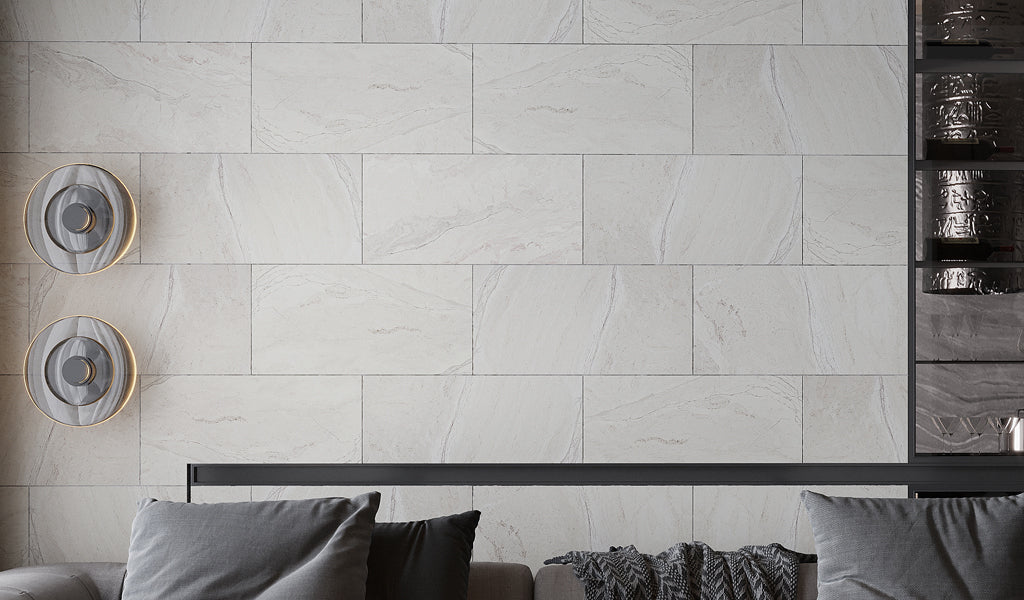
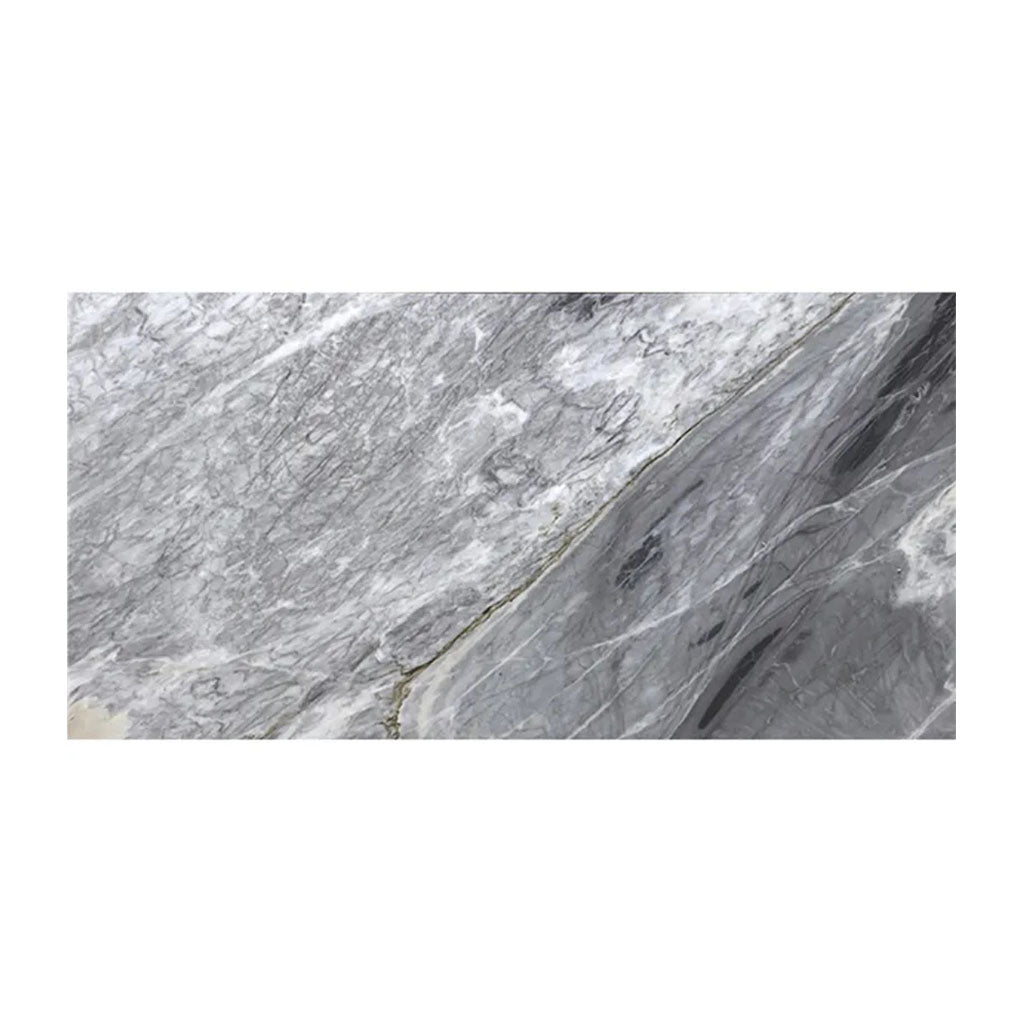
The ideal mortar coverage rate for 12x24 floor tiles is 95%, while that of 12x24 wall tile is 85-95%, especially along the edges and corners. Doing this prevents air pocket formation, promotes bonding, and avoids cracks in the long run. Using an excellent large format, such as the Gray 12x24 Honed Calacatta Bluette Marble Large Format Tile, could help achieve better results during installation.
In case of insufficient coverage, then there definitely is something wrong that has to be sorted out immediately. It may be due to inadequate tools or the inefficient technique being used. Using the appropriate technique along with an efficient tile guarantees better results.
Back Buttering and Other Pro Installation Tips

Back buttering is one of the methods that professionals often use to ensure tile bonding. This process consists of spreading a thin coat of mortar on the back of the tile before positioning it on the surface. This provides better coverage and more secure contact. It results in effective adhesion of the tiles.
Back buttering is crucial while laying down large-sized tiles. When working with 12x24 porcelain tiles, particularly on walls and somewhat irregular surfaces, gravity will affect the adhesion process, and the process of bonding will be difficult. If done together with the correct 12x24 tile trowel size, back buttering proves to be even more useful.
Apart from back buttering, there are other ways in which you can improve the installation process and ensure a professional result:
-
Keep the trowel always at a 45-degree angle so that you create uniform ridges.
-
Apply the mortar with straight lines rather than swirls, allowing air to come out easily.
-
Make sure that each tile is pressed down and slid to flatten the ridges.
-
Do not cover too much area at once so that the mortar does not dry out before laying the tiles.
-
Use a tile leveling system when dealing with large format tiles.
Conclusion
It is quite simple to choose the appropriate trowel size for installing 12x24 tiles by following a reasonable approach. The use of a 1/2" x 1/2" square-notched trowel is generally suggested for floors and walls, allowing a firm mortar application on tiles. By taking some care in the process and applying methods such as back buttering in certain areas, one can easily achieve an even and professional look with proper techniques.