

Pool Coping
Enhance your pool area with Apollo Tile’s pool coping collection. Crafted from high-quality porcelain to ensure long-lasting durability, our pieces elevate outdoor spaces. Rich finish and clean edges create a smooth, sophisticated transition from water to deck. From sleek modern tile pools to relaxed resort-style retreats, our coping options seamlessly complement diverse architectural styles, including contemporary, Mediterranean, minimalist, and classic. The tile pairs effortlessly with deck pavers, water features, and lush greenery for a refined, professional finish.
Enhance your pool area with Apollo Tile’s pool coping collection. Crafted from high-quality porcelain to ensure long-lasting durability, our pieces elevate outdoor spaces. Rich finish and clean edges create a smooth, sophisticated transition from water to deck. From sleek modern tile pools to relaxed resort-style retreats, our coping options seamlessly complement diverse architectural styles, including contemporary, Mediterranean, minimalist, and classic. The tile pairs effortlessly with deck pavers, water features, and lush greenery for a refined, professional finish.
Enhance your pool area with Apollo Tile’s pool coping collection. Crafted from high-quality porcelain to ensure long-lasting durability, our pieces elevate outdoor spaces. Rich finish and clean edges create a smooth, sophisticated transition from water to deck. From sleek modern tile pools to relaxed resort-style retreats, our coping options seamlessly complement diverse architectural styles, including contemporary, Mediterranean, minimalist, and classic. The tile pairs effortlessly with deck pavers, water features, and lush greenery for a refined, professional finish.
-
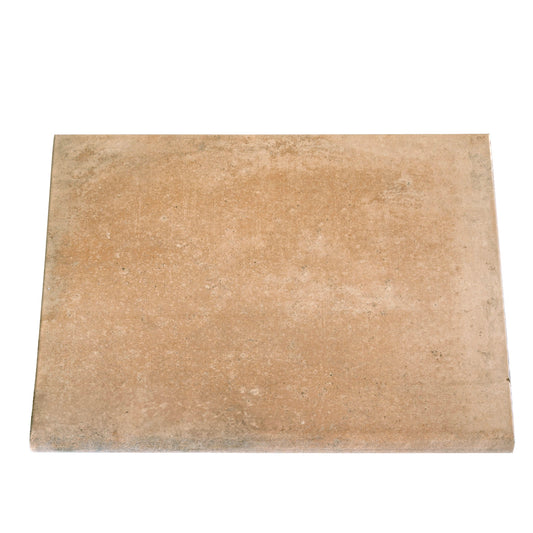
Terracotta 13x18x1.5 Matte Porcelain Large Format Tile (4 pack, 6.39 sq ft/case)
Regular price $72.45/pieceRegular priceUnit price per
Pool Coping: Natural-Looking Borders for Indoor & Outdoor Pools
The edge of the swimming pool is as important as the pool itself and deserves a similar level of attention. A pool edge, also known as pool coping, is responsible for creating a finished transition between the pool and its surroundings, allowing you to define the shape of the pool deck and add to the overall look of the exterior. Terracotta tones bring out the beauty of the usual blue and white pool tiles, providing a defining edge to the pool space, creating a harmonious look with natural landscaping and complementary deck materials.
Apollo Tile’s coping pool tile collection features stylish terracotta matte porcelain step tile with a warm clay color, a rounded edge, and a sturdy profile that allows for distinct and prominent borders. Its understated finish adds a subtle tonal variation to the surface, making the piece a unique and striking pool tile for people who prefer nature-inspired designs over highly polished looks.
What Is Pool Coping?
The finished edge around a swimming pool, made from tile or other materials, is known as pool edge coping. Coping is installed along the perimeter of the pool, where it forms the transition between the pool structure and the surrounding deck. It creates a finished boundary while contributing to the pool's function and appearance.
Design and Durability Features
Coping is responsible for a lot more than just aesthetic appearance. Good coping installation also needs to provide practical benefits and utility. It should suit the shape of the pool and also be able to tolerate regular exposure to the outdoor elements. It should also be able to create a suitable surface around the water. Edge profile, material, thickness, installation method, and drainage details are all responsible for the final look and utility of any coping installation.
Porcelain is a highly recommended coping tile material as it offers strength, beauty, and durability. Our terracotta porcelain step tile combines a matte finish with a rounded edge, bringing a softer outline to the pool perimeter.
Explore Different Modern Swimming Pool Coping Styles
Coping for pools is available in different profiles and materials, each offering a different appearance and practical considerations. Some common options include:
Bullnose Edging for Smooth, Rounded Pool Borders
Bullnose pool coping has a rounded exposed edge that ensures a soft transition between the pool and the pool surroundings. This style is suitable for gently curved finishes and traditional looks. Rounded edges also complement Mediterranean-inspired home and outdoor designs, particularly when paired with clay tones, timber accents, and natural landscaping.
Straight-Edge Tiles for a Modern Poolside Look
Straight-edge coping, as the name suggests, creates crisper and cleaner lines. This look is suitable for contemporary pool designs featuring distinct architectural lines and geometric shapes.
The final choice between rounded and square edge coping depends on the overall desired appearance and requirements of the pool. A crisp deck surface can contrast with a rounded coping profile, while coordinating edge details can create a more continuous appearance.
Contemporary Swimming Pool Edge Designs for Outdoor Spaces
Instead of choosing the familiar gray, blue, and white pool coping stone tiles for pool borders, try warmer shades such as terracotta for a personalized and modern look. Terracotta introduces a warm clay color that pairs naturally with greenery, earthy stone finishes, and wood-look surfaces. To make your outdoors look aesthetically appealing and inviting, try to coordinate the coping tile with the surroundings so that the pool does not feel like a separate element.
Choose the Right Material for a Minimalist Pool Coping
Coping materials for pools vary in their appearance, performance, and maintenance requirements. The right material depends on the pool's design, the surrounding environment, and the practical requirements of the installation. Common materials for coping include:
Porcelain Edging for Modern Outdoor Pool Designs
Although natural stone pool coping, limestone pool coping, and marble coping are popular choices for coping, a porcelain coping such as our Terracotta 13x18x1.5 Matte Porcelain Large Format Tile is highly recommended for its consistent color, finish, and practical strength.
The tile's matte surface and clay-inspired color mimic the look of a brick pool coping tile, making it suitable for outdoor designs that favor warm, natural textures. They can also complement more contemporary settings, including urban and industrial-inspired spaces.
Textured Finishes for Stylish Swimming Pool Surrounds
The selection of finish matters significantly in spaces that are frequently exposed to water. A matte surface is generally recommended over a glossy finish around pools as it reduces reflectivity and provides a subtle and refined look. Most matte finishes also provide a certain level of slip resistance; however, this resistance varies largely from product to product.
Where to Install Coping Around a Pool
Tiles for coping can be used in several types of pool installations, depending on the design and construction of the edge.
In-Ground Swimming Pool Edges
Coping around pool perimeters creates a clear boundary between the water and the deck. The selected profile must suit the pool's construction, including how it meets the pool shell, waterproofing system, and adjoining paving.
Pool Coping Pavers for Surrounding Pool Areas
Pool coping pavers and deck pavers serve related but different purposes. Coping finishes the pool edge, while surrounding pavers cover the adjoining walking area. Coordinating their colors can create a connected design without requiring both surfaces to use the same material.
Spa Edges and Raised Pool Designs
Raised pools and spa edges often make the coping more visually prominent. A warm terracotta border can emphasize the pool’s outline and complement surrounding masonry.
Create a Cohesive Look with Poolside Border Tiles
A few ways to coordinate pool coping with the surrounding poolside design.
Complement Poolside Tiles with Landscaping
Terracotta pairs well with the natural greenery, stone planters, and timber details. Its warm color can connect the pool area with the garden, particularly when the surrounding palette includes earthy greens, browns, and soft neutrals.
Choose Colors and Finishes for a Cohesive Poolside Look
Consider how the coping will look beside the pool water, deck, and exterior walls. Terracotta creates a warmer effect than cool gray or white, while its matte finish helps maintain a more subdued appearance. Experiment with different colors and design elements for unique pool design ideas for personalized outdoors.
Coordinate Pool Edge Tiles with Deck Pavers
The coping and deck should complement each other in both color and proportion. A contrasting border can emphasize the pool's shape, while coordinating tones can create a subtler transition. Also consider grout joints, edge alignment, drainage, and the change in elevation between the pool and deck.
Plan Your Pool Coping Tiles Installation
Planning ahead can help you avoid unnecessary expenses, material waste, and delays during installation.
Calculate the Required Coping Pieces
Instead of measuring the total deck area of the pool, measure its perimeter. Divide this measured length by the coverage of each coping tile. Remember to include additional lengths for corners, cuts, joints, and the shape of the pool. Pools with straight lines, such as square and rectangular, generally require fewer tile pieces than irregular layouts and curved shapes.
Check Edge Profiles and Product Specifications
Before placing an order for pool coping tiles, always check and reconfirm the dimensions, edge profile, thickness, and installation requirements to ensure you don’t end up buying too little or too much.
Confirm Slip Resistance and Pool Application
Not all tiles can be used in and around a pool. Always check if the product that you have selected can be used for these applications. Coping edges may have to face standing water. They also need to have a certain level of resistance to slipping and the elements. Also check for installation-system compatibility, drainage requirements, and if necessary, professional guidance before work begins.