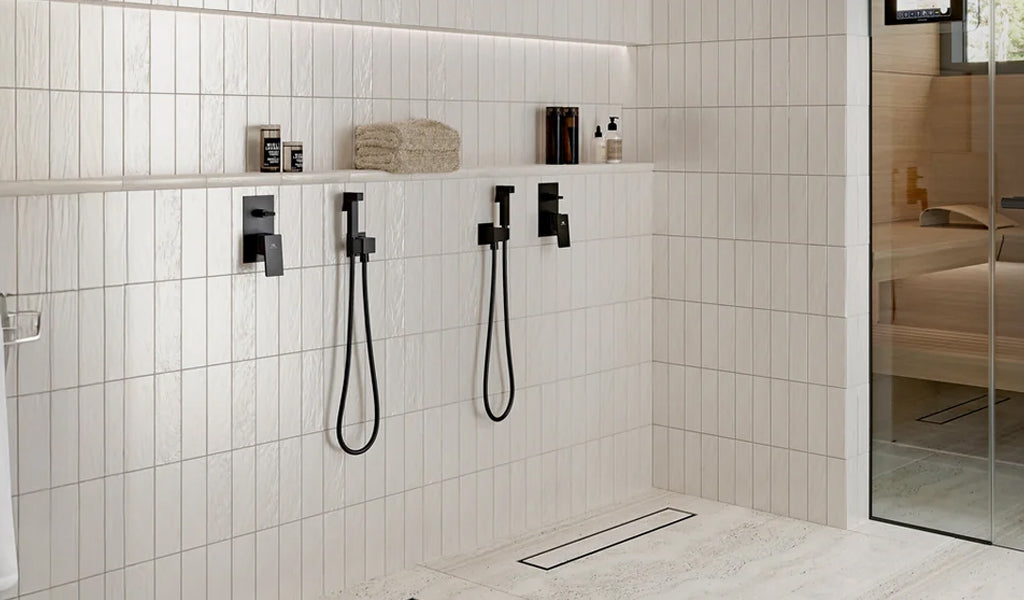


Vinyl vs. Tile Flooring: Which One Fits Your Kitchen or Bathroom
Oct 07, 2026 5 minute readKitchens and bathrooms are workhorses, facing everything from daily spills and splashes to constant foot traffic. So the choice of flooring should be more than good looks; it needs to handle the demands of daily life. Two popular contenders, vinyl and tile, each offer something unique to tackle these challenges. Vinyl flooring provides convenience and stylish designs, while traditional tiles bring durability, long-lasting value, and timeless appeal. We’ll compare vinyl flooring vs tiles for bathroom and kitchen installations to help you choose the best fit for your home and lifestyle.
Key Takeaways
- Vinyl flooring offers convenience and comfort while tile flooring provides superior durability, moisture resistance, and timeless style.
- Choosing between vinyl vs tile flooring for bathrooms and kitchens depends on your design preferences, budget, and long-term performance needs.
What Really Sets Vinyl and Tile Apart

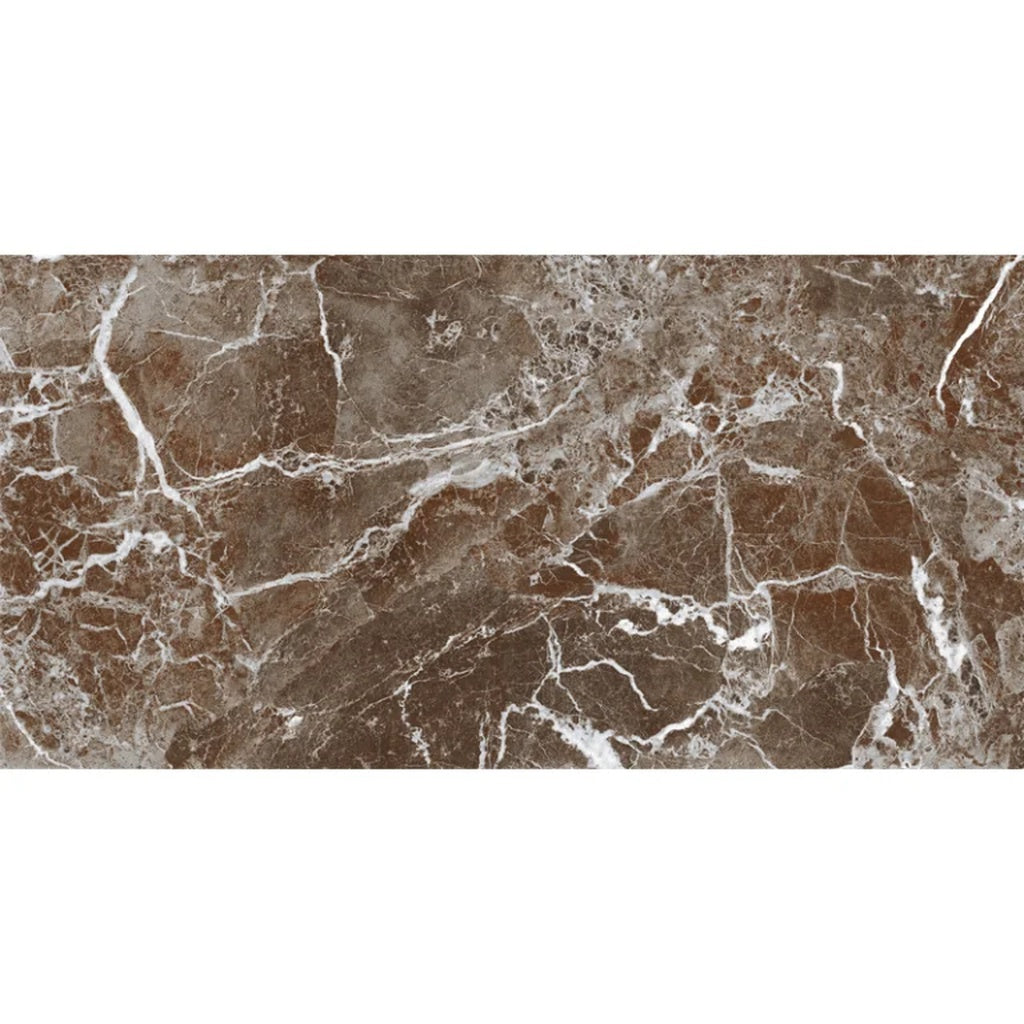
The biggest difference between vinyl and tile flooring is how they are made. Vinyl floors are crafted from synthetic materials like PVC, while tile is natural clay that’s shaped, glazed, and fired in a high-heat kiln. These differences in composition affect everything from comfort and performance to installation and upkeep and are key to choosing the right kitchen or bathroom flooring.
Which Flooring Makes More Sense for a Busy Kitchen
Luxury vinyl tile flooring kitchen design or luxury vinyl planks provide comfort and low maintenance, but dents from accidental impact can be a problem. Porcelain tile, such as Deep Charcoal Black 12x12 Matte Square Porcelain Tile, wins if you prioritize a robust surface able to withstand the rigors of a bustling kitchen, daily spills and splashes, and long-term heat.
What Should You Consider for a Bathroom Floor
Durable bath spaces prioritize water resistance, slip resistance, and easy maintenance. When choosing between vinyl vs tile flooring bathroom installation, consider your desired aesthetic and how well the material will hold up to daily use. Proper installation of tile or vinyl is crucial to preventing moisture-related issues and ensuring long-lasting performance.
Which Handles Water and Moisture Better
When weighing vinyl flooring vs tiles for bathroom, how each material handles moisture and water is a key consideration. Tile is moisture-resistant, with porcelain options having a dense, nearly waterproof surface. Glass, ceramic, and porcelain can withstand frequent water exposure and won’t swell, warp, or degrade, even after years of installation on shower walls and floors.
A vinyl tile flooring bathroom is water-resistant and a practical choice for showers. But installation is crucial. If water seeps through the seams, it can get trapped, leading to adhesive failure, mold, and other moisture-related issues.
Which Gives You More Freedom with Colors, Patterns, and Designs
While vinyl flooring offers impressive peel-and-stick, plank, and tile formats and can mimic the appearance of wood and marble, tile’s design versatility remains unrivaled. An extensive selection of colors, from neutrals to bold hues and jewel tones, along with varied sizes, shapes, patterns, and finishes, makes it easier to tailor your space to your taste and lifestyle. From Zellige-style tiles with artisanal charm to geometric mosaics and finishes that emulate wood, terrazzo, terracotta, and natural stone, there’s simply a plethora of options to choose from.
When Should You Choose Vinyl or Tile Flooring
When choosing vinyl or tile flooring for kitchen or bathroom, consider vinyl for convenience, easy installation, and comfort. Choose ceramic, porcelain, or marble floor tile for superior durability and a high-end finish that’s compatible with underfloor heating systems and boosts your home’s resale value.
Conclusion
Ultimately, the choice between vinyl flooring vs tiles for bathroom and kitchen falls on your design preferences and performance needs. Vinyl offers affordability and easy installation, making it a practical choice for the home. Tile flooring, on the other hand, delivers exceptional durability and premium quality for long-term value.
Frequently Asked Questions
1. Can vinyl flooring be installed over existing tile?
2. Which flooring is better for underfloor heating?
3. Can you create a wood-look floor with tile instead of vinyl?
Tile that looks like wood replicates the grain patterns, natural textures, and shade variation of genuine timber while offering the durability, design versatility, and easy upkeep of ceramic or porcelain.
4. Does vinyl flooring handle heat as well as tile?
When comparing vinyl vs tile flooring kitchen installation, tile generally handles heat better. Glass, ceramic, and porcelain are highly heat-resistant, while vinyl flooring is more sensitive to high temperatures and may warp if exposed to heat.