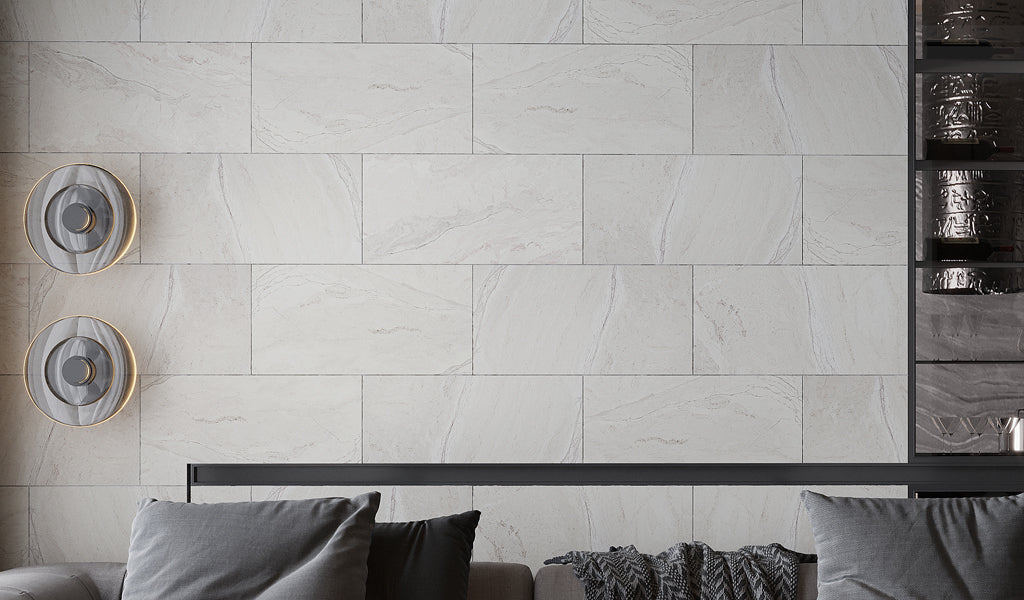


Vinyl Flooring vs. Tile: Differences, Pros, Cons & Cost
Sep 16, 2026 10 minute readDiscussing floor types is a big part of any interior design project. When choosing between vinyl flooring vs tile, resilience, style, cost, and upkeep are key factors. Both materials offer distinct advantages and contribute to the appearance, comfort, and long-term value of a space. Vinyl flooring is valued for its affordability and design versatility, while floor tile is prized for its strength, timeless appeal, and performance. So, which type is right for your space? Ahead, we compare durability, aesthetics, costs, maintenance, and installation to help you decide.
Key Takeaways
- Vinyl flooring is a better fit for budget-conscious projects where convenience, faster installation, and ease of upkeep matter most.
- Tile provides a premium finish where superior performance and a timeless design appeal are essential, thanks to its extended lifespan and low maintenance.
Vinyl vs. Tile Flooring: Pros, Cons and Key Differences
The difference between vinyl vs tile flooring begins with how they are made. As a wholly synthetic, manmade surface finish, vinyl flooring is primarily PVC. Its construction consists of multiple layers: a protective wear layer, a decorative design layer, and a resilient backing. This structure is why vinyl can replicate the look of hardwood, natural stone, and even ceramic tile. Vinyl flooring can be sheets, planks (luxury vinyl plank or LVP), or tile (luxury vinyl tile or LVT).
Ceramic and porcelain floor tile is made from natural clays and other minerals, pressed into shape, finished with a surface glaze, and fired in a kiln to harden. Natural materials, such as marble and limestone, take a different process. They are quarried from the earth and cut to size and shape. Tile stands out for its permanence, robustness, water resistance, and a wide range of styles to suit various design preferences. Porcelain, especially, can emulate the appearance of various materials, including terrazzo, terracotta, hardwood, and natural stones such as marble, slate, and onyx.
Pros and Cons of Vinyl Flooring
- Feels softer and easier on bare feet, providing a comfortable choice for prolonged standing.
- Excellent impact resistance, with waterproof options suited for kitchens, bathrooms, and laundry rooms.
- Simple to maintain, handles stains and everyday messes with minimal effort, and weekly damp mopping is enough to keep floors looking good.
- Offers excellent value with lower material and installation costs, making it a practical choice for cost-conscious projects.
- Available in an assortment of styles, colors, and patterns, including finishes that mimic wood and natural stone.
- Vulnerable to scratches, dents, cuts, and punctures from sharp objects, heavy furniture, and high-impact use.
- While available in wood and stone looks, the illusion is rarely convincing and lacks the authenticity real materials possess.
- Damaged vinyl may need to be replaced in sections, and finding an exact match for discontinued products can sometimes be challenging.
- Polymer-based flooring can raise concerns about VOCs in projects where indoor air quality and low-emitting materials are priorities.
Pros and Cons of Tile Flooring
- Offers unmatched durability and higher wear resistance for heavy foot traffic in busy homes and commercial spaces.
- Porcelain tile, in particular, stays structurally steady in areas exposed to constant splashes and moisture thanks to its nearly waterproof composition.
- Handles heat well and works effectively with flooring systems where consistent thermal performance is important.
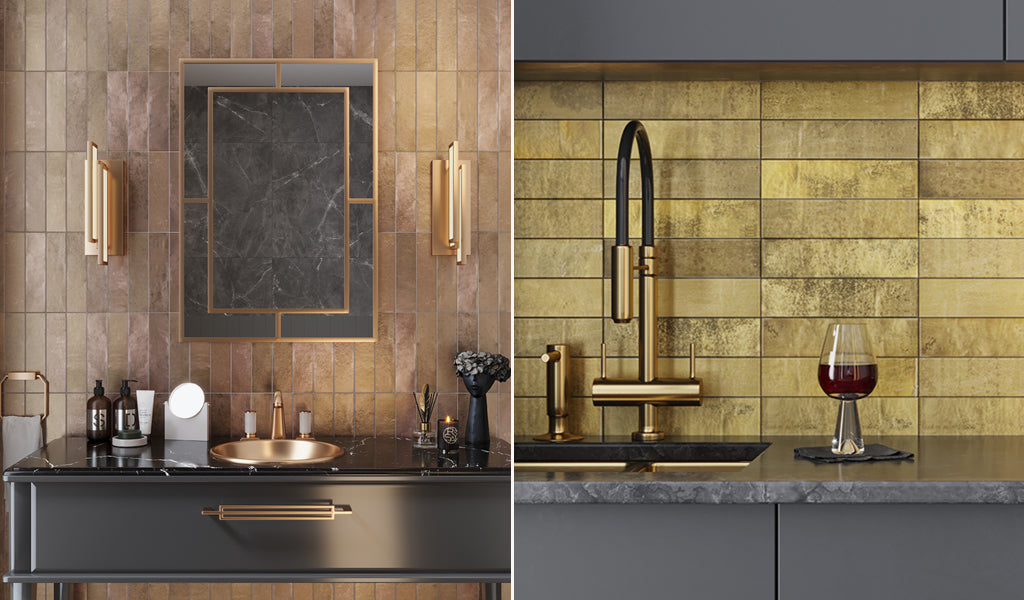
- Available in attractive designs for endless design possibilities, from ceramic tile that mimics handmade Moroccan Zellige to natural Thassos, Carrara, and Calacatta marble tile.
- Properly installed tile can last 20-50 years or more without replacement, making it a sustainable long-service flooring solution.
- Stands up well to daily upkeep, and dirt, spills, and stains can be cleaned with minimal effort.
- May require higher installation costs in surface preparation and professional labor, but a long service life and premium finish provide lasting value.
- While highly water-resistant, grout, particularly cement-based, is porous and requires periodic resealing to prevent staining and moisture-related issues.
How Much Does Vinyl or Tile Flooring Cost?
Vinyl flooring vs tile cost depends on several factors, including the type and quality of the material. Vinyl flooring is generally more affordable upfront, costing roughly $3.50 to $12 per square foot installed. This lower initial investment is why it lands on the popular option list for homeowners on a tight budget. But remember, vinyl comes in different formats, from standard sheets to luxury planks, so quality and price points vary.
On average, standard porcelain or ceramic flooring costs $7 to $20 per square foot, while premium materials like marble and mosaic glass tile typically cost more. Professional installation can raise costs because it demands careful measuring and cutting, adhesive application, grouting, and, in some cases, subfloor preparation. As mentioned earlier, material and installation costs may be high upfront, but tile's longevity can potentially outlast two or three vinyl replacement cycles, which is why it remains a compelling option.
How Much Maintenance Does Each Flooring Type Need?

Flooring makes up a large part of the room's interior. Besides choosing the best style to complement your overall aesthetic, how much effort you're willing to put into ongoing upkeep is equally important. For vinyl vs tile, both flooring options are relatively easy to care for, but cleaning requirements may differ slightly.
Once daily use starts leaving dust, dirt, and stains, vinyl in sheet, tile, or plank format is easy to clean. Regular sweeping or vacuuming, along with occasional damp mopping, is enough to keep surfaces immaculate. Glass, porcelain, and ceramic floor tile are just as easy to care for. However, porous cementitious grout requires deep cleaning every few months to prevent buildup. Resealing grout joints periodically is essential to repel moisture, preserve a pristine appearance, and protect the installation's structural integrity.
Which Flooring Lasts Longer and Holds Up Better?
When comparing vinyl flooring vs tile, how well each holds up over time can influence choice, particularly in high-traffic areas and those with frequent water exposure. Vinyl tiles and planks have an expected lifespan of about 10-20 years in most projects, depending on product quality and everyday wear. High-end products with a thicker wear layer offer better abrasion resistance and can handle decades of use. Substandard options may be more susceptible to scratches, dents, cuts, and damage.
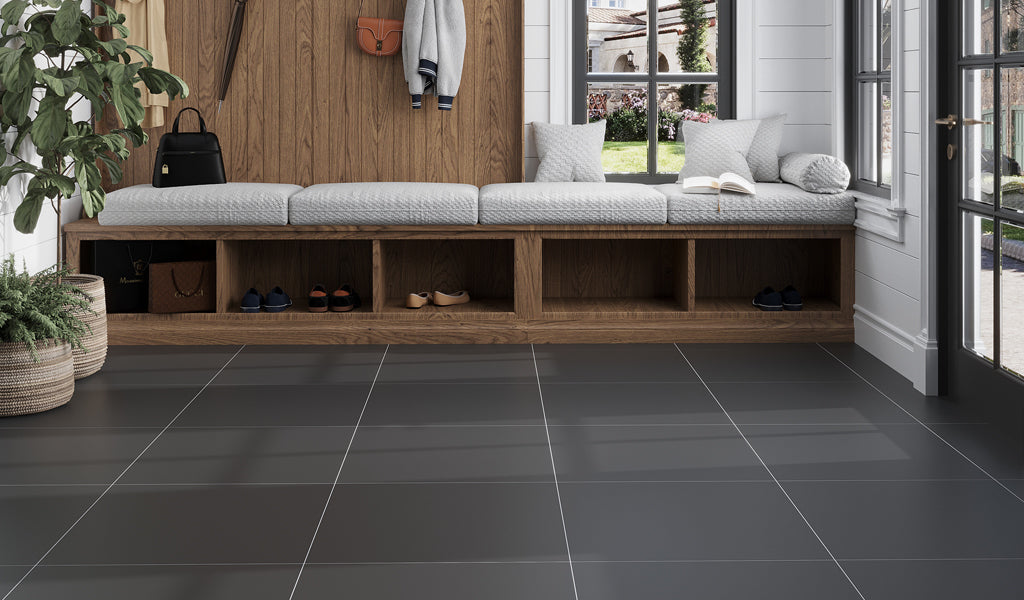
Tile starts to pull ahead when long-lasting durability and performance are desired. Porcelain, for example, has a lifespan of 50-75 years and can even reach up to 100 years with exceptional care. Products such as Nero Black 24x24 Matte Color Body Porcelain Large Tile resist long-term abrasion and maintain their quality in rooms that get constant traffic. As far as durability and longevity are concerned, tiles have the upper hand over vinyl.
How Do Vinyl and Tile Compare for Installation?

A floor’s practicality doesn’t end with its purchase. How it’s laid plays an equally important role in determining whether it's the right fit for your project. So how does vinyl vs tile compare in installation? Vinyl flooring is easy to install using a peel-and-stick, click-lock, and glue-down method. Tile, too, can be laid on walls and floors with ease, making DIY projects and a flawless, professional-looking finish possible. Both options offer installation methods that can suit different project needs and preferences.
Can Vinyl Flooring Look Like Tile or Go Over Existing Tile?

Luxury vinyl tile (LVT) uses a printed design layer under a transparent wear layer to closely replicate the look of ceramic, porcelain, and marble floor tile The design has a similar appearance to tile, is more comfortable underfoot, and offers broad visual flexibility across various decor themes. Depending on the product and installation method, vinyl flooring can be laid over existing tile, provided the tile surface is clean and structurally sound.
Old, uneven, loose tiles and grout may need to be repaired or removed entirely to prevent bumps, dips, or cracks from showing through the new vinyl floors. Our blog, How to Replace Damaged Floor Tiles, provides detailed tips and recommendations for a successful job.
Still Deciding? What Should You Consider Before Choosing

Still unsure between vinyl vs tile flooring? Both materials bring their distinct character and technical performance to kitchens, bathrooms, and busy interiors, but they solve different problems. Tile solves longevity; vinyl solves convenience. Vinyl tiles and planks are a practical choice where easier placement, lower upfront cost, and comfort underfoot matter more. Large and small tiles deserve serious weight where permanence and a premium covering with fewer replacements matter.
Conclusion
When comparing vinyl flooring vs tile, there isn't a universal winner. The choice between the two comes down to your aesthetic and practical needs, budget, and long-term expectations. Vinyl flooring stands out for its lower upfront cost, design flexibility, comfort underfoot, and ease of installation. If outstanding durability, a premium finish, and a significantly longer service life matter most, tile flooring is a stronger investment. Understanding the key differences discussed above can help you make a confident decision that meets your design goals.