

Tile Leveling System vs. Spacers: What Is the Difference and When Do You Need Both
Oct 28, 2026 9 minute readHere’s a tiling mistake that can catch even a careful installer off guard: assuming that keeping tiles evenly spaced means keeping them perfectly level. You can have uniform grout lines and yet still end up with one tile sitting slightly higher than the next. That’s where tile spacers and tile leveling systems come into play. While one helps define the gaps between tiles, the other tackles those frustrating height differences that can make an otherwise neat installation feel unfinished.
Key Takeaways
- A tile leveling system, such as the clip-and-wedge, keeps tiles flush and prevents lippage, while traditional spacers maintain even grout lines.
- Leveling clips can work alongside spacers to manage alignment but are not a solution for an unstable substrate, poor mortar coverage, or other tiling issues.
The big question behind tile spacers vs tile leveling systems isn’t simply which one is better, but what each one brings to the job. More importantly, can using both be the secret to flawless tilework? Ahead, we break down what sets these two tools apart, when each one makes sense, and why sometimes, the best results come from using them together.
How Do Tile Leveling Systems and Spacers Affect Tile Alignment

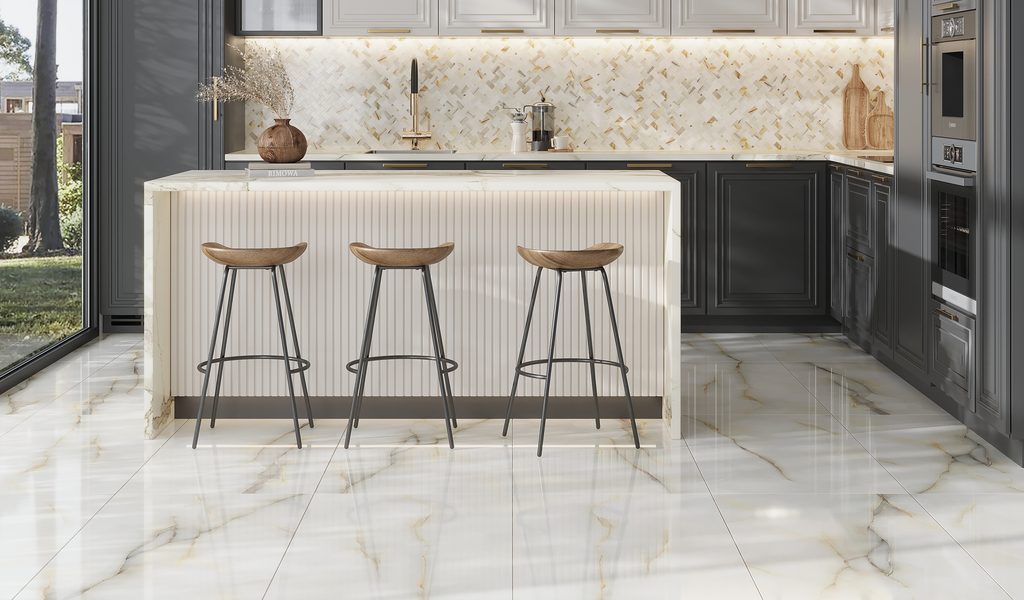
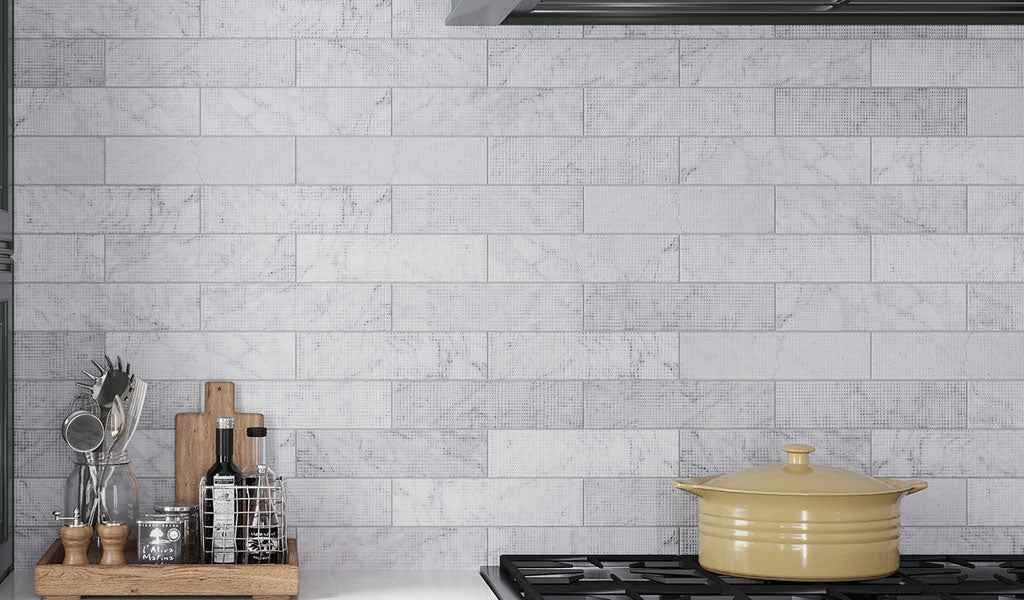
You can choose the most beautiful stone-look or green backsplash tile, use premium adhesive, and spend hours getting the layout right. Still, if the tiles don’t sit evenly or the grout lines wander, the completed installation can quickly lose its appeal. This is where spacers and leveling systems each earn their place.
So, what is the difference between tile spacers and leveling systems, and how do they affect tile alignment? Spacers, including cross, horseshoe, and T-shaped, focus on uniformity between tiles. They create consistent gaps from one piece to the next, helping keep grout joints straight and evenly spaced. Without them, even a small shift during installation can throw off the entire pattern.
In comparison, leveling clip-and-wedge controls tile height. These small tools pull edges flush with one another to minimize lippage (when one tile edge sits higher than the one next to it), which is common with large-format and rectified tile. But unlike spacers, they do not always guarantee a uniform, consistent joint width on their own. The leveling clip slides under the edges to bring adjacent tiles to a consistent height while the adhesive cures.
Here’s a quick comparison between tile spacers vs tile leveling system:
| Feature | Tile Leveling System | Tile Spacers |
|---|---|---|
| Primary function | Align tile edges flush to prevent lippage | Maintains consistent grout lines |
| Best suited for | Large format tiles, rectified tiles | General installations, including small formats and staggered patterns |
| Available types & sizes | Different clips and wedges for various tile thicknesses and joint widths | Cross, T-shaped, horseshoe, wedges, in sizes from 1mm to 10mm or more |
| Maintains grout spacing | Some designs have built-in spacing features | Maintains consistent spacing between tiles |
| Maintains tile height | Yes | No |
| Prevents lippage | Yes | No |
| Can be used together | Yes, to manage tile alignment | Yes, to maintain even grout lines and tile height |
Can Tile Leveling Systems Be Used Without Traditional Spacers

Floor tile can sit at the same height but have inconsistent grout lines. With this in mind, can tile leveling clips replace spacers? The answer is yes, depending on the type of leveling clip. Sure, these two tools solve two different alignment issues. Tile leveling clips and wedges help keep the surface flush, while spacers keep those joints even and the layout looking sharp.
That said, some leveling systems do more than prevent lippage; they maintain the desired joint width. These have a built-in spacing feature that, when tightened during installation, keeps edges in alignment and spaces neighbouring tiles with uniform gaps. In this scenario, you can complete installation without traditional tile spacers.
But not all tile leveling clips and wedges work this way. Some are simply not designed to hold consistent grout joints on their own and therefore require spacers for a professional-looking installation.
When Are Traditional Tile Spacers Still Necessary
Even when a tile leveling system is part of the toolkit, traditional spacers remain necessary and can make the difference between a good installation and a great-looking one. Keep spacers for these reasons:
Installing Small Tiles
Mosaics and small-format ceramic tiles such as Black 4x4 Glossy Matte Square Ceramic Tile don’t always need full leveling clips thanks to fewer lippage cases. Their edge variation adds to their appeal, but spacers can be more practical for consistent grout joints.
Tile Patterns & Layouts
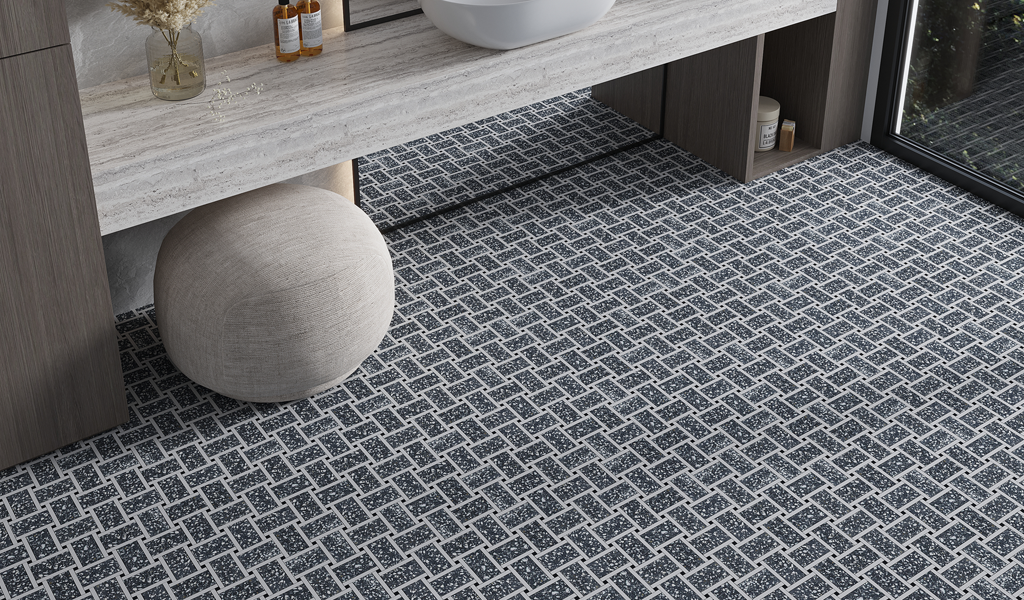
Running bond, herringbone, and other intricate layouts require careful attention to spacing, and sometimes the standard clip-and-wedge leveling system can not match these layouts.
Tiling Along Perimeters
Where tile meets walls, floors, and other fixed surfaces, consistent joints are needed to match the rest of the installation. This gap may not be able to accommodate a leveling system and instead require a spacer profile.
Tackling Simple DIY Projects
For straightforward applications with standard, uniform-edged tiles like Cerulean Blue 3x6 Glossy Subway Glass Tile, traditional spacers may be all that’s needed for the intended polished look.
How Do Different Spacers Affect Grout Joint Width

Tile spacers aren’t just limited to even gaps; different sizes can alter the appearance of the finished installation. For example, 1-2mm spacers create a narrow joint width, perfect for a sleek, modern look with large format tiles, where grout lines recede into the background.
On the other hand, 3-5mm spacers leave enough room for grout to achieve a neat and subtle aesthetic. And when the tile’s characteristics call for wider grout joints, particularly rustic, handmade, and irregular-edged designs, 6-10 mm spacers are the better option.
 Pro Tip
Grout joint width should be wide enough to accommodate variation in tile dimensions. While thinner seams offer a visually pleasing and seamless finish, they may lead to alignment and installation issues if the tiles aren’t significantly uniform.
What Are the Limitations of Tile Leveling Systems and Traditional Spacers
Now that we’ve covered how does a tile leveling system work and where traditional spacers are necessary, it’s important to understand that both tools contribute to quality installation but have limitations. Neither is a magic fix for an unstable substrate, uneven mortar coverage, inherent warpage, or movement-joint requirements.
Before unsealing a box of tile, the surface on which they will go remains essential. The substrate should be sturdy, level, clean, and sound for tiling. Clips and wedges won’t flatten the floor. Similarly, laying that Zellige, glass mosaic, or porcelain wood-look plank tile over humps or into hollows can cause hollow spots and poor adhesion.
While tile spacers maintain even joints, they cannot keep surfaces flush. If lippage is a concern, leveling systems are the tool for the job. The same is true when roles are reversed. Before anything, focus on proper surface preparation for a reliable foundation, then use the right combination of tools.
Which Tile Installation Situations Require Both Systems

Whether to use tile spacers vs tile leveling system may not be a choice. Certain installations benefit from using both to prevent failure, making consistent height and joints possible all at once. Here are some situations where using both makes absolute sense:
-
Large-Format or Rectified Tile Installation
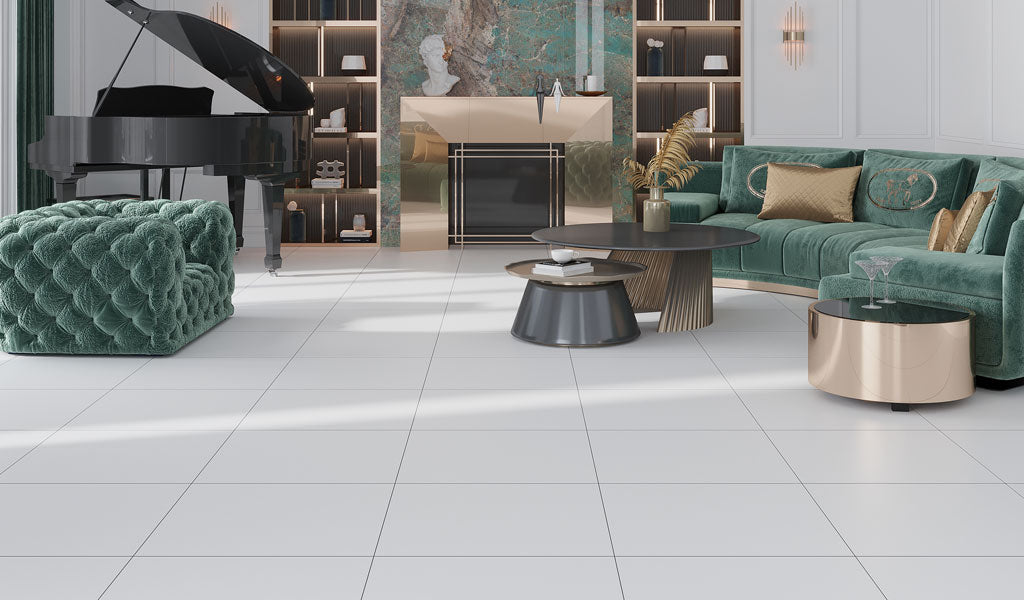
Larger tiles or those with rectified edges can be more prone to noticeable lippage. Leveling clips and wedges keep the surface flush, while spacers maintain even gaps.
-
Complex and Staggered Layouts
Complex layouts, such as staggered 12x24 tile patterns, require a close eye on spacing and positioning to keep grid alignment true and edges flattened.
-
Slightly Uneven Substrates
While leveling clips and spacers do not remedy an imperfect substrate, they can help with minor variations that make it hard for tiles to sit flush. In this case, a tile leveling system minimises lippage while spacers maintain uniform grout lines.
Conclusion
Choosing between tile leveling systems and traditional tile spacers isn't about two tools competing for a job. Both have a place in wall or floor installations and can be used together to bring the vision to life. Spacers keep grout joint widths consistent, while leveling clips and wedges flatten the surface. Get the combination right, from the first tile to the last, and you’re right on the mark for a clean, professional-looking installation.