

Latex Modified Grout vs Regular Grout: What’s the Difference and Which Is Better?
May 01, 2026 6 minute readThe choice of proper grout is equally important to that of ideal tiles. Although most people focus on getting the best tiles for their installations, grout does matter in determining how well your projects turn out. It is common for homeowners who wish to undertake renovations to consider latex modified grout vs regular grout. Knowing how these two types work will save you from making costly errors.
Whether you are installing a backsplash or shower wall tile, latex grout vs regular grout is one question you might wish to ask. In this guide, we take you through the main distinctions between the two, including performance, longevity, water resistance, and other important factors to help you decide which option best suits your project.
Key Takeaways
- Latex modified grout offers better durability, flexibility, and moisture resistance.
- Regular grout is more affordable and easier to use, but requires sealing and maintenance.
Key Differences You Should Know

Understanding the difference between latex grout and regular grout starts with how each type is made and how it performs over time.
What are they made of?
Cement Grout
This is a mixture of cement, water, and sand. It has been popular for decades because it is affordable and easy to work with. The only downside is that traditional grout is porous. Therefore, it absorbs water and stains if it is not sealed.
Latex Grout
If you are wondering what is latex modified grout? It is cement mixed with latex polymers, which significantly increase its strength and flexibility. In addition, latex grout prevents water and mold formation due to increased moisture resistance. Latex grout can withstand temperature fluctuations without breaking down, providing more durable, flexible, and low-porosity grouting.
Pros & Cons
-
✓Crack-free in most cases due to high flexibility
-
✓Increased water and stain resistance
-
✓Ideal for high-traffic home areas
-
✓Prevents mold and mildew formation
-
✓Withstands temperature fluctuations
-
✗More expensive than regular cement grout
-
✗Harder to work with due to fast drying time
-
✗Requires more skill to apply
-
✓Affordable and widely accessible
-
✓Simple to mix and apply
-
✓Aesthetically pleasing finish
-
✓Good for dry surfaces with low wear
-
✗Porous — absorbs water & stains without sealing
-
✗Tends to crack more easily over time
-
✗Must be sealed to prevent staining
-
✗Susceptible to mold in wet areas
Choose latex grout for wet areas, high-traffic zones, and long-term durability — it's worth the extra cost. Choose cement grout for dry, low-wear surfaces where budget is a priority and you're comfortable with sealing and routine maintenance.

Where to Use Latex Modified Grout vs Regular Grout
The choice between cement grout vs latex grout depends on the location in which the grout will be applied. Latex modified grout should only be considered when there is an environment of some kind of moisture, surface movement, or even frequent foot traffic. Places such as bathrooms, kitchens, floors, and showers all require grout that won’t be easily broken and won’t take in moisture, thus becoming ineffective.
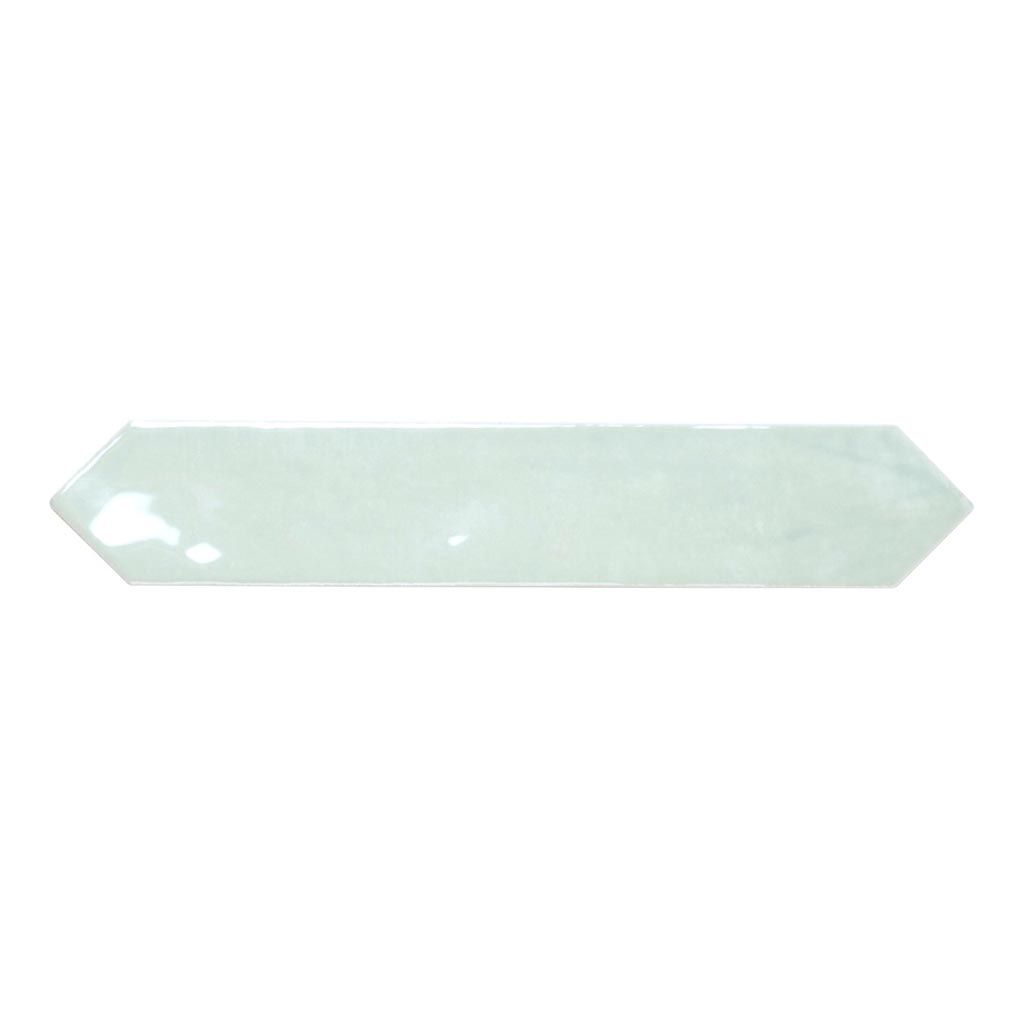
Regular grouts will prove to be better suited to dry and infrequently trafficked surfaces like the living room or bedroom. In the case of using grout in dry areas, using our Pistachio Green 2x10 Glossy Picket Ceramic Tile with regular cement grout will be perfect for creating that eye-catching wall. Remember that it all depends on the surroundings you are working with when choosing between latex grout vs regular grout.
Which is Better for Showers and Bathrooms
When it comes to wet environments, the latex grout vs regular grout debate becomes important. Shower and bathroom tile installations are consistently exposed to water, humidity, and changing temperatures, all of which contribute to the breakdown of ordinary materials. Modified latex grout is usually the superior option for use in such applications since it provides enhanced waterproofing and increased flexibility, ensuring that it doesn’t crack and allows no moisture to penetrate the substrate.
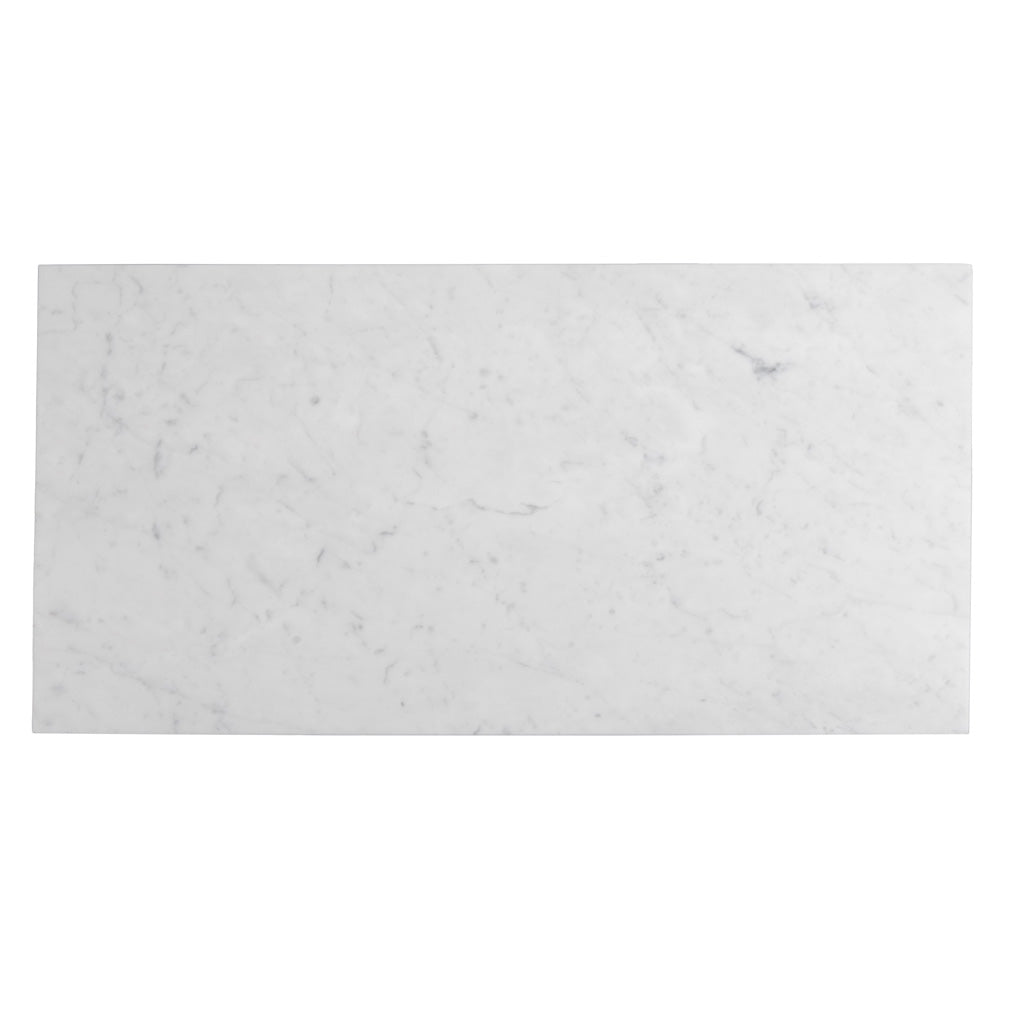

While grout can also be applied in bathrooms, it must have adequate protection to function effectively. Take, for instance, the application of our White 12x24 Polished Field Bianco Carrara Marble Tile, where it is imperative to seal the grout in order to protect both the grout and the marble.
Do You Need to Seal Latex Modified Grout?
One popular issue that arises while evaluating latex grout vs cement grout is the requirement of sealing. Latex modified grout is more resistant to moisture and stains than cement grout, but it is not completely waterproof. In most cases, sealing latex grout is still recommended to provide an extra layer of protection and to help maintain its appearance over time. Sealing can also make cleaning grout easier and extend the lifespan of the grout.
Unlike latex grout, cement grout is highly porous and must be sealed at all times. Otherwise, the presence of water and dirt will cause discoloration and deterioration of the surface. Although the benefits of latex grout are undeniable, sealing both grouts may be considered a wise thing to do to achieve the best result.
Common Mistakes to Avoid When Choosing Grout
When selecting between cement grout vs latex grout, everything depends on the location and intended use of the tiles. Latex grouts have higher durability and water resistance, therefore, they are more suitable for frequent use areas. On the other hand, regular grout is better to use for ordinary locations since it is more convenient in terms of application.
Frequently Asked Questions
1. Which grout is more beginner-friendly: latex modified or regular grout?
2. Which grout is better for long-term durability?
3. Is latex modified grout easier to maintain than regular grout?
4. Which grout is better for wet areas like showers?
5. Does regular grout require more sealing than latex modified grout?
6. Can both grout types be used for floor tiles?
For any floor tile installation, whether in an active residential house or a commercial setting, latex grout is more resilient to damage than ordinary grout.