

How to Remove Paint from Tile Without Damaging the Surface
Aug 12, 2026 9 minute readPaint splatters are an inevitable part of any DIY project, but removing them doesn't have to mean scratching or damaging your tilework. Whether on wall or floor tile, the good news is you can remove fresh, wet stains as they occur and even when they are dry. The key is to choose a method that works best for the type of paint and tile material. That's where our guide comes in. Read on as we explore how to remove paint from tile with the right approach, tools, and techniques so its finish, color, and grout remain intact.
Key Takeaways
- Safely removing paint from ceramic tile or other materials like glass and porcelain starts with choosing a method that suits both the type of paint and the tile installed.
- To prevent degrading the tile finish or weakening grout lines, avoid harsh chemicals, abrasive tools, aggressive scrubbing, and always spot-test products before use.
How Can You Remove Fresh and Dried Paint from Tile

Wiping fresh, wet spills immediately is generally easier because the paint has not fully bonded to the tile surface. This can be done with a soft cloth dampened in warm, soapy water, then wiping carefully so you don't spread paint across the surrounding area.
The tricky part is with thick, dried, stubborn paint stains, which might call for a commercial paint stripper, some elbow grease, and a little more patience to ensure a pro-worthy repair job. In such instances, rubbing alcohol or a tile-safe paint remover comes in handy to soften the stain, making it easier to lift with a plastic scraper.
It's worth noting that commercial paint strippers should be tested on inconspicuous areas of the installation before use to ensure they are suited for the tile. Natural stone options, such as our Emperador Dark, Beige Travertine 12x12 Polished Brick Marble Mosaic Tile and Fossil Gray 10x10 Polished Equator, Thassos Marble Mosaic Tile, can be sensitive to acidic or harsh paint removers, which may etch, discolor, or otherwise damage the surface.
Which Paint Removal Method Works Best for Different Types of Tile
When learning the ins and outs of how to get paint off tile, it's important to identify the right method for your type of installation. Tiles are not created equally, and for this reason, they do not respond to removal products the same way. The best method will depend on the type and finish of the tile, as well as the type of paint you're dealing with. We'll cover each method in the table below:
| Tile Type | Recommended Paint Removal Method | What to Avoid |
|---|---|---|
| Ceramic tile | Use warm water, mild detergent, and a plastic scraper. For dried paint, use rubbing alcohol or a tile-safe paint remover after testing it first. | Metal scrapers, harsh chemicals, abrasive cleaners, and aggressive scraping. |
| Porcelain tile | Use warm water, mild detergent, and a plastic scraper. Stubborn residue can be treated with a compatible solvent after a spot test. | Metal scrapers, harsh chemicals, abrasive cleaners, and aggressive scraping. |
| Glass tile | Soften paint with warm water, then gently lift it with a plastic scraper or soft cloth. | Abrasive scrubbers and tools that can scratch delicate glass finish. |
| Natural stone tile (marble, travertine, limestone) | Use a stone-safe cleaner and gentle mechanical removal. Always check product compatibility before using a solvent. | Acidic cleaners, harsh chemicals, abrasive tools, and aggressive scraping. |
| Mosaic tile | Work carefully with a soft cloth, small plastic scraper, or soft-bristled brush to avoid damaging individual tile chips and grout lines. | Excessive pressure and harsh acidic or chemical cleaners that may affect grout. |
Which Household Products and Paint Removers Can Safely Remove Paint from Tile

In a best-case scenario, you'll be able to remove paint from tile yourself with just household products or paint removers. Of course, the right product will depend on the type of tile and paint and how long it's been on the surface. Below, we break it down so you can take the best step forward:
Mild Soap
Here, a solution of warm water and mild detergent can be used for small, fresh splatters. Soak a soft cloth in the solution, wring it so it's damp, then carefully wipe the area. If a little elbow grease is required, use a medium-bristle brush and scrub gently.
White Vinegar
Does vinegar remove paint from tiles? The answer is yes and no. Yes for glass, ceramic, and porcelain floor tile, and no for natural stone made from marble, travertine, and limestone. Vinegar is a natural cleaner for removing buildup and grime from most surfaces and works just as well to remove small drips and spots of paint from tile. However, its acidity, though mild, can eat away at the protective sealer and etch natural stone.
To use, fill a bowl with white vinegar, soak a clean cloth in it, then place the same cloth over the affected area for 2-3 hours to soften the paint. Next, use a plastic scraper to scrape off the paint stains.
Baking Soda
Another natural and effective way to lift paint from tile is with a baking soda and water paste. Apply the paste to the stained spot and let it sit for 10 minutes, then gently scrape away the paint with a putty knife or plastic scraper.
Commercial Paint Removers
For thick, dried, stubborn layers of paint, stronger removers like rubbing alcohol are necessary to get the job done. It's important to look for a formula safe for tiles to avoid damaging the finish. Most importantly, test the product in a less noticeable area, wear gloves and eye protection, and open windows for good ventilation.
What Mistakes Should You Avoid When Removing Paint from Tile
When learning how to remove paint from tile, even a straightforward job can go sideways when essential precautions are overlooked. These include using excessive force, abrasive tools, or harsh chemicals, which can potentially scratch, dull, or etch the surface.
How Much Does It Cost to Remove Paint from Tile

In the process of learning how to get paint off tile, also consider the costs involved. Prices for removal will depend on whether it's a small job that can be done with basic household supplies or stripping paint from tile across an entire room.
How Can You Restore and Protect Your Tile After Removing Paint

Once you've completed the steps for safely removing paint from ceramic tile, or any other tile material, clean the area with a soft sponge dampened in a solution of warm water and mild cleaner.
If you're dealing with marble floor tile, use a stone-safe cleaner made specifically for natural stone to prevent dulling or etching the surface. Rinse with clean water and dry your tilework with a soft microfiber cloth.
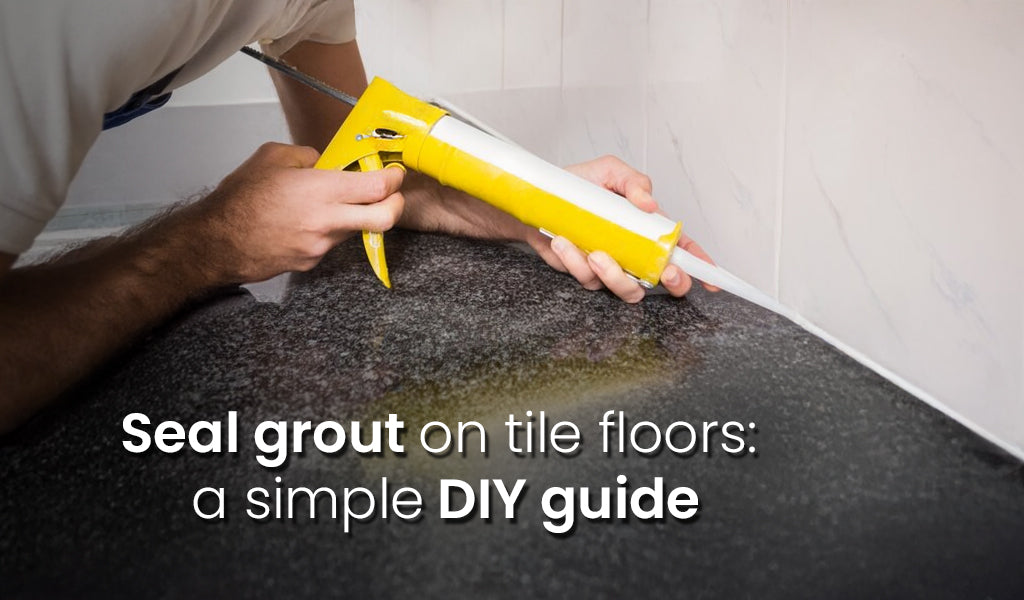
Next, inspect the tiles and grout for any paint residue. If grout lines have been stripped of their old sealant, then apply a new coat to ensure a protective barrier against future spills and stains. Our blog, How to Seal Grout on Tile Floor, covers easy-to-follow steps to get the job done.
Conclusion
Learning how to remove paint from tile comes down to choosing a compatible approach for your tilework and using the right products and tools. Whether you're dealing with glazed ceramic tile or paint trapped in grout lines, a little patience and the correct technique are key to restoring your tile's original appearance without harming its finish and grout. Once the paint is gone, inspecting the area carefully and resealing grout if needed helps keep your installation looking beautiful and protected.