

How Do You Clean Travertine Tiles Without Damaging Them?
Aug 17, 2026 9 minute readTravertine tile is a popular choice for interior and exterior spaces, sought after for its enduring elegance and natural beauty. When newly installed, this natural stone looks beautifully fresh, but without proper maintenance, it can quickly become dirty and stained due to its porous nature. Appropriate cleaning is essential to preserve the appearance, quality, and longevity of walls and floors. If you've been wondering how to clean travertine tiles, this guide will come in handy. Read on as we explore effective upkeep methods that ensure your tilework remains a stunning feature in your home for years.
Key Takeaways
- Porous natural stones like travertine should be cleaned with care and stone-safe products to prevent surface etching, dulling, and permanent damage.
- To restore etched or extensively worn travertine tile to its initial beauty, professional honing and polishing are necessary.
What Makes Travertine Tiles Different From Other Types of Tile
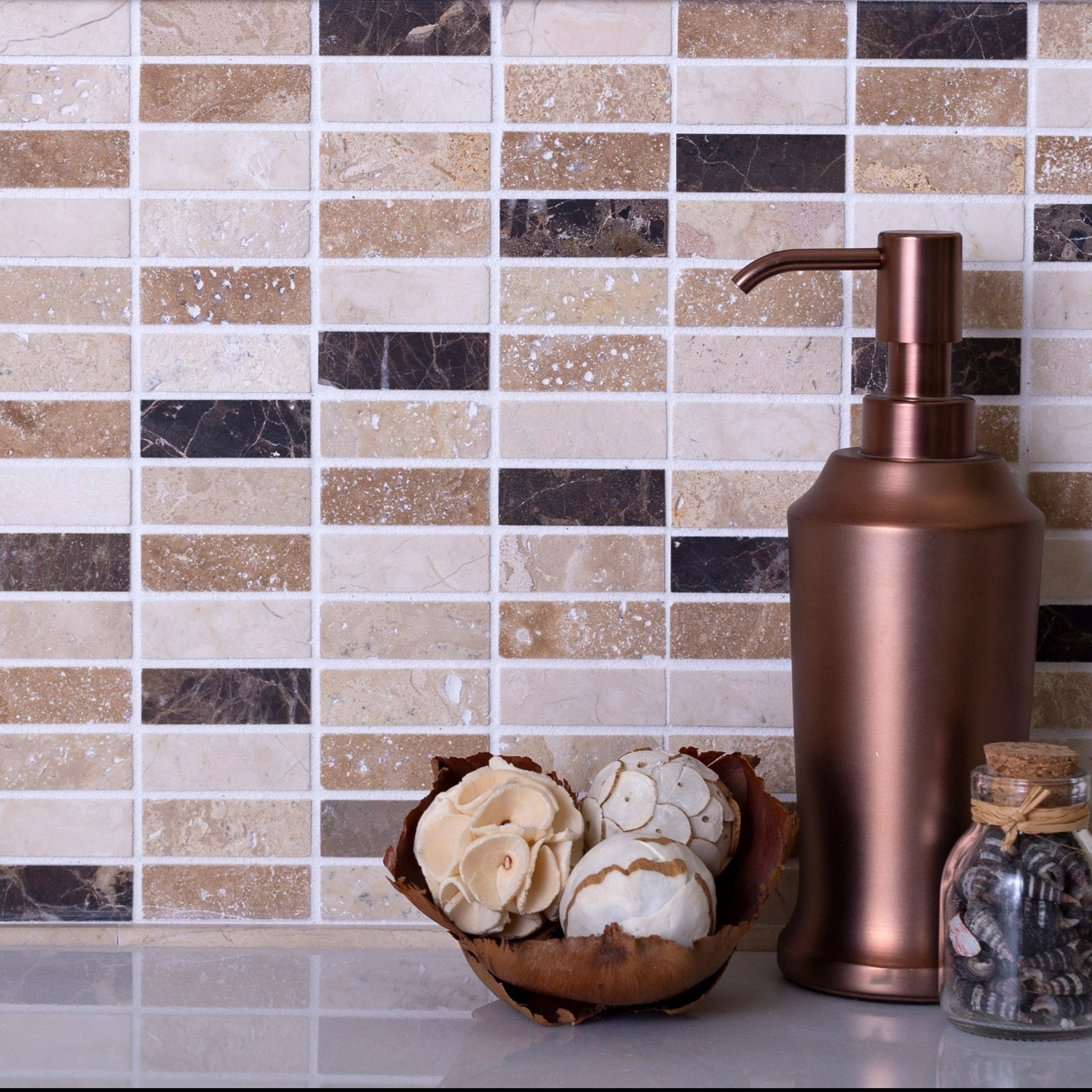
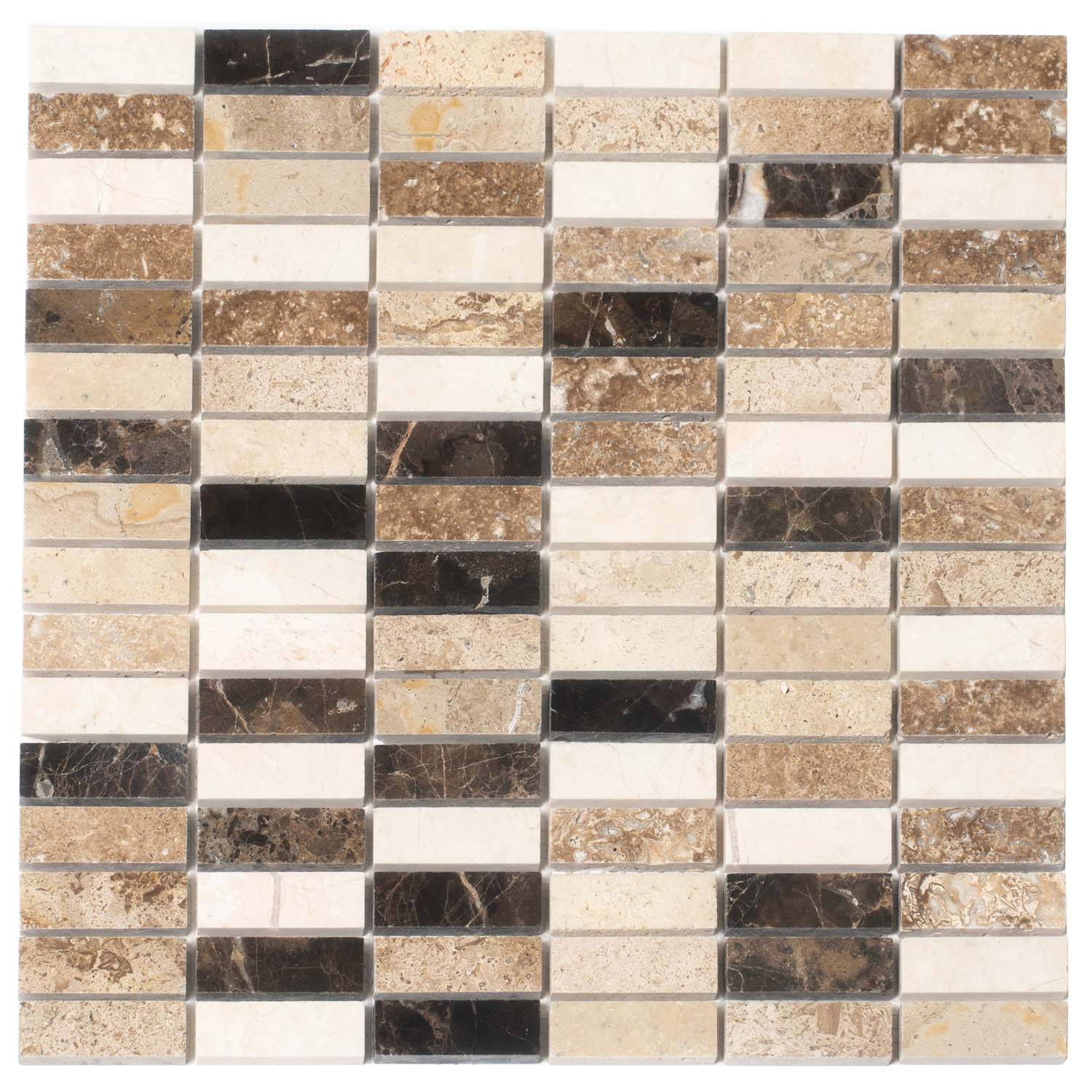
One of the outstanding characteristics of travertine floor tile is its natural makeup. This stone, formed from mineral deposits around hot springs, possesses a rich texture and earthy tones with appeal like no other. From soft beige to sandy brown, travertine mosaics and large formats are adaptable to a wide range of décor themes, including rustic and industrial, urban and Japandi, contemporary and traditional.
Even better, it offers a plethora of applications, with design options such as Emperador Dark, Beige Travertine 12x12 Polished Brick Marble Mosaic Tile, rated for kitchen backsplashes, fireplace surrounds, shower floors, patios, gardens, pools, and more. But like other natural stones, travertine tile is porous and prone to absorbing liquids and etching if not cared for or cleaned the right way. To extend the lifespan of your tilework, stick to cleaning products formulated for natural stone and avoid anything harsh that can diminish the flair of this characterful material.
How Do You Clean Travertine Tiles for Everyday Maintenance

How to clean travertine floors and wall surfaces every day to keep installation in tip-top shape:
How Can You Remove Stains From Travertine Tiles
Knowing the ins and outs of travertine tile cleaning and sealing is crucial to maintaining immaculate floors and walls. To remove stains, follow these detailed steps:
Oil or Grease Stains
Stains of oil and grease on kitchen wall tile and flooring may be hard work to remove, especially if they've been sitting for too long and have settled into grout lines. For a fresh spill or splatter, blot the stain with a clean, absorbent cloth, then use a pH-neutral, stone-safe degreasing cleaner. If it's slightly tough messes, opting for a poultice formulated for oil and grease can help lift the stains.
Hard Water or Mineral Deposits
While vinegar or baking powder are common household products for cleaning other tile types, such as porcelain and ceramic bathroom floor tile, they won't cut it for travertine floors. To remove stubborn white, cloudy, or chalky marks common on travertine shower tiles, use a specialized stone-safe product. If the deposits have caused etching, professional honing or polishing may be required to return your tilework to its former glory.
Mold or Organic Stains
Mold and mildew are a concern in wet areas, especially for a porous stone like travertine. Start by cleaning the affected area with a product specifically labeled as safe for natural stone and dedicated to mold stains. Once applied, let it sit for the recommended time, then go in with a soft-bristled brush and scrub gently. To complete, rinse thoroughly and dry with a microfiber cloth to reduce lingering moisture.
Which Cleaning Products Are Safe for Travertine Tiles

Learning how to clean travertine floors requires understanding which cleaners are appropriate. To preserve its splendor, reach for products that prevent etching, discoloration, and damage to the stone or its protective sealer.
Non-abrasive, pH-neutral cleaners formulated for natural stone are safe for use on acid-sensitive flooring like travertine. These are typically applied diluted with clean water and are suitable for removing built-up grime, dirt, and oil marks on bathroom, kitchen, and exterior tile without attacking the surface. Alternatively, a few drops of gentle, phosphate-free dish soap in warm water work just as well for routine cleaning.
If you're cleaning tile joints, make sure to pick grout cleaner explicitly marked as safe for natural stone. Remember, the market holds so many products with undisclosed ingredients that can be detrimental to travertine tiles, so always test any new cleaning solution on an inconspicuous area before applying it to the entire surface.
What Cleaning Products Should You Never Use on Travertine
Before reaching for a cleaner, pause for a moment. Just because it works for porcelain floor tile does not mean it will work on travertine flooring. Using vinegar, citrus cleaners, or acidic products triggers reactions with the calcium carbonate in travertine and eats away at the stone. Even natural or eco-friendly commercial cleaners that are safe for other types of tile often contain plant-based acids, which are just as harmful.
This acidic reaction creates etching that appears permanent. When you understand how to clean travertine tiles the right way using stone-safe products, you begin to see why ordinary chemical cleaners can cause lasting damage the moment they touch your installation.
How Do You Clean Travertine Tile Grout Without Causing Damage

In travertine tile installation, grout is more than a background detail. It impacts the overall structural integrity, and when stained and discolored, it can quickly detract from the beauty of your walls or floors. How to clean travertine tile grout? The first thing to do is avoid using acidic or harsh chemical cleaners, as they can weaken and cause those thin lines to crumble over time.
The best practice for removing stains and buildup from grout lines is to use a cleaning agent suitable for the surrounding stone. Apply the product to grout and let it sit for 5-10 minutes to loosen surface grime. Next, gently scrub with a soft nylon brush, rinse with clean water, and dry the area with a microfiber cloth. If it's time to reseal grout, read our guide for easy-to-follow steps: How to Seal Grout on Tile Floor.
Conclusion
With proper care, your tilework can last the lifetime of your property. The most important factor for how to clean travertine tiles is using the right product that won't harm your tiled walls and floors. Remember, natural stone can etch and discolor if neglected, so regular upkeep is crucial for indoor or outdoor installation to perform to its full potential. By following the advice and steps outlined above, you can be sure surfaces remain in top condition for years.
Frequently Asked Questions
1. Can you use vinegar to clean travertine tiles?
2. Is baking soda safe for travertine tiles?
3. How do you remove tough stains from travertine tiles?
4. How often should you clean travertine tile floors?
How often you clean travertine flooring will depend on how much activity the area sees. For high-traffic tile, sweep or vacuum several times a week to remove grit that can scratch the surface. Damp-mop as needed, usually weekly or whenever the floor becomes dirty, to prevent buildup. For walls and backsplashes, wipe splashes and stains immediately to maintain a pristine appearance.