

Can You Tile Over Drywall? A Guide to Safe Tile Installation
Oct 09, 2026 9 minute readSometimes, an existing surface is perfectly suitable to be tiled into a masterpiece, provided you understand its limitations. Drywall, for example, is widely used in homes. But for homeowners and DIY enthusiasts considering a wall tile upgrade, the question that’s often on everyone’s mind is: can you tile over drywall?
Drywall isn’t off-limits; in fact, in many cases, it can provide a solid foundation for beautiful tilework. Your project’s success depends on the condition of the surface and factors such as moisture exposure, tile weight, and the installation area. In this guide, we’ll explore when tile over drywall is safe, where it works, and best practices for professional-quality results.
Key Takeaways
- Structurally sound, clean, and well-prepped standard drywall is a suitable foundation for many tile installations, including backsplashes and accent walls.
- To install tile on drywall in wet areas such as the shower, greenboard or blueboard are suitable options, but a waterproofing underlayment ensures long-lasting results.
Is Drywall Strong Enough to Support Wall Tiles

The short answer is yes; drywall is strong enough to hold ceramic wall tile and other options such as porcelain, stone, and glass. Laying tile on drywall, though, requires a surface that’s in good condition and free of cracks, even, and securely attached to the studs. Weak or deteriorating drywall can affect how firmly tiles hold on, compromising the finished installation.
Which Drywall Surfaces Are Suitable for Tile Installation
Even in the best of scenarios, installing large or small tiles on an unsuitable base isn’t good practice, as it will eventually wear down. So, which type of drywall is ideal? Two options to consider: standard drywall and moisture-resistant drywall.
Standard Gypsum Drywall
Standard drywall, also known as gypsum board, is commonly used in dry areas, including living rooms, hallways, and bedrooms. It provides a reliable base for lightweight materials, such as ceramic and porcelain tile. In contrast, tile on drywall in showers or areas exposed to frequent water isn’t advised. When water seeps to the surface beneath and softens the gypsum core, it can cause moisture-related issues and installation failure.
Moisture-Resistant Drywall
Can you tile over drywall in a shower, bathroom surrounds, or other areas exposed to water? Moisture-resistant drywall, available in greenboard and blueboard, is an acceptable backing for bathroom and shower wall tiles.
Neither type is waterproof, but they are treated with special facings or chemicals to slow down mold and mild humidity. For this reason, they should not be relied upon as the sole protection behind tile in wet areas. Consider an approved waterproof underlayment in showers and other areas saturated with water.
Size Guide for Tiles That Could Be Installed Over a Drywall
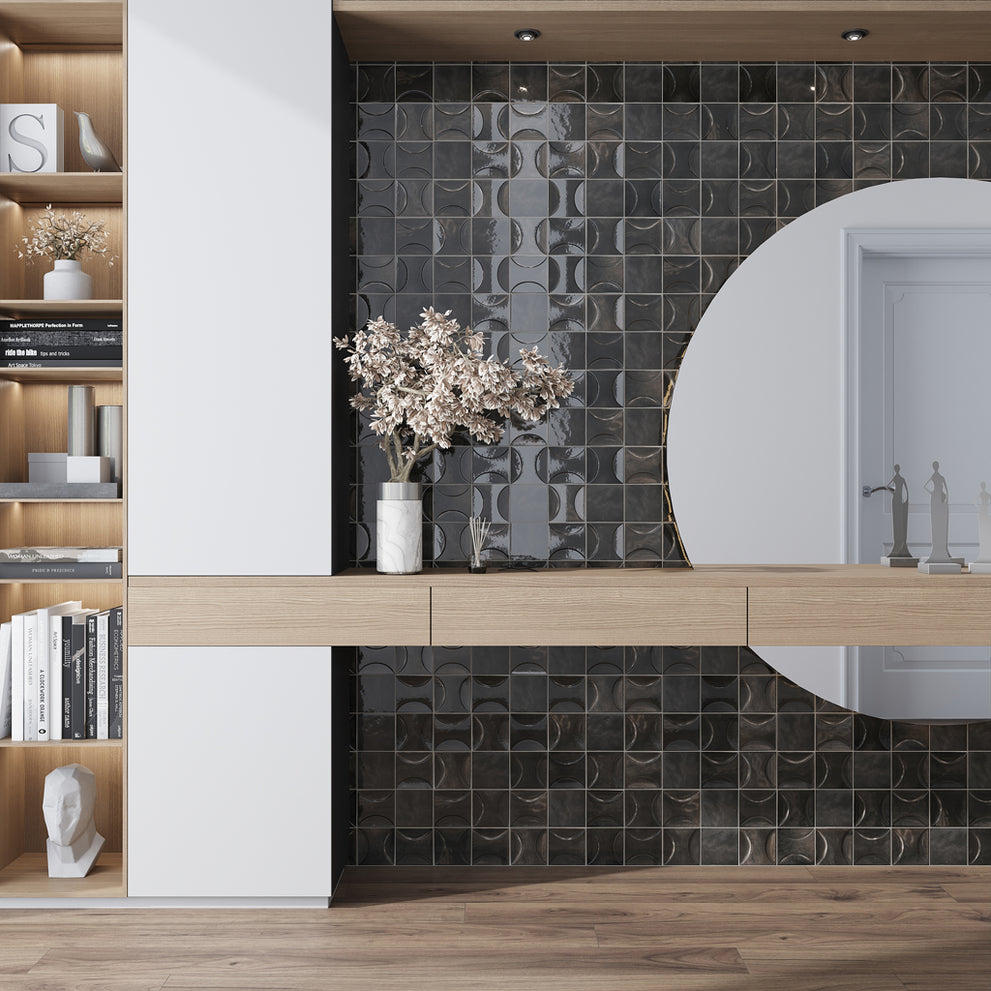
Tile size plays an important role in whether can you tile over drywall. Lightweight options in either small or large formats generally put less stress on the surface, resulting in a successful installation.
-
Small Tiles (up to 4x4 inches)
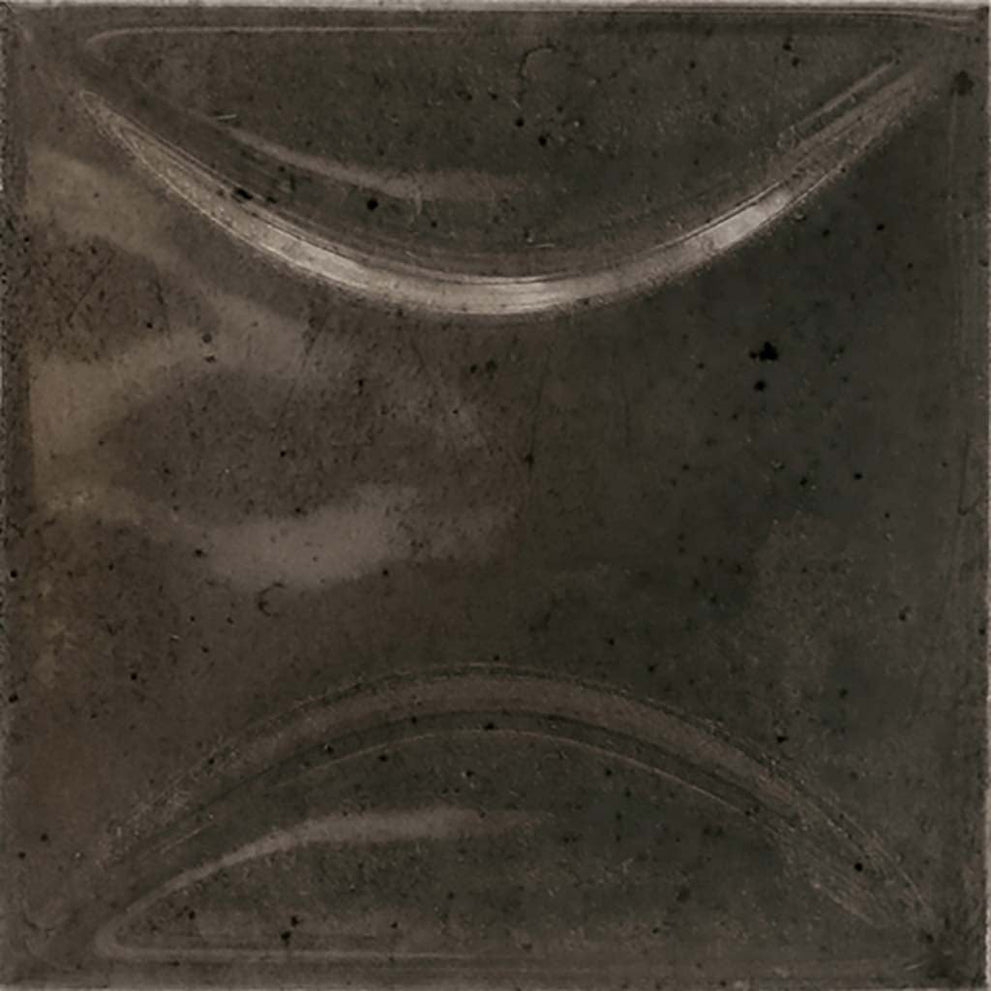
Mosaics and small formats measuring up to 4x4 inches, such as Black 4x4 Glossy Ceramic Square Deco Tile, are easier to handle and position on standard gypsum drywall.
-
Medium Tiles (4x4 to 12x12 inches)
Glass subway tile measuring 4x16 and 8x16 inches, along with lightweight ceramic and porcelain up to 12x12 inches, are commonly used for kitchen drywall backsplashes or living room walls.
-
Large-format Tiles (12x24 inches and larger)
Larger tile over drywall requires more attention, not only because of size but also weight. Before laying tile, check the manufacturer's recommendations and confirm drywall meets the requirements for the intended installation.
How to Install Wall Tiles on Drywall
Now that we have established the basics, you may be wondering how to lay tile on drywall. Assuming you have inspected the surface and found it sound and in good condition, this is a manageable DIY project with a neat, durable, and long-lasting finish.

- Prepare the Drywall: High-quality tiles and adhesive may fail if the surface is dusty, greasy, or dirty. Clean the drywall and ensure it is dry and free of peeling paint or wallpaper. Apply a primer that’s compatible with the surface and the tiles.
- Plan the Tile Layout: Take time to map out your layout to determine how the finish will look. Find a starting point and try to place as many whole tiles as possible to avoid thin slivers at the edges.
- Apply the Adhesive: Once you’ve figured out the layout and cuts, apply the adhesive approved for the drywall and tile material. To do this, use an appropriate notched trowel and spread a manageable amount. Back buttering large tiles is recommended for secure coverage.
- Lay Tile on Drywall: Next, place the first tile on drywall along the layout guidelines. Press it firmly into the adhesive to the correct level. Lay other pieces and use spacers to maintain uniform grout lines. Use a spirit level to check that rows remain straight.
- Allow Adhesive to Dry: Now that you have wall or backsplash tile laid, allow the adhesive to dry. Curing and drying times vary, so always check the product instructions for the correct information.
- Grout Tile Installation: Once the adhesive has cured significantly, it's time to grout. Begin by removing spacers, then prepare grout according to product instructions. Use a grout float to spread the mixture diagonally across the tiles, ensuring it fills the joints properly.
- Remove Excess Grout: When grout begins to firm up, say in 15-30 minutes, use a damp sponge to remove excess from the tile surface. Avoid using too much water, as this can weaken grout joints. Let the grout cure as directed, then finish off installation with grout sealing if required.


Where Can You Install Tiles Inside Your Home
Can you tile over drywall? The answer is yes. But where in the home? Ceramic, porcelain, and stone wall tiles are versatile, but when installing on drywall, it’s important to establish which rooms are suitable. A sound, even, and properly prepared drywall can support tile in several areas, including dry living areas such as entryways, hallways, living rooms, dining rooms, and bedrooms.
The backsplash, particularly behind cooking areas and sinks, is susceptible to splashes, grease, and moisture. So, can you tile over drywall in the kitchen? It may get occasional splashes but not direct water, making it a suitable place for installation. The same applies to bathroom walls around vanities or areas that see occasional splashes.
Can you tile over drywall in a shower? Moisture-resistant drywall may be acceptable for showers, but it isn’t waterproof and poses a risk of moisture-related issues. For peace of mind, use an approved waterproof substrate as a backing.
What Problems Can Occur When Tiling Directly Over Drywall
Directly installing tile on drywall is a practical and affordable option. But what happens when things fall apart? If the surface isn’t structurally sound, has patches of moisture damage, or can’t hold tile weight, it may wear down and cause the following problems:
-
Tiles that lift and fall off due to a poorly prepared surface or material size and weight.
-
Weakening grout, tile separation, and failing installation due to moisture damage or leaking plumbing.
-
Cracked grout and tiles because of moving and flexing drywall that lacks firm, adequate support.
-
Mold and mildew growth from trapped moisture behind tiles or within weakened drywall.
What Substrate Should You Use for Shower Tile Installation
Planning an installation and wondering: can you tile over drywall in a shower? If this area of the bathroom currently has drywall, you can install a waterproof substrate or membrane over it before laying tile. Why is this important? Showers are exposed to direct water, and while greenboard or blueboard drywall is water-resistant, it cannot provide the waterproof protection needed.
Common substrates to consider for shower tiles like Gray 4x12 Polished Subway Bardiglio Nuvolato Marble Tile or Metal Black 8x9 Matte Hexagon Porcelain Tile include cement backer board, foam backer board, an uncoupling membrane, or a waterproofing membrane.
Conclusion
Can you tile over drywall? Yes, but with conditions. The installation surface should be structurally sound, even, and clean. For wet areas like showers, an approved waterproofing backer can help prevent damage and extend the lifespan of your tilework. Before rushing to apply adhesive and lay tiles, assess the drywall condition and confirm the tile size and weight are suitable for the intended job. With the right approach, you can avoid common problems and achieve a beautiful, durable finish with long-lasting value.