

Scratch Resistant Flooring: Best Durable Flooring Options for Homes & High Traffic Areas
Jul 13, 2026 8 minute readWith so many floor tile options, it’s difficult to know which one is the most durable and scratch-resistant. Of course, good-looking floors set the stage for the room’s aesthetic, but many of our customers are equally concerned about how their new flooring will stand up to the demands of everyday life, especially in busy households. So what makes an excellent scratch resistant flooring? This guide will help you understand the different options available and why they may be a good fit for your home.
Key Takeaways
- Scratch-resistant flooring, especially porcelain tile, is highly effective at resisting everyday wear, scratches, and surface damage in busy homes and high-traffic areas.
- When paired with suitable finishes like matte or textured, floor tile maintains its appearance and performance for years.
How Scratch Resistance in Flooring Is Measured
If you’ve got an unusually lively home with kids, pets, or bustling footsteps from room to room, you’d know how resilient and scratch proof flooring is an absolute necessity. Tiles come in many forms, including ceramic, porcelain, and marble. But how exactly are these options measured for abrasion resistance?
Be it living room, kitchen, or bathroom floor tile, when it comes to revamping your space, this knowledge makes all the difference. One of the most commonly used standards to measure material abrasion is the PEI (Porcelain Enamel Institute) rating. This system evaluates the wear resistance of glazed ceramic and porcelain tile. The higher the PEI rating, the greater the tile's resistance to scratching and wear. Ratings include:
- PEI Class 1: suitable for walls only
- PEI Class 2: light residential use
- PEI Class 3: moderate residential traffic
- PEI Class 4: heavy residential and light commercial traffic
- PEI Class 5: heavy commercial and industrial traffic
Another widely used system to measure scratch resistance is the Mohs hardness scale, which ranks materials from 1 (softest) to 10 (hardest). The higher the rating, the more resistant the material is to abrasion from everyday impact, such as furniture or footfall. So, what is the best waterproof scratch resistant flooring according to the Mohs hardness scale?
- Porcelain Tile: 7–8
- Ceramic Tile: around 5–6
- Glass Tile: around 5.5–6.5
- Marble Tile: around 3–5
Best Scratch Resistant Flooring for Different Needs
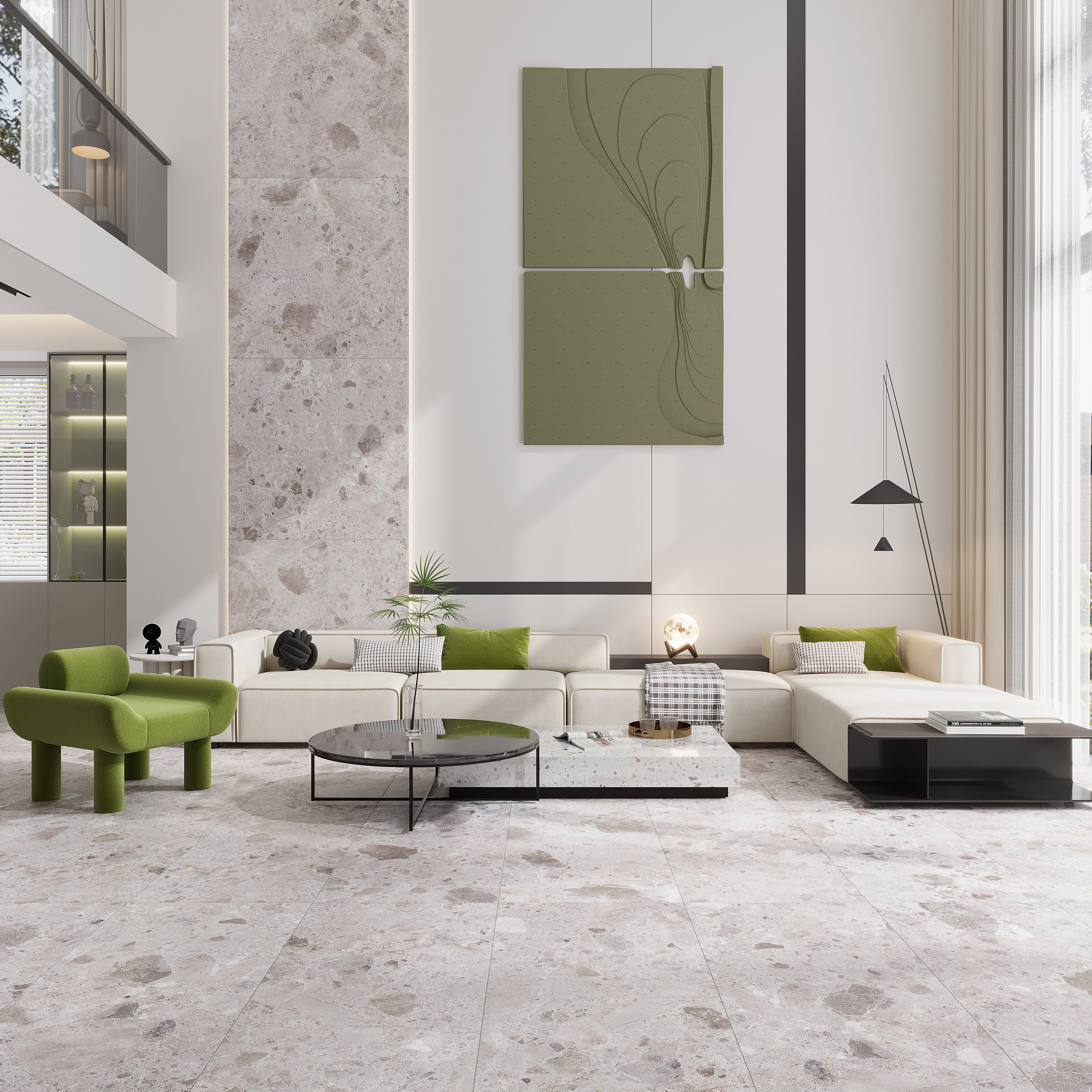
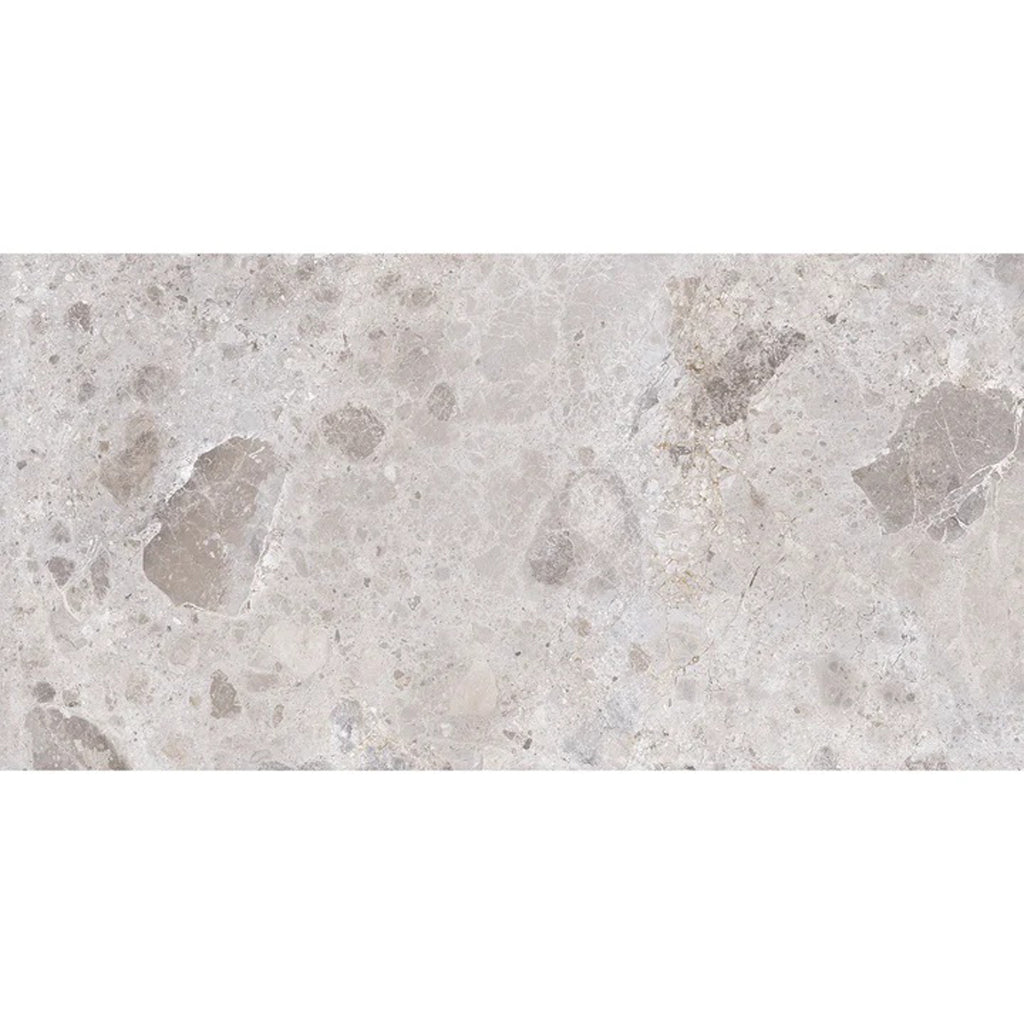
Different households place different demands on floors. Fortunately, the best scratch resistant flooring offers solutions for virtually every lifestyle.
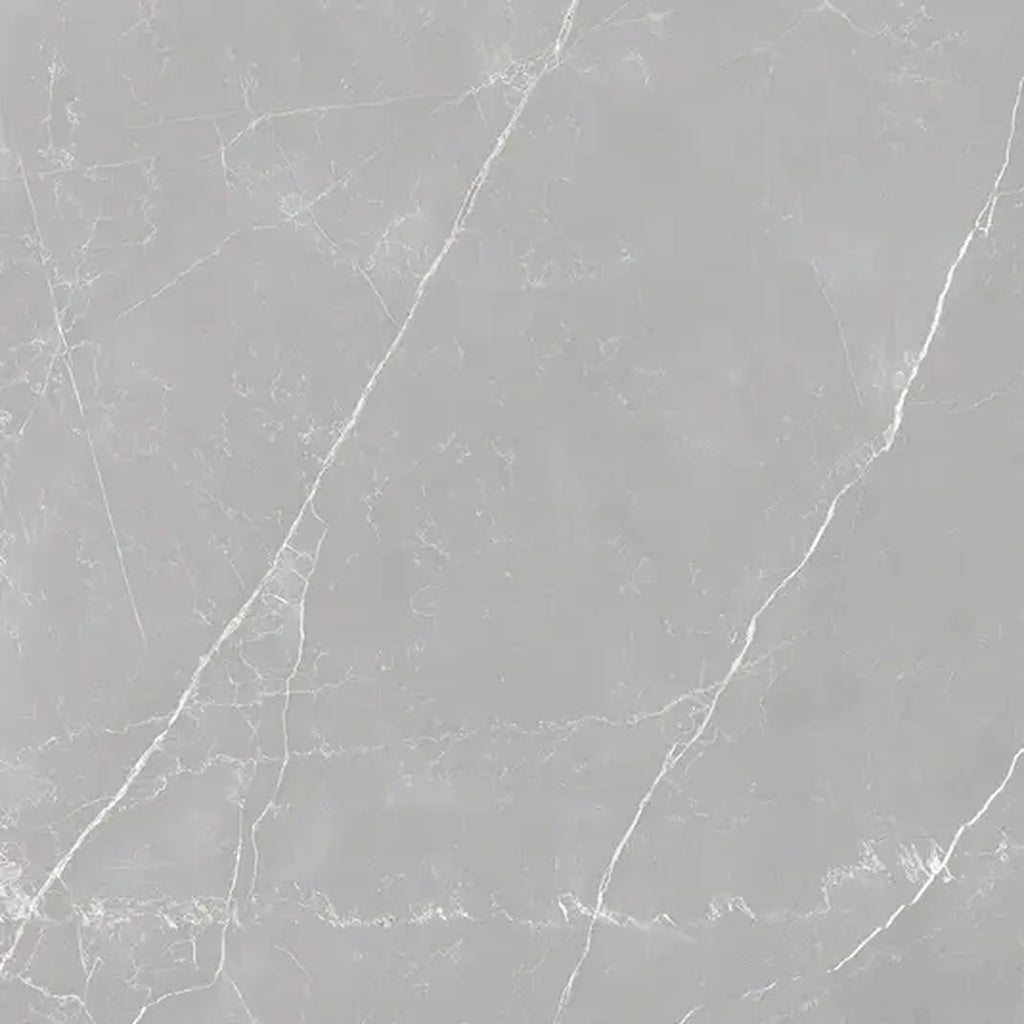
- For Families with Children: Kids often run, drag toys, drop objects, and engage in heavy daily activity throughout the home. Porcelain floor tile is an excellent option due to its resistance to scratches, dents, and wear. Large formats, such as Petra Gray 24x48 Matte Marble-look Vein Porcelain Large Tile, are particularly beneficial because they reduce grout lines while creating a clean, modern appearance. Their durability ensures they maintain their splendor despite constant use.
- For Homes with Pets: If you’re a pet owner, you probably worry about scratches caused by claws. Dogs, especially, can cause visible wear on softer flooring surfaces. Porcelain floor tile is regarded as one of the best scratch proof flooring choices for pet-friendly homes, as its exceptionally hard surface can handle pet claws. Ceramic floor tile also performs well, though porcelain generally offers superior durability. Opting for a matte or textured finish helps pets maintain better traction while moving through the home.
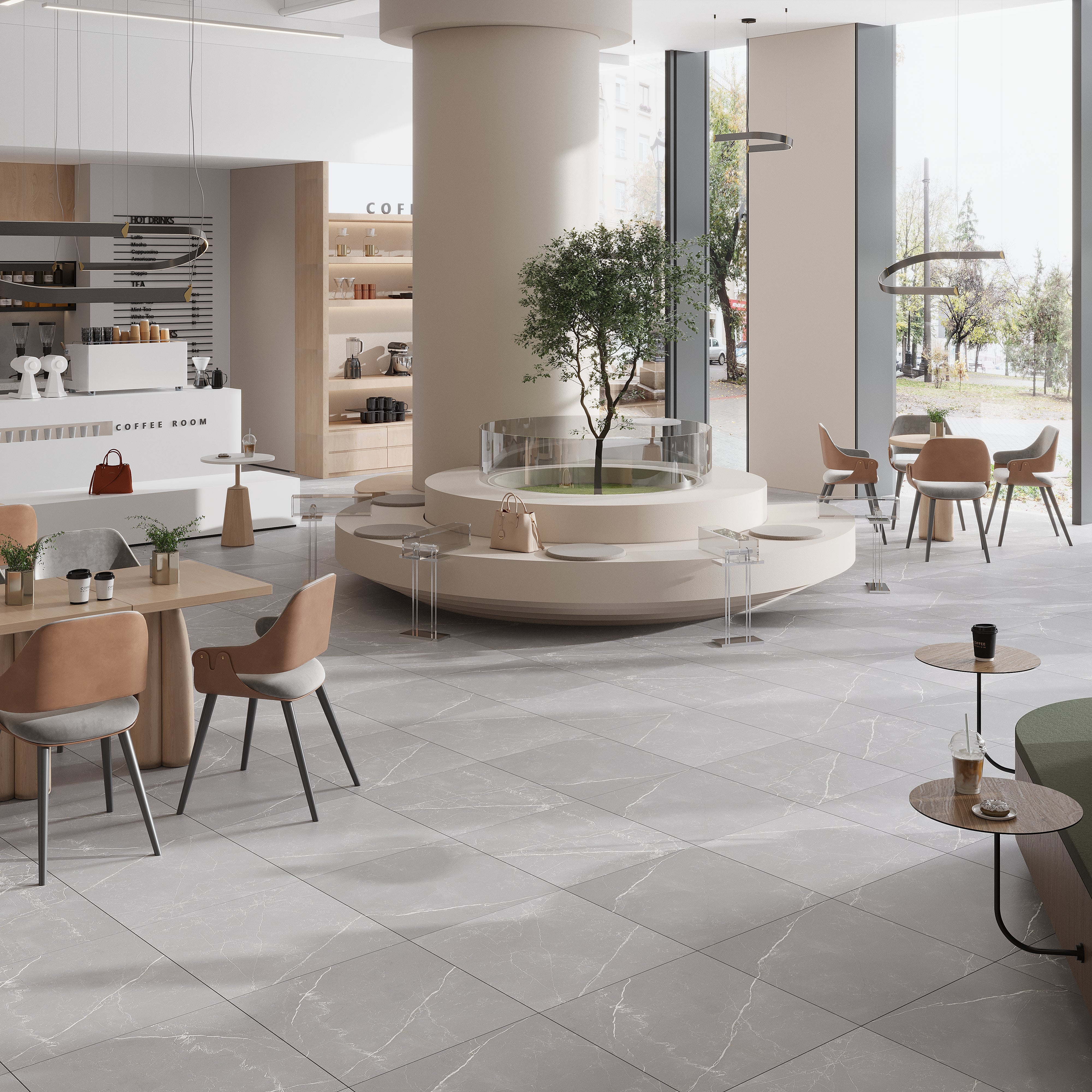
- For High-Traffic Areas: Entryways, hallways, kitchens, living rooms, and commercial spaces experience the greatest amount of foot traffic. For these areas, PEI 4 or PEI 5 porcelain tiles are highly recommended. An excellent example is our Beige 48x48 Matte Porcelain Large Tile, engineered to withstand high footfall without deteriorating in quality.
- For Luxurious Interiors: Marble flooring, such as Thassos, Carrara, and Calacatta tile, remains a coveted choice for opulent interiors due to its timeless, one-of-a-kind appeal. Proper sealing and maintenance can help preserve the appearance of this natural stone. In lower-traffic areas such as formal living rooms, marble is a stunning scratch resistant flooring option.
Does Scratch-Resistant Flooring Require Special Maintenance?
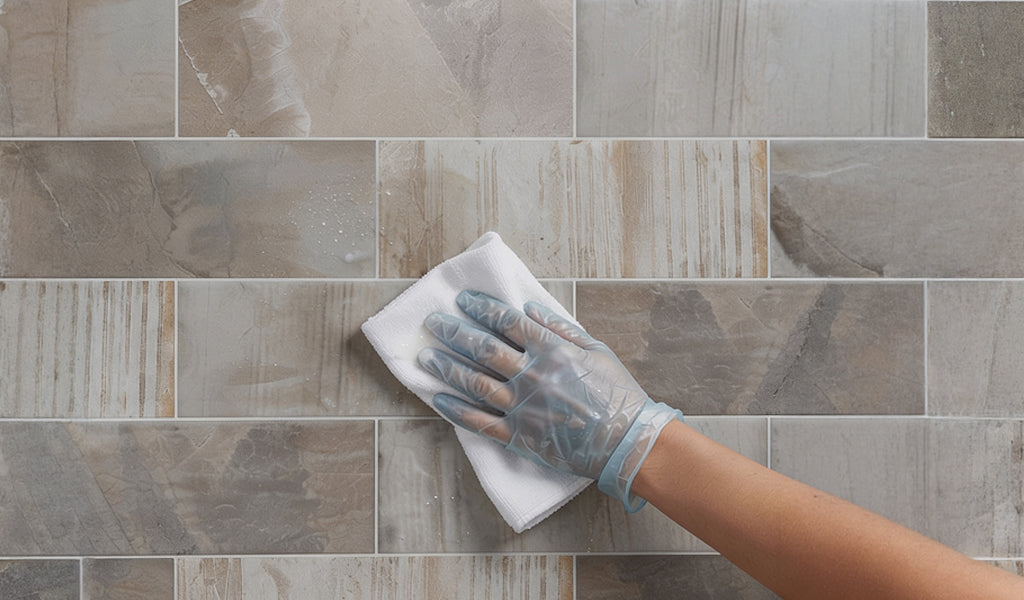
One of the biggest perks of scratch proof flooring is its straightforward maintenance. Dust, sand, and grit can act like abrasives. Regular sweeping helps prevent surface wear and protects grout lines. Using pH-neutral cleaners is recommended and helps maintain a pristine look without damaging the finish.
Although porcelain and glazed ceramic tile are highly stain-resistant, cleaning spills promptly helps preserve grout and maintain cleanliness. Marble, on the other hand, requires additional care, including sealing at installation and every 6-12 months, and using stone-safe cleaning products.
Pros and Cons of Scratch Resistant Flooring
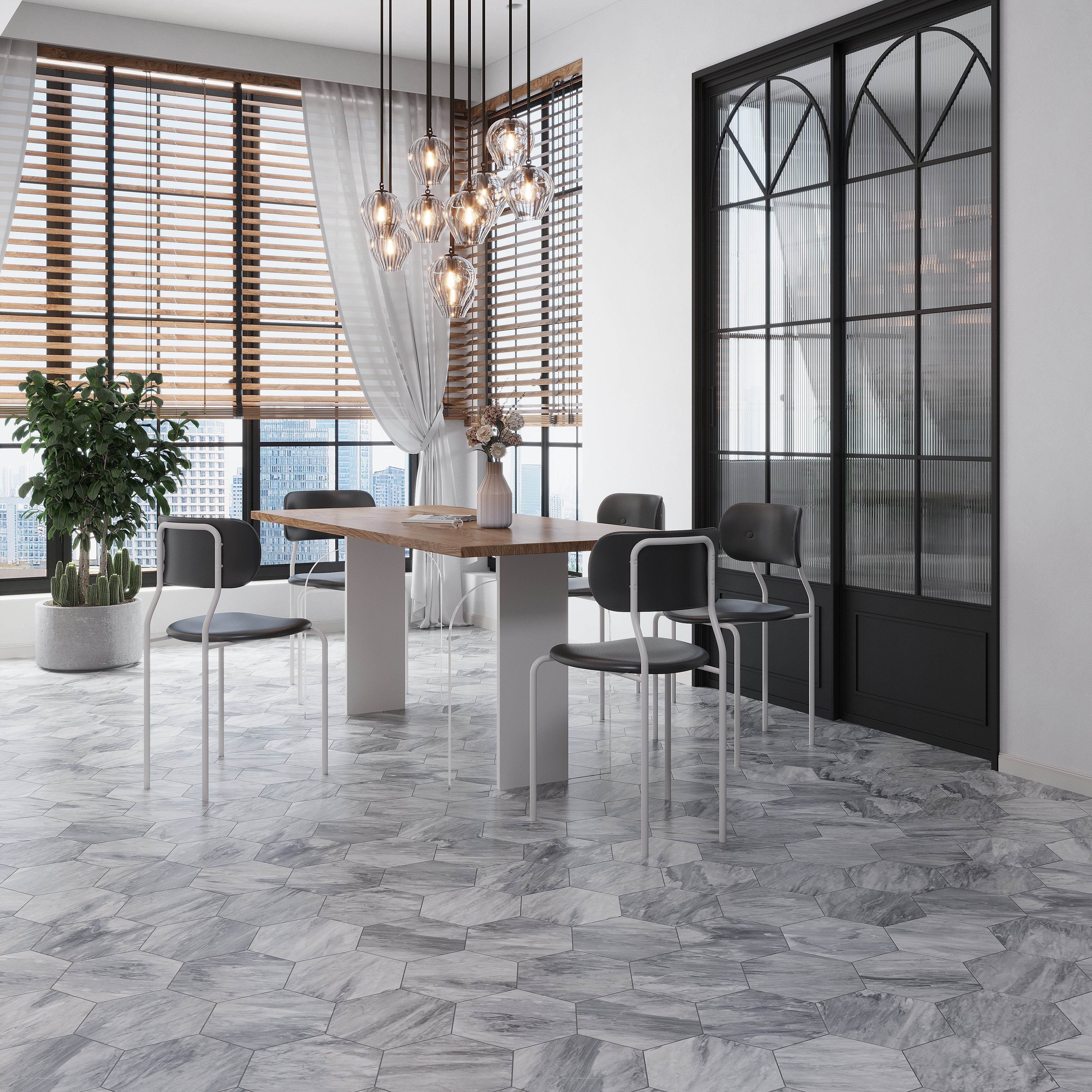
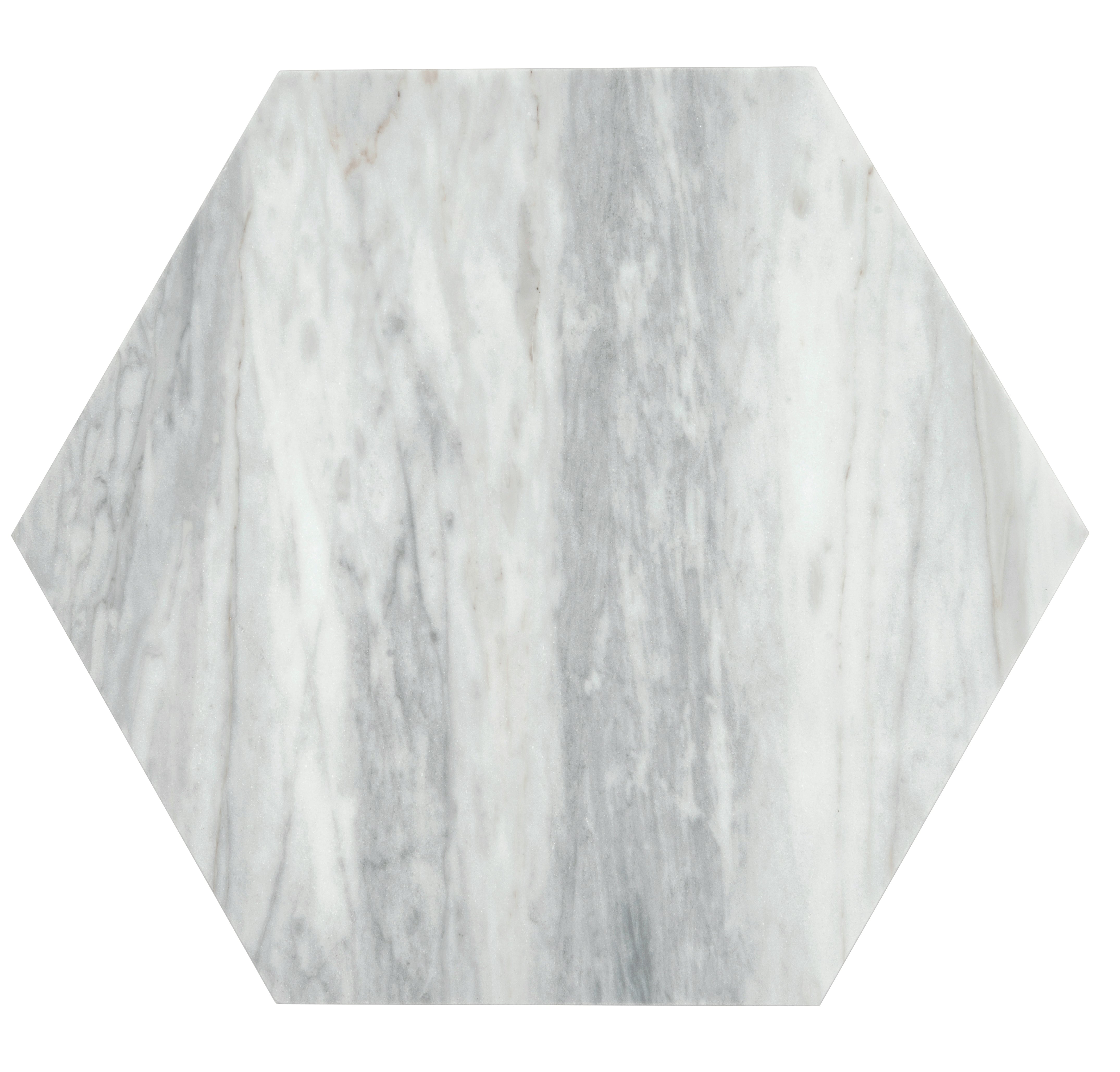
Before choosing scratch proof flooring for your space, it's essential to understand both its advantages and limitations. While materials such as porcelain, ceramic, glass, and marble tiles offer excellent protection against wear, each option has its own unique characteristics.
Pros of scratch resistant flooring include:
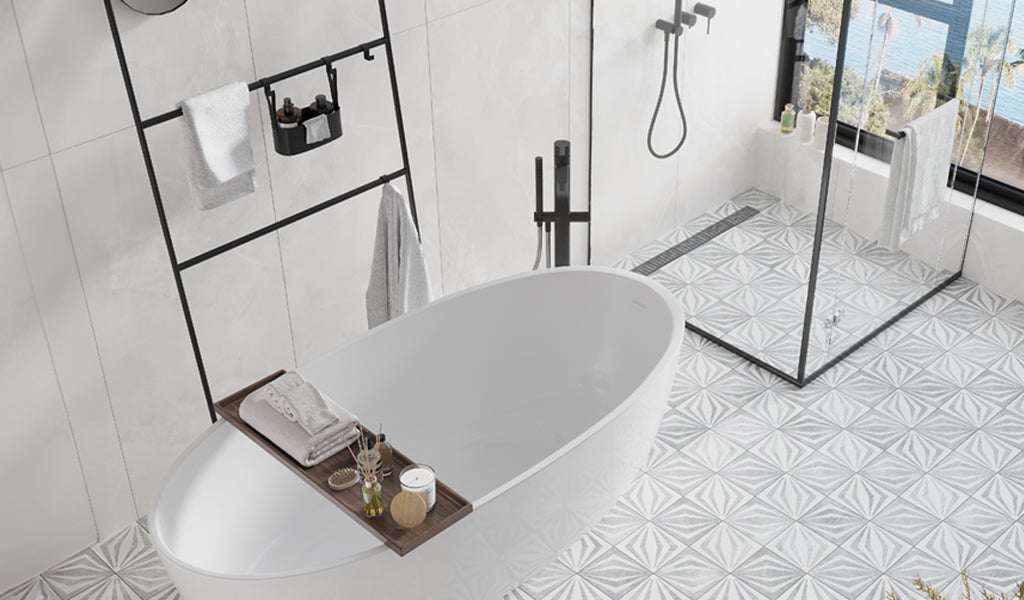
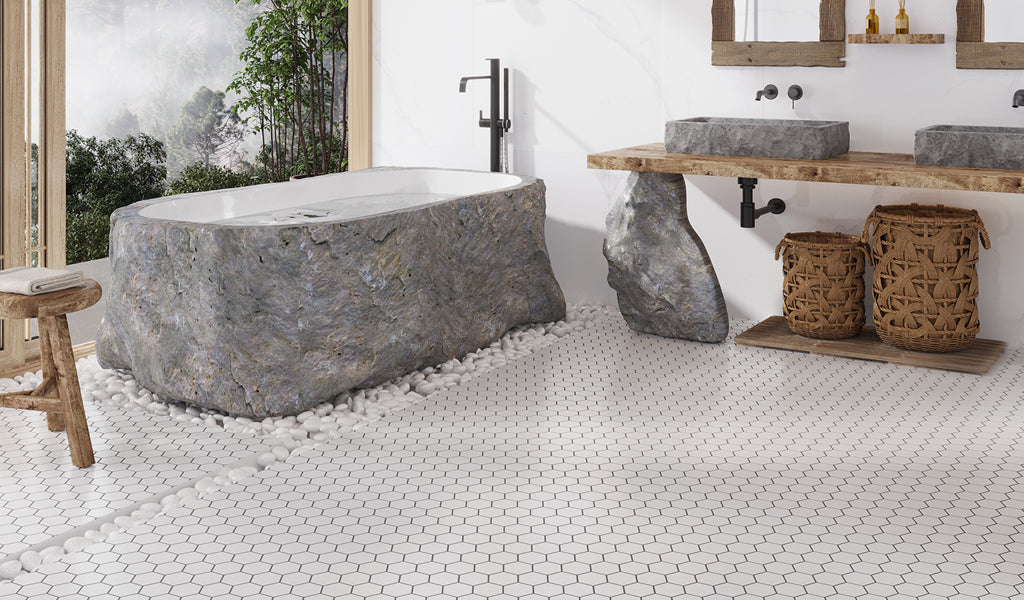
- Excellent Durability: Scratch-resistant tile, like our Light Gray 10x10 Honed Calacatta Bluette Hexagon Tile, is designed to withstand daily wear and tear, making it ideal for busy households and commercial spaces.
- Long-Lasting Appearance: The best scratch resistant flooring tile retains its finish and color for many years, reducing the need for repairs or replacement.
- Low Maintenance: These flooring options require only regular sweeping or vacuuming and occasional mopping to keep them in tip-top shape. Minimal care means you can enjoy a clean, polished look without the need for intensive cleaning or frequent maintenance treatments.
Cons of scratch resistant flooring:
- Not Completely Scratch-Proof: Although highly resistant, no flooring is entirely immune to scratches from heavy impact, sharp objects, or dragged furniture. Opting for a matte or textured finish can help reduce the visibility of minor surface marks and wear, keeping your floors newer for longer.
- Grout Maintenance is Needed: Although the tiles themselves are incredibly durable, cement-based grout requires proper care and periodic sealing to maintain its appearance.
Why Tile Flooring Is the Most Scratch Resistant Choice
Floor tile consistently ranks among the most scratch resistant flooring materials because of its manufacturing process and composition. For instance, Porcelain is made from refined clays and fired at extremely high temperatures. This creates an exceptionally dense composition resistant to surface damage.
In addition to its inherent strength, tile performs exceptionally well in real-world scenarios such as high foot traffic, pet activity, and frequent furniture movement. Its abrasion resistance results in a clean, polished appearance for decades if not years. The combination of durability, longevity, and low upkeep makes tile the best long-term investment for private residences and commercial spaces.
Conclusion
In summary, scratch resistant flooring, particularly porcelain, ceramic, and marble, offers is a reliable, versatile, and long-lasting solution for modern spaces. Backed by strong performance standards like the PEI rating system and the Mohs hardness scale, tile is engineered to withstand everyday wear, surface abrasion, and accidental impacts while retaining its aesthetic appeal over time.
If you’re looking to further enhance durability and performance, especially in moisture-prone areas, understanding waterproof options is equally important. To learn more about how different flooring types handle water exposure, read our guide: The Ultimate Guide to Waterproof Flooring Options.
Frequently Asked Questions
1. Is any flooring completely scratch-proof?
2. What causes scratches on flooring the most?
3. What flooring holds up best in homes with dogs?
4. Is scratch-resistant coating effective on floors?
5. How long does scratch resistance last in flooring?
Scratch resistance in floor tile can last for decades, especially with porcelain and sealed marble. With proper care, these high traffic tile options can maintain their flair and quality for 20 to 50 years or more.
6. Do darker floors show scratches more easily?
7. Is there a wood floor that resists scratches well?
Wood-look porcelain tile, such as our Almond Wood 10x60 Matte Plank Porcelain Large Tile, offers a much more scratch-resistant alternative, while still delivering the warm, natural appeal hardwood is renowned for.