

A Perfect Guide to Choose the Best Kitchen Flooring Options
Aug 24, 2026 12 minute readFrom morning breakfasts to lively holiday gatherings, the kitchen is where everyone seems to congregate. With so much happening in this space, it only makes sense that the flooring you choose is one of the most important decisions you make. It will have to handle everything from spills and bustling footsteps to the occasional dropped pan, while maintaining its quality and splendor. With this guide, you will discover all the secrets to choosing the best kitchen flooring options so you can find material that's both beautiful and built to last.
Key Takeaways
- Choose the best floor for kitchen based on durability, stain and moisture resistance, maintenance needs, and the amount of foot traffic the space receives.
- Porcelain, ceramic, glass, stone, and marble offer different combinations of beauty, performance, and cost, making it possible to find a flooring option that suits your design vision and budget.
What Should You Look for in a Kitchen Floor

A space used daily requires different considerations. When exploring flooring options for kitchen, the surface beneath your feet should do more than look good; it also needs to perform. Consider how the space is utilized and the everyday activities the floor will endure.
Durability
The best floor for kitchen is one that can withstand high foot traffic and the occasional impact from dropped dishes without easily cracking, chipping, or showing signs of wear. Porcelain floor tile, for example, offers a robust, hard-wearing surface that can handle the rigors of everyday life while its appearance and performance remain intact.
Stain Resistance
While kitchen backsplash tile sees its share of clean-ups, the floor is where things really get messy. If you're someone who cooks frequently or hosts gatherings, spills, crumbs, and food messes are inevitable. Kitchen flooring options that resist moisture, stains, and odor will be easier to maintain its pristine condition and less likely to suffer long-term damage.
Maintenance
Likewise, if the kitchen sees a lot of activity from kids or pets, it may require frequent cleaning. Consider how much time you want to spend on routine care. Low-maintenance flooring options for kitchen mean your space stays fresh and beautiful with minimal effort.
Slip Resistance
If you spend a lot of time in the kitchen, look for a surface with reliable traction. Slip resistance is a crucial consideration for busy households. Matte floor tile is less likely to be slippery, reducing the risk of accidents and giving a greater peace of mind.
Aesthetics
As you look into the various kitchen flooring options, consider the aesthetic you want to create. Color, texture, shape, and size are what transform an ordinary room into an awe-inspiring and intuitive interior. Ideally, the floor should complement walls, cabinets, countertops, and the overall décor theme. It can blend in or stand out as the room's statement feature.
What Are the Different Kitchen Flooring Materials


If you're wondering, "What is the best flooring for a kitchen?" It's a surface that works effortlessly through every task, gathering, and moment of daily life. Advances in technology have opened a world of boundless possibilities, making available a myriad of materials that combine beauty to suit every taste and layout with exceptional performance.
Tile delivers many of the attributes a hard-working floor needs. Popular flooring options for kitchen include glass, ceramic, porcelain, stone, and marble. Each material offers an incredibly hard-wearing finish and a style to suit diverse preferences.
Porcelain Kitchen Flooring Tiles
Dense and strong in composition, with a very low water absorption rate, porcelain kitchen tile possesses remarkable technical properties. Everyday spills, scuffs, and wear? It remains unyielding to whatever life throws at it.
Porcelain's strength also lies in its versatility. It can emulate the appearance of other natural materials, such as hardwood, terrazzo, terracotta, concrete, and natural stones like slate and marble. What this means is you can achieve the look you desire without the premium price of the real thing. Our Perla 24x48 Lappato Onyx Porcelain Large Tile, for example, captures the dramatic swirls and color variation of real onyx, perfect if you want a culinary space that oozes luxury.
Ceramic Kitchen Flooring Tiles
Ceramic floor tile offers an accessible way to infuse your space with personality. Available in an array of styles, this versatile material is easy to work with for several reasons. Its durable yet lightweight nature makes it well-suited for DIY projects. While it may not match porcelain in density, it can stand up to everyday messes, and its antimicrobial glaze inhibits the growth of germs, bacteria, and microbes. A hygienic, easy-to-clean surface - how's that for a bonus! With proper installation and care, the performance of ceramic kitchen flooring options is preserved for decades.
Glass Kitchen Floor Tiles
Mosaic glass tile flooring options for kitchen have a natural ability to amplify light, brighten the room, and add plenty of depth. Even better, they come in sumptuous colors and a plethora of shapes and patterns. While commonly used for backsplashes because of their seemingly delicate appearance, you'd be surprised at just how robust these decorative adornments are.
Glass mosaics rated for floor use have a dense, impermeable surface that resists moisture, staining, and bacterial growth. They can even emulate the look of natural materials such as hardwood and marble, as seen with Black with White Vein 10x12 Polished Hexagon Recycled Glass Mosaic Tile. Ideal as a statement-making feature across the entire floor for maximum impact, or an accent within a larger layout for a more understated look.
Natural Stone Kitchen Floor Tiles
When it comes to authenticity, texture, and sophistication, few kitchen flooring options can rival natural stone. Every piece stands out, adding character to the surface underfoot. Stone floor tiles are inherently durable and built to withstand the demands of busy interiors. With additional care and periodic sealing to protect against moisture, stains, and scratches, your kitchen floor can retain its beauty for years to come.
Marble Kitchen Floor Tiles
Marble flooring tile is the epitome of classic elegance, bringing a sense of luxury to kitchens of all styles. Its unique veining patterns and color variations create a captivating visual display, all while providing a hard-wearing surface that stands the test of time and transcends fleeting trends. A perfect example is our Gray 12x24 Honed Calacatta Bluette Marble Large Format Tile, which adds visual depth and instantly becomes the room's focal point.
Which Kitchen Flooring Is Best for Heavy Traffic


What is the best flooring for a kitchen exposed to high foot traffic? Porcelain tile is a sought-after choice due to its robust composition and outstanding chip and crack resistance. It can withstand frequent foot traffic, dropped items, and regular cleaning while maintaining its appearance and performance over time. Marble flooring is also suitable for kitchens with high foot traffic, thanks to its resilience and long-term performance.
Which Floors Are Easy to Clean and Handle Spills


Porcelain and ceramic tile are among the easiest kitchen flooring options to care for. Their nonporous surfaces can handle everyday spills and splatters without permanent staining. Most spills can be easily wiped right away with a damp cloth or mop, making it easier to keep floors immaculate. Keeping grout clean is just as important. For even easier upkeep, choose larger tiles such as Black 36x36 Lappato Square Porcelain Large Format Tile to reduce the amount of grout that requires regular attention.
What Flooring Works Well in a Small Kitchen
What is the best flooring for a kitchen with limited square footage, you ask? Large-format porcelain or marble tiles can work especially well for small kitchen ideas. The reason is simple: larger sizes create fewer grout lines, giving the floor a cleaner, almost monolithic appearance that opens up the room. Matching grout color closely to the tile keeps the floor looking continuous rather than chopped up.
This effect is further enhanced by choosing light-colored tiles such as soft white, sandy beige, pale ivory, and light gray, which reflect light and make the space feel brighter, spacious, and airy. For added character, wood-look and stone-look porcelain flooring options for kitchen can lend warmth and visual interest without making the room feel busy.
What Is the Best Flooring for a Commercial Kitchen


The best floor for kitchen areas in commercial spaces withstands demanding conditions: durable, water-resistant, and easy to maintain. Porcelain tile is a premium choice offering superior hardness, moisture protection, and minimal maintenance. While marble floor tile can be a strong contender for its excellent durability, its surface can etch when exposed to acidic foods and harsh cleaning products. It typically requires periodic sealing and more careful maintenance than porcelain.
For optimal performance, choose a commercial tile with a suitable slip resistance, such as a wet dynamic coefficient of friction of at least 0.42, to ensure employee footwear maintains traction and reduce the risk of slips and falls. Additionally, the selected flooring should have properly sealed grout and well-finished transitions to prevent trapping water and food particles in those hard-to-clean areas.
Kitchen Flooring Pros and Cons
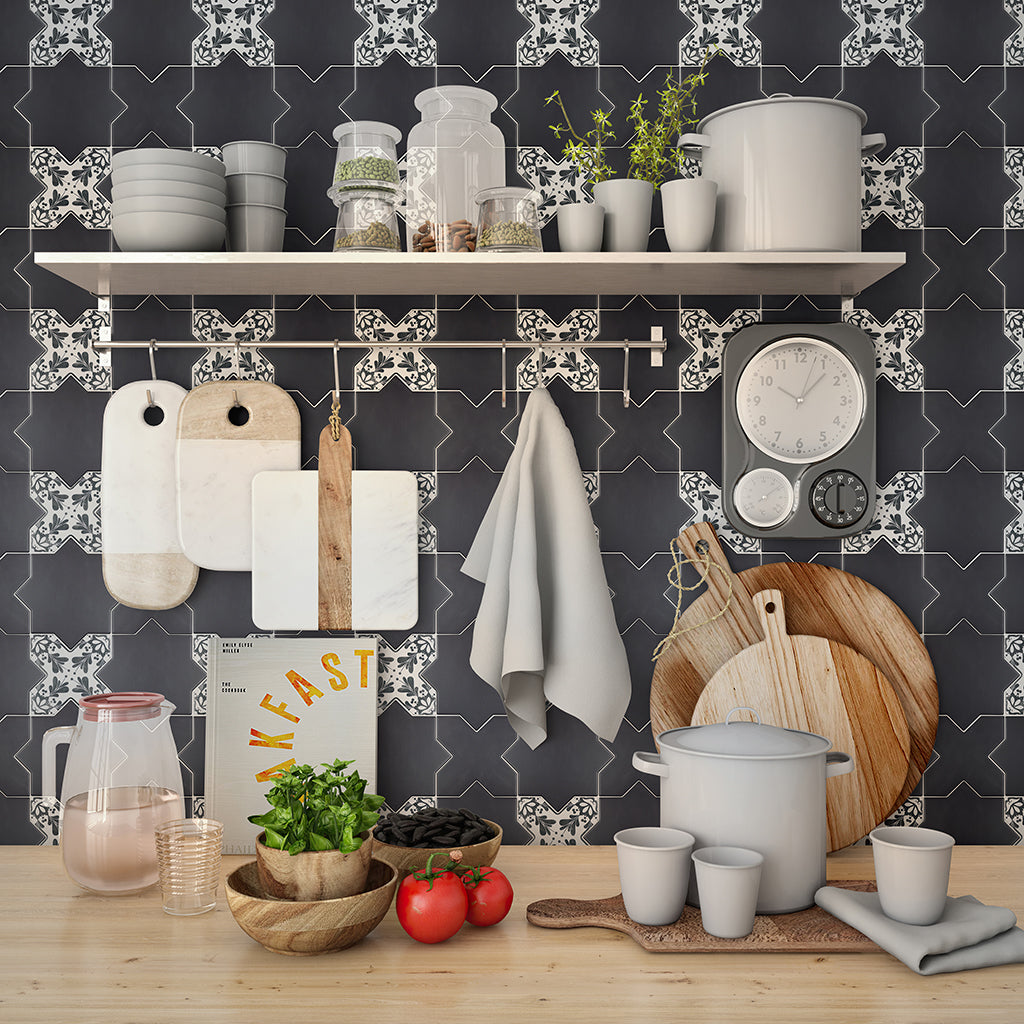
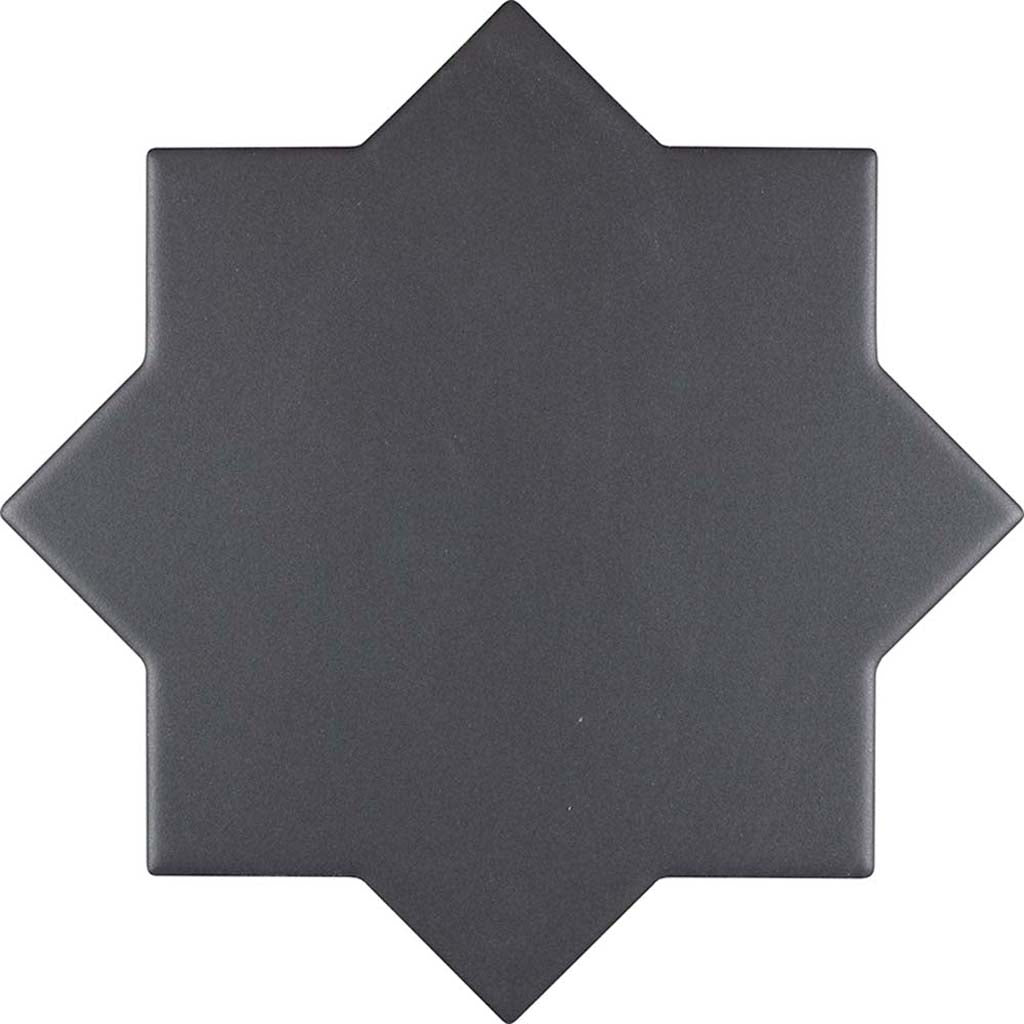
Kitchen tile flooring is a popular choice because it combines durability, versatility, and ease of maintenance with a wide range of styles and finishes for diverse décor themes. Outstanding materials like porcelain and marble offer a hard-wearing surface that remains unyielding against the rigors of an active and busy household. Plus, there are designs available that replicate the appearance of natural materials such as hardwood and stone at an affordable price point, allowing homeowners to attain a desired aesthetic without breaking the bank.
However, there are a few things to consider when selecting the best floor for kitchen. While the tile itself is generally easy to clean, grout lines can collect dirt and may require additional cleaning or sealing. Proper subfloor preparation and installation are equally crucial, especially for large-format tiles and intricate layouts. Although durable, when the surface beneath is uneven or in poor condition before installation, tile can crack if a heavy object is dropped on it or if the underlying surface shifts.
How Much Does Kitchen Flooring Cost


Different types of kitchen flooring vary in price depending on the material, style, size, and quality. For a budget-friendly project, there are plenty of attractive ceramic tiles available at different price points. Premium porcelain tiles, particularly those designed to replicate the look of other materials like marble and wood, can cost more due to outstanding technical qualities and sophisticated manufacturing processes.
Specialty glass mosaics, as well as marble varieties such as Thassos, Carrara, Crema Marfil, and Calacatta tile, can also command a high price due to their distinctive appearance, material quality, and, in some cases, rarity.
Ultimately, there are kitchen floor options to suit every budget. While premium materials often require a greater initial investment, choosing durable flooring provides better long-term value by reducing maintenance and replacement. Comparing prices and obtaining multiple installation quotes can help keep the overall project within budget.
Conclusion
The best kitchen flooring options strike a balance between durability, style, and ease of maintenance. From hardworking porcelain and versatile ceramic to luxe marble and exquisite glass mosaics, each material offers unique benefits to suit different lifestyles, budgets, and design preferences. Before making your choice on the ideal kitchen floor tile, consider the level of foot traffic, how frequently spills occur, the amount of maintenance you're willing to undertake, and the overall look and feel you want to achieve.