

How to Clean Tile Grout: Simple Ways to Restore Dingy Grout Lines
Jul 29, 2026 8 minute readIsn’t it ironic that the very material that holds tile installation in place can be the very thing that causes its appearance to fall apart? The seams between living room, bathroom, and kitchen tile are commonplace for grout, filled and perfectly in theme. But if you’re not careful, these thin lines can get pretty filthy, fast. We’ve put together a detailed guide that walks you through how to clean tile grout effectively.
Key Takeaways
- Cleaning grout regularly prevents dirt, stains, mold, and discoloration from building up.
- Resealing grout every 6-12 months repels moisture and stains and prevents future issues.
Why Does Tile Grout Get Dirty and Discolored Over Time

It can prove hard to answer the “how to clean tile grout between tiles” question without knowing what causes dirt in the first place. Cementitious sanded and unsanded grout becomes stained and discolored over time. After all, it is inherently porous and tends to absorb liquids and trap dirt. In high-activity areas, such as kitchens and bathrooms, it’s easier for dust and dirt to collect between the tile joints. Everyday wear means grout takes a beating - and abrasion ultimately leads to worn-out tile joints.
Then there is the issue of moisture, particularly in wet areas like the shower. Constant exposure to water and humidity can create ideal conditions for mold and mildew growth. And the fact that cleaning, or lack of it, also contributes to grout dirt and discoloration can’t be ignored. Leaving spills untreated or using poor cleaning methods can weaken grout and make stains more difficult to remove. Unsealed joints, too, are susceptible to water and contaminants that change grout’s original color.
What Tools and Supplies Do You Need to Clean Tile Grout
Before getting into the best way to clean tile grout, it’s important to have the right tools and supplies.
For routine cleaning to remove surface dirt, you'll need:
- Soft-bristled brush or an old toothbrush
- Microfiber cloth or sponge
- Bucket of warm water
- pH-neutral tile cleaner
For deep cleaning and tackling tough stains, consider a baking powder and water paste, a grout-specific cleaner, or a steam cleaner. Below, we dive into different cleaning methods and the best products for each.
How to Clean Tile Grout With Household Ingredients
Excellent results to clean lightly soiled tile grout can be achieved with products commonly found in our homes. Mix baking soda with water to create a paste, then apply it to the grout and allow it to sit for about 10 minutes. After, rinse with water and dry using a microfiber cloth.

If this method does not restore grout to its brightness, you can try 3% hydrogen peroxide mixed with a bit of baking soda. White vinegar can also help break down soap scum, but should be avoided for marble tile installation as its acidity can etch the stone. It can be sprayed on the stained area with a spray bottle after diluting it with warm water, and allowed to sit for a few minutes before rinsing with clean water.
What Are the Best Tile Grout Cleaners for Deep Cleaning

For deep cleaning, pH-balanced grout cleaners or oxygen bleach-based cleaners are the best way to clean tile grout and remove grease, soap scum, mold, and mildew. Note that bleach-based cleaners are safe for occasional use but not recommended for regular use. High-temperature steam cleaning is also a good chemical-free method that loosens embedded dirt and works even with the installation of our products, such as Warm Beige 12x36 Matte Stone-look Ceramic Large Tile.
How to Clean Grout in Showers, on Floors, and Kitchen Backsplashes
For different areas of the home, the best way to clean tile floors and grout depends on the tiling material installed. For example, removing soap scum and mold on ceramic or porcelain shower surrounds can be done effectively with steam cleaning, followed by a gentle scrub with a soft-bristled brush and mild cleaner. Marble is a sensitive material vulnerable to etching and requires careful cleaning with stone-safe products.
How to clean grout between tiles on floors? Regular sweeping or vacuuming removes dirt and sand grit that can scratch tile flooring. Follow with mopping using a pH-neutral cleaner and gently scrub stained grout lines with a soft-bristled brush or old toothbrush if needed.


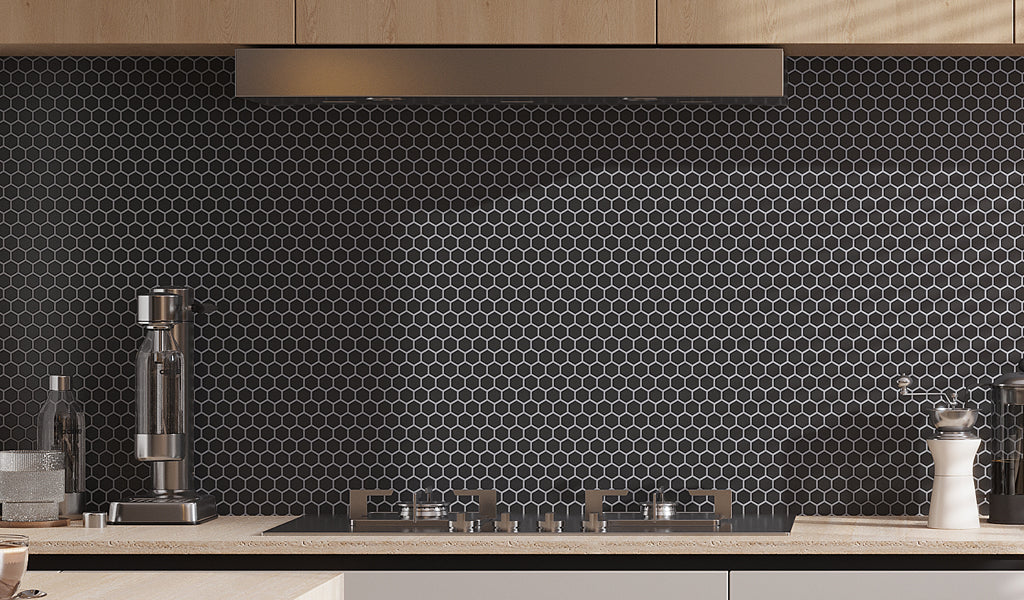
Black glossy glass tile kitchen backsplash in herringbone subway pattern
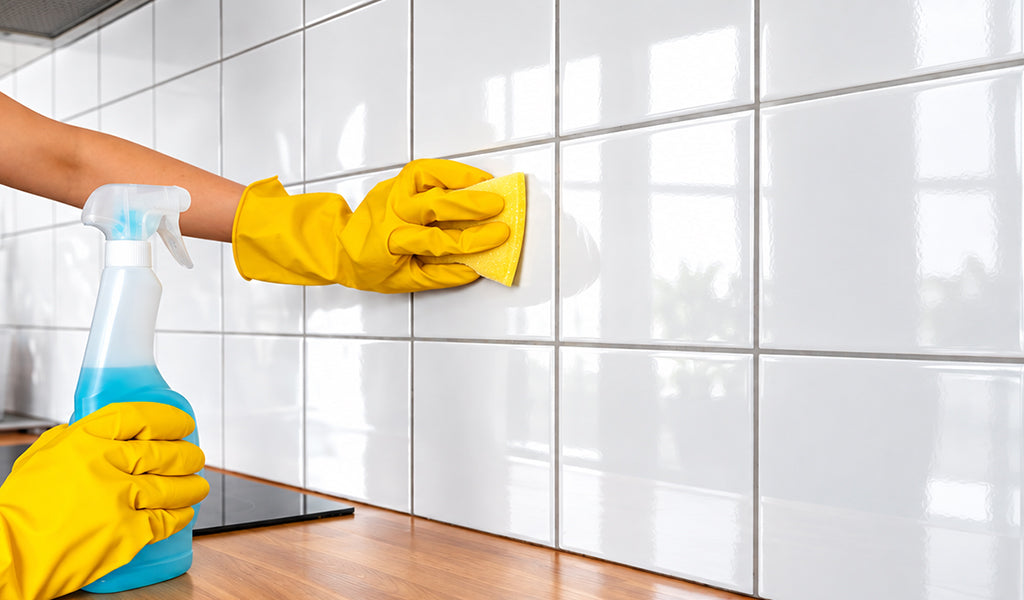
Grout used for kitchen backsplash tiles, such as Black 3x12 Glossy Glass Subway tile, can be kept pristine using a mild tile cleaner. A paste of baking soda and water also works for stubborn food splatters and grease. After cleaning, always give surfaces a dry wipe with a microfiber cloth for a gleaming, streak-free finish.
What Common Grout Cleaning Mistakes Should You Avoid
Watch out for these common mistakes the pros see time and time again when DIYers clean grout joints:
- Scrubbing grout too hard with abrasive tools such as steel wool or stiff brushes.
- Using too much or allowing standing water on highly porous grout during cleaning.
- Cleaning with the wrong products or harsh chemicals that may weaken grout over time.
- Failing to test the cleaning product on a small, inconspicuous area before use.
- Overlooking periodic sealing, especially in high-traffic and moisture-prone areas.
How to Keep Tile Grout Clean and Prevent Future Stains
Regular upkeep and simple preventive care are key to keeping grout clean and preventing stains. For floors, including marble, ceramic, and porcelain floor tile, sweep or vacuum regularly so dirt and grit do not accumulate between grout lines. Even with sealed tile joints, wipe spills promptly to prevent stains from setting and becoming difficult to clean.
How to clean tile grout without weakening joints. Mild, pH-neutral cleaners are recommended as harsh chemicals can cause deterioration over time. Work tougher stains with a soft-bristled brush to lift dirt and grime without causing unnecessary wear. Lastly, using a high-quality sealer creates a protective barrier against water and discoloration. The application should be done on cement-based grout during installation and reapplied every 1-2 years in low-traffic areas and 6-12 months in high-traffic and wet areas.
When Should You Repair, Recolor, or Replace Tile Grout?

Part of learning how to clean tile grout is knowing when to repair, recolor, or replace. Choosing between these three restorative methods will depend on the state of the grout lines. In the case of minor defects, such as small cracks, surface wear, or isolated areas of damage, attending to it early prevents further issues such as moisture seepage.
When grout is structurally sound but discolored due to age and wear, the best approach is recoloring. Here, an epoxy-based colorant or stain in the original shade or an entirely different hue is an affordable way to refresh the look of your floor, backsplash, or accent wall tile.
Signs that a replacement is necessary include severely cracked, crumbling, or missing grout. When this happens, it’s easier for mold, moisture, and dirt to penetrate the surface beneath. DIY or professional regrouting will help restore the structural integrity of your tile installation.
How Often Should You Clean Tile Grout?
The frequency of cleaning grout joints depends on the location and how much use it gets. Give grout a quick pass with a microfiber cloth or sponge to wipe away day-to-day moisture, particularly on shower wall tile. Deep cleaning to tackle stains, discoloration, or mold can be done every 2 to 3 months - a process that may require using a soft-bristle brush and specialized grout cleaners or a DIY mixture of 3% hydrogen peroxide and baking soda.
For heavily stained grout lines that deep cleaning fails to restore, you may need to call in the pros. Professional cleaning involves high-temperature steam and specialized cleaning solutions that remove deep-set dirt and eliminate mold and mildew, leaving high-traffic and bathroom tile looking its best. Permanently stained or deteriorated grout may need to be replaced. Our guide, How to Regrout Tile, explains the process of restoring your tilework’s appearance in detail.
Conclusion
Knowing how to clean tile grout keeps those thin lines in tip-top shape. With proper cleaning, resealing every 6-12 months, and prompt attention to cracks, chips, and minor defects, you can maintain a structurally sound installation and ensure it stays beautiful for years to come.